Kasol at 1,640 m on the Parvati: where to stay, the walks to Kheerganga and Rasol, Manikaran's springs, Malana's rules, IMD weather and copyable itineraries.
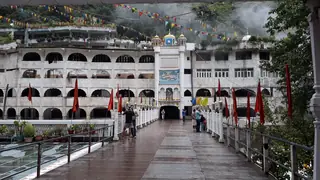
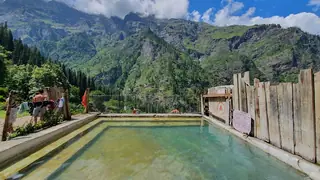
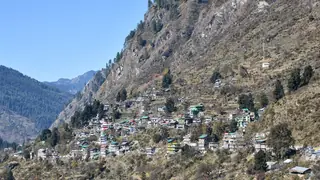
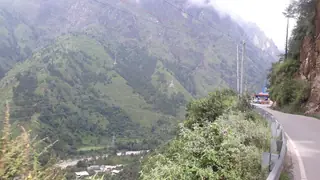
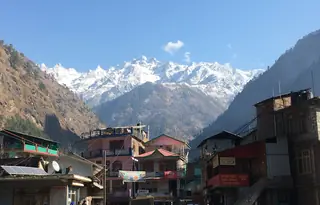
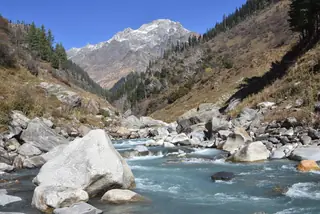
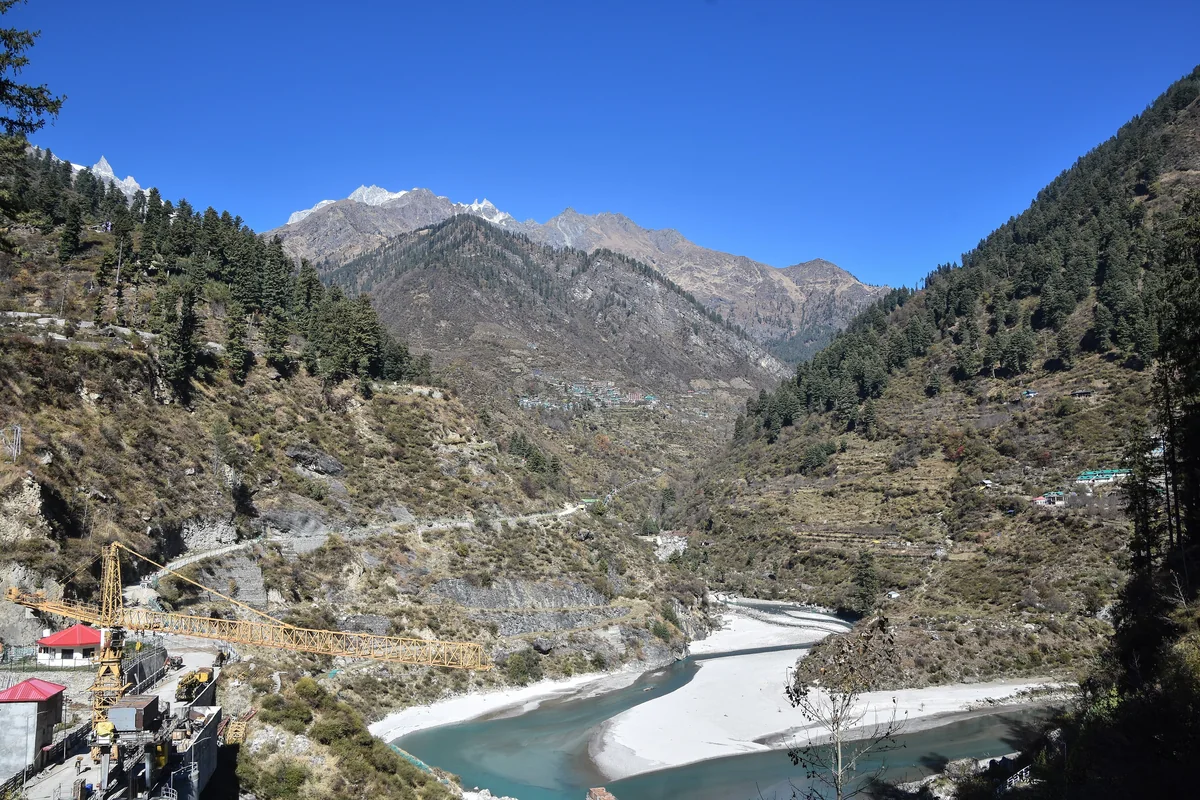
Kasol is a village on the Parvati river, 1,640 m up a side valley of the Kullu, where a two-street market has grown into the base for the whole valley. Manikaran's hot springs are a few minutes upstream, the road-end at Barshaini has the walks to Kheerganga and Tosh, and the closed village of Malana sits up its own gorge. People come for the walking, the river, and the slow café life on the far bank at Chalal.
This guide is built from the data we keep for every place in the valley — road minutes measured on the actual road network, how long people spend at each stop, what a walk climbs — and from the stays and cafés that list on HimLocal. Every itinerary below is copyable into your own trip planner and editable there.
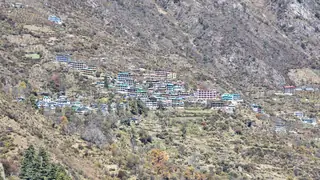
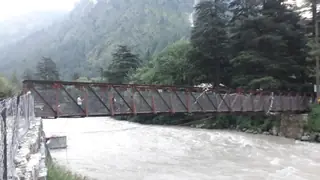
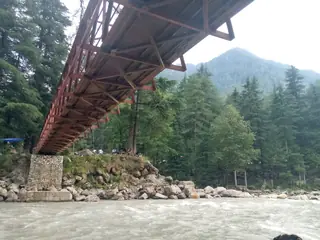
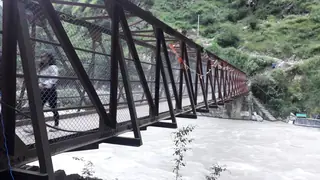
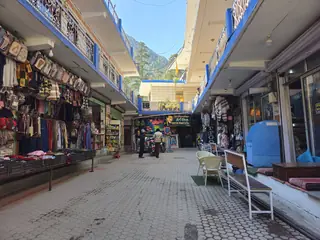
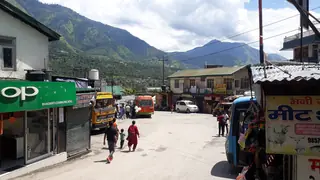
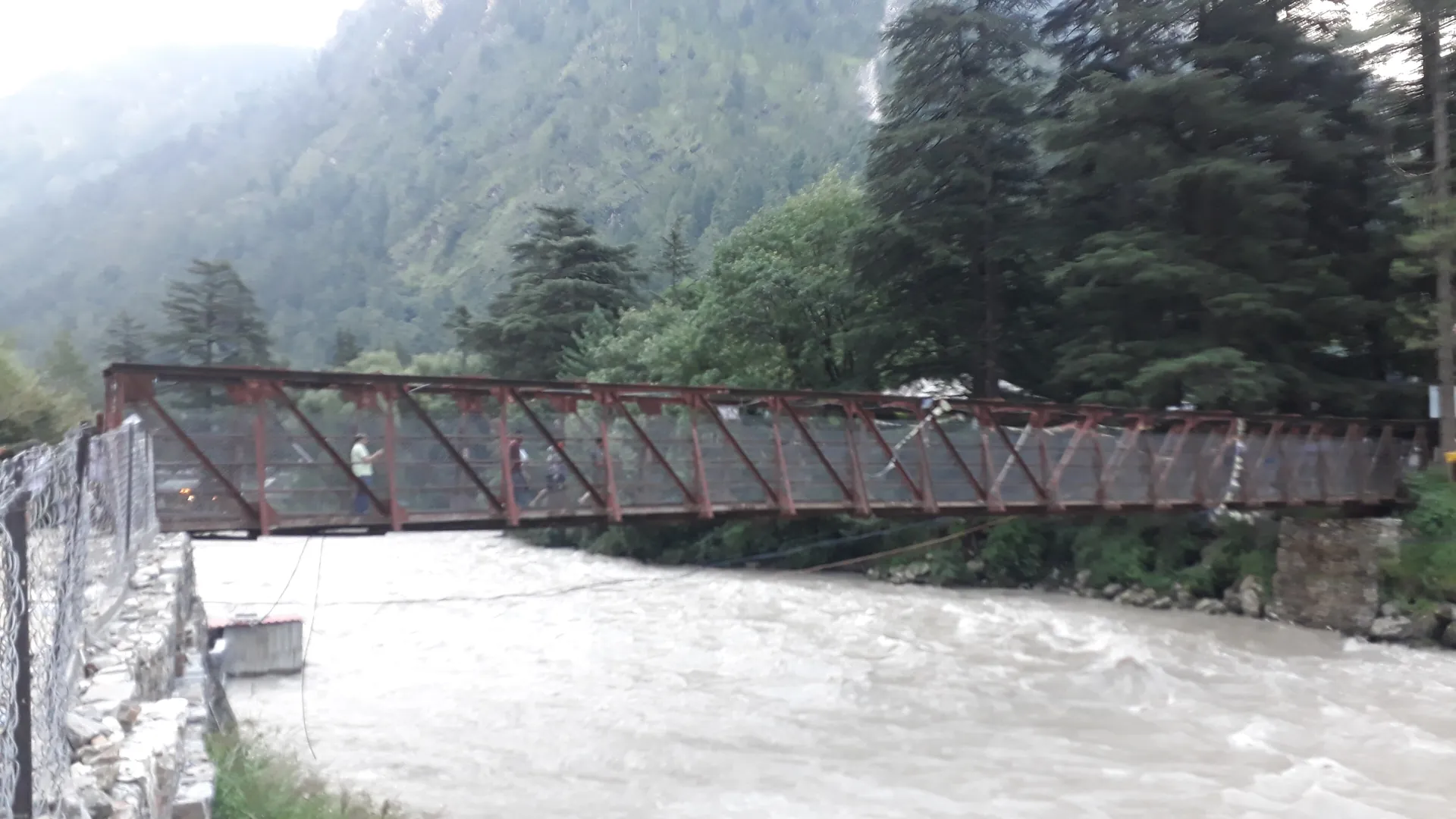
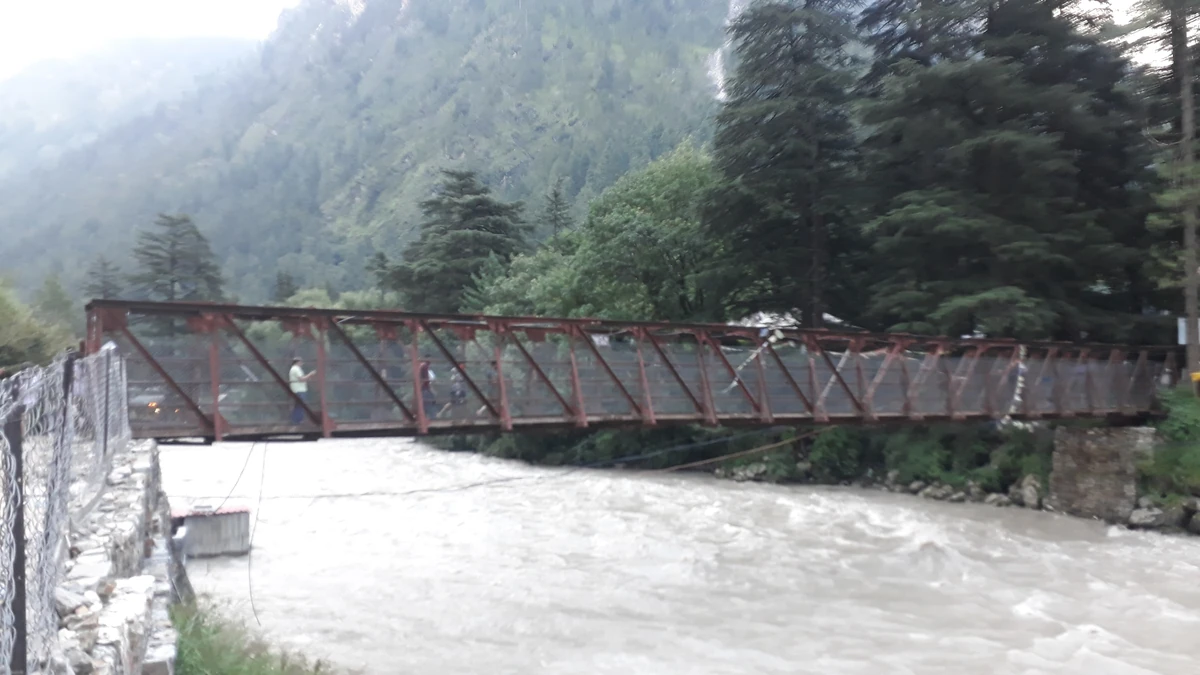
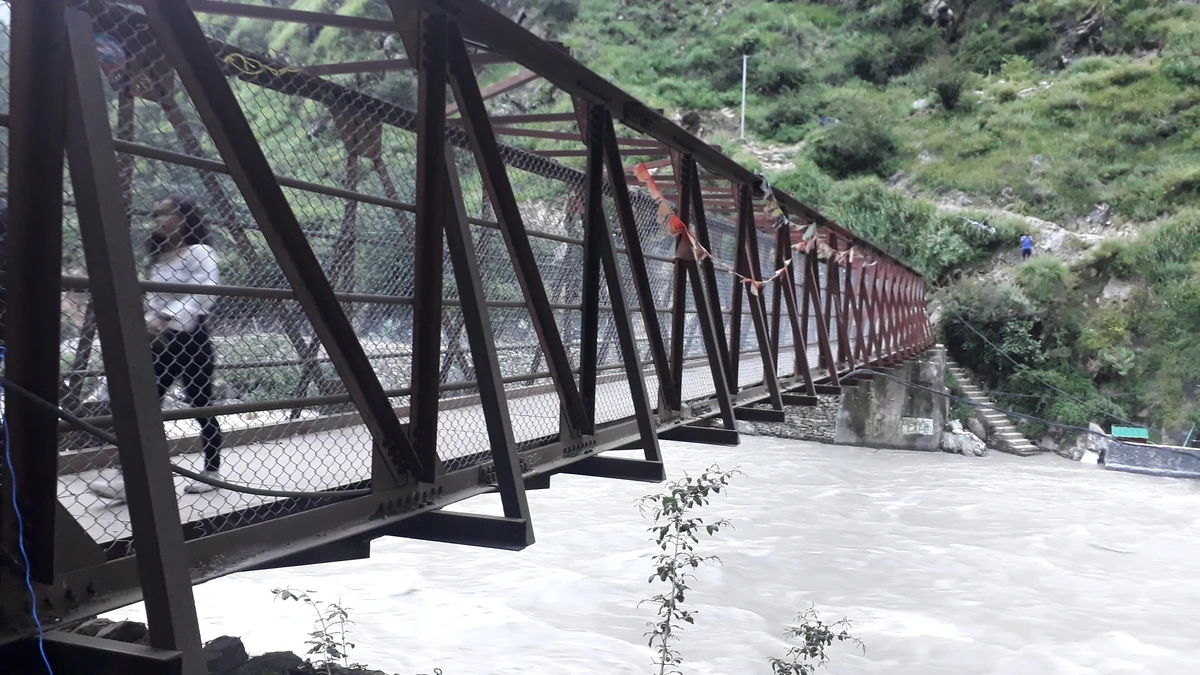
Kasol itself is small: a market street along the road, a lane of cafés and guesthouses towards the river, and the footbridge over the Parvati to Chalal. It works as a base because everything the valley offers is within an hour of it: Manikaran at 8 minutes, Barshaini at 37, Tosh at 50, the Malana road-end at 43. And the walks start from the road rather than from a trailhead you must drive to.
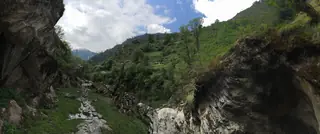
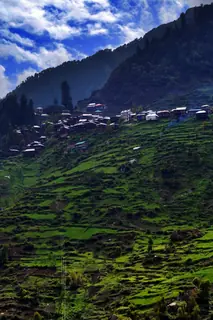
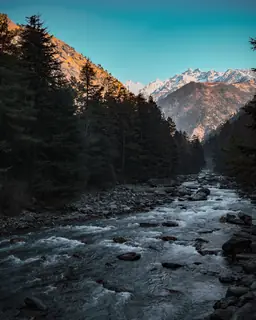
It is not a mountain town in the way Manali is. There is no ropeway, no snow point, no pass to drive over. The valley is narrow and steep, the river is loud, and the days are made of walking, eating and sitting by the water. If that is what you want, three nights is right; if you want sights, two is enough.
Kasol market and the river lane — guesthouses and hotels within a few minutes of the bus stop; the busiest and the most convenient for a one-night stop.
Chalal — across the footbridge and twenty minutes along the river through the pines. Quieter, cheaper, and where people who stay longer end up.
Choj — the hamlet at the end of the bridge road across the river: camps and guesthouses on the water, a little apart from the market noise.
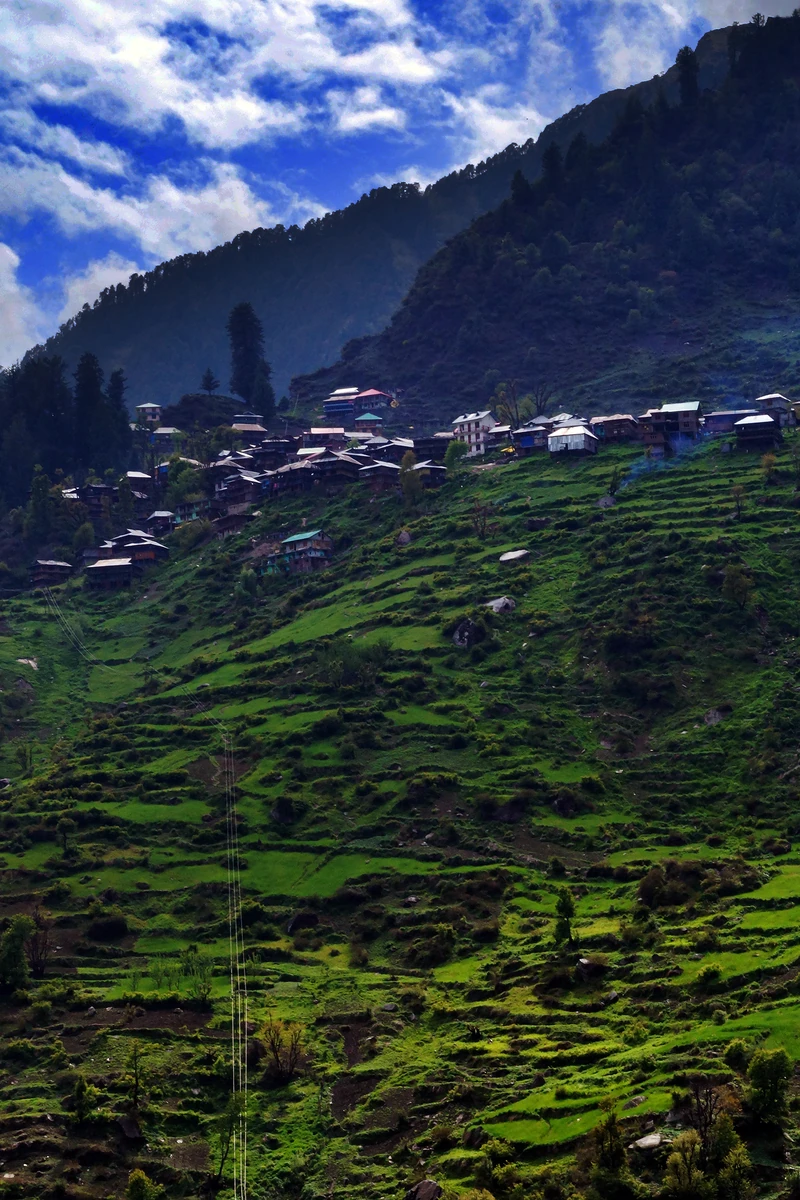
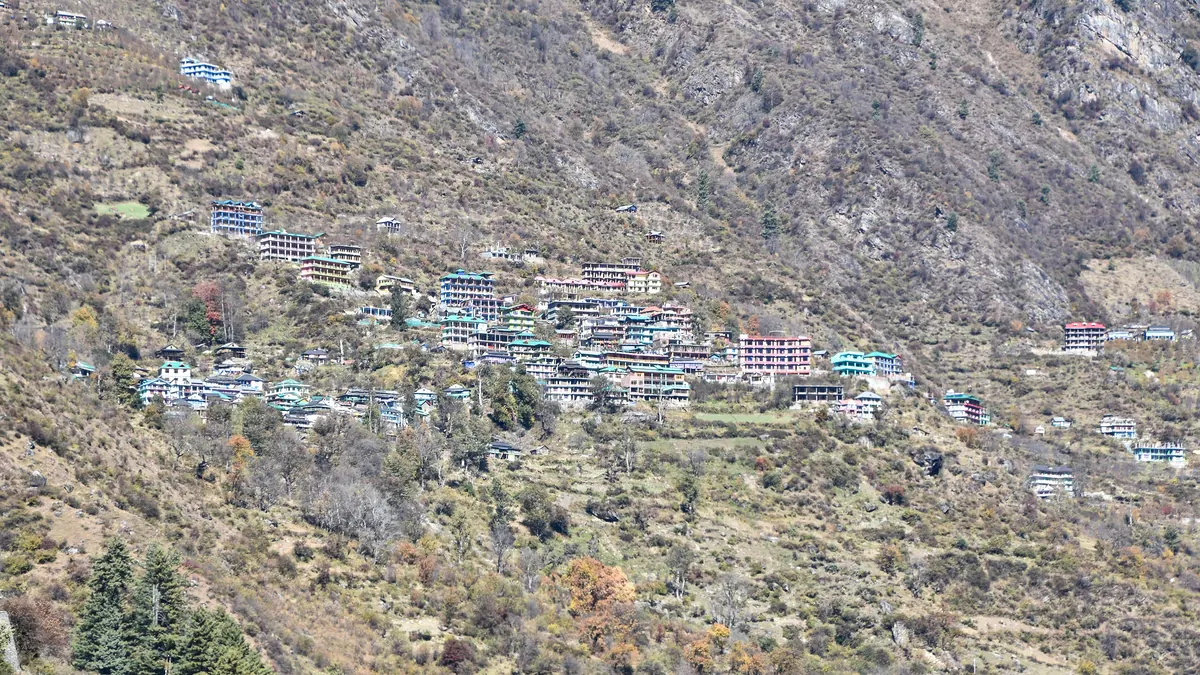
Tosh and Kalga — villages above the road-end, an hour from Kasol by taxi and then on foot. For people who want to be above the valley rather than in it, and who will walk to breakfast.
Operators
No operator has listed this on HimLocal yet. The prices above are typical local rates; you pay the operator on the ground.
The numbers below are India Meteorological Department normals for Bhuntar, the valley's airport station, read from the climate table on Wikipedia. Kasol sits well above the airport and runs a few degrees cooler in every month.
March–April — days 23–27 °C at Bhuntar, cooler at Kasol; nights 7–10 °C. The valley greens up, the Kheerganga path clears of snow through April, and the cafés reopen.
May–June — days 31–33 °C in the valley floor, the warmest months and the busiest; Kasol stays pleasant because of the altitude. Book Chalal and Tosh early.
July–September — the monsoon: 136 mm of rain in July and 129 mm in August. The Parvati runs high and brown, slides close the Barshaini road for hours, and the walks are slippery. Cheap and quiet, and not the time for Kheerganga.
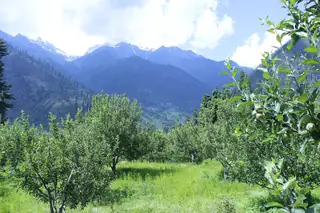
October–November — the clearest skies; days 23–28 °C, nights 5–10 °C. The best walking weather of the year and the apple harvest in the lower villages.
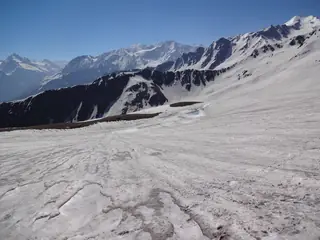
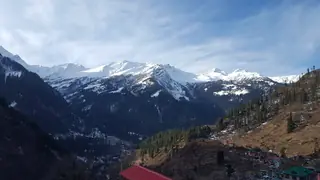
December–February — days 16–18 °C at Bhuntar, nights near freezing; snow above Barshaini and often at Tosh. Kheerganga is a serious walk in snow; the valley is empty and many cafés shut.
How to reach
By road from Delhi — 494 km by road. Overnight buses run from ISBT Kashmere Gate to Bhuntar and Kullu; change there for the Parvati valley bus or a taxi. Some private buses run through to Kasol in season.
By road from Chandigarh — 245 km; the routing model gives about 5 h of driving, slow through Mandi and the Aut tunnel, then 32 km up the side valley from Bhuntar.
By air — Kullu–Manali Airport at Bhuntar is 32 km and about 70 minutes by taxi. Flights are few and weather-dependent.
By rail — the nearest railhead is Joginder Nagar, 143 km and about 4 h by road; most people take the train to Chandigarh and the bus from there.
From Manali — 75 km and about 2 h by road, down the Beas to Bhuntar and up the Parvati. A morning's drive; buses change at Bhuntar.
The walks
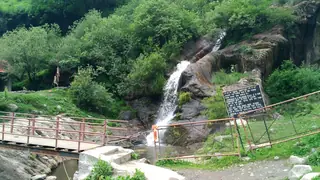
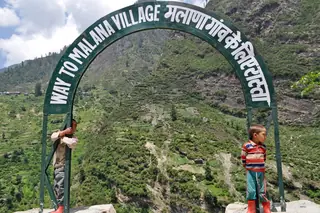
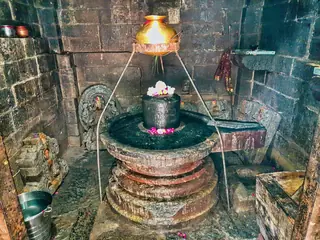
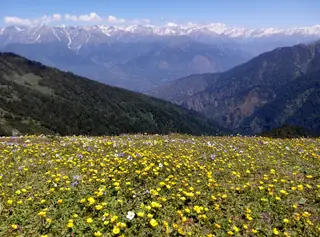
The valley's real attraction. Kheerganga is the classic: from Barshaini, up through Nakthan and past the Rudranag waterfall to a meadow with a hot spring, about four hours up and three down, a night in the camps at the top. Tosh is a village walk from the road-end, an hour up. Rasol is the steep one, two to three hours above Chalal. Chalal itself is the easy one, twenty minutes along the river. Malana is a different matter: a taxi to the road-end below the village and a steep hour up, and a village with its own rules — do not touch the walls of the temples or the people, and ask before every photograph.
Money and small print
Prices below are typical local rates, given as bands, with the date we last checked; operators quote on the day and the rate changes with the season. Cash matters above Barshaini, where the signal goes and the card machines with it. There is no permit for Kheerganga or Tosh; the higher treks — Sar Pass, Pin Parvati — are guided expeditions, not walks.
Two nights covers Kasol, Chalal, Manikaran and one walk to Tosh or Rasol. Three nights adds Kheerganga with its night at the top, which is the reason most people come. A week makes sense only if you are walking most days or working from a café.
Is Kasol worth it if you are not walking?
Less than Manali. The valley's attractions are the walks and the river; without them you have the market, the cafés at Chalal, Manikaran's springs and a taxi to Tosh. Two nights is enough in that case, and the quieter stay is across the bridge at Chalal.
Can you do Kheerganga as a day trip from Kasol?
You can, and it is a long, hurried day: about 37 minutes by road to Barshaini, four hours up, three down, and the road back. The night at the top is the point of the walk, so most people carry a small bag and sleep in the camps by the spring.
What is the best month for Kasol?
October for walking: the clearest skies of the year and warm days. April and May are green and busy. The monsoon months of July and August bring the heaviest rain, high water and closed roads; December to February are cold, with snow above Barshaini and many cafés shut.
How do you get to Kasol from Delhi?
An overnight bus from ISBT Kashmere Gate to Bhuntar or Kullu, then the valley bus or a taxi for the last 32 km; a few private buses run straight through in season. By car it is 494 km. Flights land at Bhuntar, 70 minutes away, when the weather allows them.
Photographs by Wikimedia Commons contributors (CC0, CC BY, CC BY-SA), resized; each picture is credited on its own page.

 Day plan · First visitTemples & heritage
 1 night · 2 days · First visitClassic
 2 nights · 3 days · First visitClassic
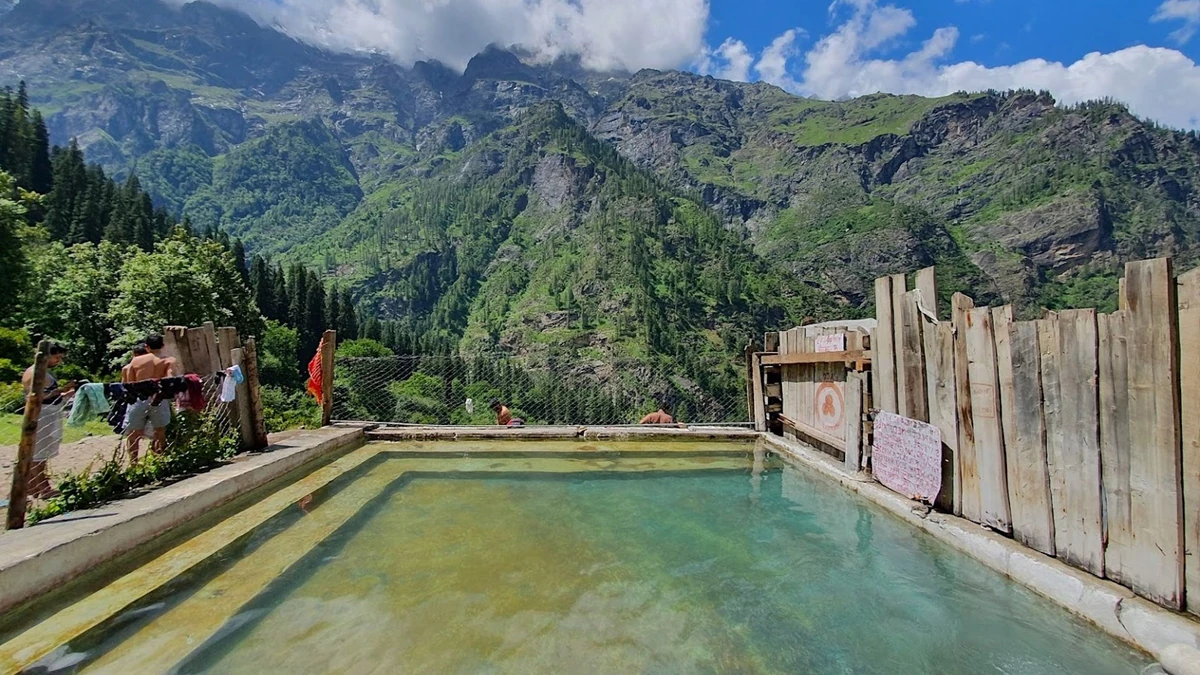 2 nights · 3 days · TrekkersWalks & treks
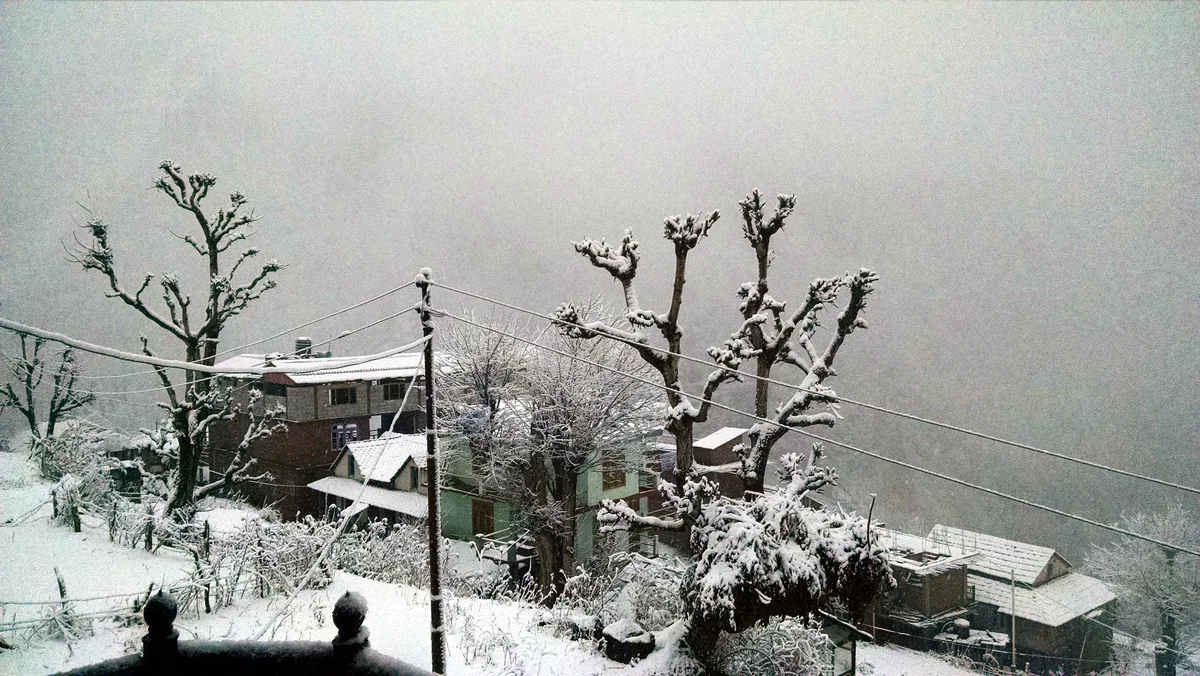 2 nights · 3 days · CouplesSnow
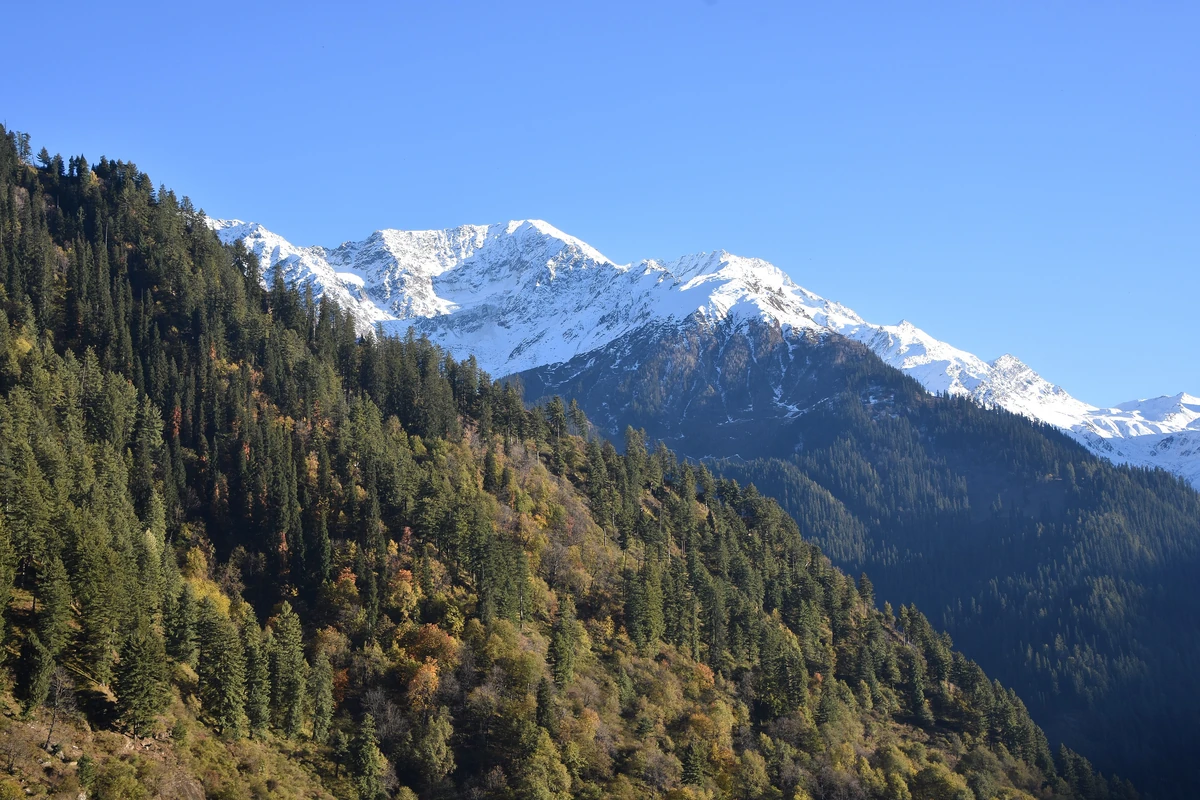 2 nights · 3 days · PhotographersAutumn
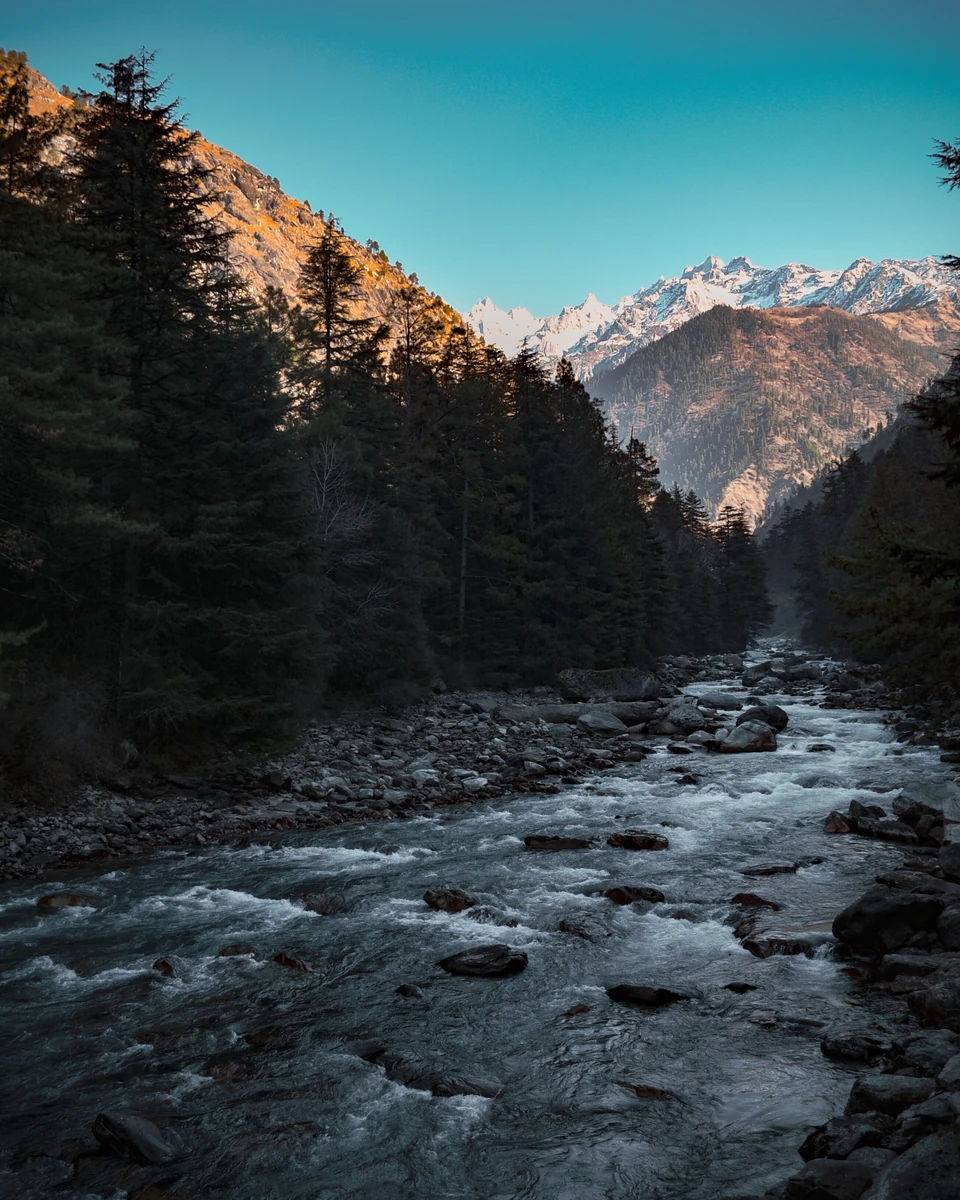 2 nights · 3 days · Slow travelMonsoon
 2 nights · 3 days · BudgetClassic
 3 nights · 4 days · FriendsClassic
 4 nights · 5 days · First visitMulti-hub