
Manikaran
What it is
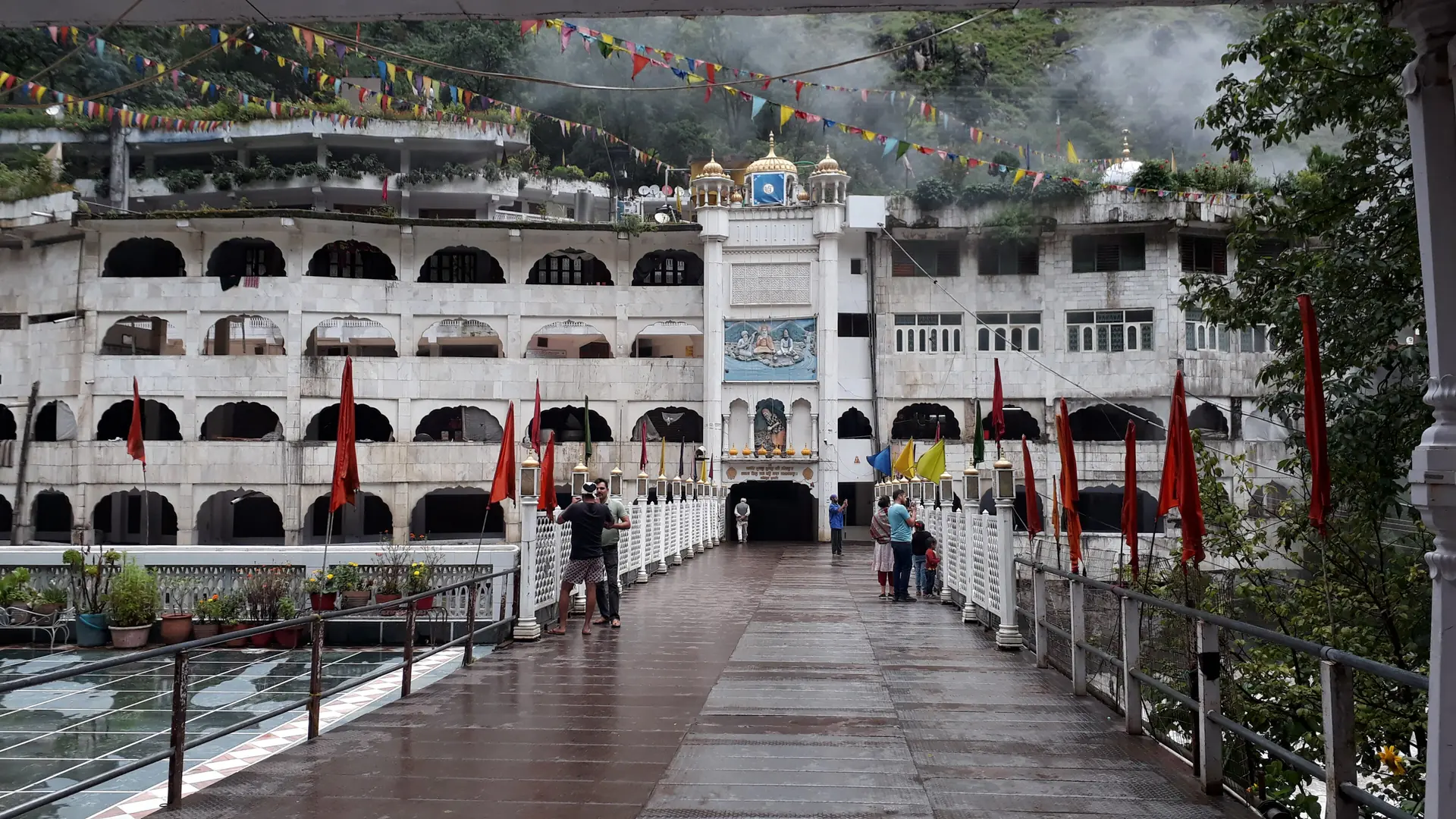
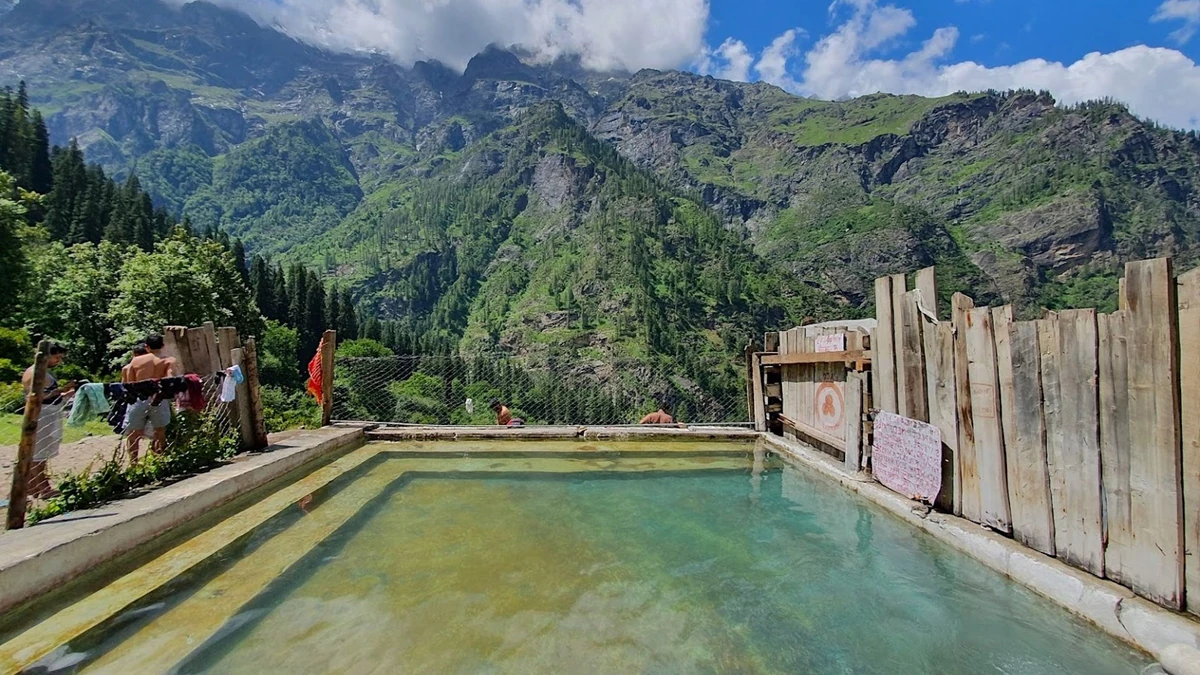
A pilgrim town on the Parvati, eight minutes above Kasol, where hot springs come out of the riverbank under a Sikh gurdwara on one side of the bridge and a temple on the other. The gurdwara — Manikaran Sahib — is the reason most people come: a langar hall that feeds anyone who sits down, bathing tanks fed by the springs, and steam off the river side of the building that hangs over the whole town. Rice is cooked in the spring water and sold in the lane.
Photos: Aman Gupta (CC BY-SA 3.0) · Riturajrj (CC BY-SA 4.0) · Tegbains (CC BY-SA 3.0) — via Wikimedia Commons, resized.
Getting there
About 4 km and eight minutes by road from Kasol: the valley bus, a shared taxi from the market, or a private one for a few hundred rupees. Buses from Bhuntar and Kullu run through to Manikaran, so it is also reachable without stopping at Kasol at all. The road continues to Barshaini beyond it.
The day
Head covered — scarves are lent at the gate — and shoes off at the door. The langar, the tanks (separate for men and women; the water is hot), and the courtyard on the river side where the steam is. Then across the bridge to the temple and the lane of shops. An hour and a half is enough; the day-trip buses arrive around eleven and leave by four, so the early morning and the evening are the quiet hours. The couples plan comes at dusk for exactly that reason.
When to go
Every month; the springs do not close and the gurdwara does not either. The monsoon changes nothing here, which makes Manikaran the one Kasol day the rain cannot spoil. Winter mornings are cold and the steam is thickest. Sikh festivals bring crowds and long langar queues — worth seeing, not the day for a quiet soak.
Around it
Kasol and Chalal down the road; Barshaini, the road-end, half an hour on; the Kheerganga spring at the top of the valley is the other hot water. Every plan in the Kasol guide passes through here at least once.
Plans that include this
All 7 plans that stop here →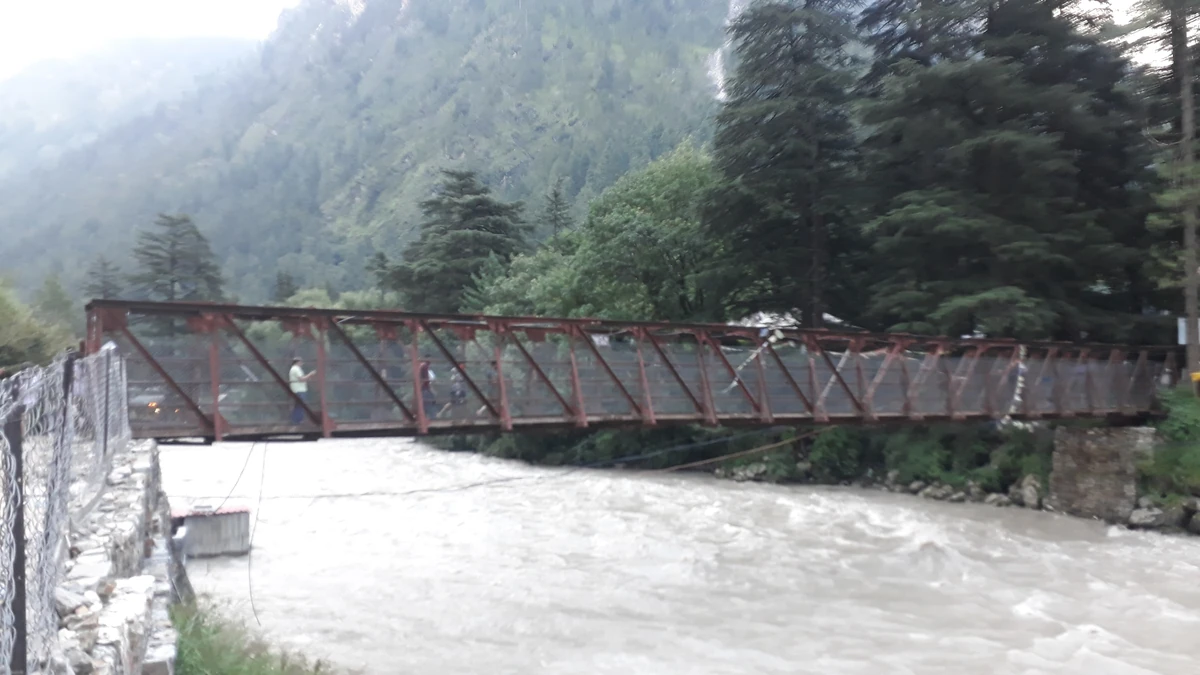 1 night · 2 days · First visitClassic
 2 nights · 3 days · First visitClassic
 2 nights · 3 days · TrekkersWalks & treks
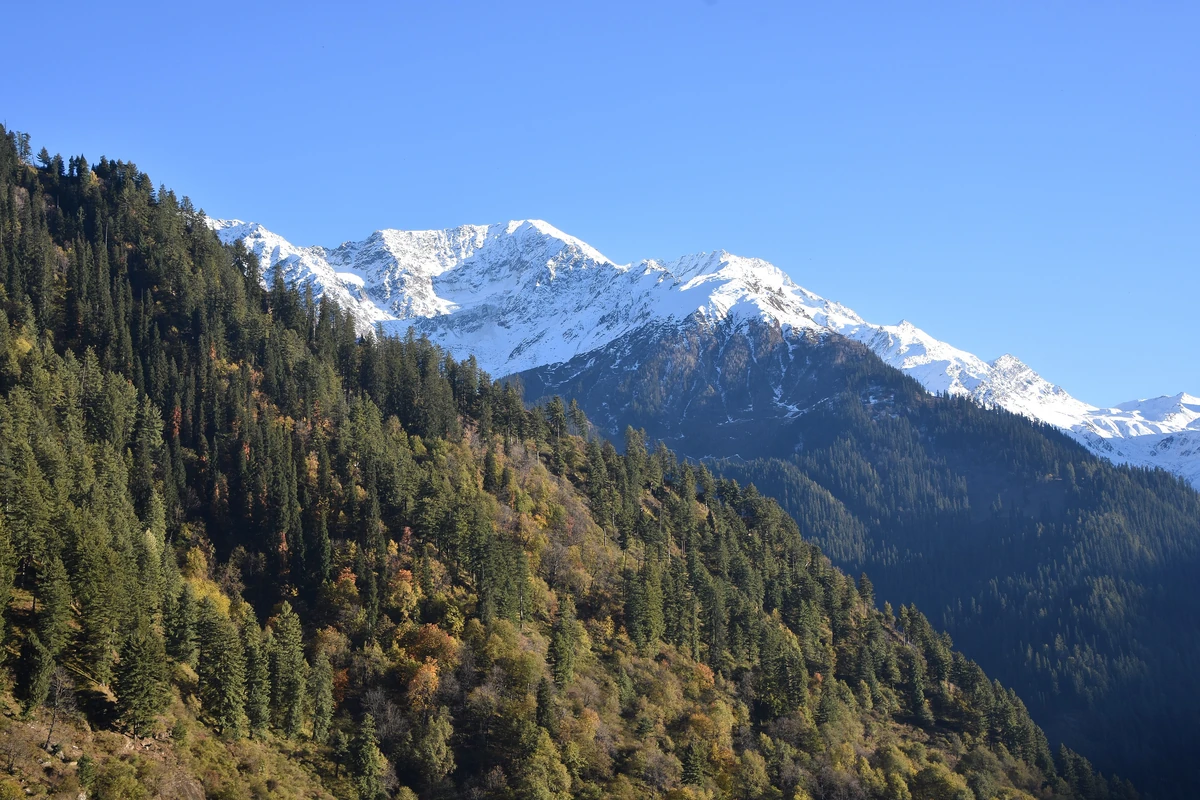 2 nights · 3 days · PhotographersAutumn
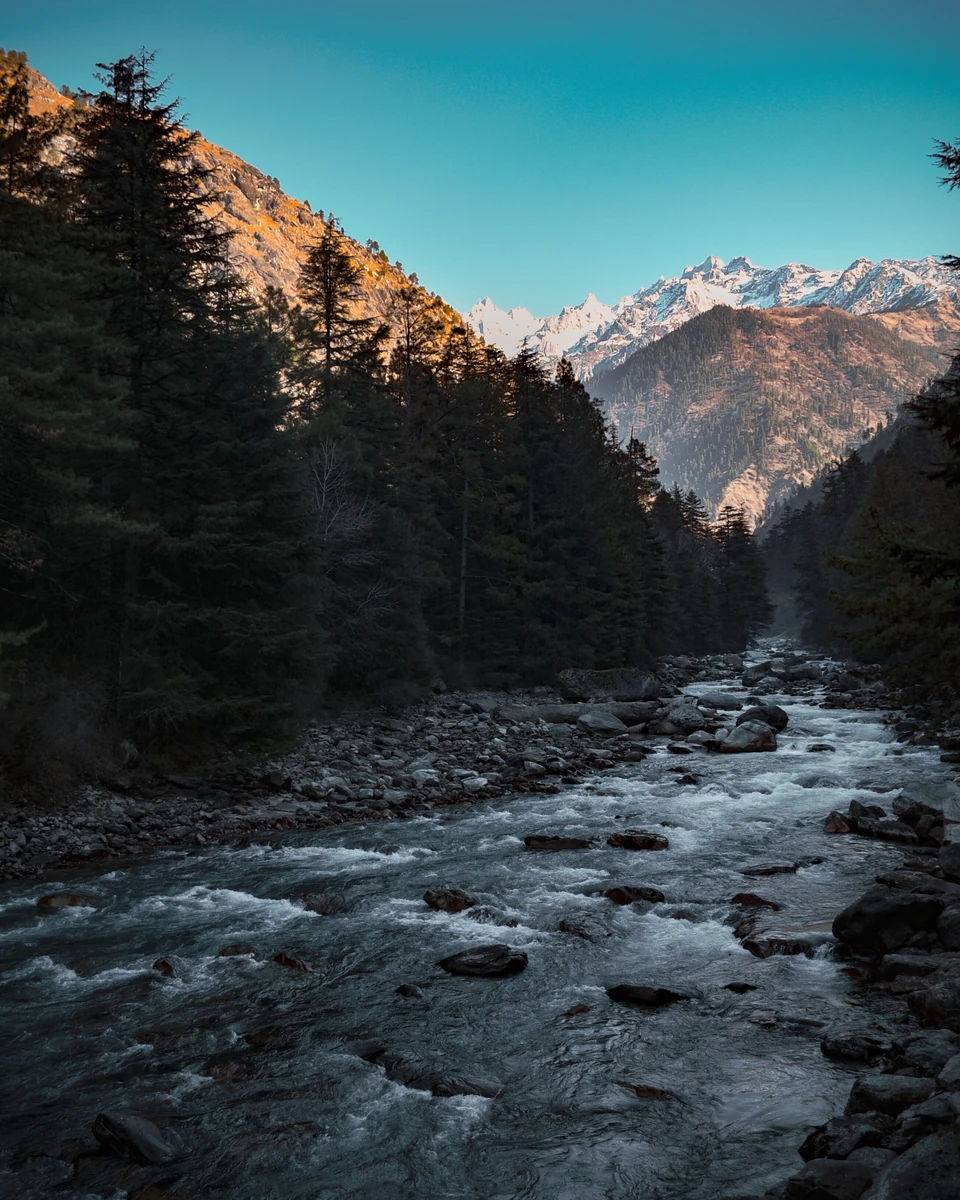 2 nights · 3 days · Slow travelMonsoon
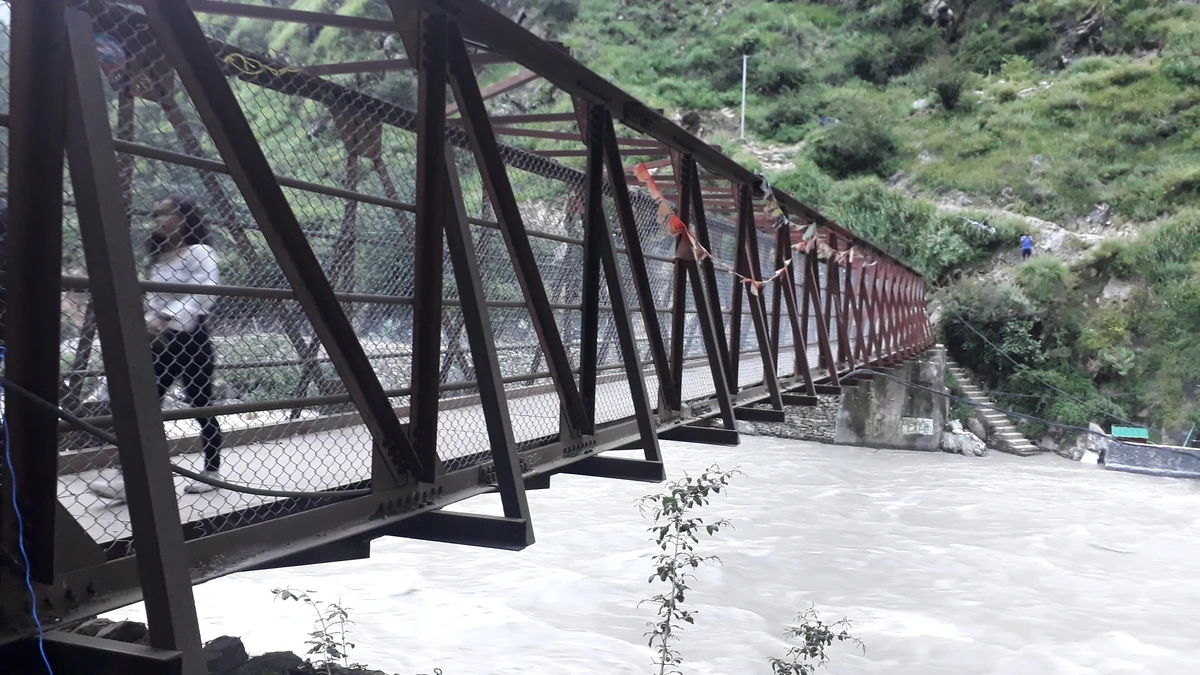 2 nights · 3 days · BudgetClassic
Questions people ask
What is Manikaran famous for?
Hot springs on the bank of the Parvati, hot enough to cook rice in, and the gurdwara built over them — Manikaran Sahib — with its free langar and its bathing tanks fed by the springs. A temple across the bridge shares the springs. It is the one place in the valley every bus stops at.
Are the hot springs at Manikaran free?
Yes. The gurdwara's tanks, the langar hall and the springs themselves cost nothing; a head covering is lent at the gate and shoes come off. The tanks are separated for men and women. Donations are welcome and not asked for.
How far is Manikaran from Kasol?
About 4 km and eight minutes by road as of September 2026, on the valley bus or a shared taxi from the market. It is a morning or an evening from Kasol; the day-trip buses fill it between eleven and four, so go early or late.
Can I stay in Manikaran?
Yes — rooms around the gurdwara and along the lane, and the gurdwara's own accommodation for pilgrims. The town is busy by day and empty by evening. For a base with more to do, Kasol and Chalal are eight minutes down the road.