Shakti Devi Temple, Chhatrari
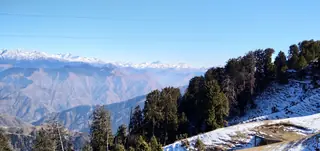
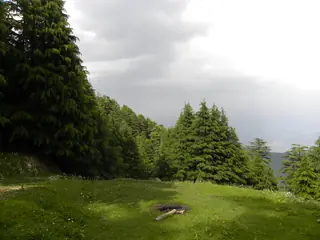
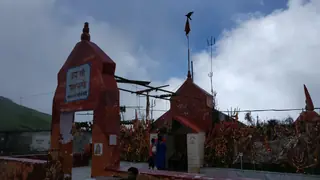
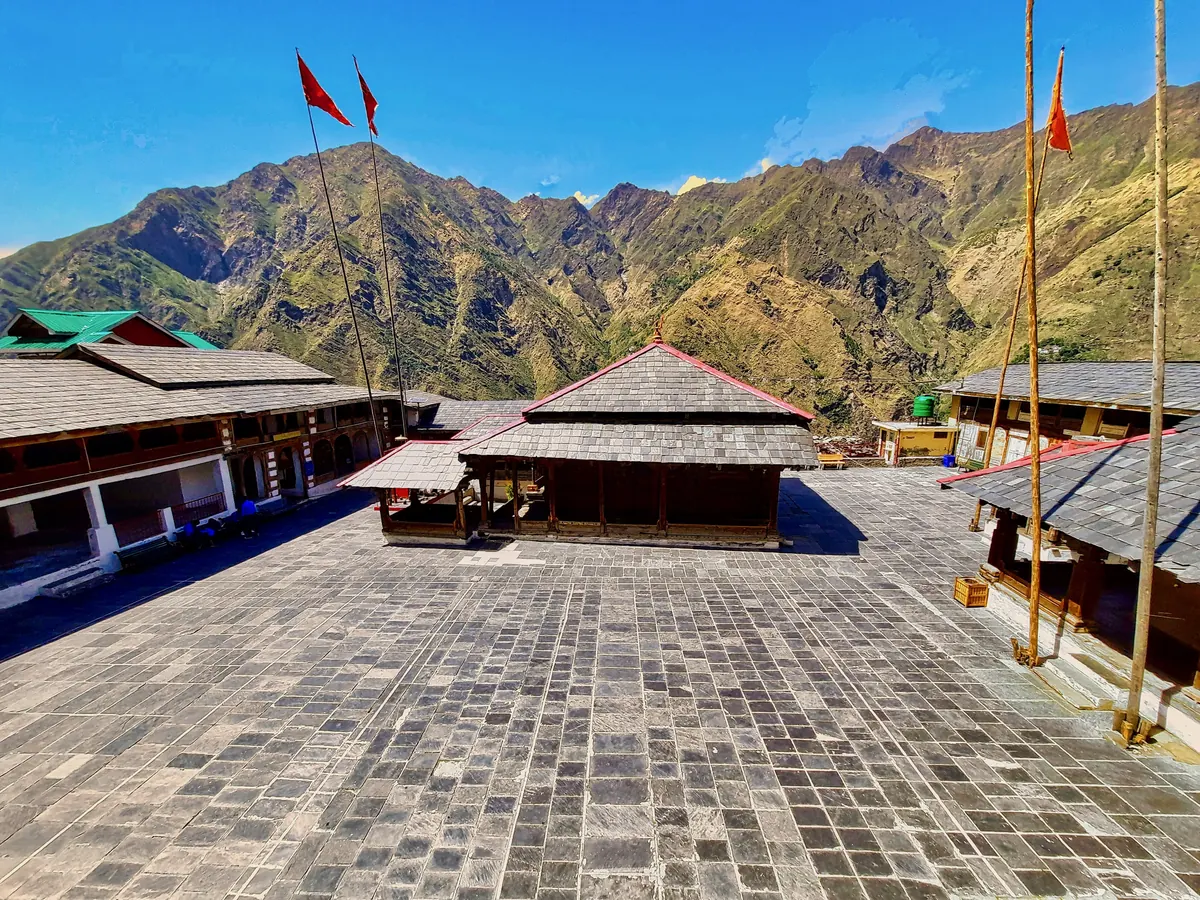
Shakti Devi Temple at Chhatrari, also spelt Chatrari, is an 8th-century wooden temple about 48 km from Chamba, with an Ashtadhatu idol and mountain views.
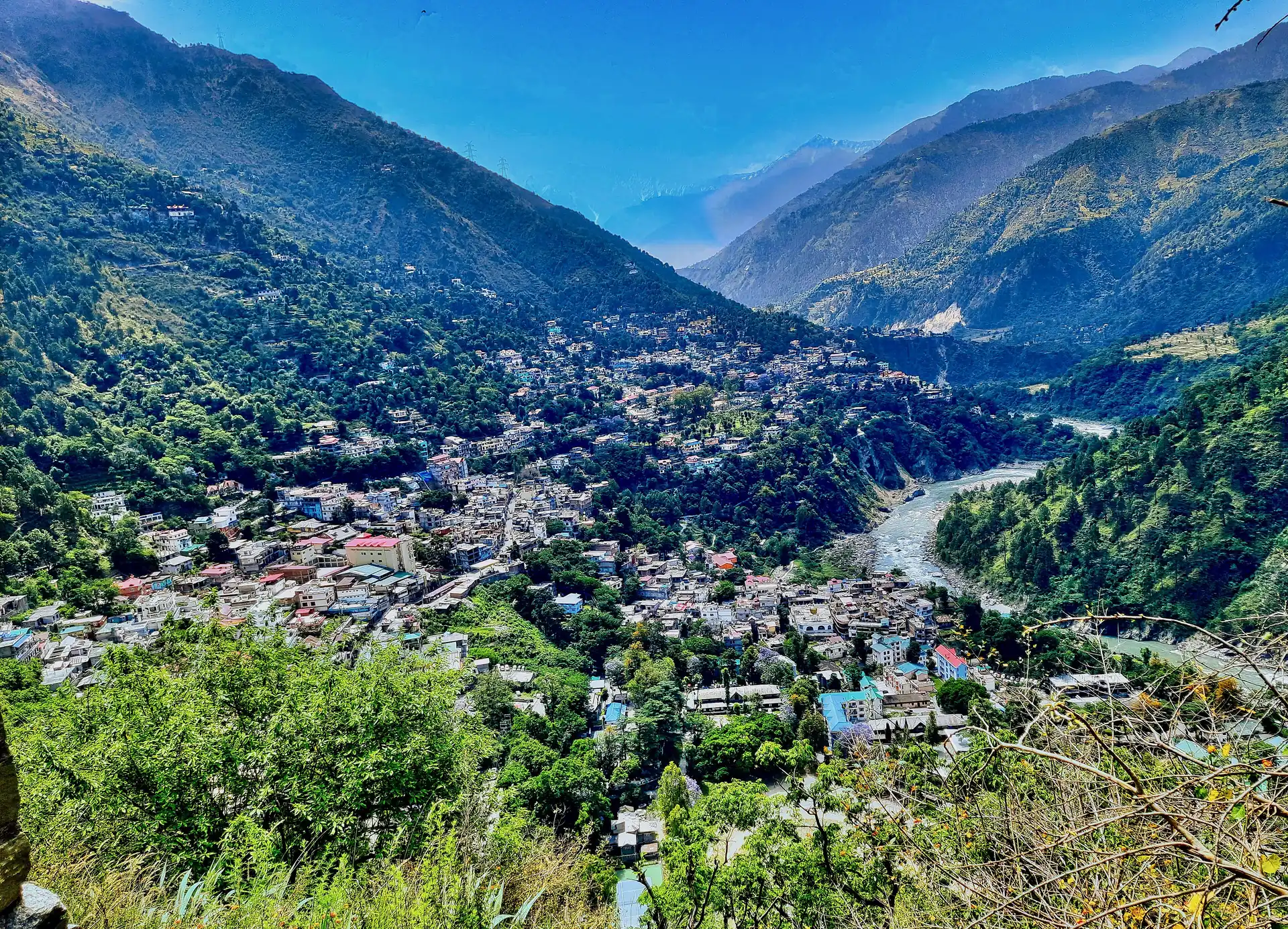
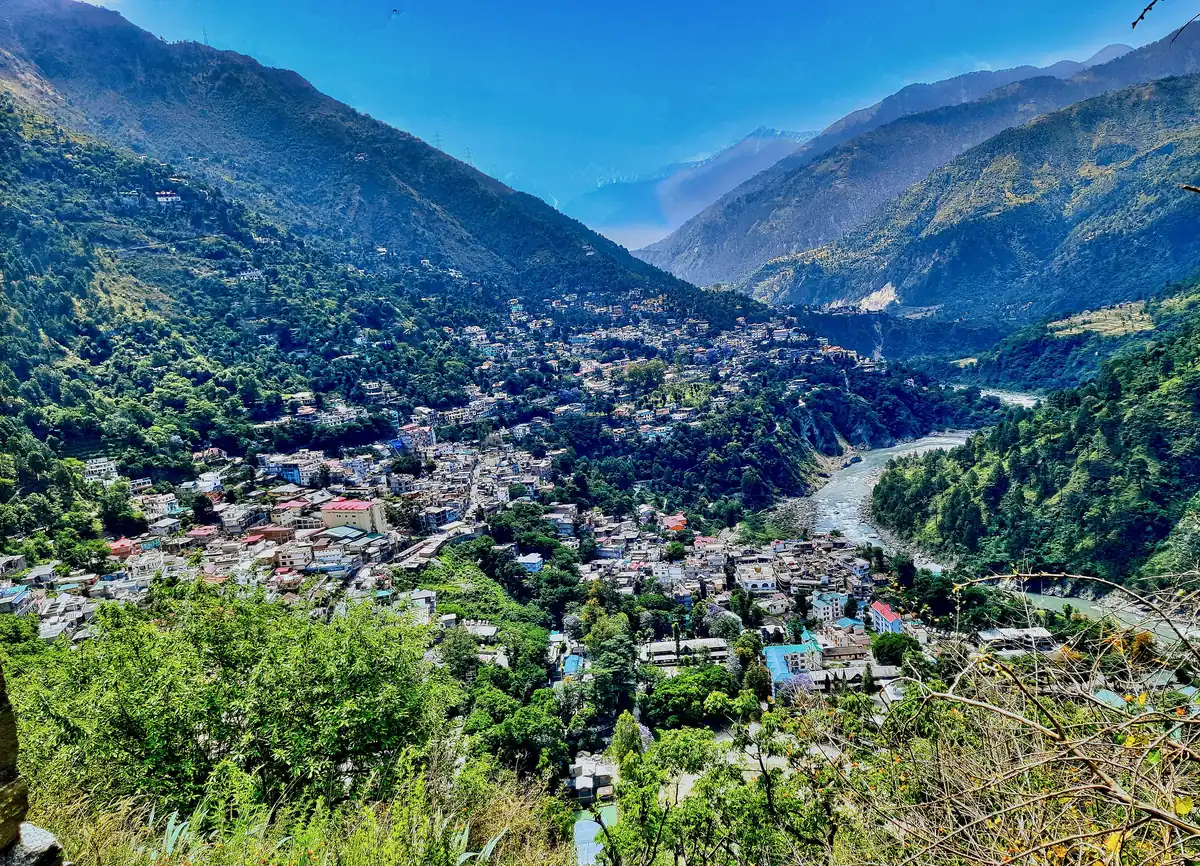
Chamba sits at 1,006 m on the Ravi, where the Sal river joins it, with the Shah Madar hill behind. Raja Sahil Varman moved his capital here from Bharmour in 920 and named the new town for his daughter Champavati. The Chamba rulers held out for about a thousand years before the British.
The old town is a walk. Champavati Temple is the temple the town is named for, and the Lakshmi Narayan temples stand a minute away. The Chaugan, a long green made in 1890, and the Bhuri Singh Museum face each other across the town's centre. Chamunda Devi Temple, a wooden temple from 1762, is up the hill. Further out, the Shakti Devi Temple at Chhatrari dates from the 8th century.
A day covers the old town; a second reaches Chhatrari. See the one-day plan and the two-day plan, things to do in Chamba, when to visit and how to reach Chamba.
Photos: Ms Sarah Welch (CC0) · Ms Sarah Welch (CC0) · Ms Sarah Welch (CC0) — via Wikimedia Commons, resized.
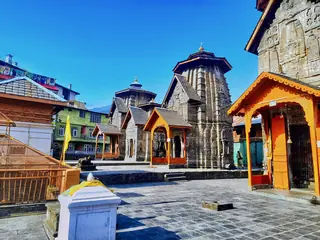
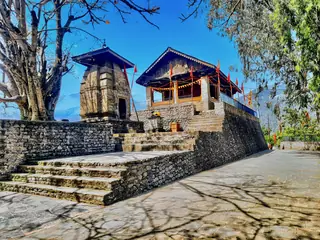
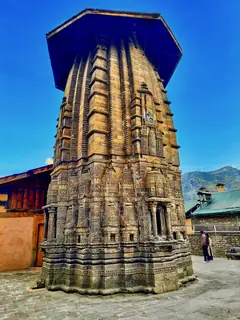
The places a Chamba day reaches, with the road time from town. Each opens on the map with its plans and pages beside it.
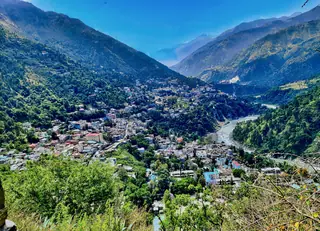
One day covers the old town on foot: Champavati Temple, the Lakshmi Narayan temples, the Bhuri Singh Museum and the Chaugan. A second day goes to Chamunda Devi Temple in the morning and the long drive out to the Shakti Devi Temple at Chhatrari, about 99 minutes each way.
Raja Sahil Varman moved his capital here from Bharmour in 920 and named it Champavati for his daughter, a name that shortened to Chamba over the years. Champavati Temple in the old town is said to mark the town's beginning, and the Archaeological Survey of India maintains it.
It begins on the first day of Baisakhi, in April, and has been held since 935. It runs for 21 days, and during it the Chaugan becomes a market. Go for the crowd and the music, or outside it for quiet temples and open lanes.
Photographs by Wikimedia Commons contributors (CC0, CC BY, CC BY-SA), resized; each picture is credited on its own page.