Bir Tibetan Colony
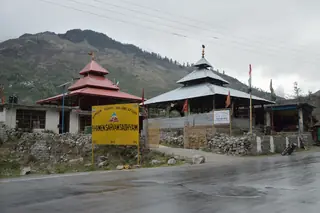
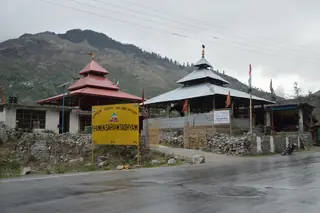
The Bir Tibetan Colony is a refugee settlement from the early 1960s with Nyingma, Kagyu and Sakya monasteries, a handicraft centre and the Deer Park Institute.
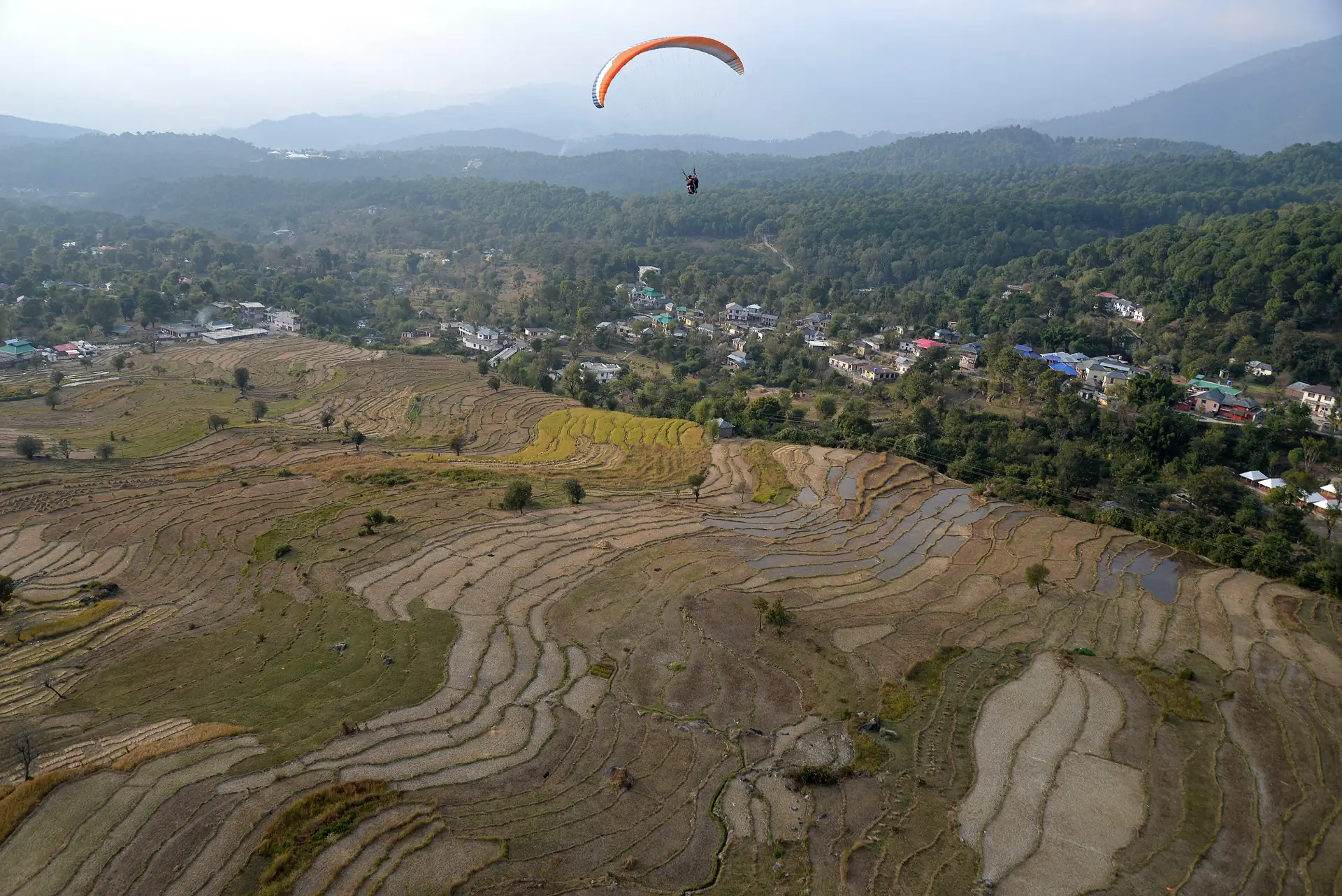
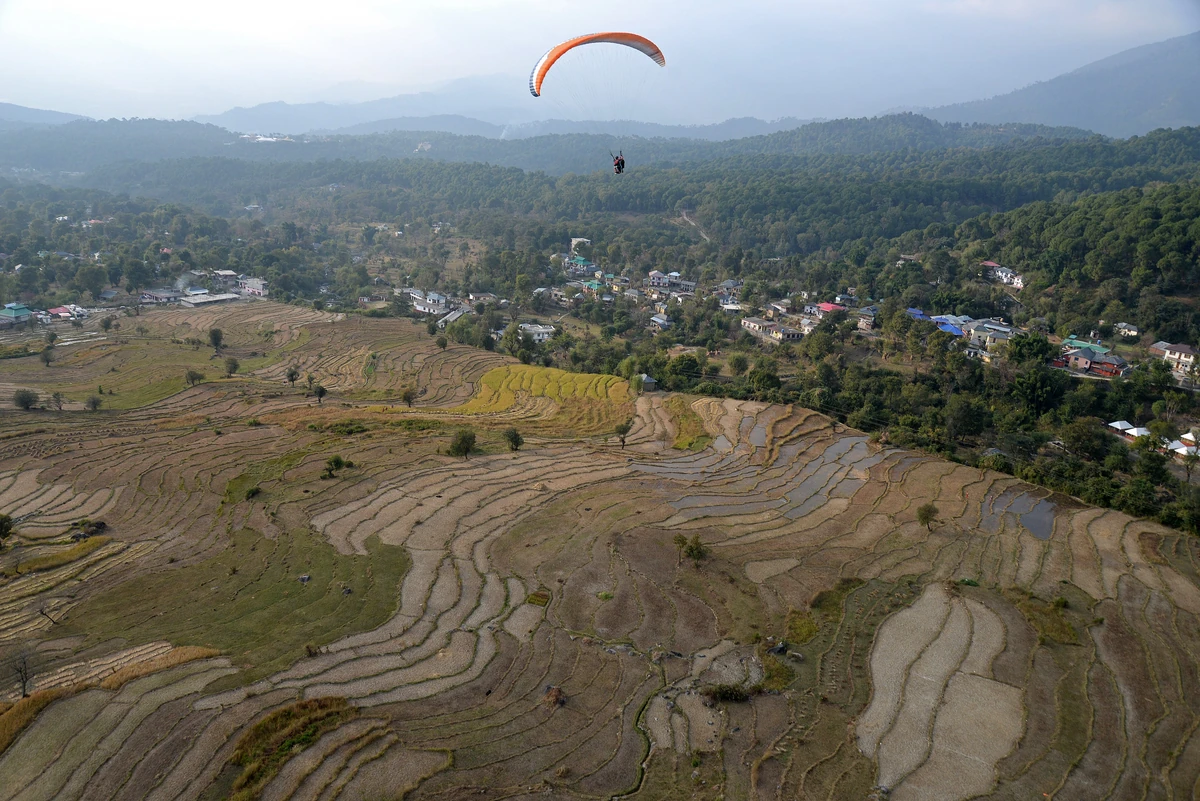
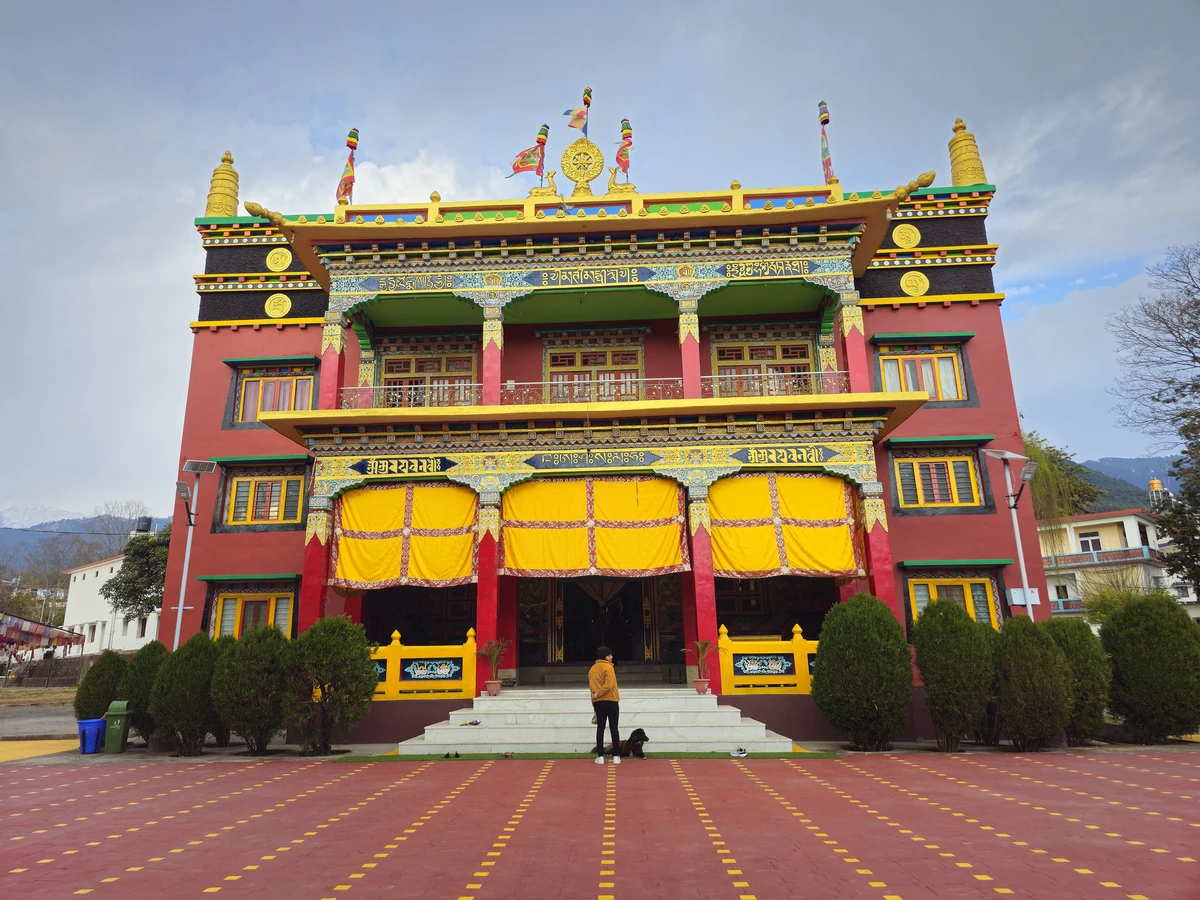
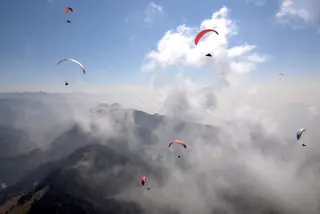
Bir is a village at 1,525 m in the Joginder Nagar Valley, with the Dhauladhar range behind it. It is two things at once. A Tibetan settlement was founded here in the early 1960s, and its monasteries still shape the village. And the launch ridge at Billing, above it, made Bir known as the paragliding capital of India.
Billing is the launch meadow, 32 minutes up the hill. Pilots glide down to the landing ground at Chowgan, on the southern edge of Bir. The Bir Tibetan Colony and Chokling Monastery are a 6-minute drive from the centre and take a slow morning on foot.
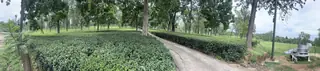
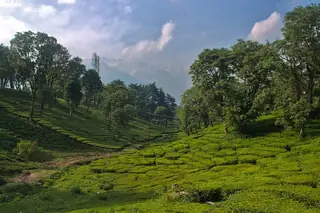
The flying season is September and October, with some flying in November, so plan the other months around the monasteries, the tea and the walks. See the one-day plan and the two-day plan, things to do in Bir, when to visit and how to reach Bir.
Photos: Fredi Bach from Switzerland (CC BY 2.0) · Gannu03 (CC BY-SA 4.0) · Original: PanWoyteczekDerivative work: UnpetitproleX (CC BY-SA 4.0) — via Wikimedia Commons, resized.
The places a Bir day reaches, with the road time from town. Each opens on the map with its plans and pages beside it.
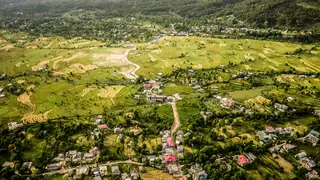
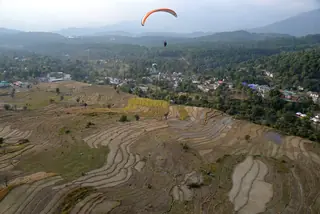
The flying season is September and October, with some flying in November, per the village's own article. The launch is at Billing, about 32 minutes by road above Bir, and pilots land at Chowgan on Bir's southern edge. Outside those months, plan monasteries and walks instead.
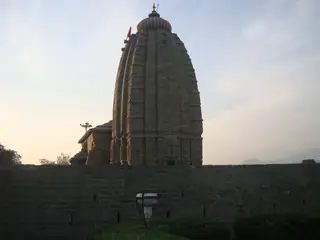
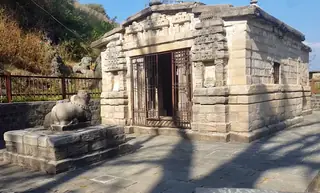
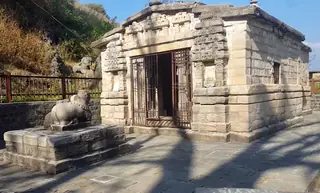
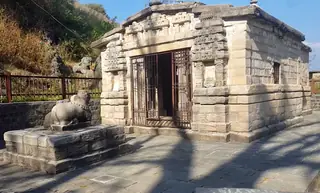
One day covers Billing, Chokling Monastery and the Tibetan Colony. A second day adds Baijnath Temple, about 28 minutes away, and the ruins at Ahju. Many visitors stay longer around the flying season or combine Bir with Palampur, which is about 55 minutes away.
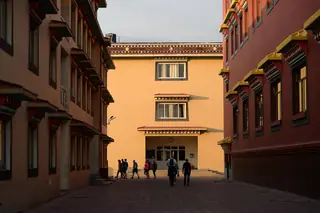
A Tibetan refugee settlement founded in the early 1960s after the 1959 uprising, at the west end of Chowgan, near Upper Bir. It houses monasteries of the Nyingma, Kagyu and Sakya traditions, a handicraft centre, a school and the Deer Park Institute.
Photographs by Wikimedia Commons contributors (CC0, CC BY, CC BY-SA), resized; each picture is credited on its own page.