Chokling Monastery, Bir
temple · 147 m away
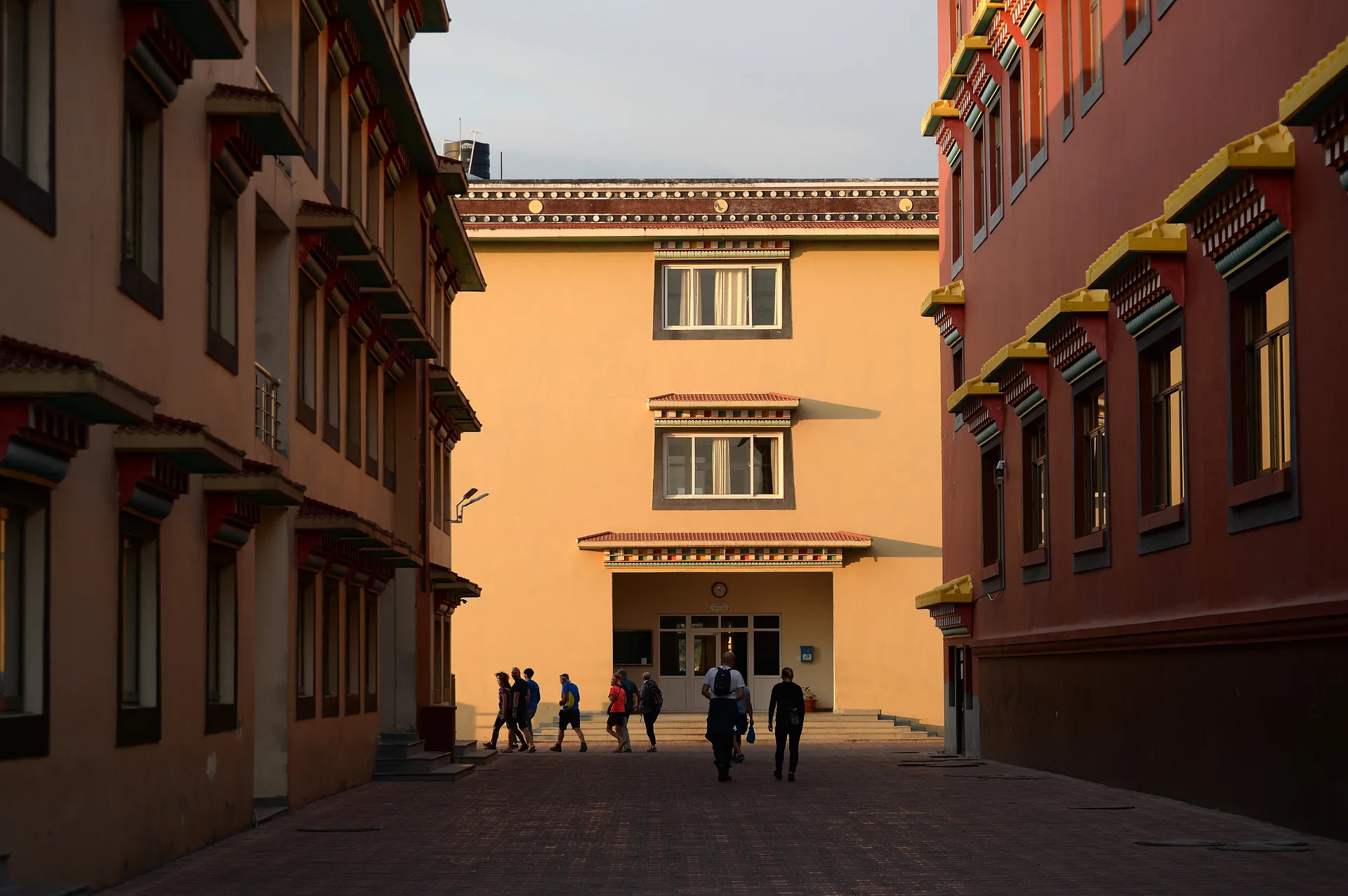
Tibetan families settled here in the early 1960s, after the Dalai Lama and many others went into exile, on the south-western edge of Bir. Locals simply call the neighbourhood the Colony.
Photos: Wojciech Kocot (CC BY-SA 4.0) — via Wikimedia Commons, resized.
It is 2 km from the centre of Bir and about 6 minutes by road. From Upper Bir it is roughly a 20-minute walk or a five-minute taxi downhill.
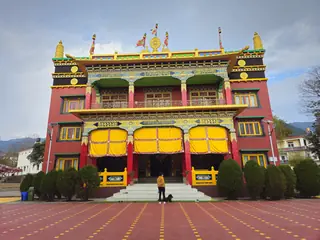
Monasteries of the Nyingma, Kagyu and Sakya schools stand in the colony, along with a Tibetan handicraft centre, a children's school, a branch of the Men-Tsee-Khang medical and astrological institute and the Deer Park Institute. Chokling Monastery, the largest, is described on its own page. Walk the lanes rather than drive them; the monasteries are small and close together.
Any month. Weekday mornings are the quietest. Rainy days suit it better than they suit the launch ridge. See when to visit Bir.
Chokling Monastery is the colony's best-known building, and Billing is the launch above. The one-day plan and the two-day plan both pass through it.
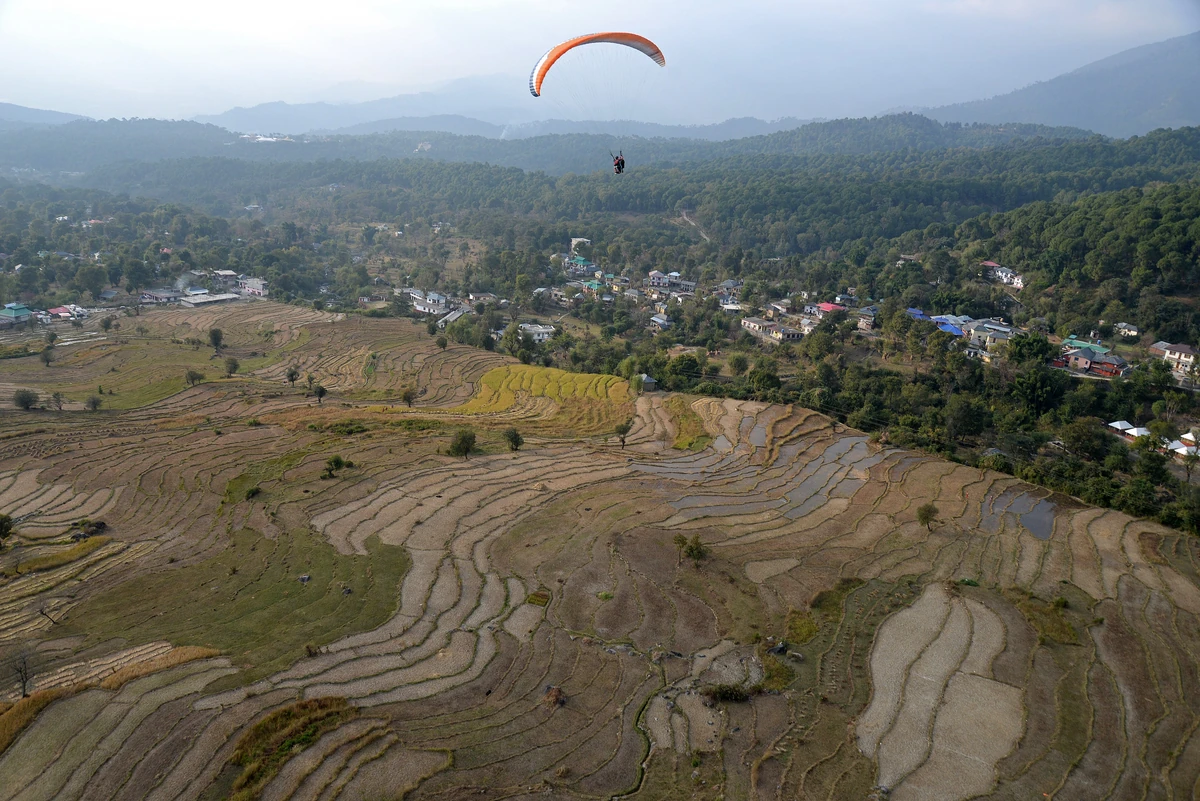
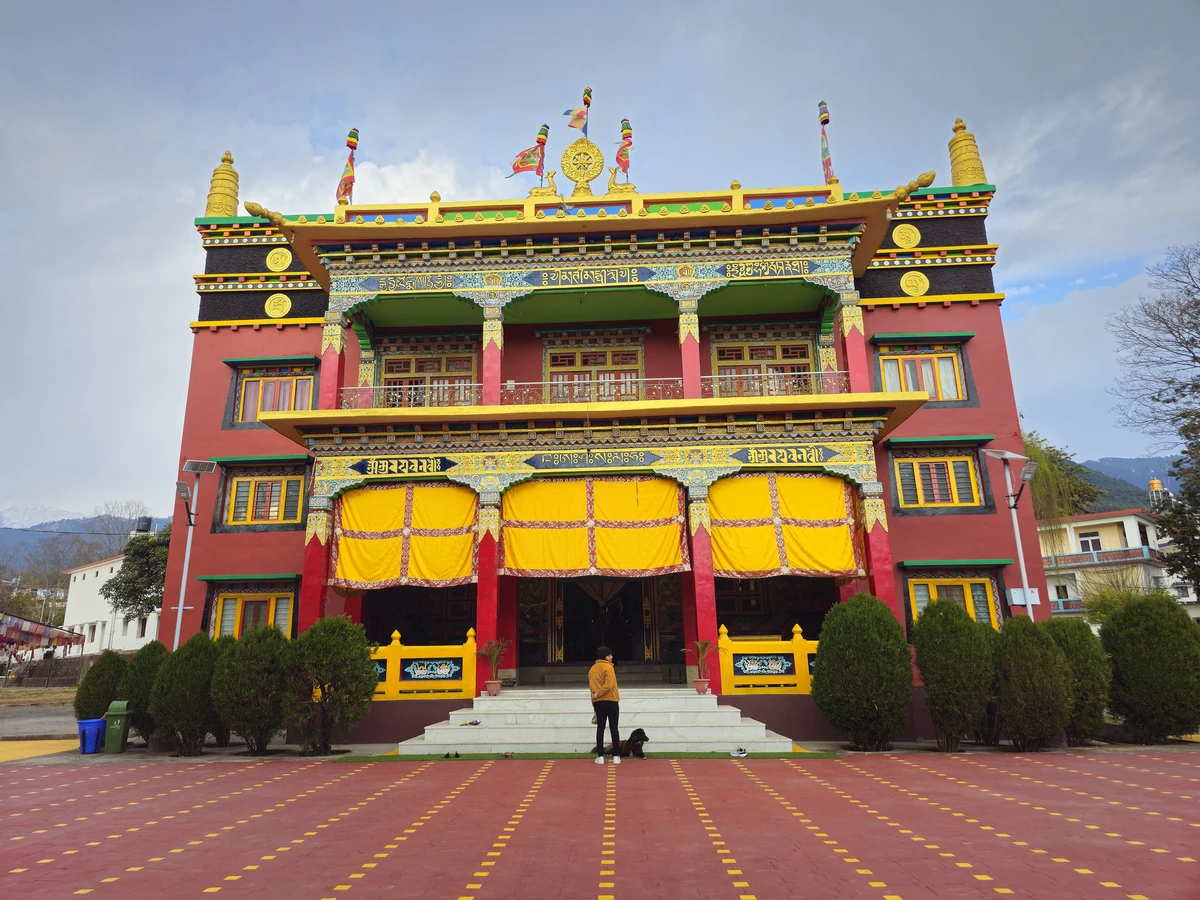
It is the neighbourhood where Tibetan families settled in the early 1960s, after the 1959 uprising, on the western edge of Chowgan. Monasteries of the Nyingma, Kagyu and Sakya schools stand here with a handicraft centre, a children's school and a branch of the Men-Tsee-Khang medical institute.
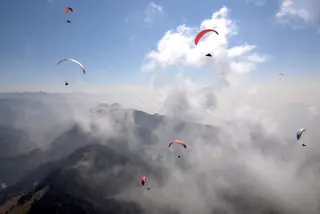
It sits about a 20-minute walk, or a five-minute taxi, below Upper Bir, the historical centre of the village. The landing ground for paragliders is on the same southern edge, so the colony and the flying finish in one place.
A study and meditation centre that Dzongsar Khyentse Rinpoche founded in the colony in March 2006, with the Dalai Lama as its patron. It hosts visiting scholars and meditation teachers for lectures and workshops, and it is one of several institutions that draw longer-stay visitors to Bir.