
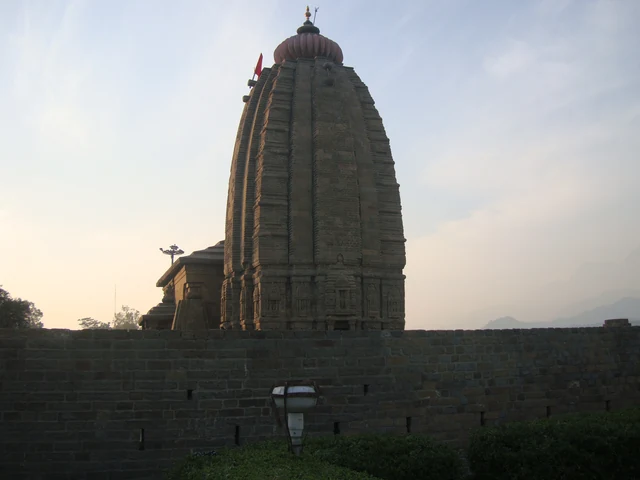
Baijnath Temple
Checked on
What it is
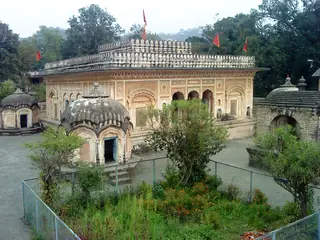
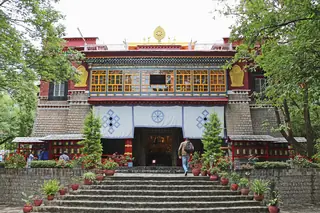
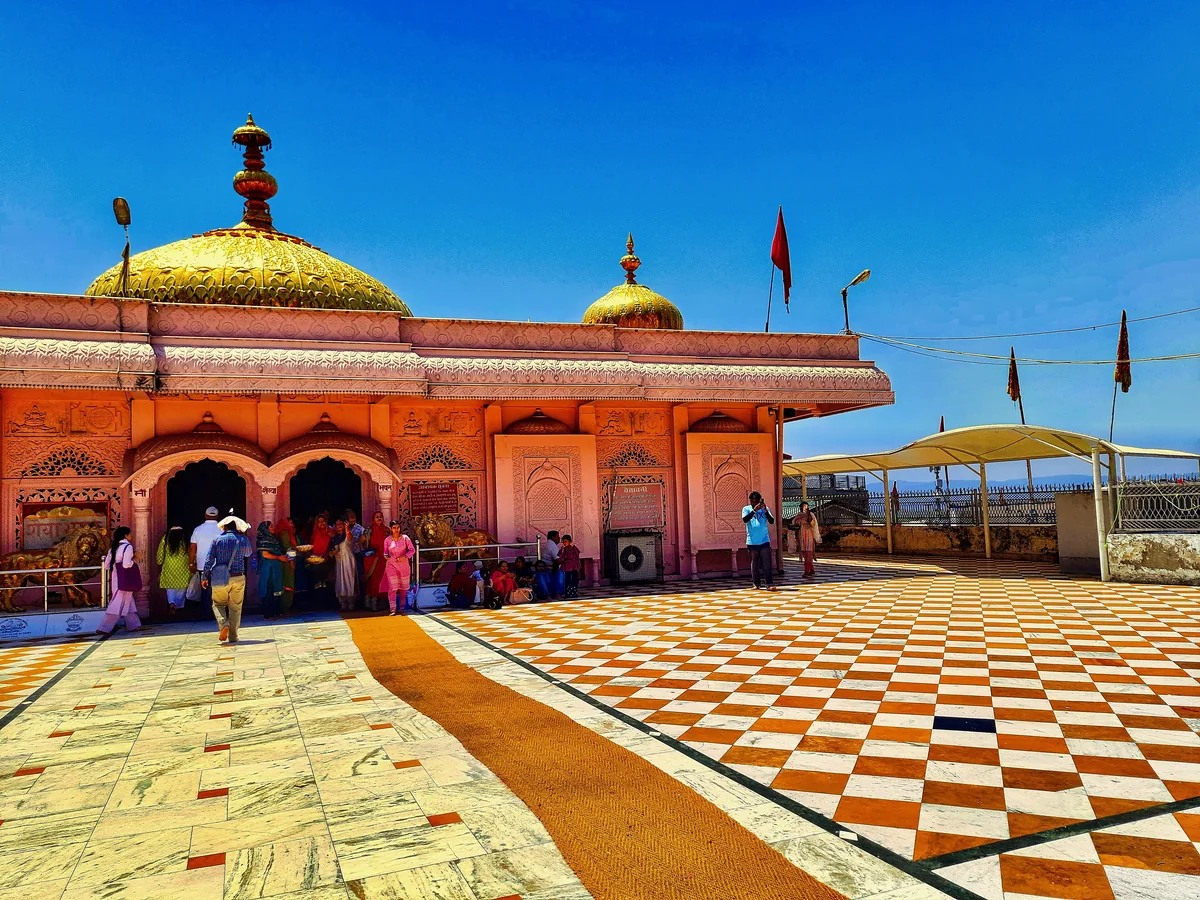
Baijnath Temple is a stone temple to Shiva as Vaidyanatha, the lord of physicians, in the town of Baijnath. Two local merchants, Ahuka and Manyuka, built the present structure in 1204 AD. The Archaeological Survey of India protects it, and it is the one historic monument near Palampur that repays a whole morning.
Photos: Ms Sarah Welch (CC0) · Ms Sarah Welch (CC0) — via Wikimedia Commons, resized.
The name: Vaidyanatha
Vaidyanatha means "the lord of physicians": Shiva is worshipped here as a healer, and official listings give the temple both names, the Baijnath Shiv temple and the Vaidyanath temple. By local tradition the town was once called Kiragrama, and it is the place where Ravana, carrying a shivling toward Lanka, set it down and could not lift it again. Because he was Shiva's devotee, Dussehra is traditionally not observed here. The whole story is in Baijnath, Vaidyanatha and why Ravan is not burnt.
Getting there
About 30 minutes and 16 km by road from Palampur, on the highway between Kangra and Mandi. It is the second day of the two-day plan. We have not measured the walk from the road to the compound gate, so allow a few minutes.
What to look at
The tower and the mandapa in front of it, then the sculpture on the walls: Ganesha, Harihara, and the wedding of Shiva and Parvati are among the figures. Two long inscriptions in the main hall, in Sharada and Takri scripts, record how the temple was built. Small shrines sit inside the compound around the main one.
The temple came through the 1905 earthquake that devastated the Kangra valley with minor damage, though smaller shrines in the yard and part of the roof were hurt. Ruler Sansar Chand had restored it after taking control of Kangra Fort in 1786.
When to go
March to May or October and November, when the Dhauladhar range is clear behind the wall. The wet months of July and August make the drive slower. See when to visit Palampur.
Around it
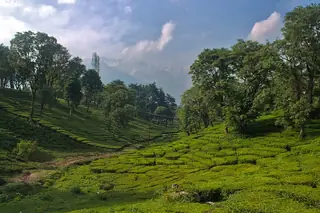
The tea gardens are the natural contrast on the way back. The one-day plan covers the tea and Andretta, and things to do in Palampur lists every stop.
Watch our reel
Going to Palampur?
 Two days in Palampur — tea, Andretta and Baijnath Temple1 night · 2 days, ready to copy and change
- Stays in PalampurCompare live prices
- See it on the map
- Send this on WhatsApp
Reels from these places: follow @himlocal.in on Instagram
Run a café, a stay or a trek company near Baijnath Temple, Himachal Pradesh? List it on HimLocal →




Plans that include this
All 2 plans that stop here →

Nearby places
All of Palampur →

Nearby destinations
All destinations →
Questions people ask
Who built Baijnath Temple, and when?
Two local merchants, Ahuka and Manyuka, built the present temple in 1204 AD. It is a Nagara-style stone temple dedicated to Shiva as Vaidyanatha, the lord of physicians. Inscriptions inside say an earlier Shiva temple stood on the same ground before it.
What is inside Baijnath Temple?
The sanctum holds a Shiva lingam. Two long inscriptions in the main hall, in Sharada and Takri scripts, list the builders and donors. Sculptures of Ganesha, Harihara and Shiva's wedding are carved on the walls, and small shrines stand around the compound.
Why is Dussehra not celebrated at Baijnath?
By local tradition, Ravana carried a shivling toward Lanka and set it down here, at a place then called Kiragrama, and it settled as Ardhanarishwar. Out of respect for his devotion to Shiva, Dussehra has never been celebrated at the temple.
What does Vaidyanatha mean, and what is the old name of the town?
Vaidyanatha means the lord of physicians, so at Baijnath Shiva is worshipped as a healer, and official listings give the temple both names. By local tradition the place was called Kiragrama when Ravana set the shivling down here, and Dussehra is not observed.