
Baijnath, Vaidyanatha and why Ravan is not burnt
The name on the gate
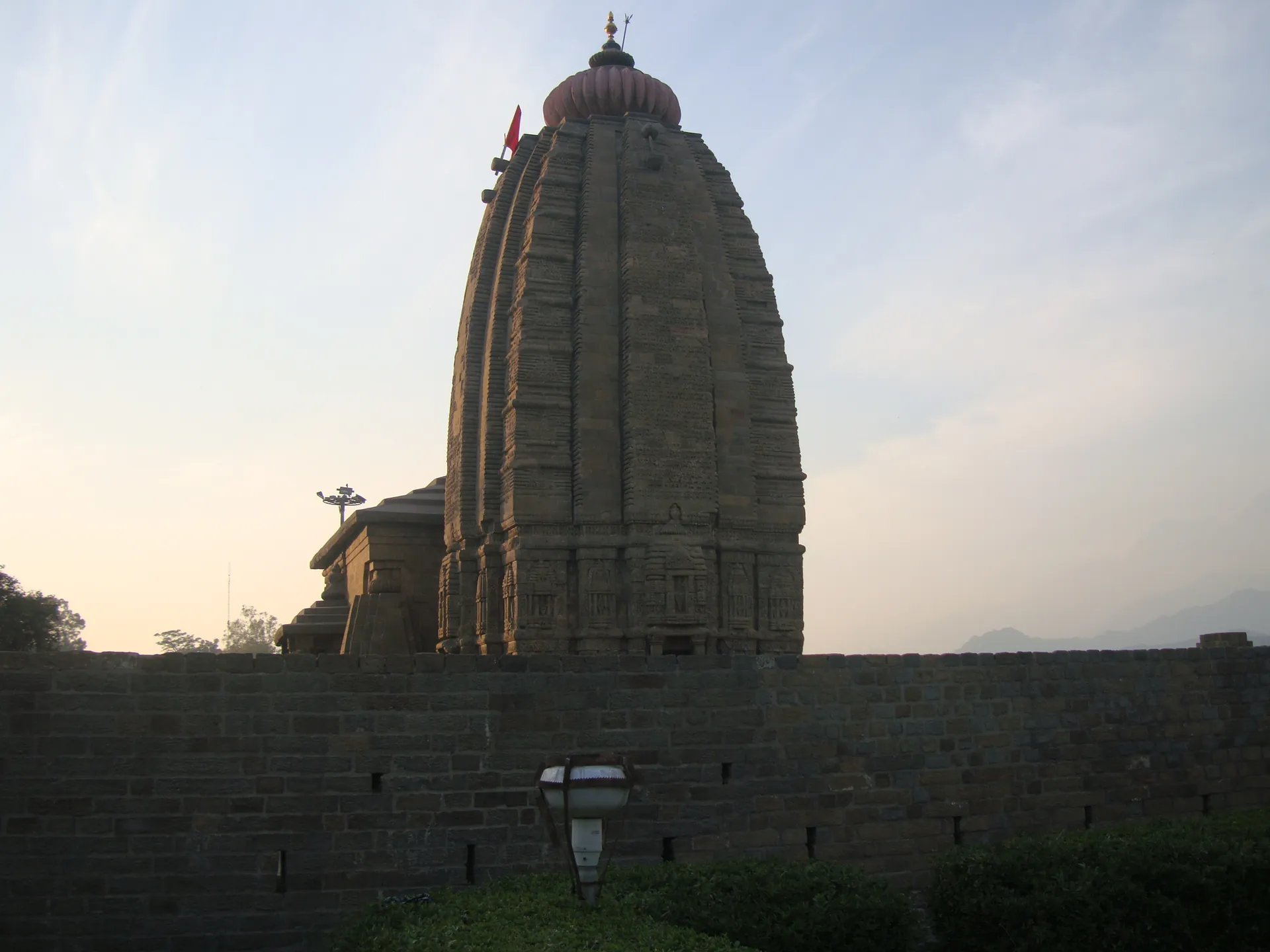
Baijnath Temple is a temple to Shiva as Vaidyanatha, "the lord of physicians". Here he is worshipped as a healer, which is why you will also see it called the Vaidyanath temple. It stands in the town of Baijnath, about 30 minutes and 16 km from Palampur, and it is the Kangra valley's best-known Shiva shrine. Its own page, Baijnath Temple, has the architecture and the visit.
The temple in a paragraph
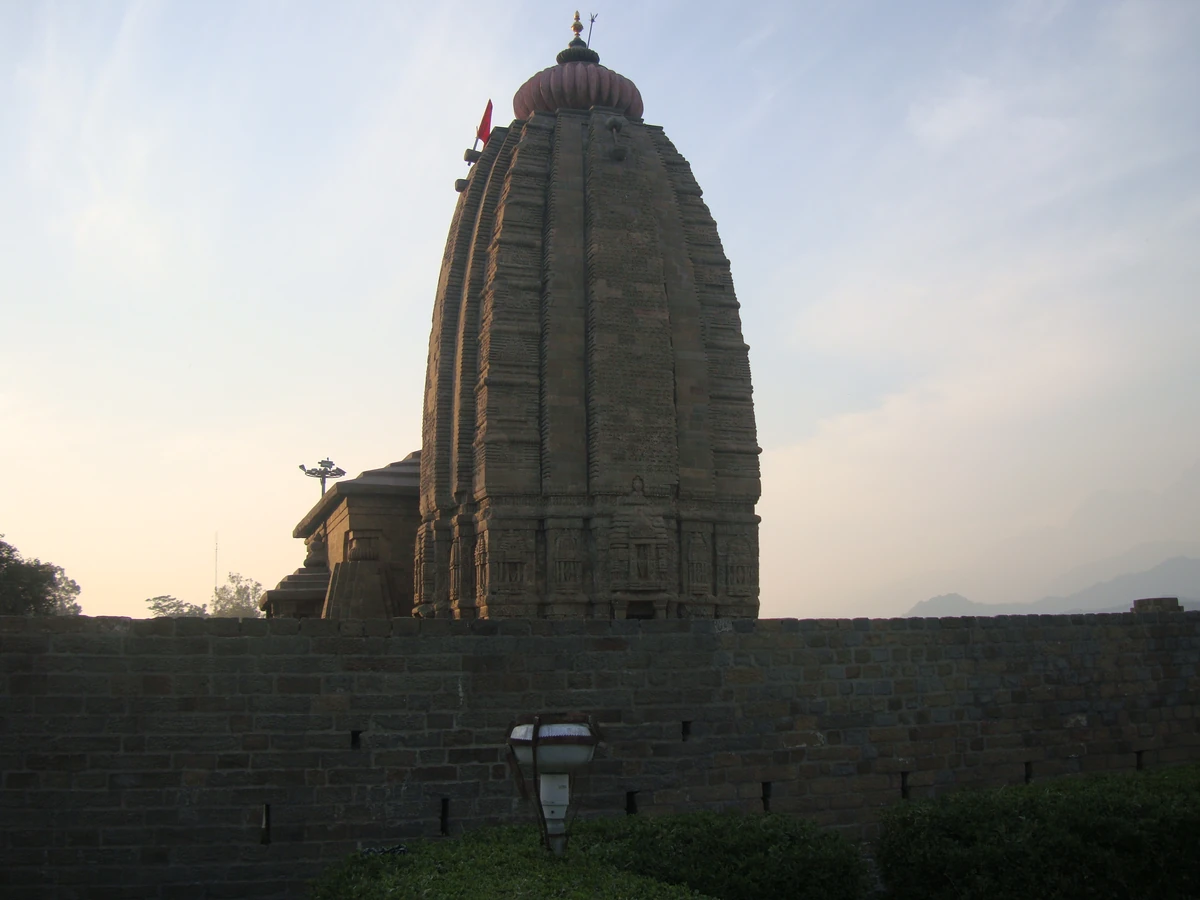
Two local merchants, Ahuka and Manyuka, built the present stone temple in 1204 AD, on the ground of an older Shiva shrine. It is in the Nagara style, with a tower over the sanctum and a hall in front. Two long inscriptions in the hall, in Sharada and Takri scripts, name the builders. The Archaeological Survey of India protects it.
The tradition: why Ravan is not burnt
The story told here is about Ravana. Carrying a shivling toward Lanka, he is said to have set it down at this spot, then called Kiragrama, and it would not be lifted again. Ravana was a devotee of Shiva, and out of respect for that devotion the Dussehra festival, which ends with burning his effigy, is traditionally not observed at Baijnath.
It is a local tradition rather than a written rule, and we have no official programme to quote. Treat it as the way the town explains itself.
What to look at
The tower and the hall in front of it first, then the carved figures on the outer walls. Look for Ganesha, Harihara and the wedding of Shiva and Parvati. Inside the compound are smaller shrines, and the inscriptions are in the hall. Maha Shivaratri is the festival the temple is known for, but we have no verified dates or programme, so ask locally.
Getting there and when
Baijnath is on the highway between Kangra and Mandi, about 30 minutes by road from Palampur, so a taxi suits it. It is the second day of the two-day plan, and the one-day plan covers the tea country instead. March to May and October to November give the clearest view of the Dhauladhar behind the wall; see when to visit Palampur.
Around Baijnath
The tea gardens are the natural contrast on the way back, and things to do in Palampur lists every stop. Bir, with its Tibetan colony and the paragliding launch, is close enough to pair with Baijnath: see the Bir guide.
Plans that include this
All Palampur itineraries →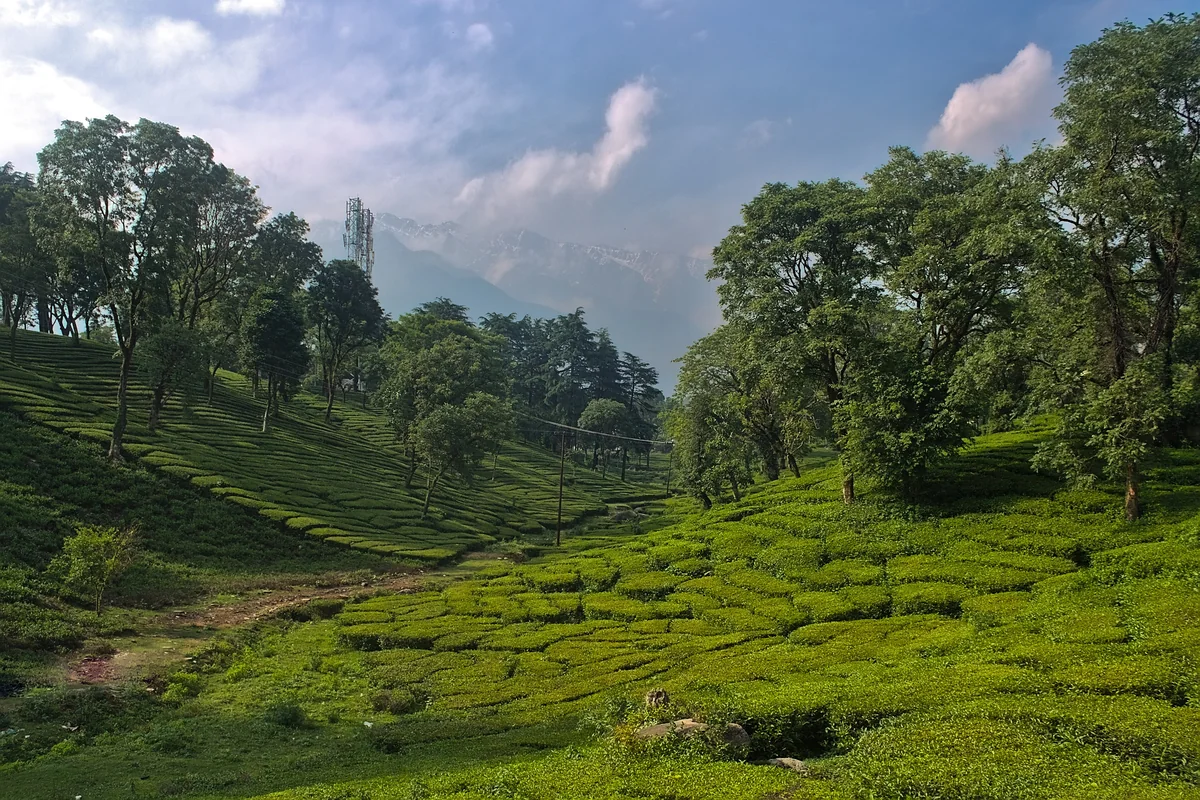
Questions people ask
What does Vaidyanatha mean at Baijnath?
Vaidyanatha means the lord of physicians. At Baijnath, Shiva is worshipped in that form, as a healer, and the temple is listed under both names, the Baijnath Shiv temple and the Vaidyanath temple. It is the Kangra valley's principal Shiva shrine, a short drive from Palampur.
Why is Dussehra not celebrated at Baijnath?
By local tradition, Ravana set a shivling down here while carrying it toward Lanka, and it stayed. Because he was Shiva's devotee, the festival that ends with burning his effigy is traditionally not observed at Baijnath. It is a tradition, not a written rule, so ask locally.
Who built Baijnath Temple, and when?
Two local merchants, Ahuka and Manyuka, built the present Nagara-style temple in 1204 AD. Inscriptions say an earlier Shiva shrine stood on the same ground. The Archaeological Survey of India now protects the temple, which is the oldest well-preserved monument near Palampur.
Is there a festival at Baijnath Temple?
Maha Shivaratri is the festival the temple is known for. We have no verified dates, programme or crowd figures for it, so check locally before planning around it. At other times of year the temple is a quiet morning visit from Palampur.