
The best time to visit Palampur
What the numbers are
Palampur's Wikipedia article carries a monthly table taken from Climate-Data.org. Those figures are modelled, not India Meteorological Department normals, so treat them as indicative. One value looks off: the August low of 20°C sits above July's, so we quote highs and rainfall and only one low.
March to May — the clear spring
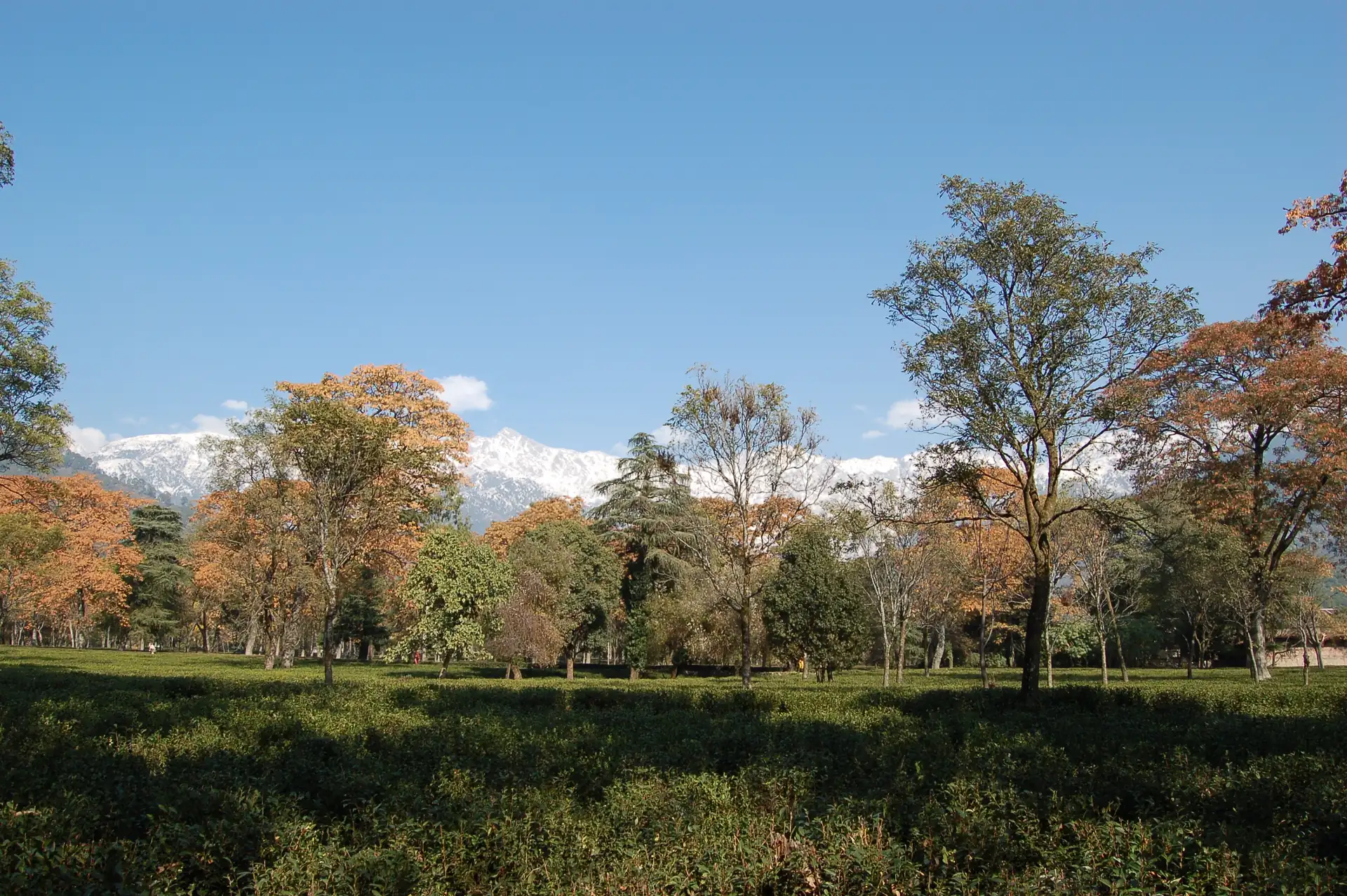
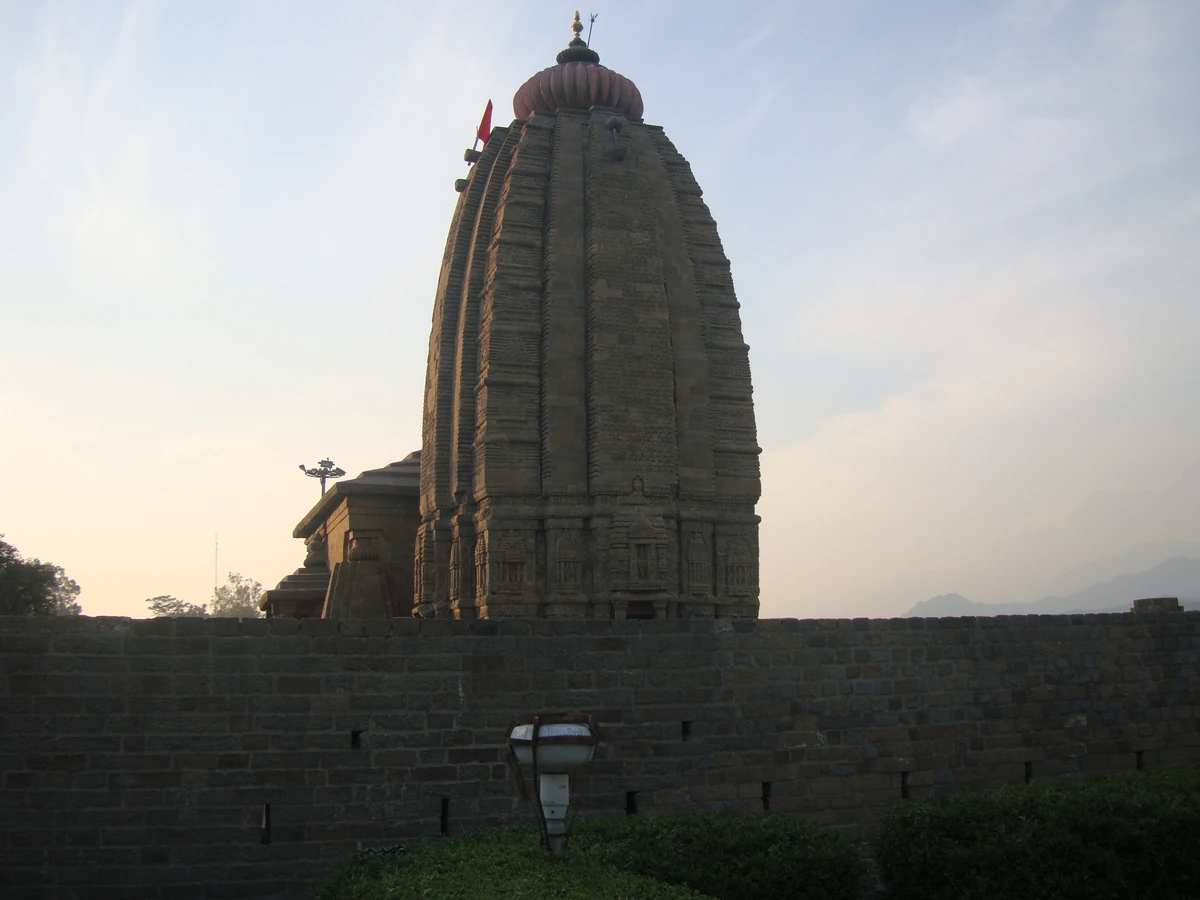
Highs climb from 18.1°C in March through 24.1°C in April to 25.7°C in May, and rain falls to 54 mm in April and 56 mm in May. The tea gardens and Baijnath Temple are both at their best now.
June to September — the monsoon
June brings 136 mm, then July 710 mm and August 738 mm. September still takes 324 mm. Cloud sits on the Dhauladhar for weeks, so the views the town is known for are the first thing lost.
October and November — dry and clear
Rain drops to 72 mm in October and 23 mm in November, and highs ease from 23.4°C to 20.6°C. This is the other best window, with crisp mornings over the terraces.
December to February — cool and grey
January highs are near 12.8°C and lows near 1.8°C, with 119 mm of rain in January and 94 mm in February. It is a quiet, cool stretch with occasional clear days.
The short version
March to May or October to November. Avoid July and August. The Palampur guide has the plans, and things to do in Palampur lays out the stops.
Plans that include this
All Palampur itineraries →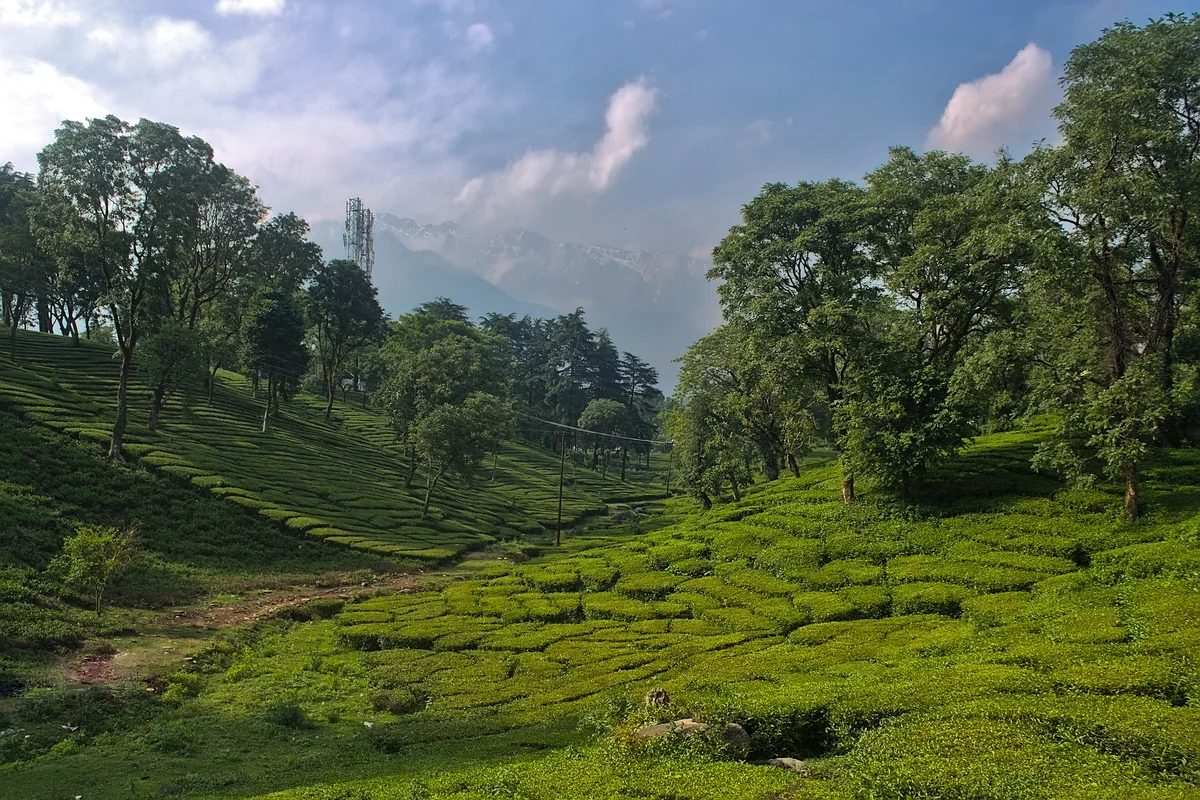
Questions people ask
Which month is best for Palampur?
March to May, or October and November. Highs run about 18–26°C in spring and 21–23°C in autumn, and rain is light, at 54 mm in April and 23 mm in November. Both windows show the Dhauladhar range clearly behind the tea gardens.
How wet is the monsoon in Palampur?
Very wet. July brings about 710 mm and August 738 mm on the modelled figures, far above any other month. Tea and temple days suffer, since cloud hides the range and lanes turn slick, so keep July and August for the town itself.
Is Palampur cold in winter?
Cool rather than freezing. January highs are about 13°C and lows near 2°C on the modelled figures, with January and February each taking about 94–119 mm of rain. Pack layers and expect grey days, though clear ones show fresh snow on the range.