
The best time to visit Mandi
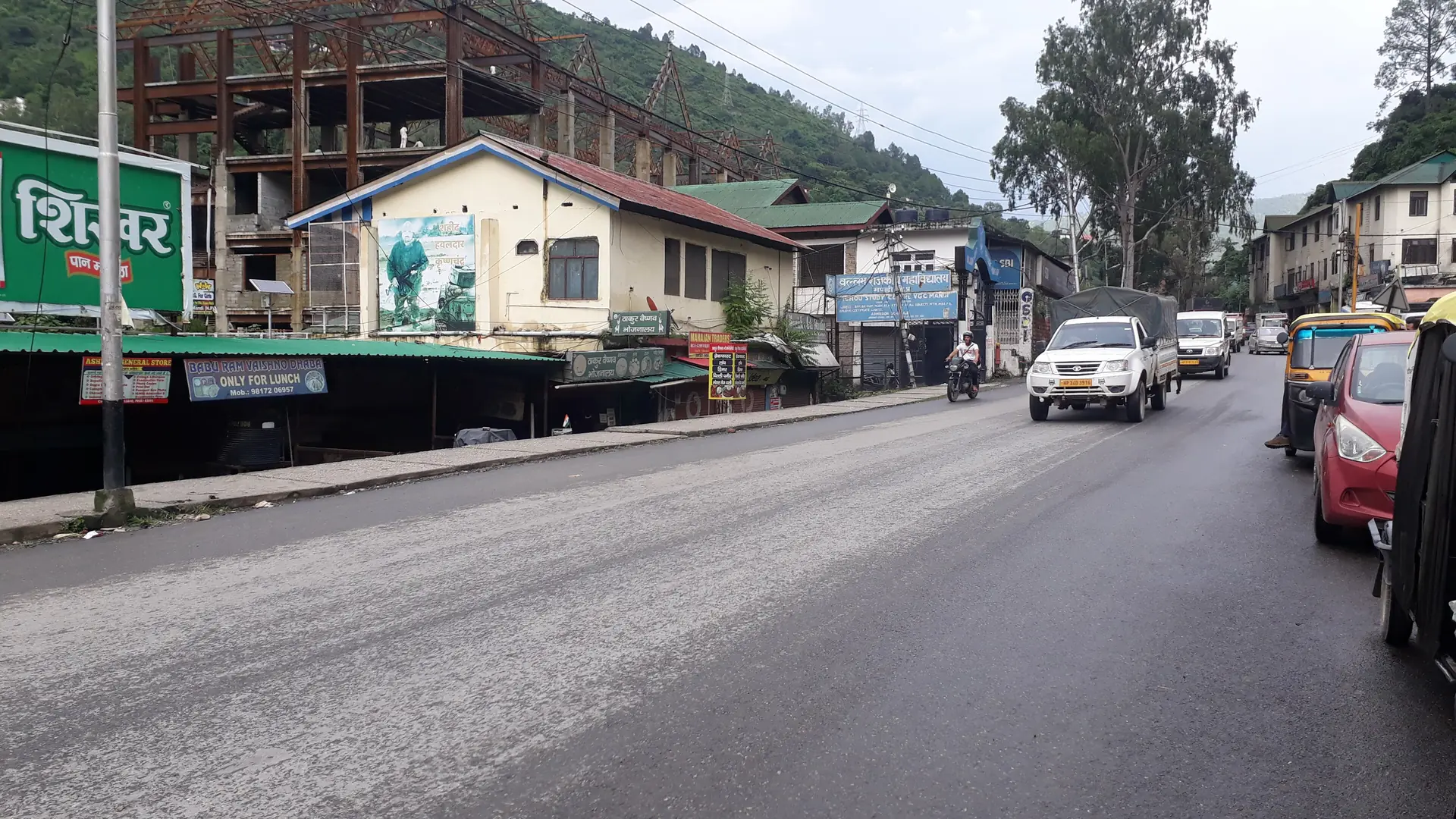
A valley town, not a hill station
Mandi's own IMD normals (1991–2020) show a climate genuinely different from Himachal's higher hill stations — at 880 m, summers here run hot rather than cool, and winters stay mild rather than snowy.
March and April — spring, before the real heat
Highs climb from 27.8°C in March to 32.4°C in April on the record — warm, but still short of the summer peak. A reliable window for Trilokinath, Ardhnareshwar and Panchvaktra temples all in the same morning.
May and June — genuinely hot
Highs reach 33.1°C in May and 33.8°C in June on the record — real summer heat at this lower altitude, a sharp contrast to Himachal's cooler hill stations further up. Early mornings are the better time for the temple circuit in town during these two months specifically.
July and August — by far the wettest months
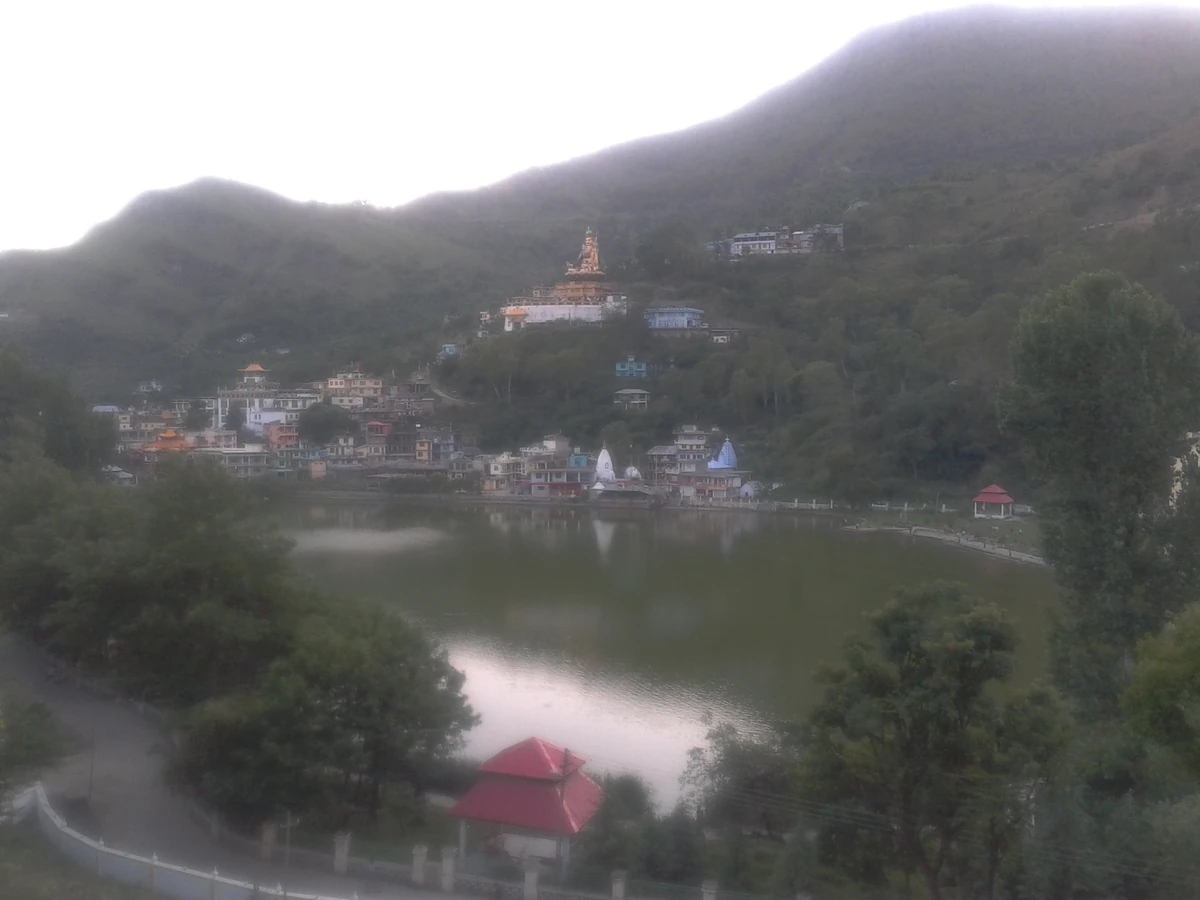
Mandi's own record shows 235.7 mm of rain in July and 292.7 mm in August — together well over half the whole year's rain. Roads to Rewalsar Lake and Pandoh Dam can see delays after heavy spells during these two months.
> entirely — the altitude gain there makes wet-weather trekking both unpleasant and genuinely risky.
September to November — rain drops off, cooler and clearer
The monthly rain total falls sharply after September, leaving a long, clear, comfortable stretch through November — a classic window for the district's temples and day trips alike.
December to February — mild, not cold
Winter here stays notably mild for Himachal — January highs still reach 20.6°C on the record. Snow is far more likely up at Prashar Lake's 2,730 m than anywhere in Mandi town itself.
The short version
March, April, or September through November for the fullest circuit, Rewalsar Lake and Pandoh Dam included. Avoid banking on cool weather in May or June specifically. The Mandi guide has the rest.
Plans that include this
All Mandi itineraries →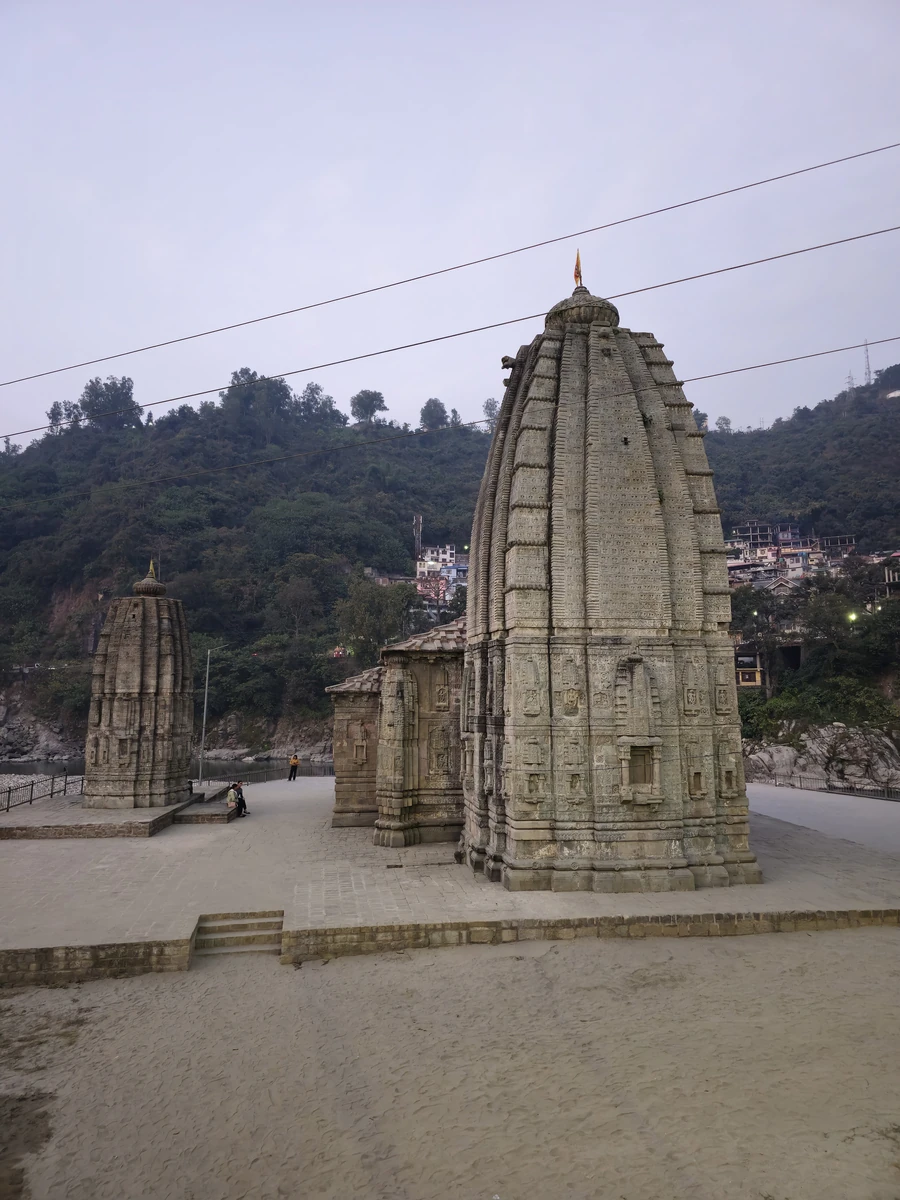
Questions people ask
Which month is best for Mandi?
March and April, or September through November — both sit outside the genuinely hot summer and the heavy June–August monsoon, when Mandi's own IMD record shows 235.7 mm and 292.7 mm of rain in July and August respectively.
Is Mandi hot in summer?
Yes, noticeably so — highs reach 33.8°C in June on the record, at a much lower altitude of 880 m than the region's higher hill stations. Come prepared for genuine heat rather than the cool mountain escape higher towns offer.
Does Mandi see snow in winter?
Rarely, at the town's own lower altitude — winter here is mild by Himachal standards, with January highs still reaching 20.6°C on the record. Snow is far more likely up at Prashar Lake, at 2,730 m, than in Mandi town itself.