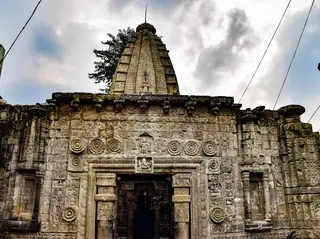
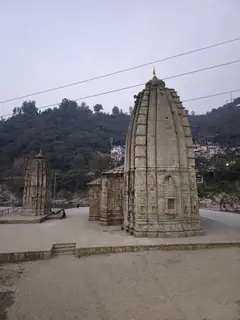
Panchvaktra Temple
temple · 613 m away
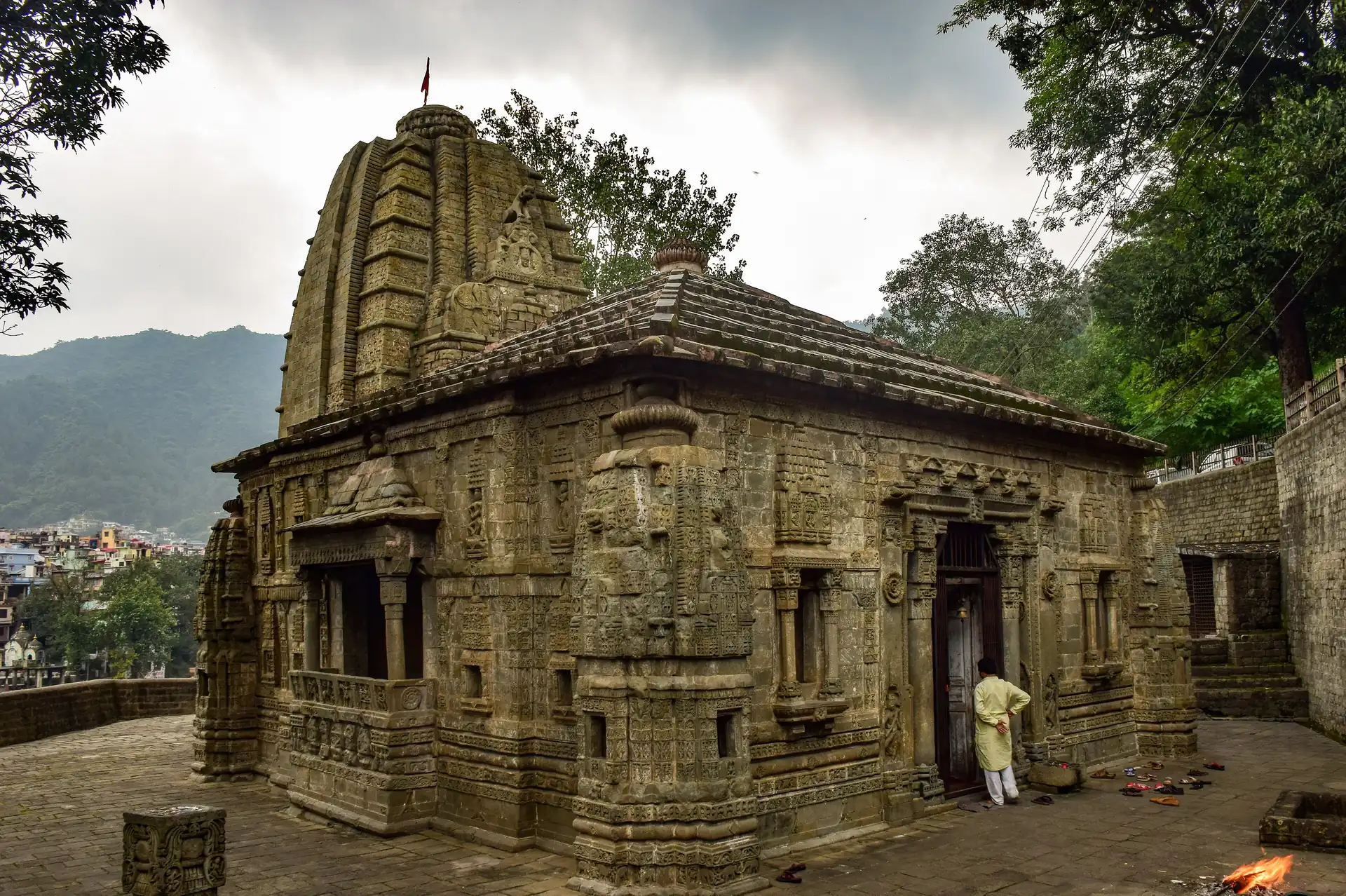
On the right bank of the Beas River, a short drive from Mandi's centre, Trilokinath Temple holds a three-faced murti of Shiva. That image gives the temple its name, "Lord of Three Worlds." Both locals and visiting pilgrims turn up here regularly, and the calendar fills with temple festivals across the year.
About 3 minutes by road from central Mandi, roughly 1 km — the closest of the three main temple stops, an easy add-on to any visit in town.
The three-faced image at the centre of the temple is the specific reason for the name, and a detail worth looking for closely rather than glancing past. Stone carving around the shrine reflects the same age as Mandi's other old Shaivite temples, several of which sit within a few minutes' drive of this one.
> together give a real sense of Mandi's own temple density without a long day of driving.
March, April, September, October or November — outside the hottest summer highs and the heaviest of the monsoon rain that Mandi's own IMD record shows for June through August.
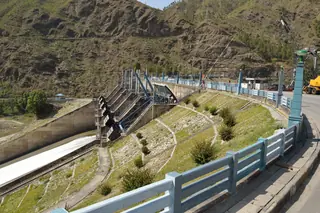
Ardhnareshwar Temple and Panchvaktra Temple, both a few minutes away, fill out the one-day loop from Mandi itself. Pandoh Dam and Rewalsar Lake, further out, are the natural second day — see the two-day plan.
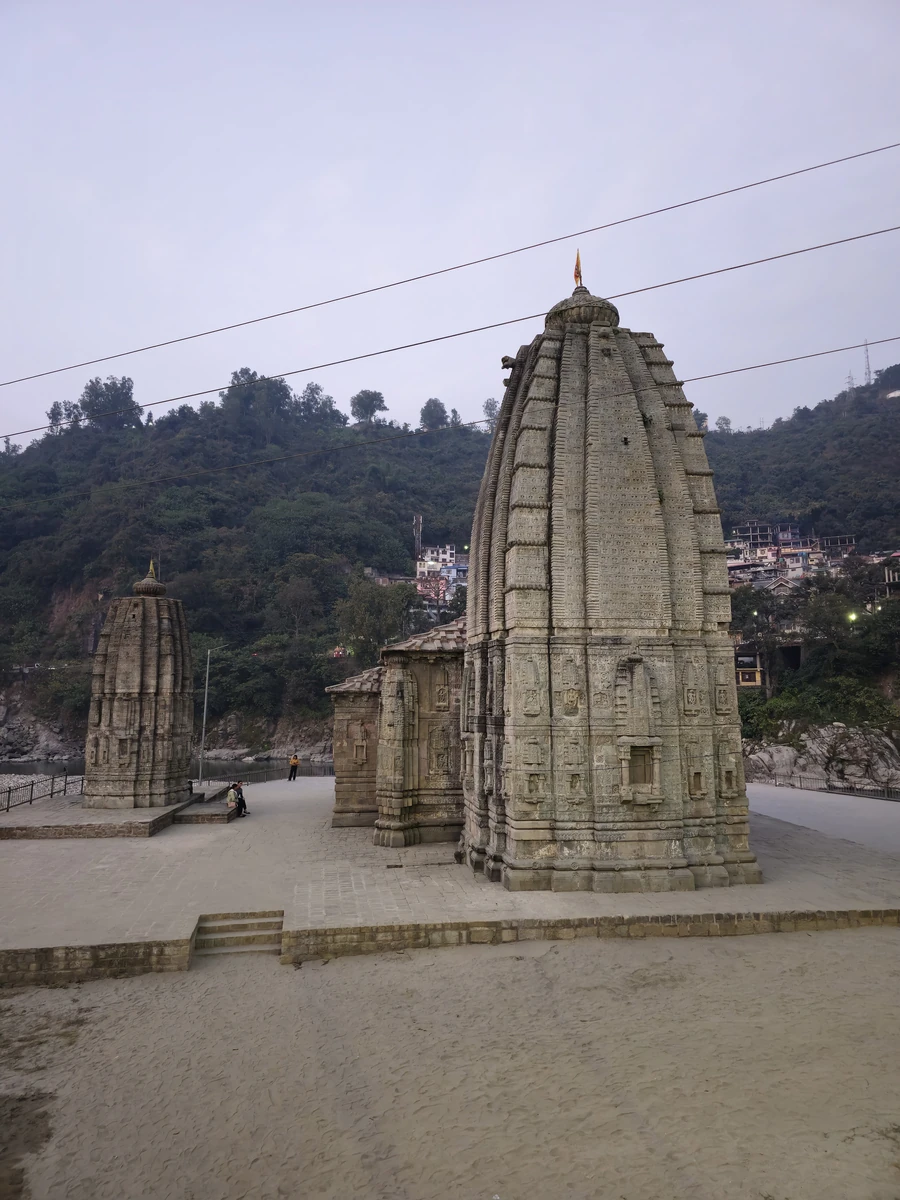
Lord of Three Worlds — the name comes from the temple's own three-faced murti, or image, of Shiva. It's one of the more distinctive dedications among Mandi's dense cluster of old Shaivite stone temples scattered around the wider town.
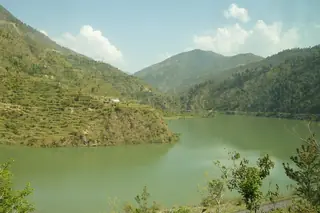
On the right bank of the Beas River, one of the closest temple stops to central Mandi. Its riverside position places it within easy reach of the town's other close-in temples on the same short outing, without much driving required.
Regularly, yes — both tourists and pilgrims turn up here, and the temple's own festival calendar keeps it active through much of the year. Expect a mix of casual visitors and devotees rather than a quiet, empty shrine on most ordinary days of the week.