Batseri
town · 14.1 km away
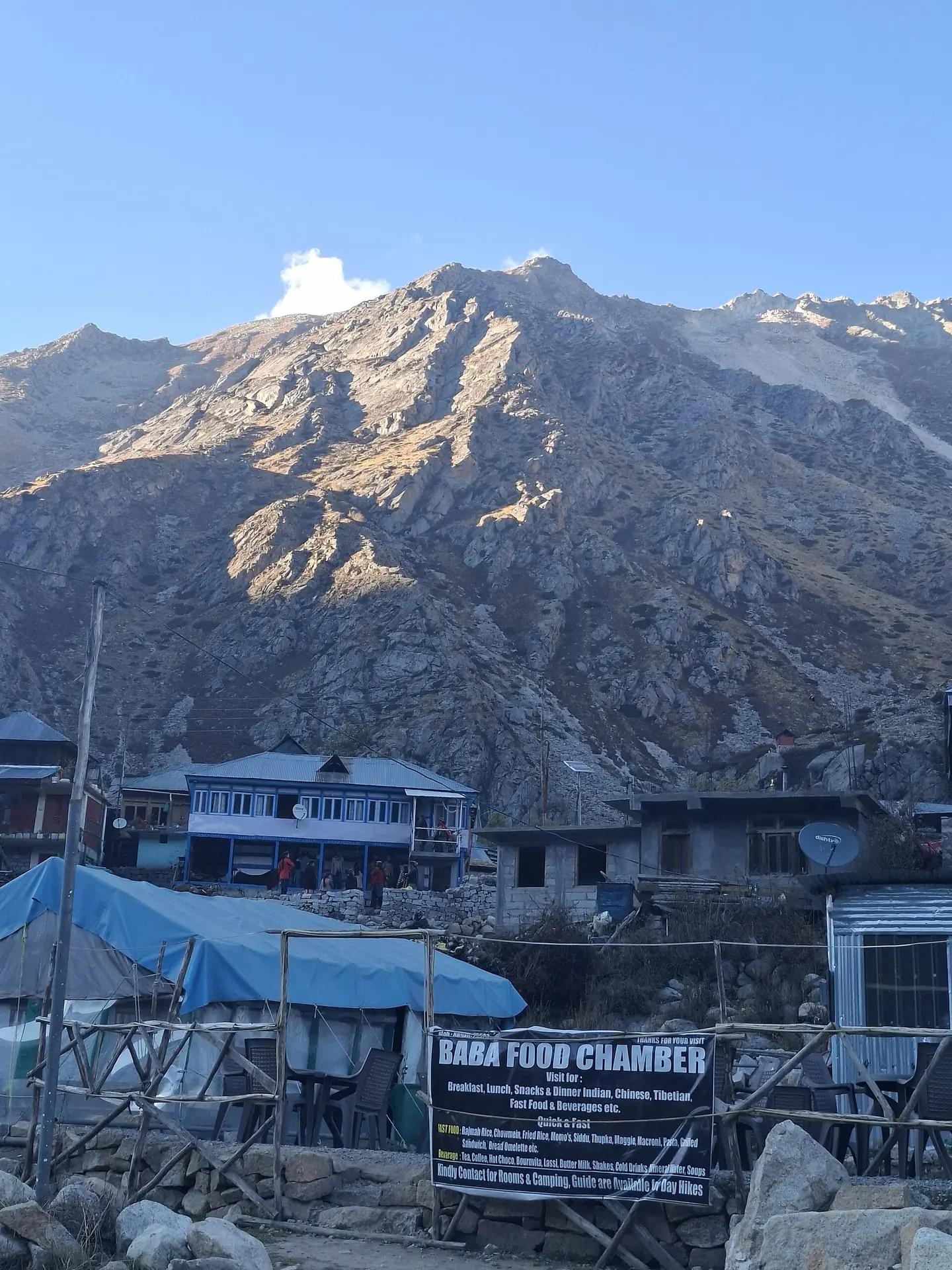
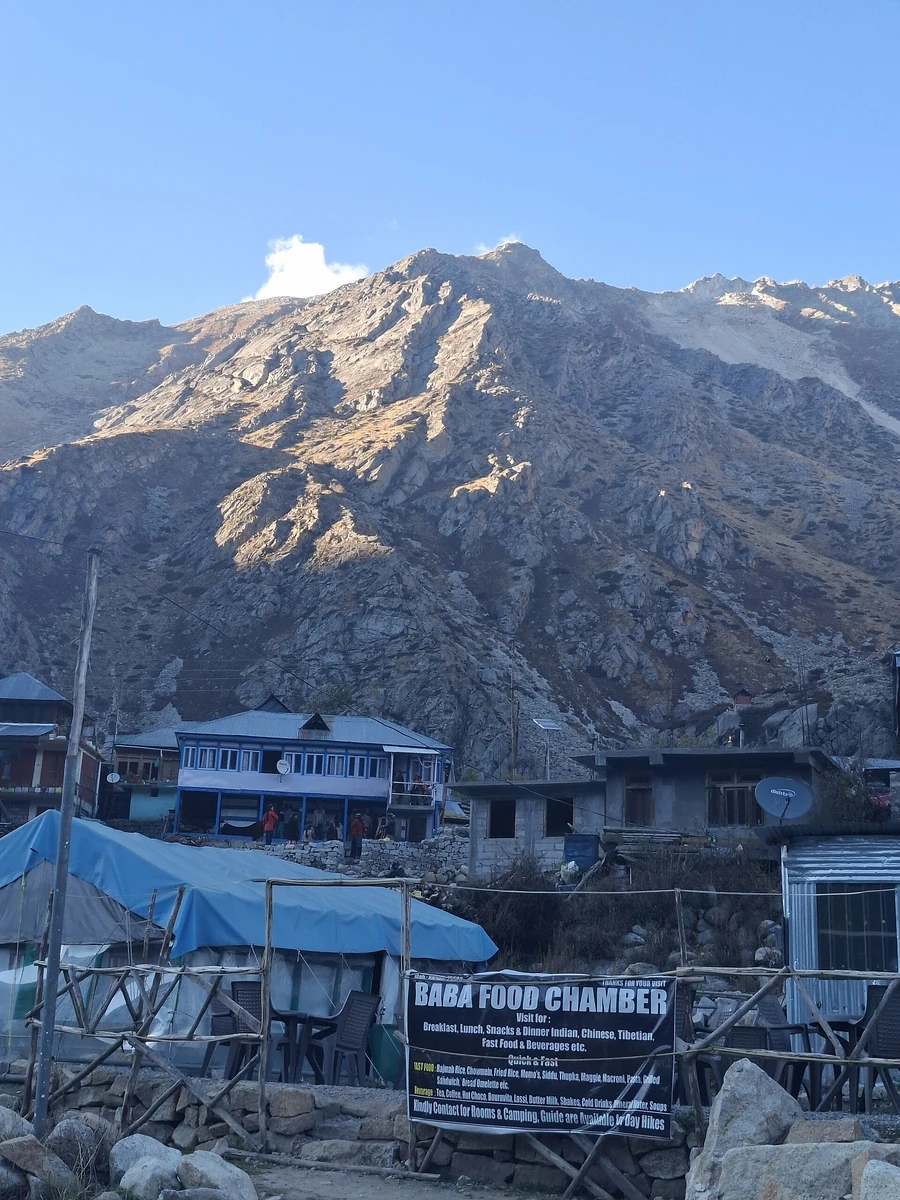
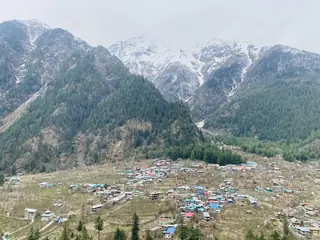
The last inhabited village of the Baspa valley, at 3,450 m, and of the old Hindustan-Tibet trade route — the furthest point most visitors reach on a Sangla trip, and the last point on this route reachable without a permit. Wooden houses with slate or plank roofs sit among apple orchards on the right bank of the Baspa river, with permanently snowy peaks visible on the far side.
About 41 minutes by road from Sangla, roughly 23 km, past Rakcham on the same valley road. It's the standard second-day destination for anyone basing themselves in Sangla, covered on the two-day plan.
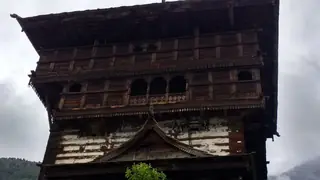
Two old temples anchor the village. The Mathi Mata Temple, roughly 500 years old, is built in alternating layers of stone and deodar wood — a striking example of the region's Kath Kuni style, and sacred to a goddess local tradition holds travelled here from Vrindavan over the high passes. A separate Kagyupa Tibetan Buddhist temple holds an old image of the Shakyamuni Buddha. Beyond the temples, Chitkul is mostly a place to walk slowly through — a study by IIT Delhi's Centre of Atmospheric Sciences once measured the air here among the cleanest recorded anywhere in India, which visitors often notice without knowing why.
> sit by the river rather than treating it as a quick photo stop before turning back.
April to October — Chitkul sits under snow through the winter, and many residents move down to lower villages for the cold months.
Rakchham, on the same road, is a brief stop on the way rather than a destination of its own on this route. Back towards town, Kamru Fort and Batseri fill the closer one-day loop from Sangla itself.
It's the furthest settlement most visitors reach in this direction. The last inhabited village of the Baspa valley and of the old Hindustan-Tibet trade route, at 3,450 m, with wooden Kath Kuni houses and two old temples that draw both Hindu and Buddhist visitors.
No — Chitkul is the last point on this route reachable without one at all; travel further towards the border needs permission most visitors never seek. It's often mentioned as India's last village for exactly this reason, and locals are used to the question.
The Mathi Mata Temple, roughly 500 years old, built in alternating layers of stone and deodar wood, and a separate Kagyupa Tibetan Buddhist temple holding an old image of the Shakyamuni Buddha. Wooden houses with slate or plank roofs line the rest of the village, and orchards fill the space between them.