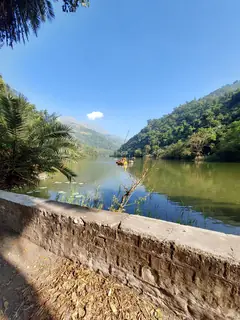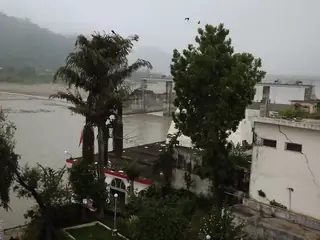
Rani Tal, Nahan
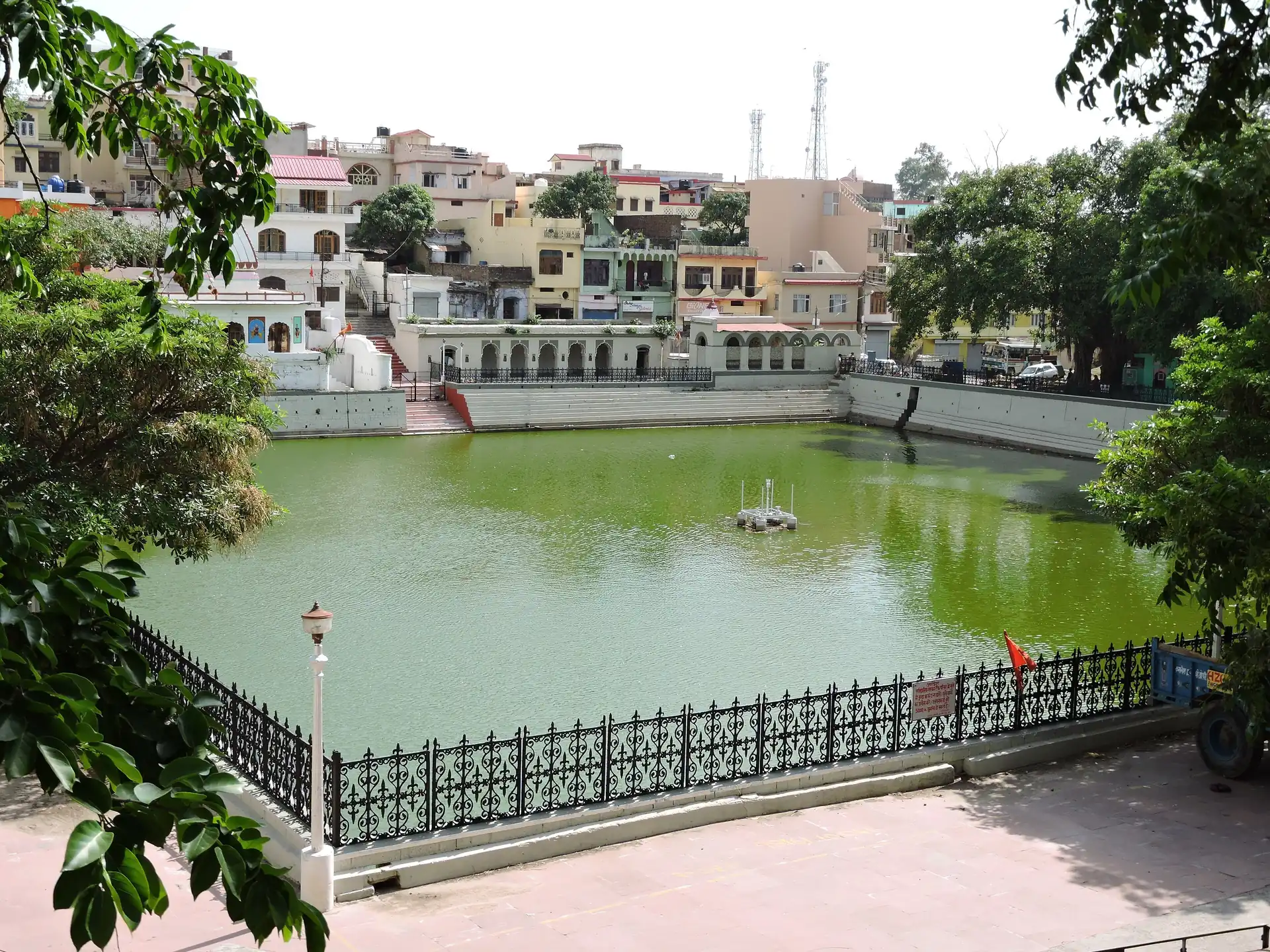
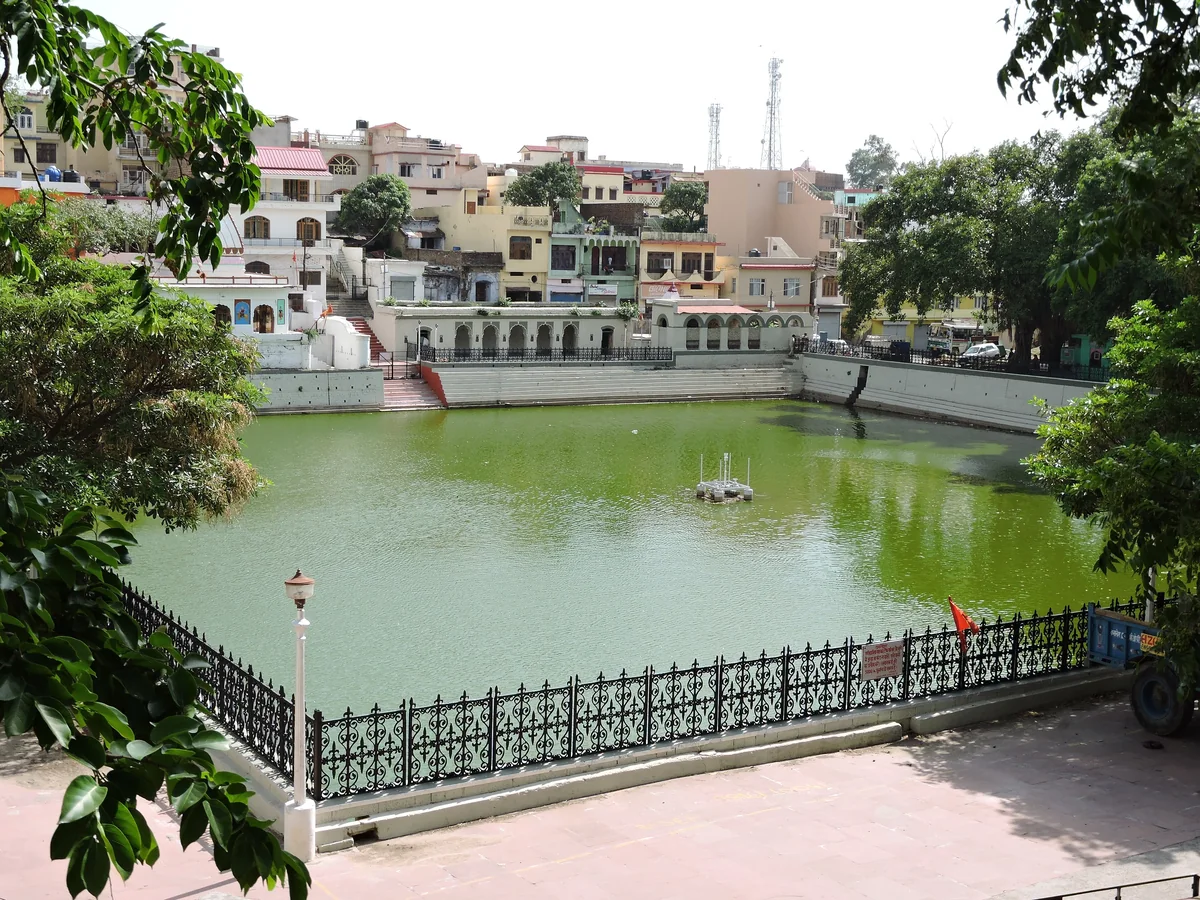
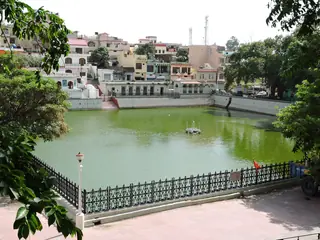
Rani Tal (also written Ranitaal) is the pond at the heart of Nahan, the Town of Ponds, with a Shiv temple and a garden beside it. A free, easy evening stop.
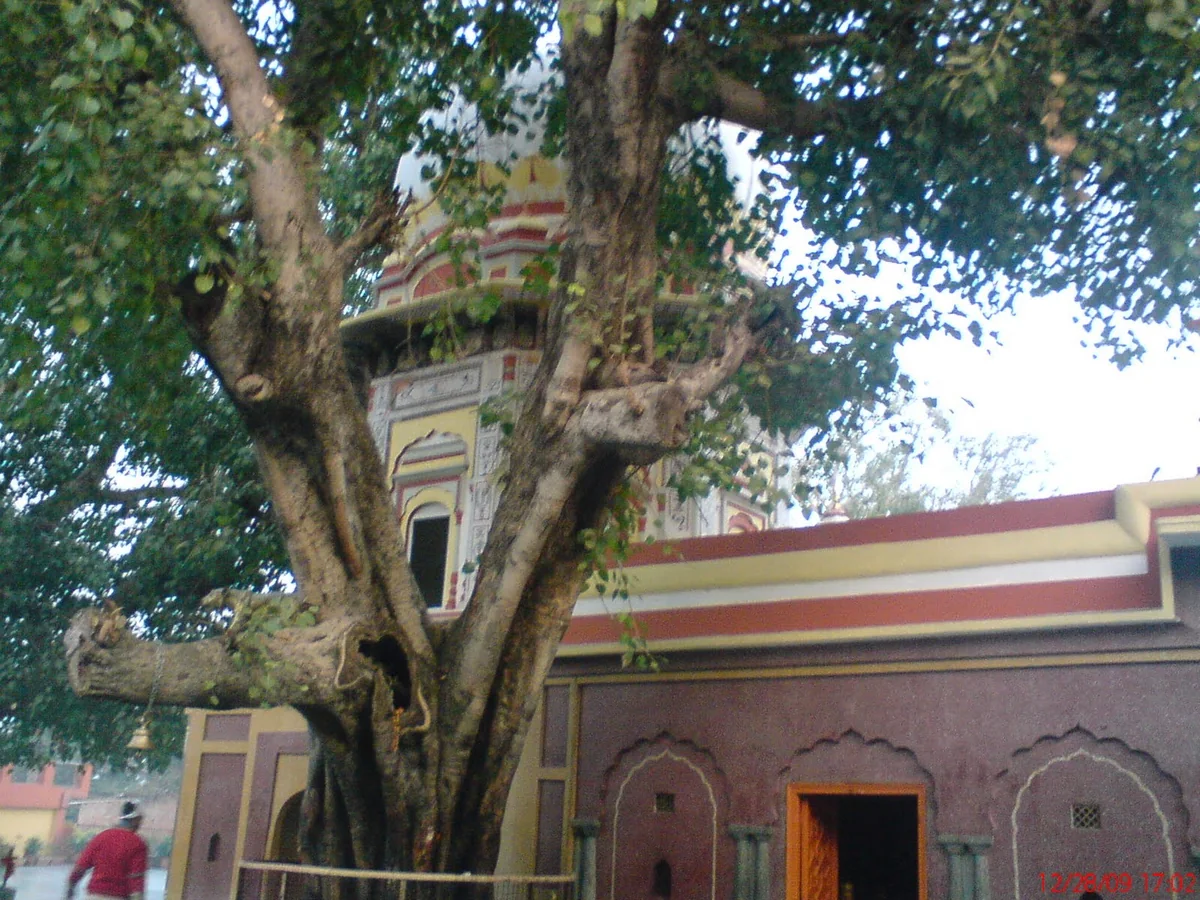
Nahan is the headquarters of Sirmaur district, on a hilltop in the Shiwalik Hills. Raja Karam Prakash founded the town in 1621 as the capital of the princely state of Sirmur, and its many ponds have earned it the name "Town of Ponds."
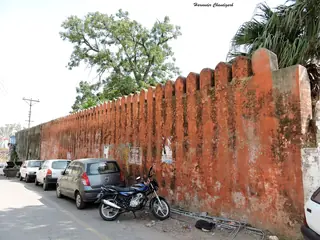
Nahan Fort, the former Sirmaur royal palace, sits at the heart of the town. Rani Tal, a pond with its own Shiv temple, is the town's best-known gathering spot. Further out, Gurkha forces sacked Nahan Fort in 1810. They reportedly used its own material to build Jaitak Fort, the site of a major 1814-15 battle in the Anglo-Nepalese War. Trilokpur Temple, a Mahamaya Bala Sundari shrine built in 1573, draws pilgrims from across northern India.
A day covers the town's own fort and pond; a second reaches Jaitak Fort and Trilokpur further out. See the one-day plan and the two-day plan for both, things to do in Nahan for the same stops laid out with costs and timing, when to visit, and how to reach Nahan by road.
Photos: Harvinder Chandigarh (CC BY-SA 4.0) · Harvinder Chandigarh (CC BY-SA 4.0) · MikeLynch (CC BY-SA 3.0) — via Wikimedia Commons, resized.
The places a Nahan day reaches, with the road time from town. Each opens on the map with its plans and pages beside it.
One day covers Nahan Fort and Rani Tal, both within the town itself. A second day reaches Jaitak Fort and Trilokpur Temple, further out in Sirmaur district. Most visitors treat Nahan as a quiet one- or two-night base rather than a packed itinerary.
Several ponds sit within the town itself, the best known being Rani Tal and Pucca Tank, both linked to the former Sirmaur rulers. Nahan was also the first town in India after Kolkata to establish its own Municipal Corporation, reflecting its planned, orderly layout.
Gurkha forces under Ranjor Singh Thapa attacked and sacked Nahan Fort in 1810, and are reported to have used its recovered material to build Jaitak Fort, about 15 km away. Jaitak later became the site of a major 1814–15 battle in the Anglo-Nepalese War.
Photographs by Wikimedia Commons contributors (CC0, CC BY, CC BY-SA), resized; each picture is credited on its own page.