
The Ridge
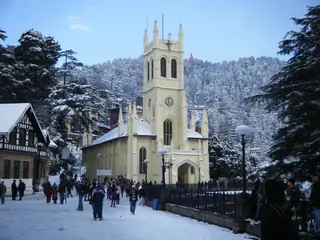
The Ridge, Shimla's large open square, connects the Mall to Lakkar Bazaar and holds Christ Church and the town's own historic water reservoir beneath it.
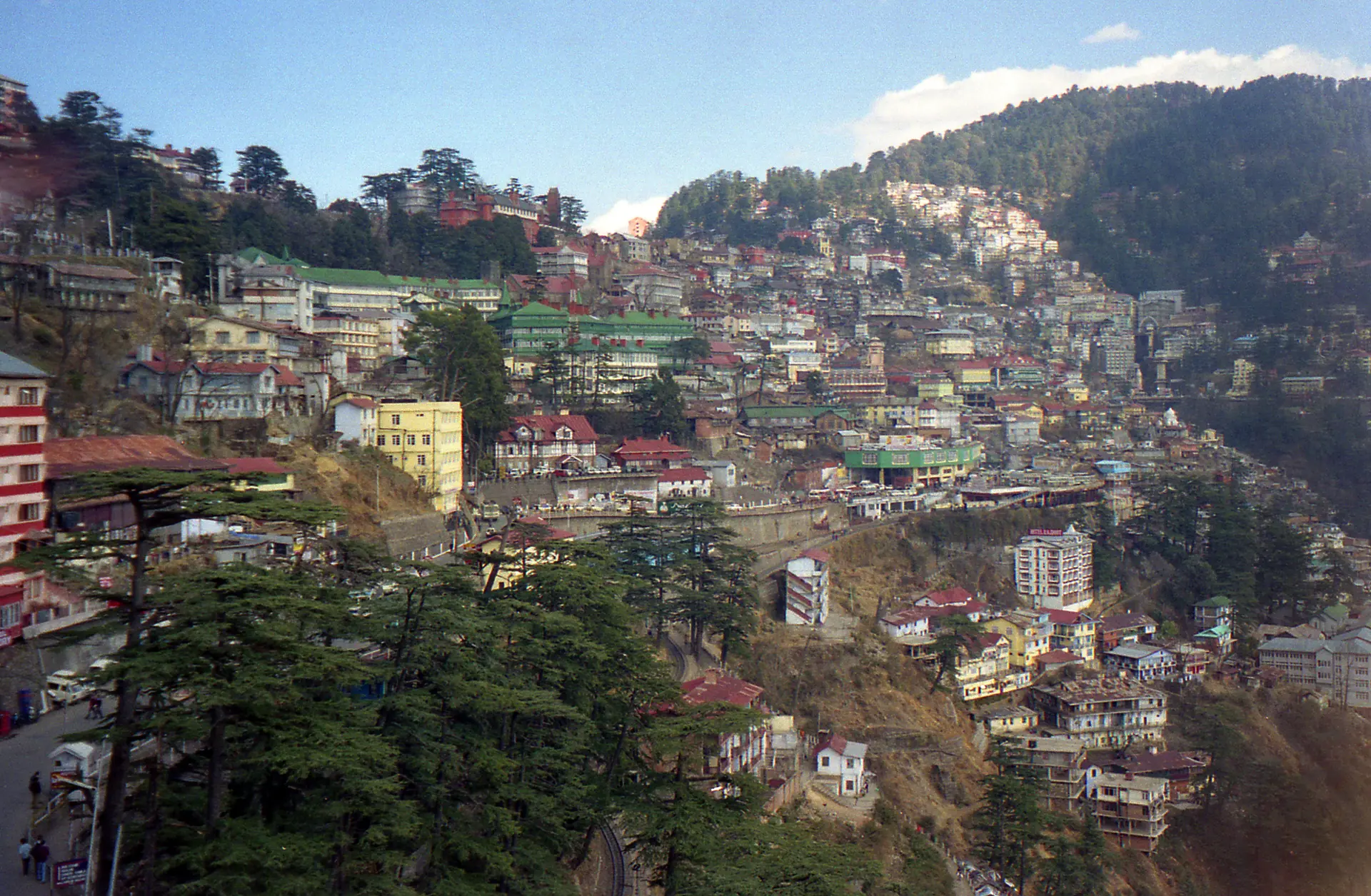
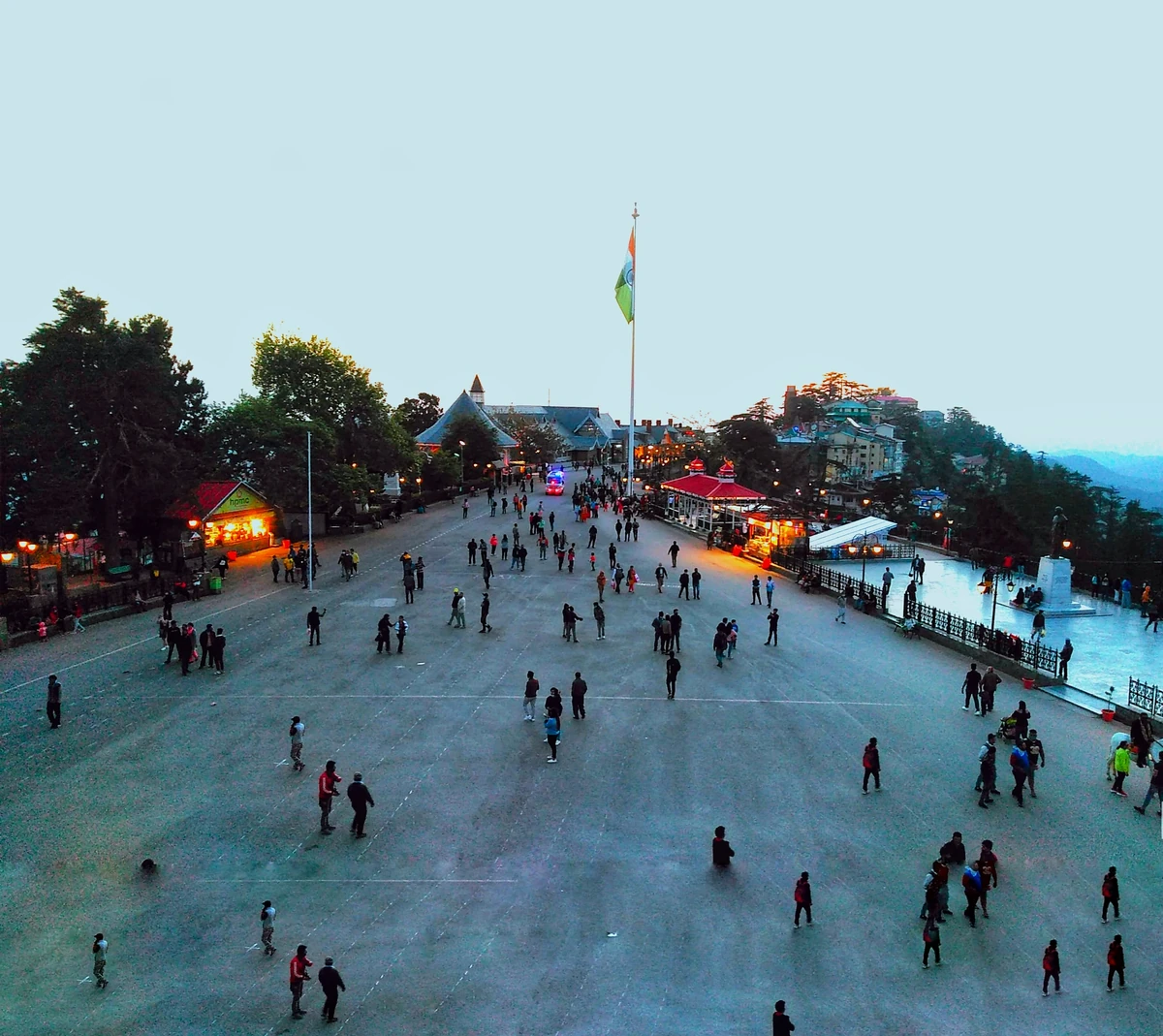
Shimla is the capital of Himachal Pradesh, built across seven hills at 2,205 m, and was the summer capital of British India from 1864 until 1947. The town's Victorian-era core — the traffic-free Mall and the Ridge above it — still carries that history in its half-timbered buildings and colonial churches.
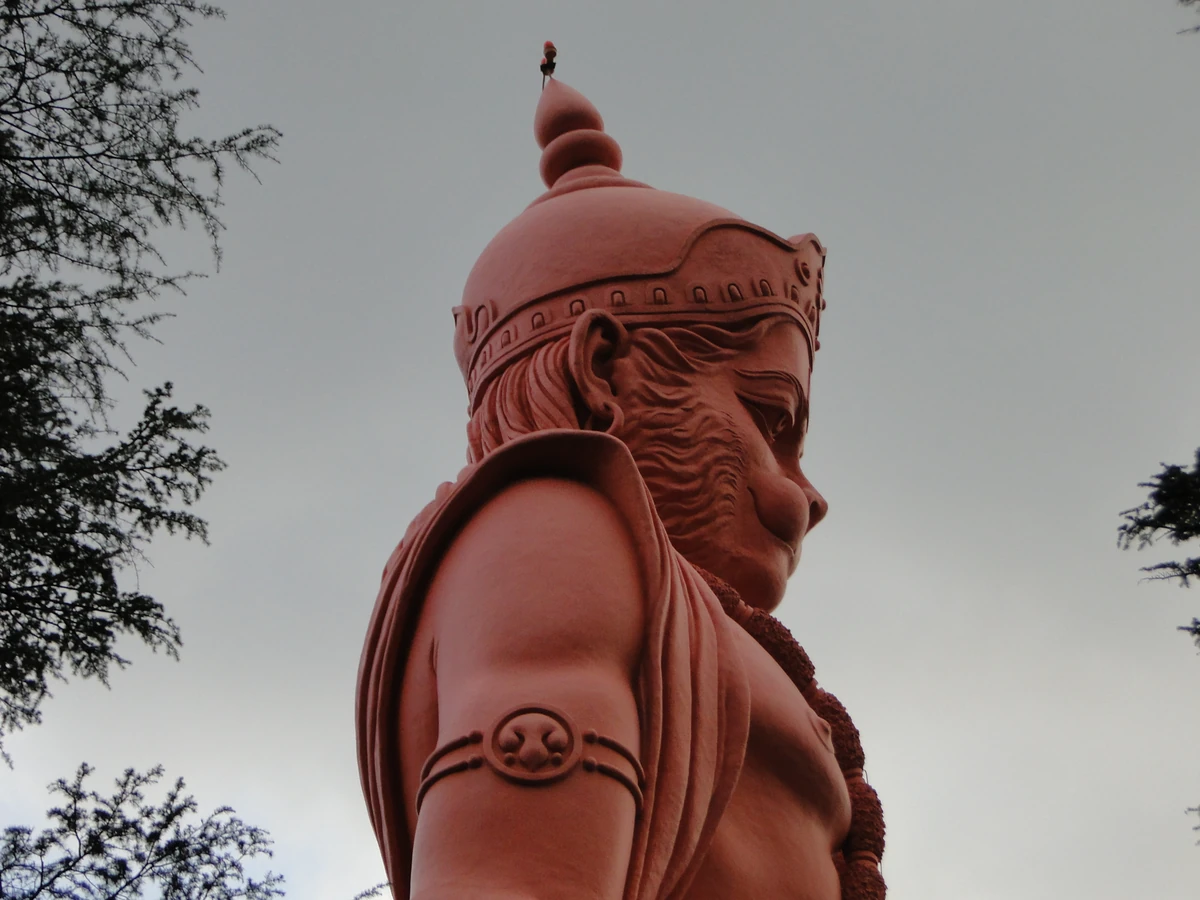
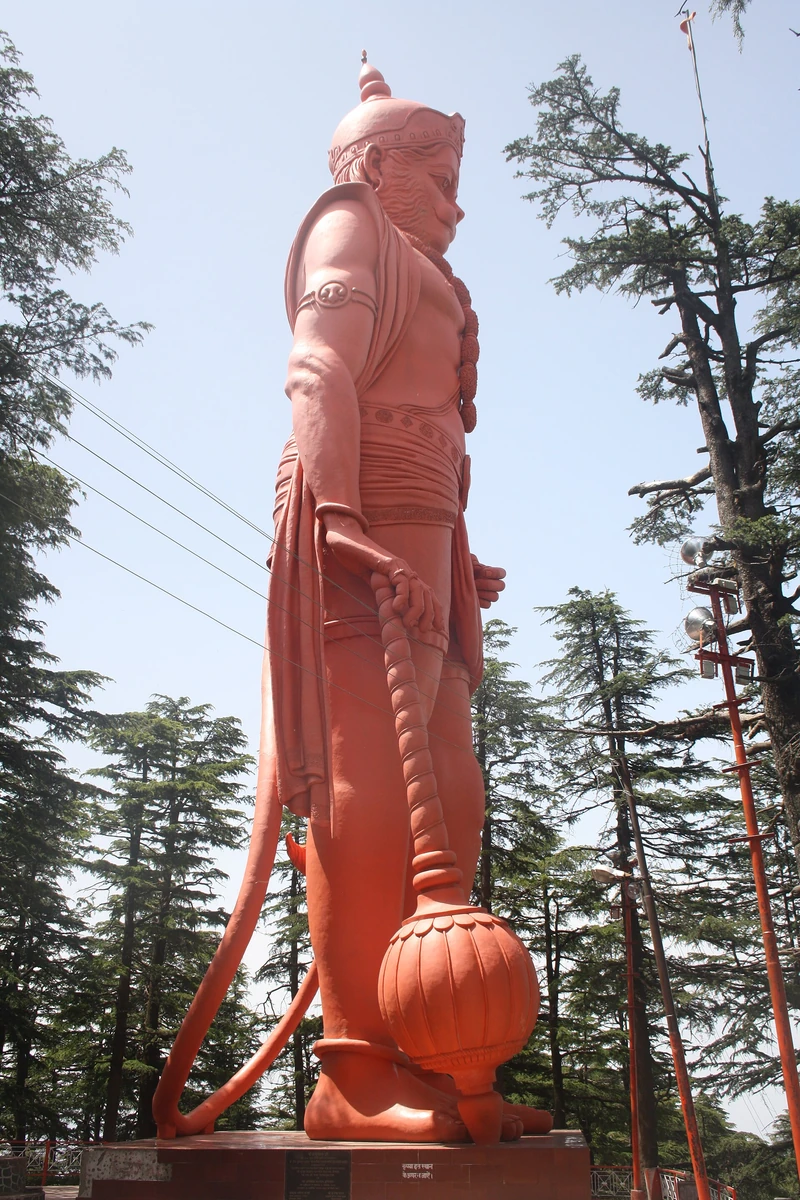
Christ Church, the second oldest church in North India, stands on the Ridge itself. Jakhoo Temple, on the town's highest point, holds the world's largest Hanuman statue. The Indian Institute of Advanced Study, the former Viceregal Lodge, is where the 1945 Simla Conference and the 1947 partition decision both took place. The Kalka-Shimla Railway, a UNESCO World Heritage line, is how most visitors arrive by train at all.
A day covers the Ridge, Christ Church, Jakhoo Temple and the Indian Institute of Advanced Study, all close to town; a second reaches Kufri and Tara Devi Temple further out. See the one-day plan and the two-day plan for both, and things to do in Shimla for the same stops laid out with costs and timing.
Photos: Virusism (CC BY-SA 4.0) · ShashankSharma2511 (CC BY 3.0) · Jishnu Mohan (CC BY-SA 4.0) — via Wikimedia Commons, resized.
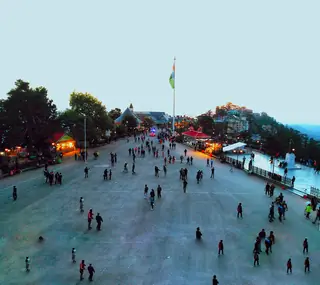
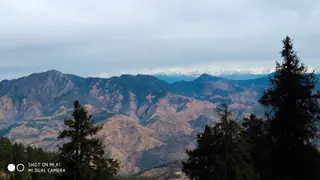
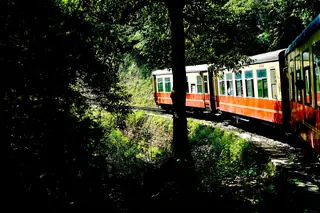
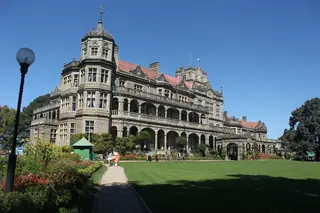
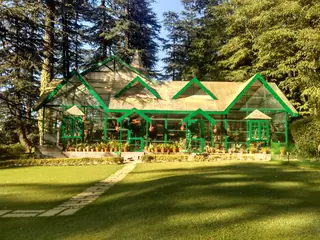
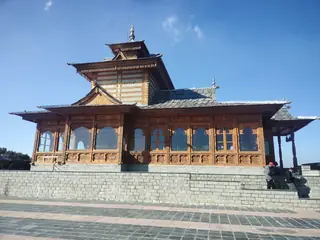
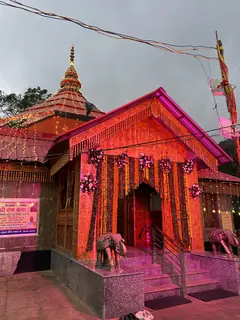
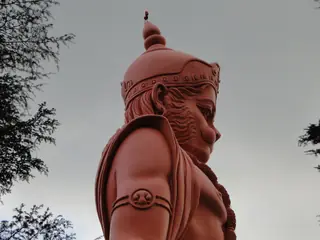
The places a Shimla day reaches, with the road time from town. Each opens on the map with its plans and pages beside it.
One day covers the Ridge, Christ Church, Jakhoo Temple and the Indian Institute of Advanced Study, all close to town. A second day reaches Kufri and Tara Devi Temple further out. Most visitors combine both into a 2–3 night stay.
Yes — it's a UNESCO World Heritage line through more than a hundred tunnels, and for many visitors the train itself is as much a reason to come as any single sight in town. Book well ahead in peak season.
April to June or September and October — both sit outside the heavy July–August monsoon, when Shimla's own IMD record shows 328.3 mm and 351.3 mm of rain respectively, together well over half the year's total.
Photographs by Wikimedia Commons contributors (CC0, CC BY, CC BY-SA), resized; each picture is credited on its own page.