
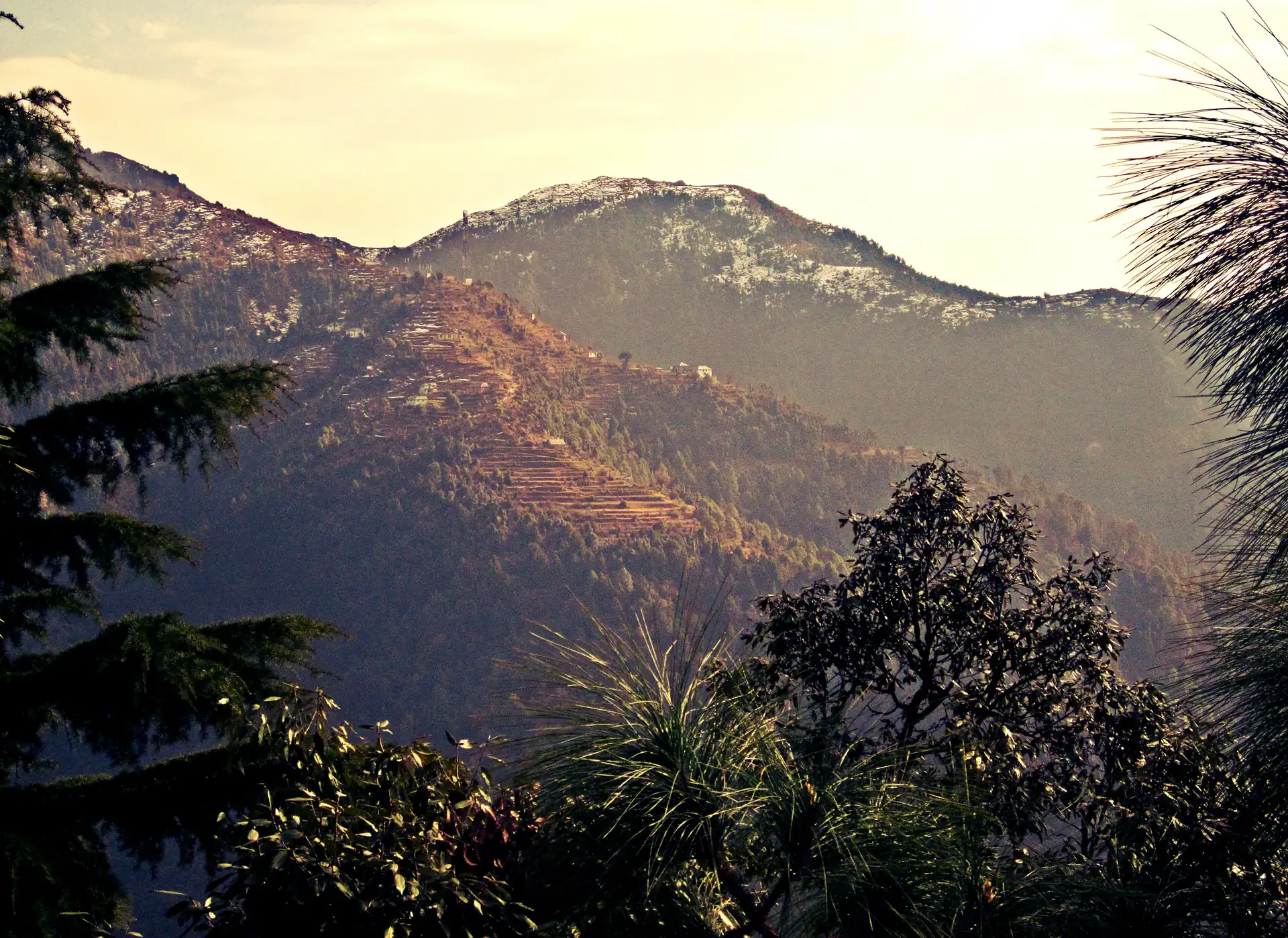
The best time to visit Shimla
A record with two very different halves
Shimla's own IMD normals (1991–2020, with extremes recorded back to 1901) show a climate split cleanly in two: a long, comfortable stretch either side of summer, and a short, genuinely wet monsoon window that dominates the year's rainfall almost entirely.
April to June — spring into early summer
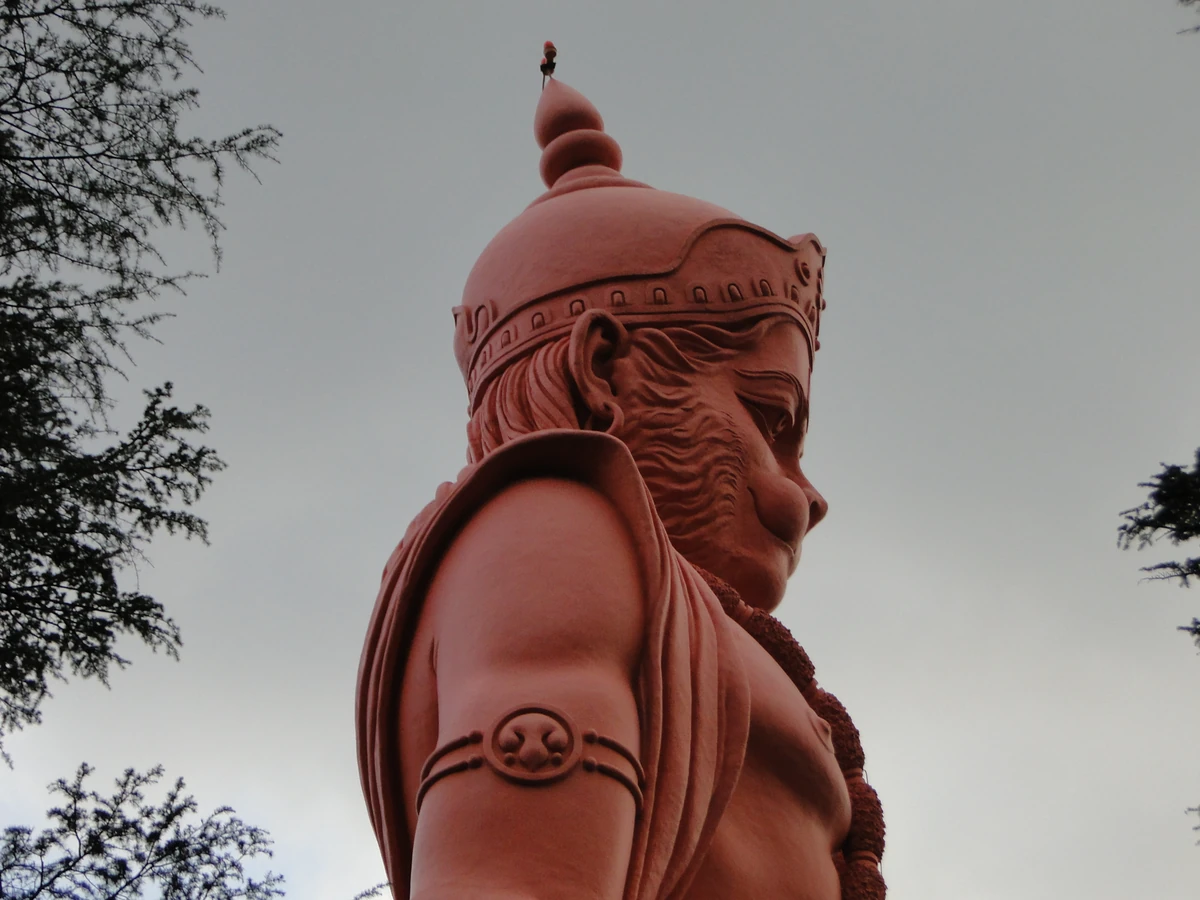
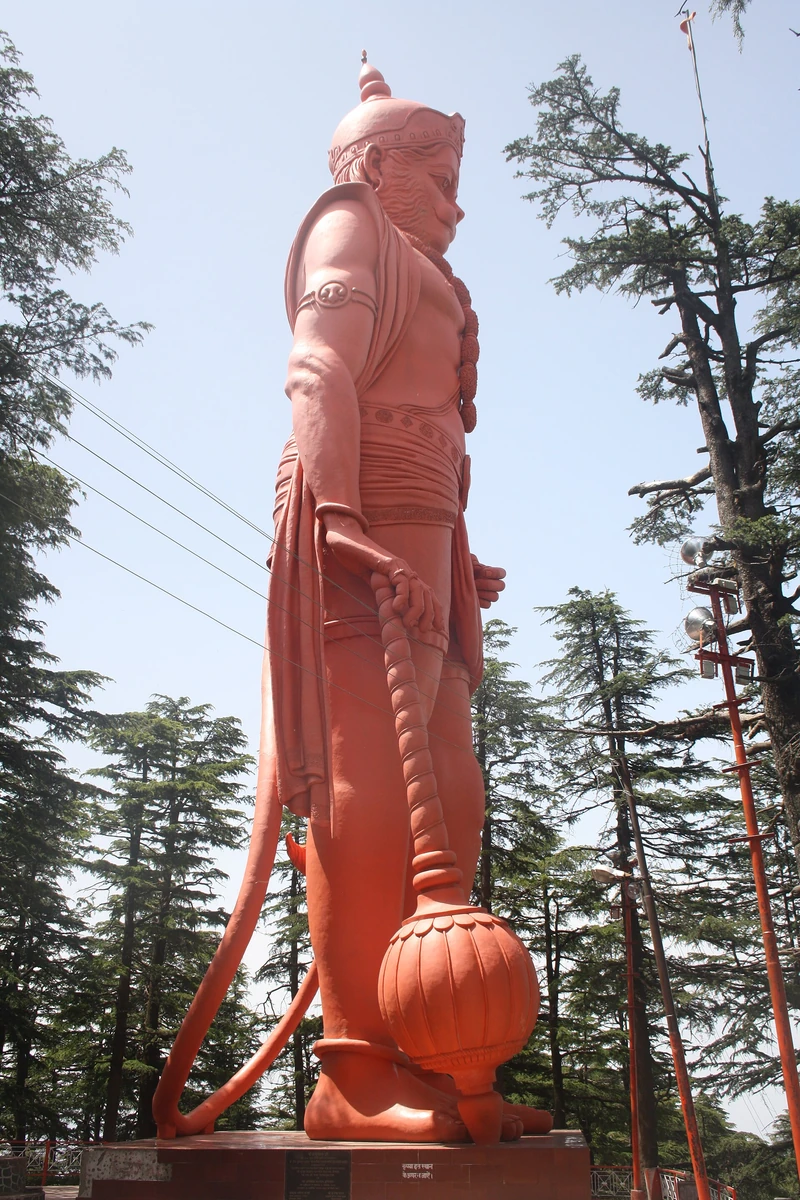
Highs climb steadily on the record, from 19.8°C in April to 23.8°C in June, with cool evenings throughout. Rainfall stays moderate through this stretch — a reliable window for the Ridge, Christ Church and Jakhoo Temple all on the same trip.
July and August — by far the wettest months
Shimla's own record shows 328.3 mm of rain in July and 351.3 mm in August — together well over half the year's total in just two months. Roads to Kufri and Tara Devi Temple can see delays after heavy spells, so build slack into any plan made for these two months specifically.
September and October — rain drops off fast
The monthly rain total falls from 164.5 mm in September to just 30.3 mm in October on the record — a clear, cooling window right after the monsoon clears, and a classic time for the town's day trips.
> cover is far more likely during the July–August monsoon stretch.
November to March — genuinely cold, with real snow
Highs drop to 15.4°C in November and as low as 9.3°C in January on the record, with January and February seeing 42 cm and 43 cm of snow respectively. This is the season for Kufri's own ski track through the potato plantations, though some of the higher walks are less comfortable in the cold.
The short version
April to June or September and October for the fullest circuit, Kufri and Tara Devi Temple included. Winter works for the town itself and for skiing at Kufri specifically, but pack for genuine cold and real snow. The Shimla guide has the rest.
Plans that include this
All Shimla itineraries →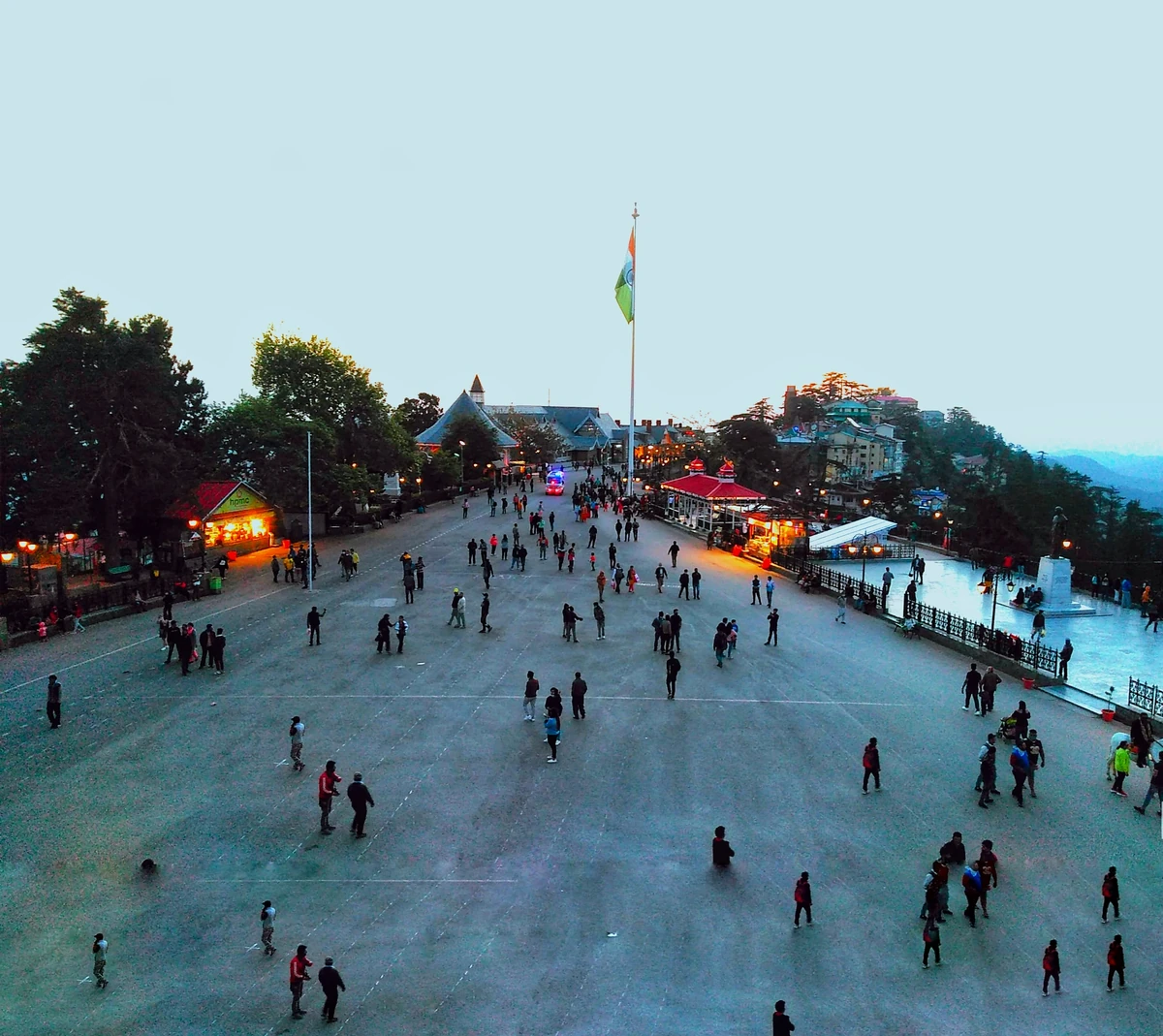
Questions people ask
Which month is best for Shimla?
April through June, or September and October — both sit outside the heavy July–August monsoon, when Shimla's own IMD record shows 328.3 mm and 351.3 mm of rain respectively, together well over half the year's total rainfall.
Does it snow in Shimla?
Yes — January and February see 42 cm and 43 cm of snow on the IMD record, genuinely enough to close some roads and change the character of a visit. December and March see far less, with only light snow most years.
Is the monsoon a problem for a Shimla trip?
It can be — July and August bring by far the heaviest rain of the year on the town's own record. Outside those two months, rainfall drops off fast, especially by October, which sees only 30.3 mm on average.