Palampur tea gardens
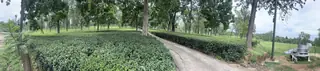
The terraced tea gardens of Palampur, 3 minutes from the centre, grew from the mid-19th century under European estate owners. Best in the morning.
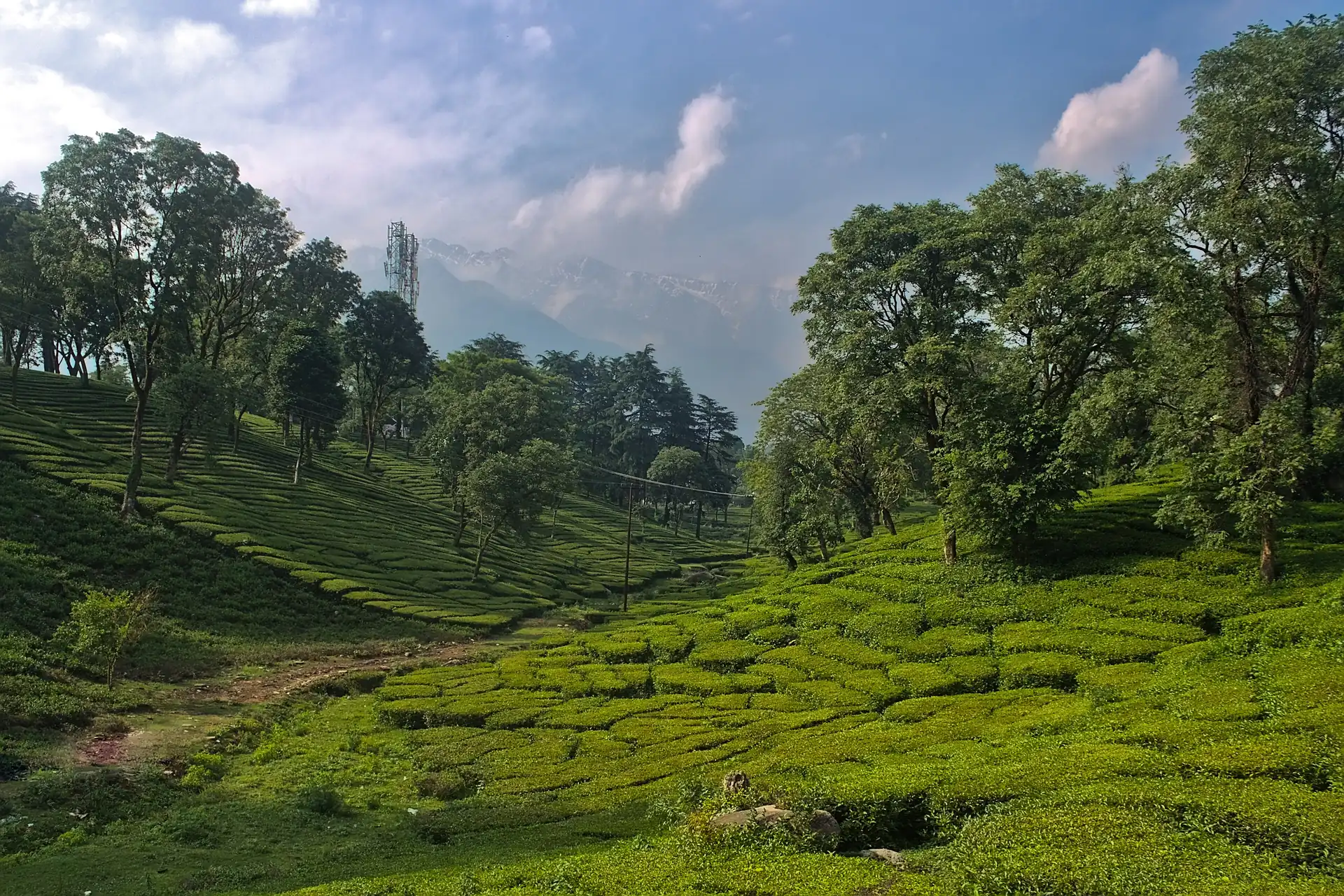
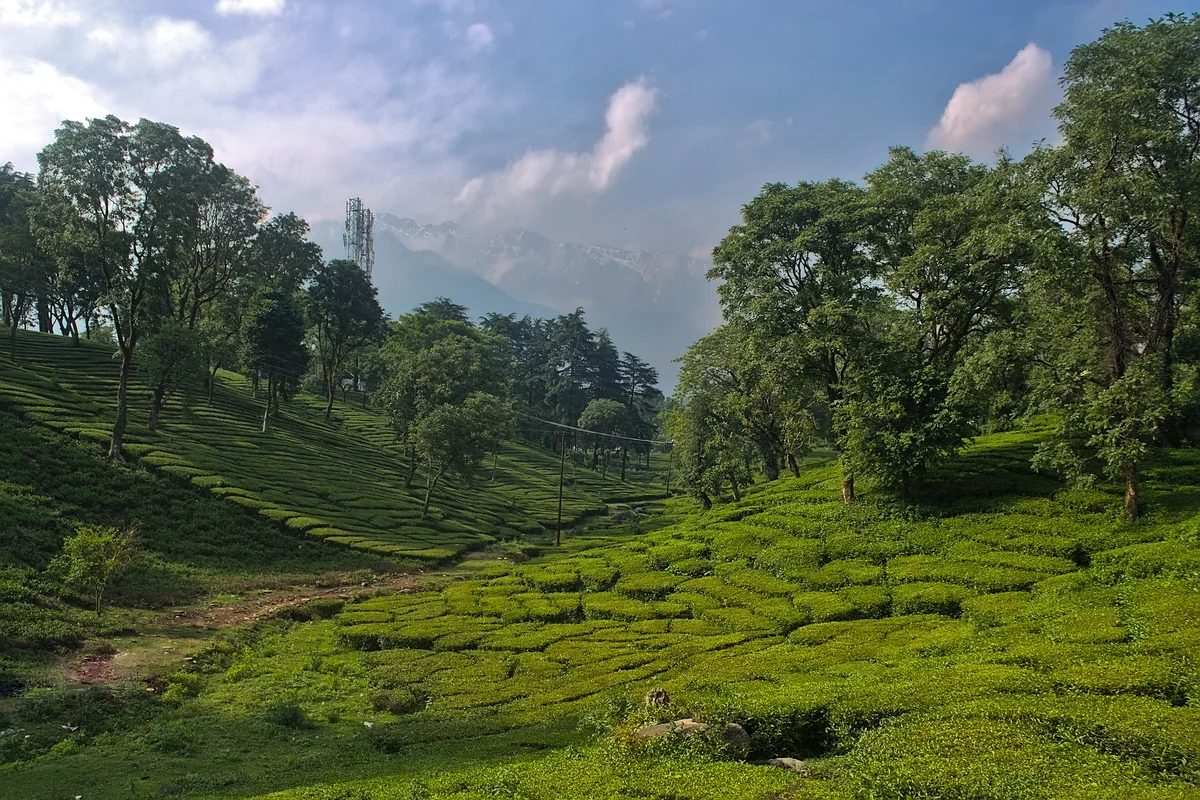
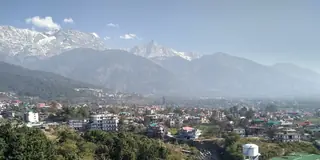
Palampur is a tea town in the Kangra Valley, about 1,300 m up, with the Dhauladhar range standing behind it. The tea bush took to the climate, and European estate owners expanded the gardens from the mid-19th century. The schools, colleges and hospitals they brought shaped the town.
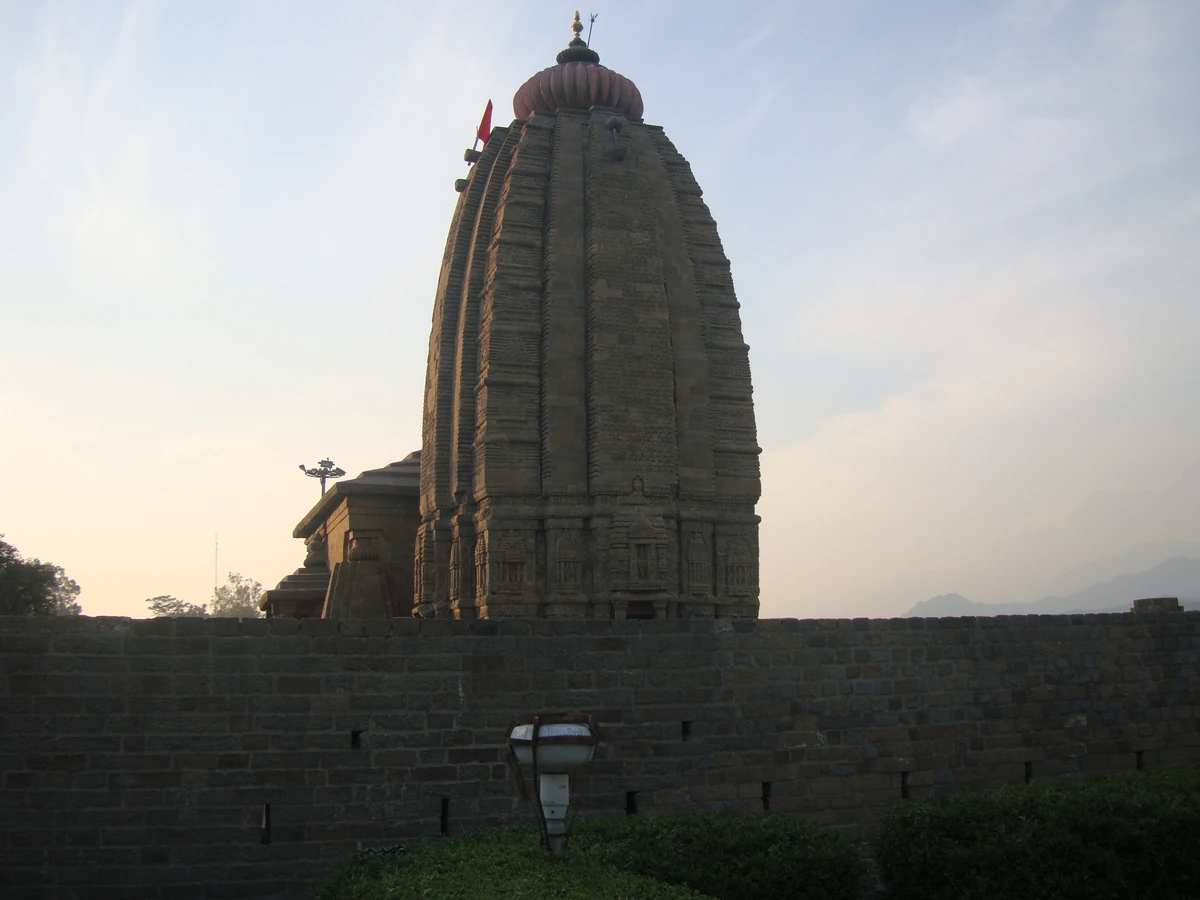
Palampur tea gardens start at the edge of town, about 3 minutes from the centre. Andretta, an artists' village 19 minutes away, was home to the Irish theatre artist Norah Richards from 1924. Baijnath Temple, a Shiva temple built in 1204 AD, is 30 minutes out and is the one landmark here that is worth a day on its own.
A day covers the tea gardens and Andretta; a second reaches Baijnath. See the one-day plan and the two-day plan, things to do in Palampur for the stops with timing, when to visit and how to reach Palampur.
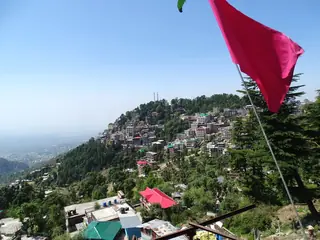
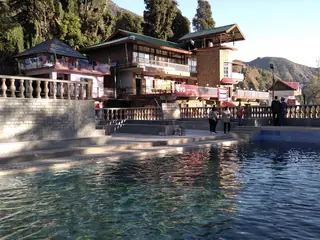
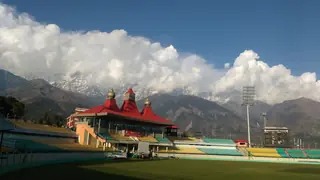
Photos: UnpetitproleX (CC BY-SA 4.0) · Viraat Kothare (CC BY-SA 3.0) · Sumeet Jain from San Francisco, USA (CC BY-SA 2.0) — via Wikimedia Commons, resized.
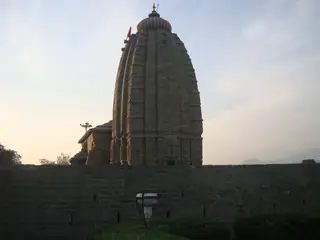
The places a Palampur day reaches, with the road time from town. Each opens on the map with its plans and pages beside it.
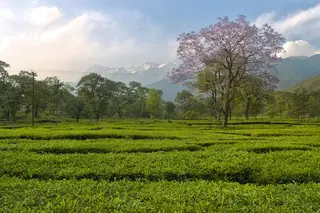
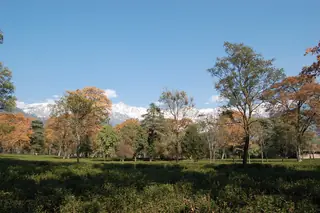
One day covers the tea gardens at the edge of town and the artists' village of Andretta. A second day goes to Baijnath Temple, about 30 minutes away. Most visitors treat Palampur as a quiet base for one or two nights, with the Dhauladhar range as the backdrop for both.
The tea bush flourished in the local climate, and mostly European estate owners expanded the gardens from the mid-19th century. That growth brought schools, colleges and hospitals to the town, and labourers who plucked, packed and moved the leaf. The terraced rows are still the town's defining view.
Very. July and August bring about 710 mm and 738 mm on the modelled figures, and the town's name is read as a settlement where there is plenty of rainfall. The clearer, drier stretches are March to May and October to November, when the Dhauladhar range shows.
Photographs by Wikimedia Commons contributors (CC0, CC BY, CC BY-SA), resized; each picture is credited on its own page.