The Sainj valley — the meadow at Shangarh, the river, and the park's quiet side
The Sainj valley off the Kullu highway: the meadow at Shangarh, homestays at Neuli, the park's Sainj gate at Ropa, IMD weather and copyable itineraries.
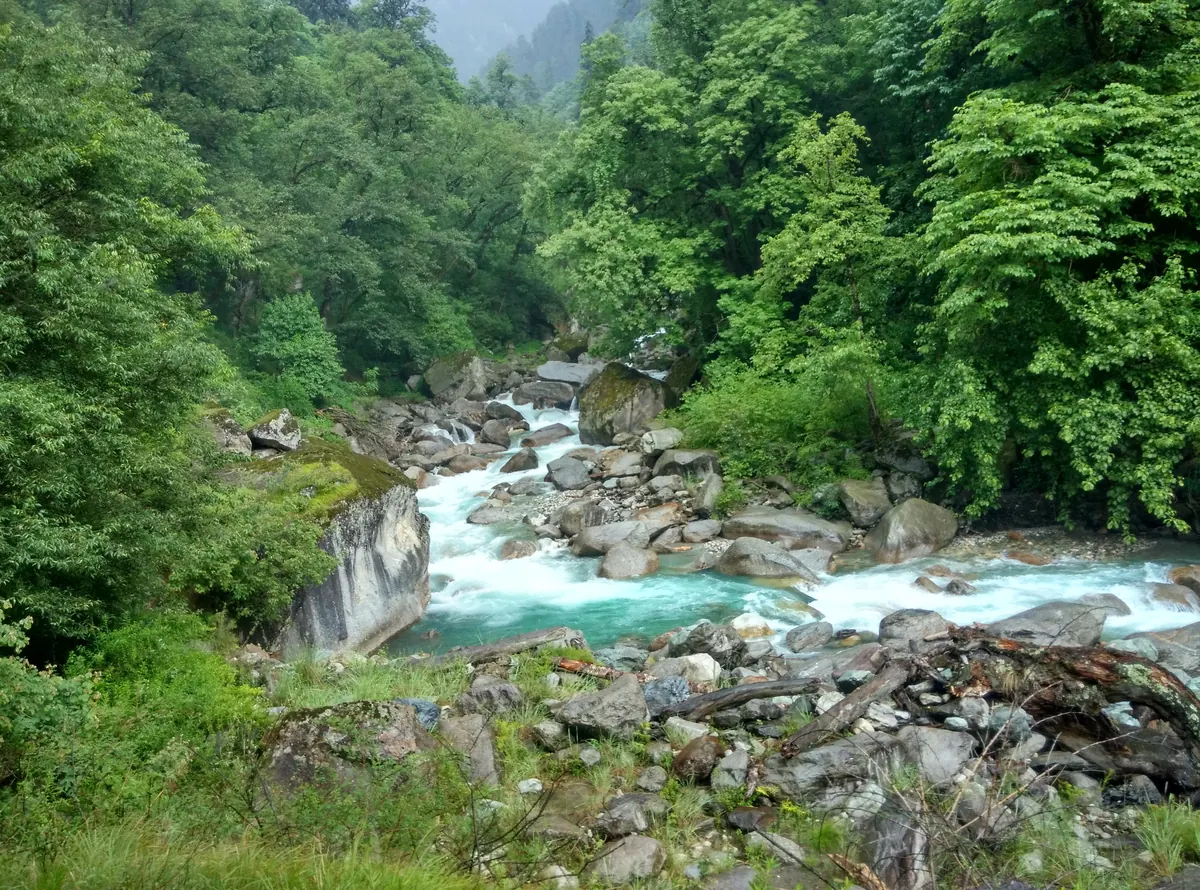
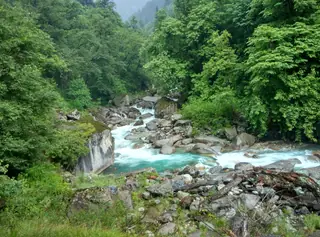
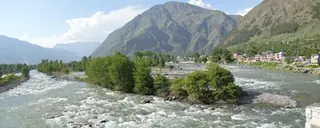
Sainj is the side valley most people drive past. The turning leaves the Kullu highway near Larji, 26 minutes from the village, and a road follows the Sainj river east into its own set of hills — to the fork at Neuli, the meadow at Shangarh, and the park gate at Ropa. Beyond that the road gives out and the Great Himalayan National Park takes over.
What it is not is a scene. There is no bazaar of cafés, no bus every ten minutes and no nightlife. This guide is built from the data we keep for every place in the valley — road minutes measured on the real road network, how long people spend at each stop, what a walk climbs — and from the stays that list on HimLocal. Every itinerary below is copyable into your own trip planner.
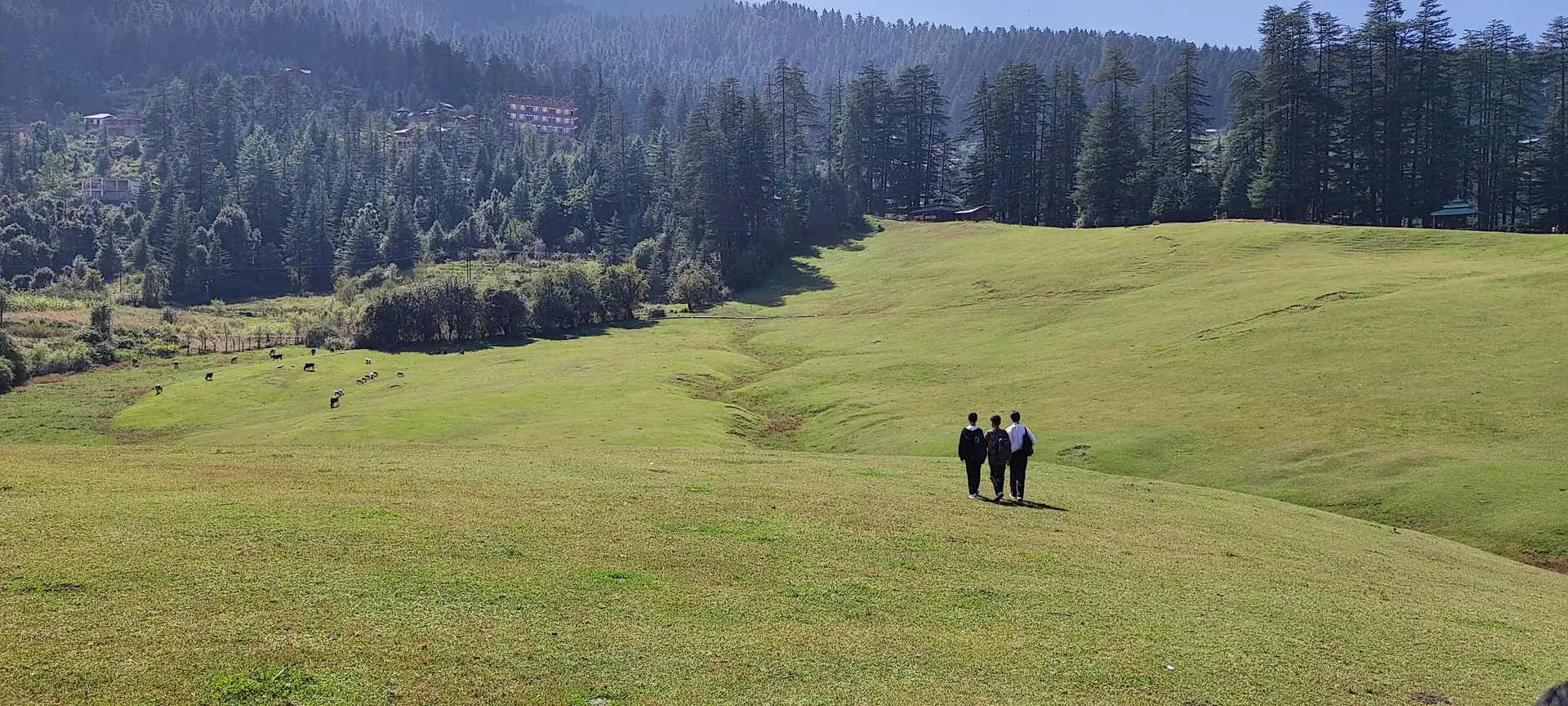
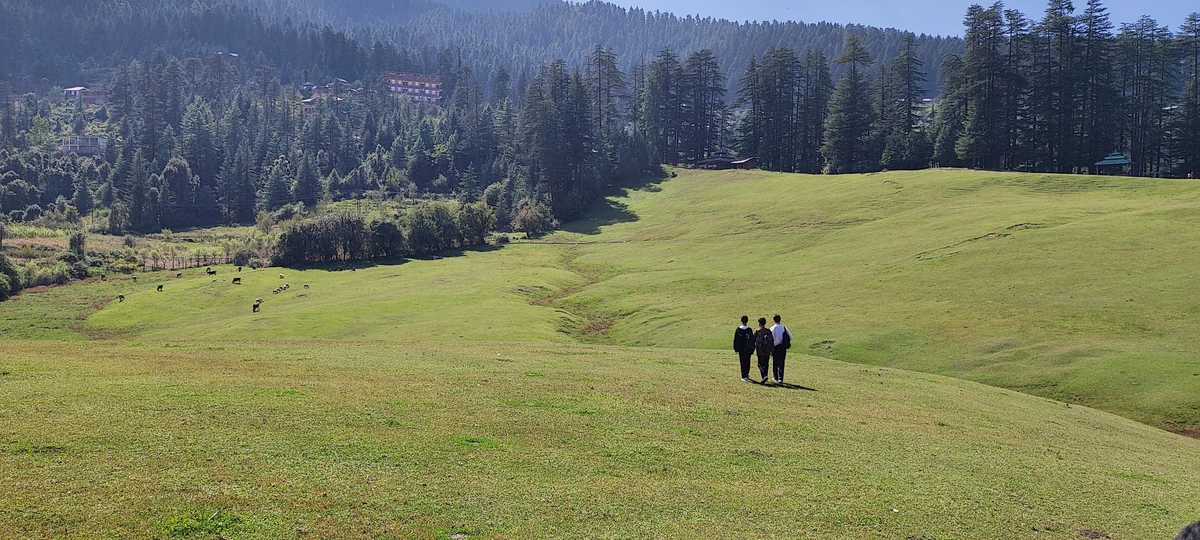
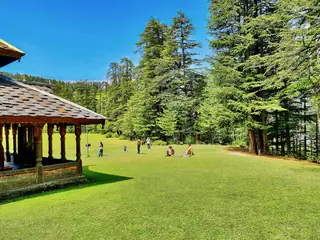
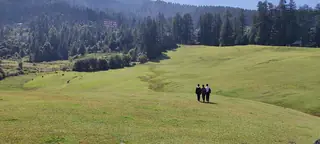
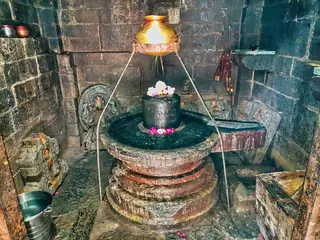
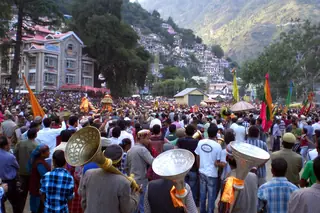
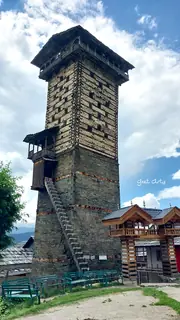
One river, one road, and three things worth the drive. The meadow at Shangarh — a flat green shelf above the river, ringed by deodar, with the Shangchul Mahadev temple at its edge — is the valley's famous place and the only one that gets crowded. Neuli is the village where the valley opens and the homestays are. Ropa is where the Great Himalayan National Park is entered from this side, on foot and on a permit.
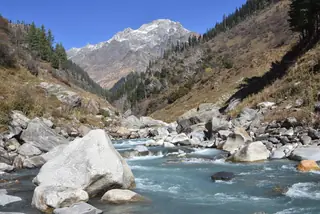
It is the same park the Tirthan valley is known for, approached from the other flank and with a fraction of the visitors. Everything above Ropa is walking: Shakti, the last hamlet up the river, has no road to it at all.
Where to stay
Neuli — 17 minutes up the valley from the village, where the road forks. Homestays on the terraces, orchards, and the obvious base for both halves of the valley.
Shangarh — 26 minutes up, at the meadow. Guesthouses have grown around it and it is the busiest bed in the valley on a long weekend; wake early and the meadow is yours.
Ropa — 13 minutes up, at the park's gate on this side, with the forest rest house. For anyone walking in rather than looking around.
Sainj village — the road junction at the mouth of the valley: the shops, the bus stop and the last bank. Convenient, and nobody's first choice for a view.
Operators
No operator has listed this on HimLocal yet. The prices above are typical local rates; you pay the operator on the ground.
The numbers below are India Meteorological Department normals for Bhuntar, the district's airport station 35 km away down on the Beas. The Sainj valley sits higher and in shade for more of the day, so read every figure as a few degrees cooler here, and colder again at the meadow.
March–April — days 22.7–27.3 °C at Bhuntar, nights 6.8–9.8 °C; cooler up the valley. The meadow greens, the walking starts, and nobody is here.
May–June — days 31.3–32.9 °C down at the airport, pleasant up here. The busiest weeks, which in this valley means the meadow has people on it rather than nobody.
July–September — the monsoon: 135.6 mm of rain in July and 129.4 mm in August. The river runs hard, the valley is green to the point of absurdity, leeches are out on the paths, and slides can shut the road for hours.
October–November — the clearest air of the year; days 22.9–27.9 °C, nights 4.9–10.1 °C. The best walking, the harvest on the terraces, and the park's lower paths at their best.
December–February — days 16.1–18.3 °C at Bhuntar, nights near 1.5 °C and well below that up the valley. Snow sits at Shangarh in spells, homestays thin out, and the park's high routes are shut.
How to reach
By road from Kullu — 46 km and about 68 minutes: down the Beas to the Larji turning and up the valley.
By road from Aut — 17 km and about 30 minutes, which is the junction every bus and taxi knows.
By air — Kullu–Manali Airport at Bhuntar is 35 km and about 54 minutes away. Flights are few and weather-dependent.
From Banjar and the Tirthan — 34 km and about 58 minutes over to the next valley; the two share the park and almost nothing else.
From Mandi — 54 km and about 86 minutes. From Chandigarh — 210 km and about 243 minutes of driving. From Shimla — 184 km and about 312 minutes.
By rail — the nearest railhead is Joginder Nagar, 108 km and about 195 minutes by road.
The meadow, and how to behave on it
Shangarh's grass belongs to the temple's deity, not to the tourism department. The village asks visitors to take shoes off before walking on it and to leave leather outside; people who ignore that are told, and it is the kind of place where being told is embarrassing for everyone. Photograph the meadow, not the people at worship. Do not camp on it.
The park from this side
The Great Himalayan National Park was established in 1984, covers 1,171 km², spans 1,500 to 6,000 m, and went on the UNESCO list in 2014. The Sainj approach is entered at Ropa with a permit, and nothing motorised goes past the gate. A guide is needed for anything beyond the ecozone, and the park sets its own fees and closes areas by notice — ask at the office rather than at a homestay. Above Ropa the road ends and Shakti is a walk.
Three things and a river: the meadow at Shangarh with its temple, 14 km and about 26 minutes up from the village; homestay days at Neuli; and the Great Himalayan National Park entered on foot at Ropa, 7 km up, on a permit. It is a walking and sitting valley rather than a sightseeing one.
Is Sainj better than the Tirthan valley?
It is quieter and less built, with one famous place instead of several. Banjar and the Tirthan, 34 km and about 58 minutes over, have more homestays, more cafés and the busier side of the same park. Sainj suits people who want the park's edge without the weekend traffic.
How do you get to Shangarh?
Up the valley road from Sainj through Neuli and left at the fork: 14 km and about 26 minutes by our measure, on a narrow road with bends. Buses run as far as Neuli and thin out above it, so most visitors take a taxi — typically ₹700–1,200 one way as of September 2026 — or their own vehicle.
Do you need a permit for the park from this side?
Yes, for the park itself: a permit from the office at Ropa, with separate camera charges, and a guide for anything beyond the ecozone. Nothing motorised goes past the gate. The park sets the fees and closes areas by notice, so ask there rather than at a homestay.
Can you drive to Shakti?
No. Shakti is beyond the road-end up the Sainj river, inside the park's zone, and is reached on foot from Ropa with a permit. Anyone quoting you a driving time to it is quoting a footpath. Plan it as a walk in, a night in a village house or under canvas, and the same walk out.
Photographs by Wikimedia Commons contributors (CC0, CC BY, CC BY-SA), resized; each picture is credited on its own page.