
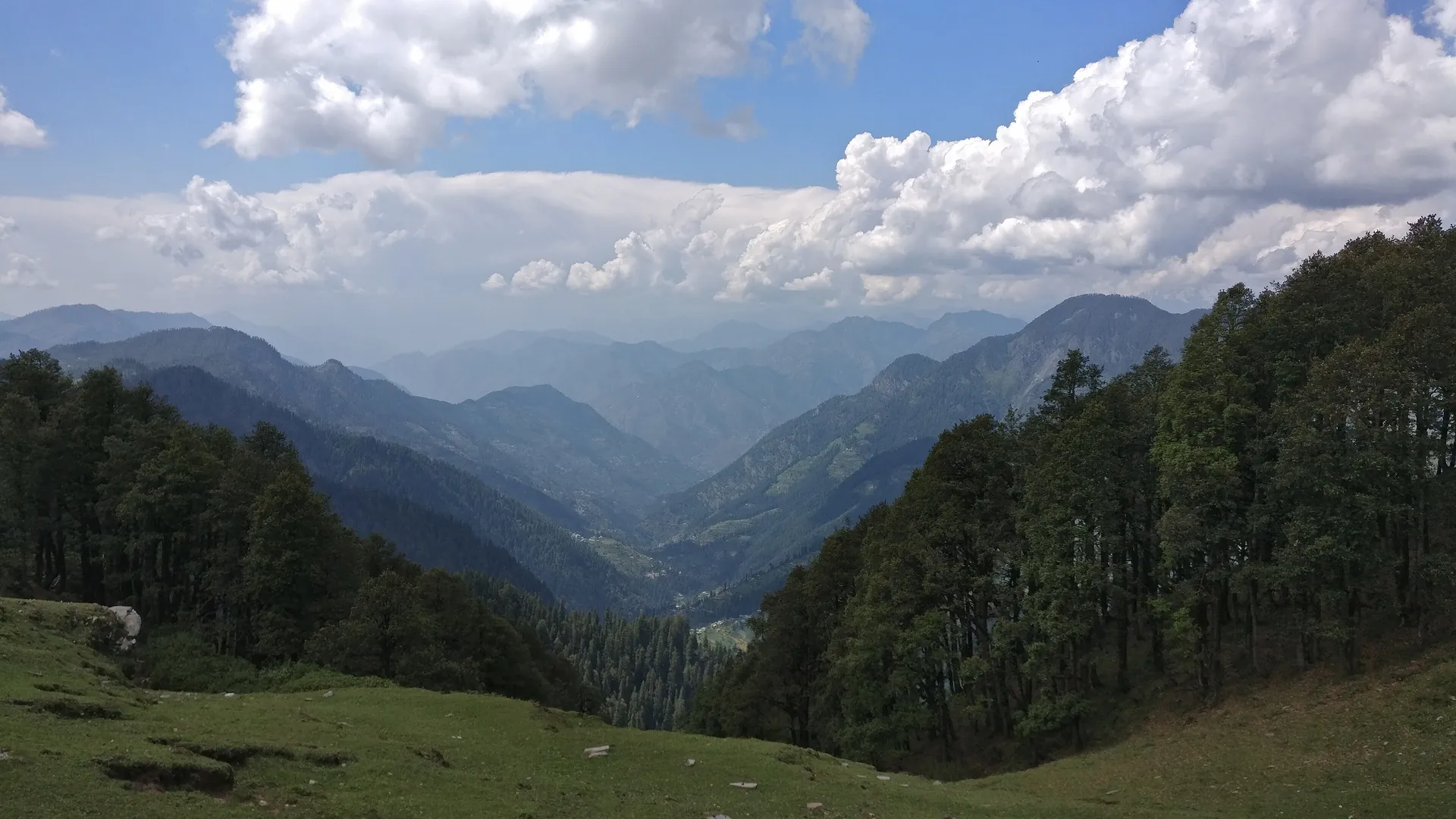
Jalori Pass, Serolsar lake and Raghupur Fort — the pass day, walk by walk
The road to the top
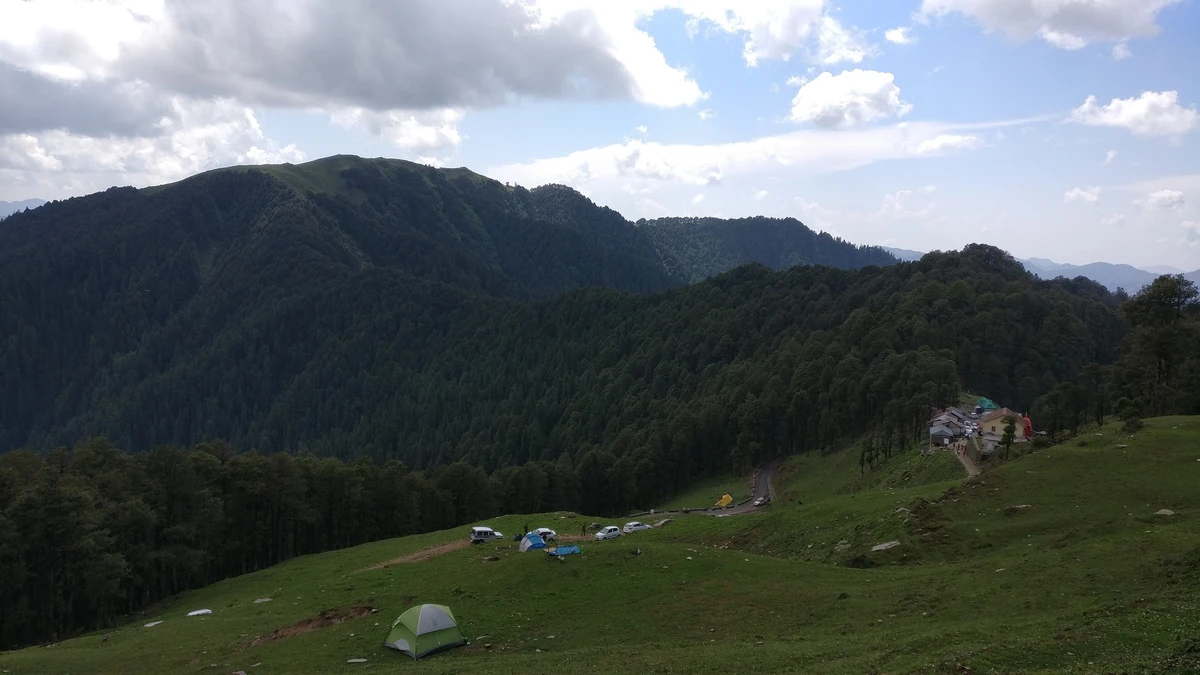
Jalori Pass is the head of the Banjar valley's road: 21 km and 40 minutes from Banjar through Jibhi and Shoja, a taxi typically ₹1,500–2,500 one way as of September 2026, waiting at the top. The road tops out at a meadow with a temple and a row of dhabas and goes on down the far side; the pass is where you get out. Cold in every month, clearest in October, shut in snow in spells between late December and March.
Photos: Sukhjiwan Singh (CC BY-SA 4.0) · Gannu03 (CC BY-SA 4.0) · Phototraveller1 (CC BY-SA 4.0) · Manish57335 (CC BY-SA 4.0) — via Wikimedia Commons, resized.
Serolsar lake — the long, easy one
East from the dhabas, the ridge path runs about 5 km through oak and fir — 103 minutes up and 71 down by our measure — to Serolsar, a small round lake about 3,100 m up with the Budhi Nagin temple on its bank. The path is well used and hard to lose in clear weather; the ridge is exposed and there is no water on it. The lake is a shrine: no bathing, no fires, nothing left. At first light in October the water is glass and the oaks are turning, which is why the October–November plan starts in the dark.
Raghupur Fort — the short, steep one
West from the dhabas, the path climbs about 1.8 km — 47 minutes up and 22 down — through forest and then open grass to Raghupur, a few courses of old wall round a wide meadow with a stone hut and the whole valley below. The Tirthan on one side, the Kullu ranges on the other, the snow to the north on a clear day. The meadow is the point; the sunrise from it is the valley's best.
Both in a day, or a night between
Strong walkers do both from the pass in one long day — the fort first, lunch at the dhabas, the lake after — and it is a long, exposed day. Most people give each its own morning: the friends plan sleeps at Shoja between them, the adventure sampler in a tent on the meadow. In season the dhaba families pitch tents and quote on the day; a sleeping bag of your own is the difference between a night and a cold one.
Guides, and when you do not need one
Neither walk needs a guide in clear weather. In cloud, early snow, the monsoon, or for a first time with children, one is cheap sense — typically ₹1,500–2,500 a day through the homestays. Never in a storm; both tops are exposed.
When the road shuts
Snow closes the pass road above Shoja in spells between late December and March; the plough opens it by the day and the taxi drivers at Shoja know each morning how far it goes. The winter plan takes the road as far as it is open and asks for nothing more. From April to November both walks work; October is the month.
Plans that include this
All Banjar itineraries →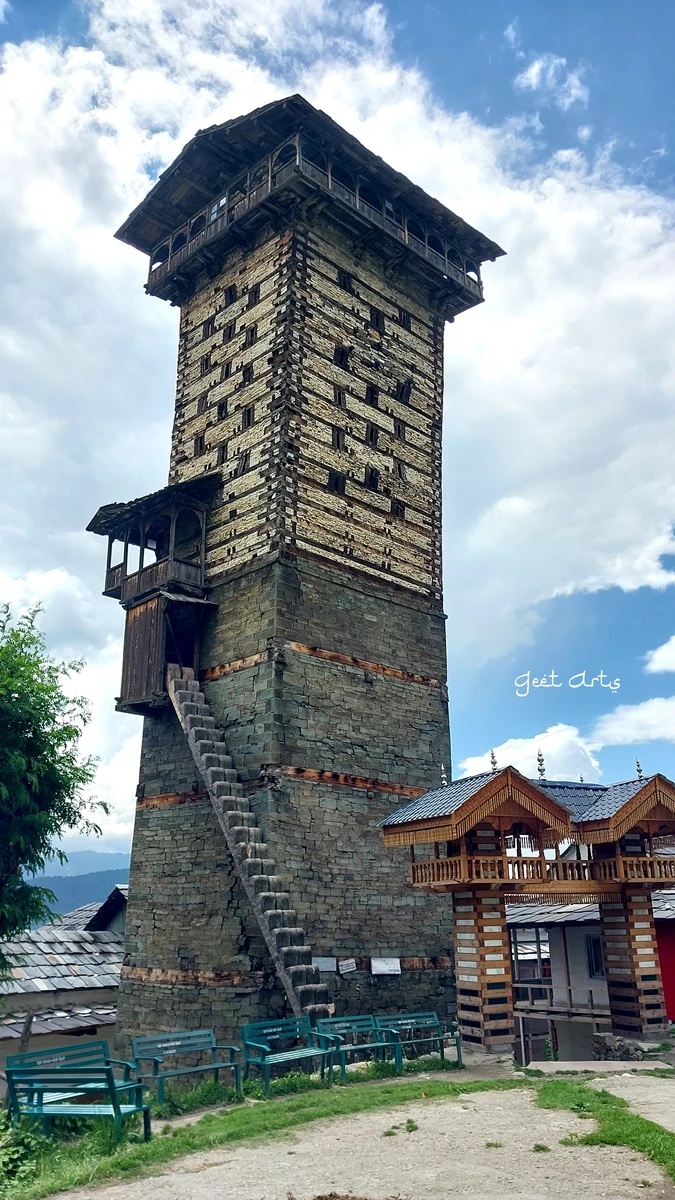 Day plan · First visitTemples & heritage
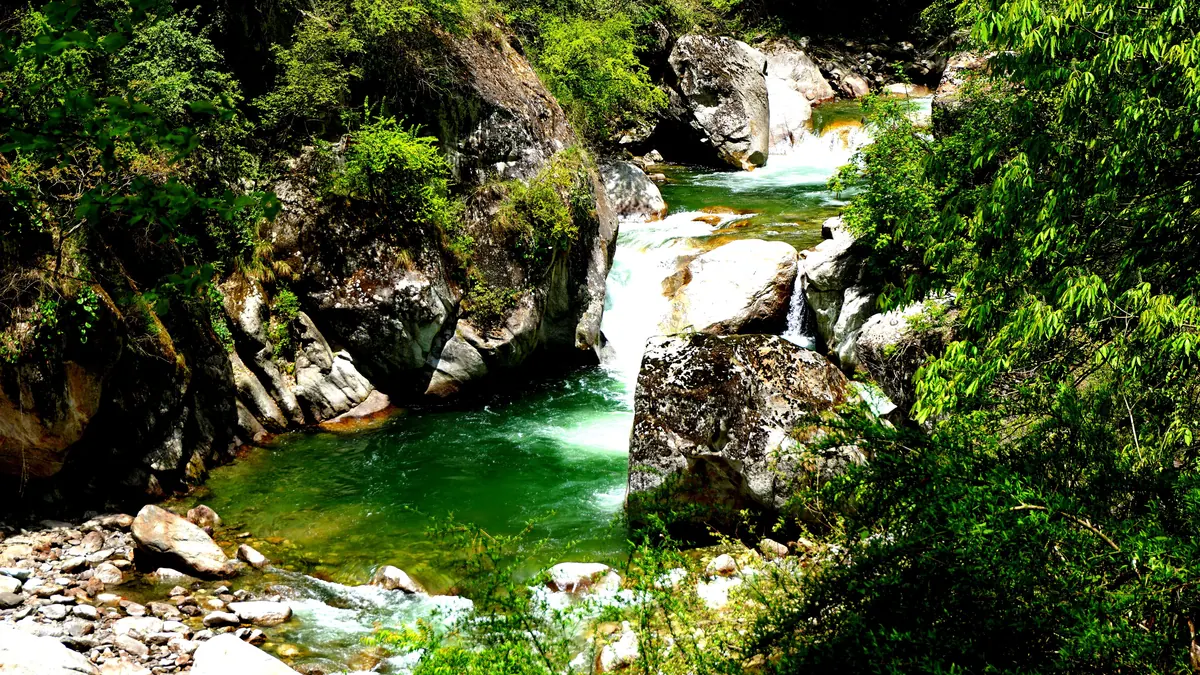 1 night · 2 days · First visitClassic
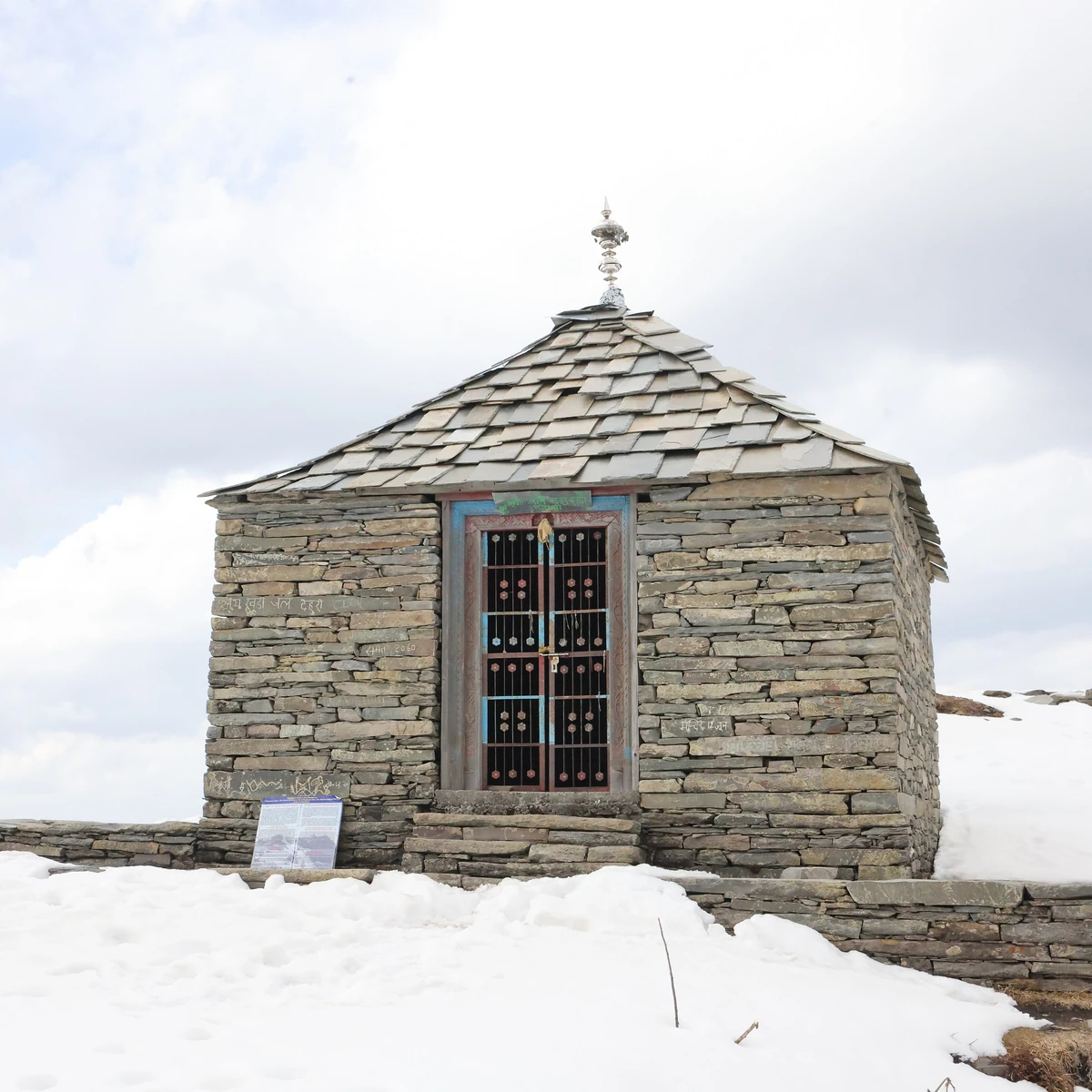 1 night · 2 days · First visitWalks & treks
 2 nights · 3 days · Slow travelCafés & food
 2 nights · 3 days · First visitClassic
 2 nights · 3 days · Slow travelMonsoon
Questions people ask
Which is better, Serolsar lake or Raghupur Fort?
Serolsar for the walk — long, easy, through forest, with a lake and a temple at the end; Raghupur for the view — short, steep, and a meadow on top with the valley one side and the ranges the other. Strong walkers do both in a day from the pass; most people give each a morning with a night at Shoja between.
How long does the Jalori Pass day take?
From Banjar, 21 km and 40 minutes up to the pass by road as of September 2026. Then either 103 minutes up and 71 down to Serolsar lake or 47 up and 22 down to Raghupur Fort by our measure, lunch at the dhabas, and the road back. One walk is a full day; both want a night at Shoja.
Is there food and water at Jalori Pass?
The dhabas at the pass do tea, lunch and, in season, dinner and breakfast for anyone sleeping in the tents the dhaba families pitch on the meadow. There is nothing on either path — no water, no stall — so carry the walk's water from the pass. Under snow the dhabas shut and the temple stands alone.