
Jibhi or the Tirthan valley? The same valley, two sides — which to sleep on, and how to have both
One valley, two roads
People ask "Jibhi or Tirthan?" as if they were two places, and the honest answer is that they are two sides of one small valley with Banjar's bazaar in the middle. The pass road climbs south from Banjar through Jibhi and Shoja to Jalori Pass, 21 km and 40 minutes up. The river road runs east from Banjar past Sai Ropa to Gushaini, 10 km and 18 minutes, where the Tirthan meets the park. The two are about half an hour apart by road. The question is really which to sleep on.
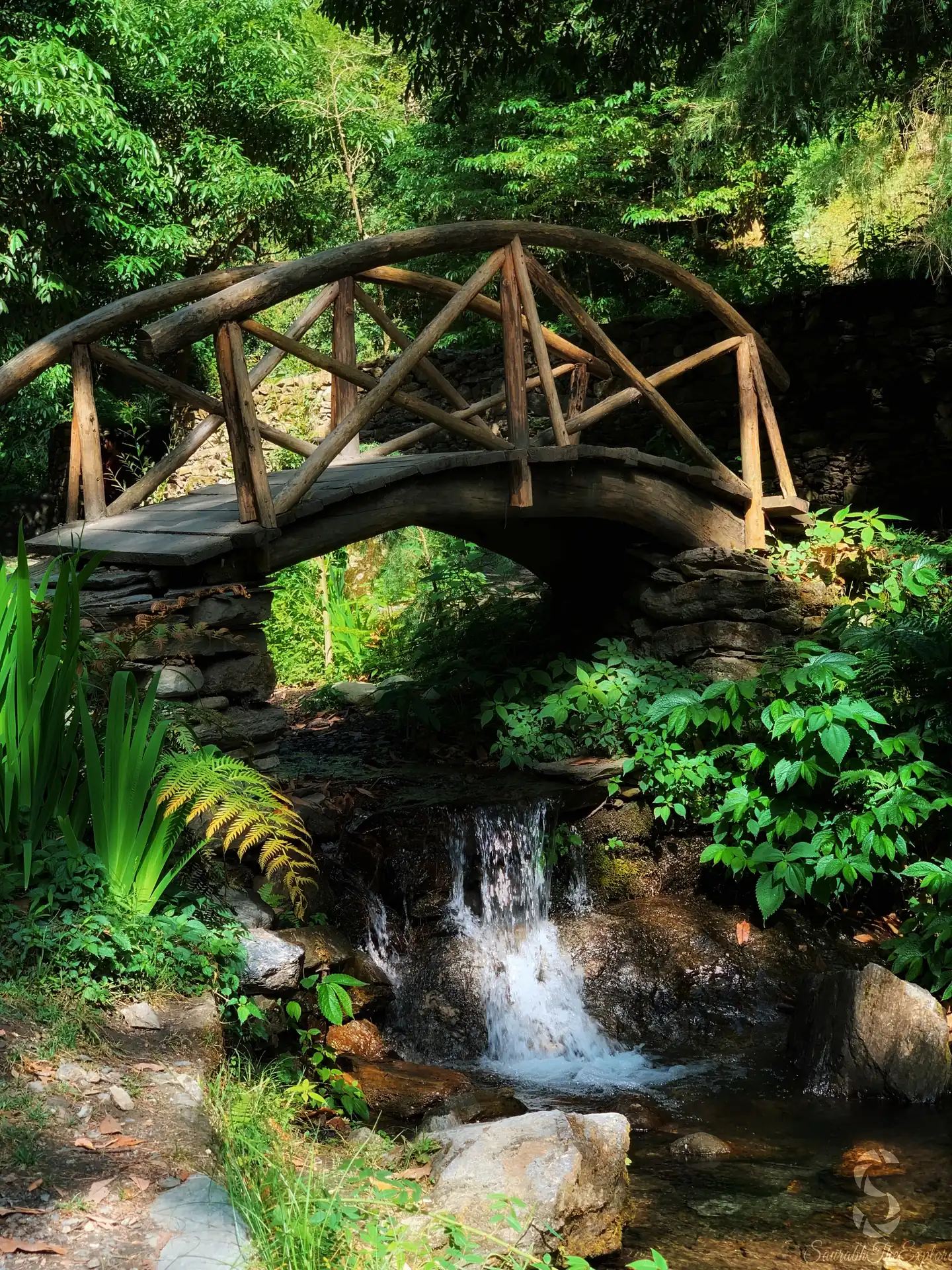
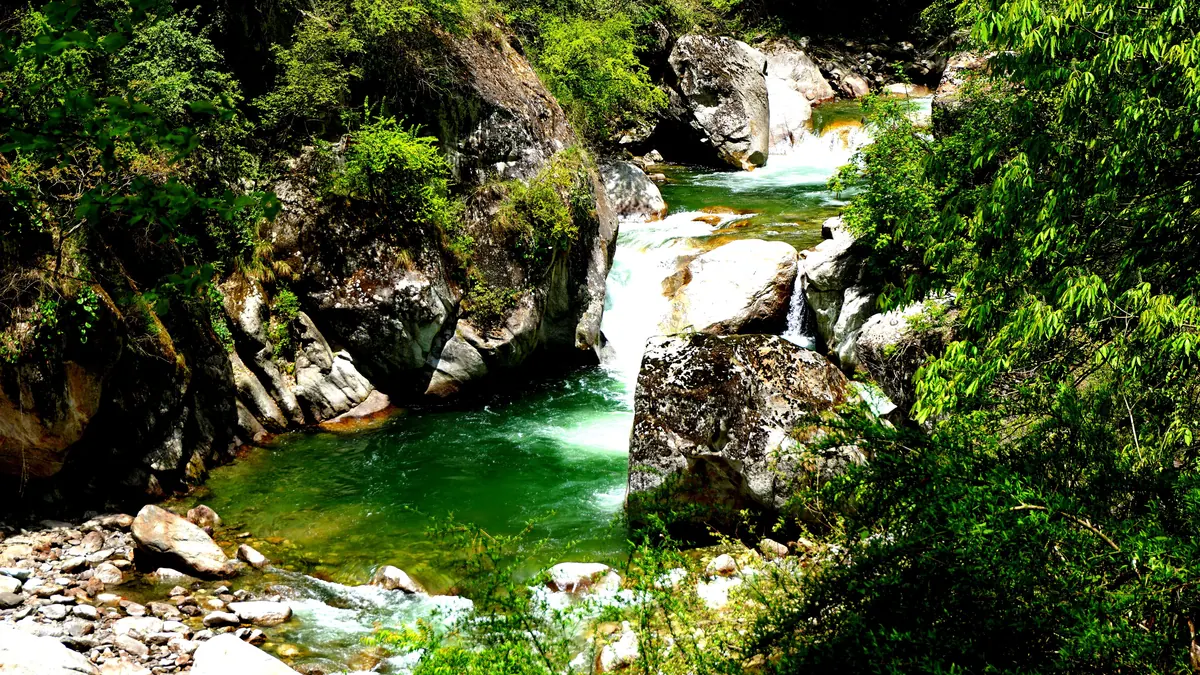
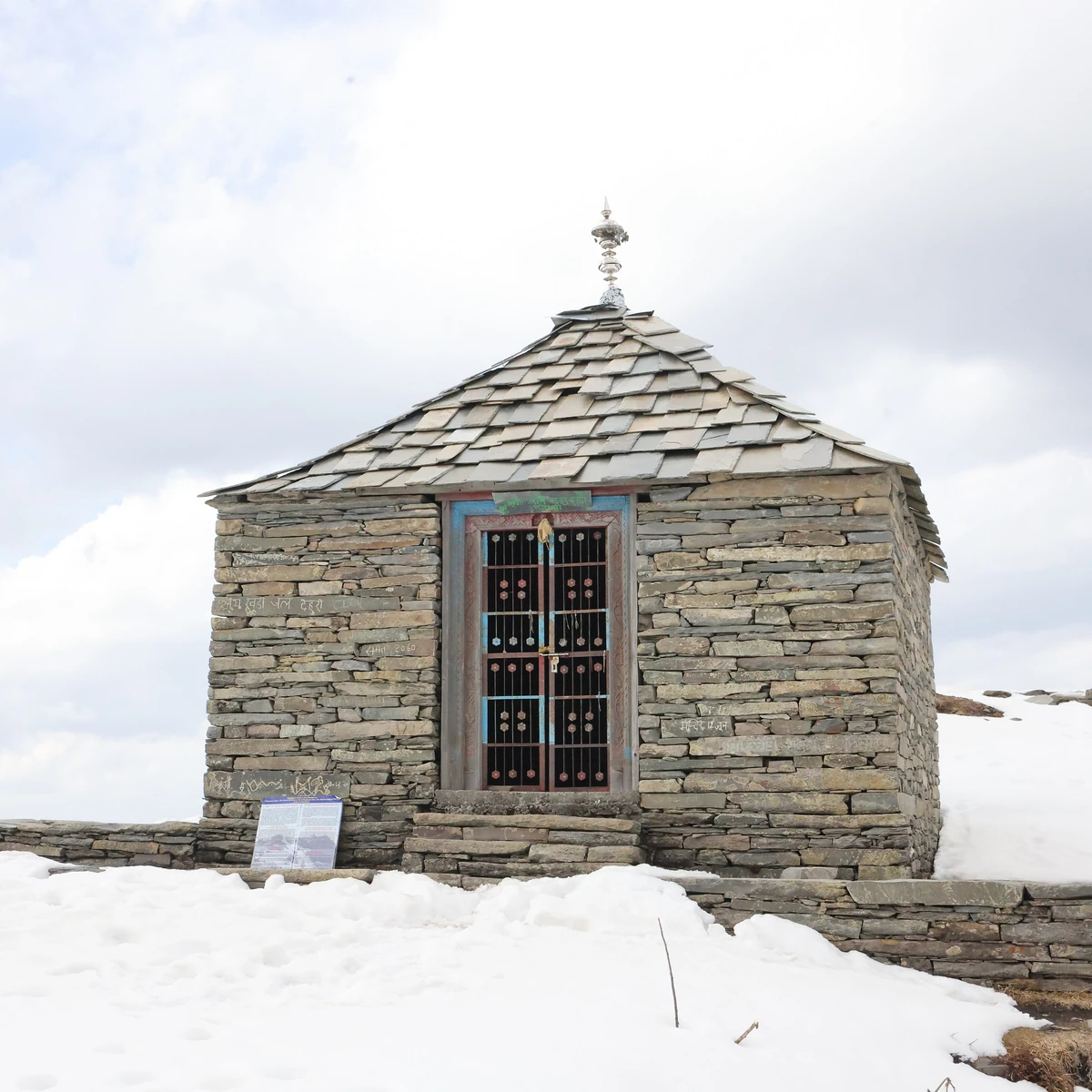
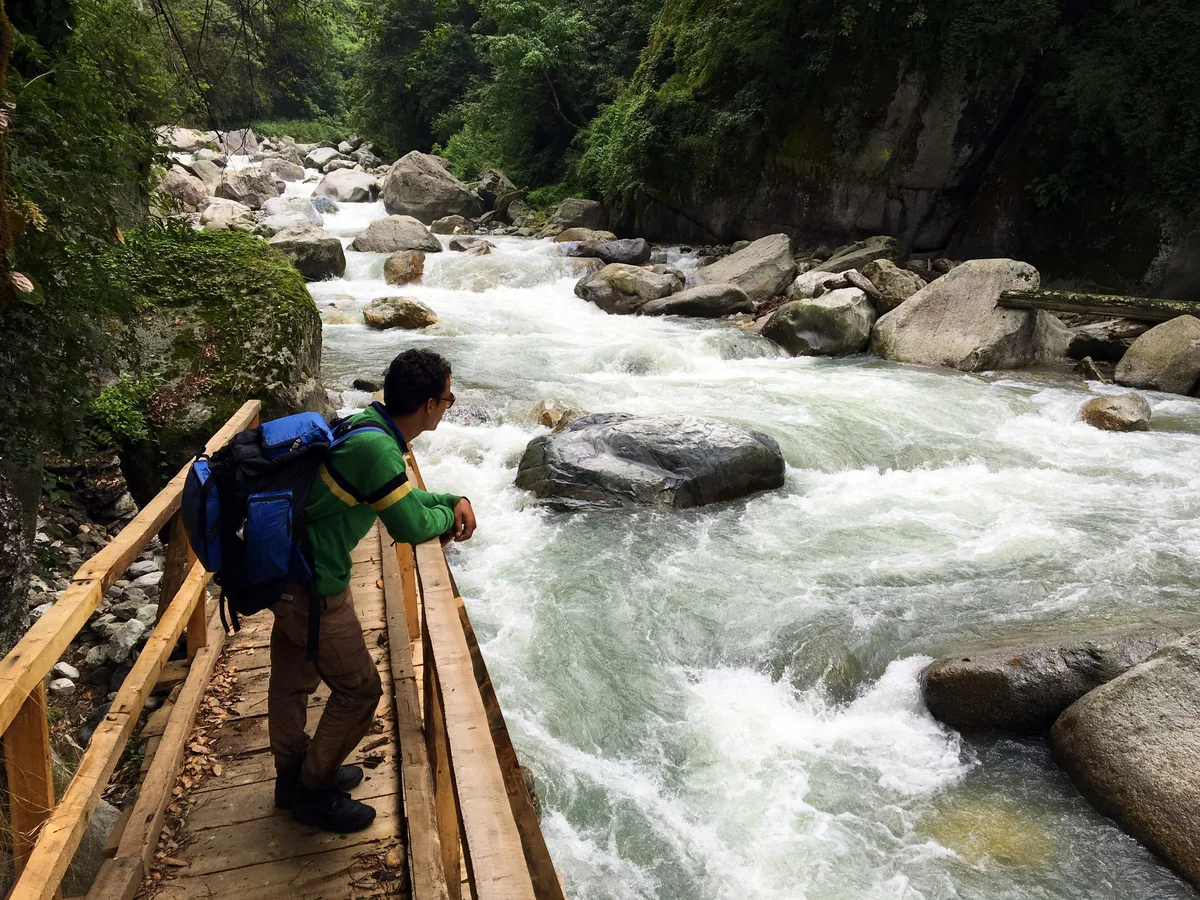
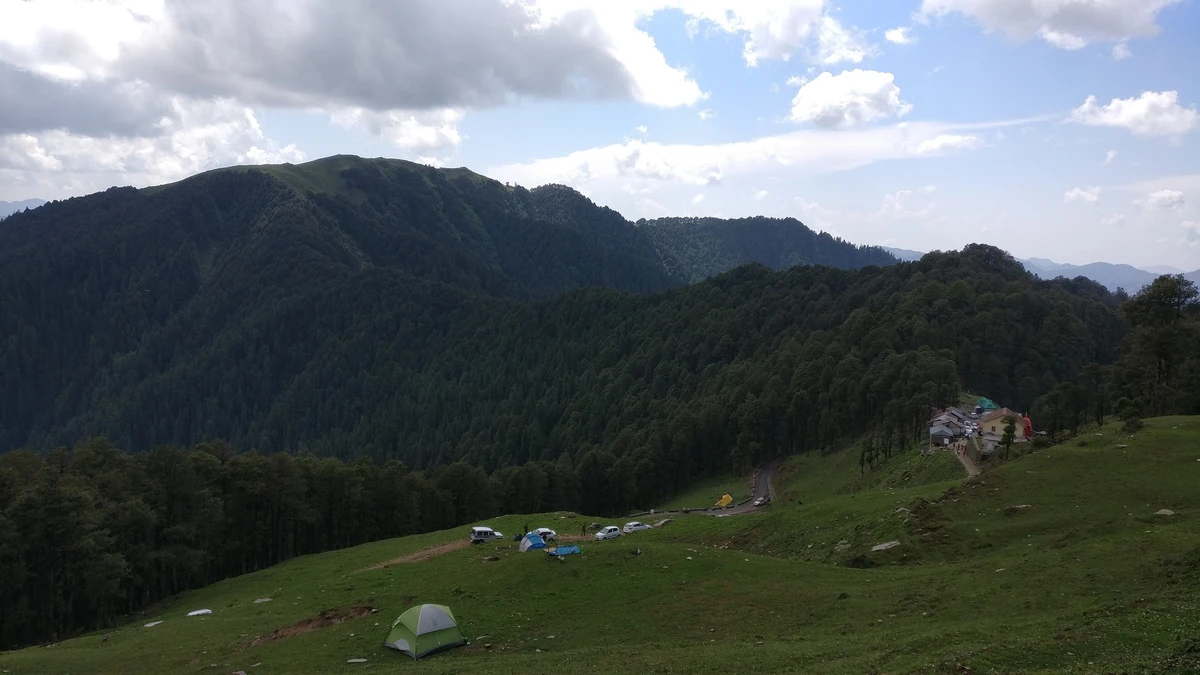
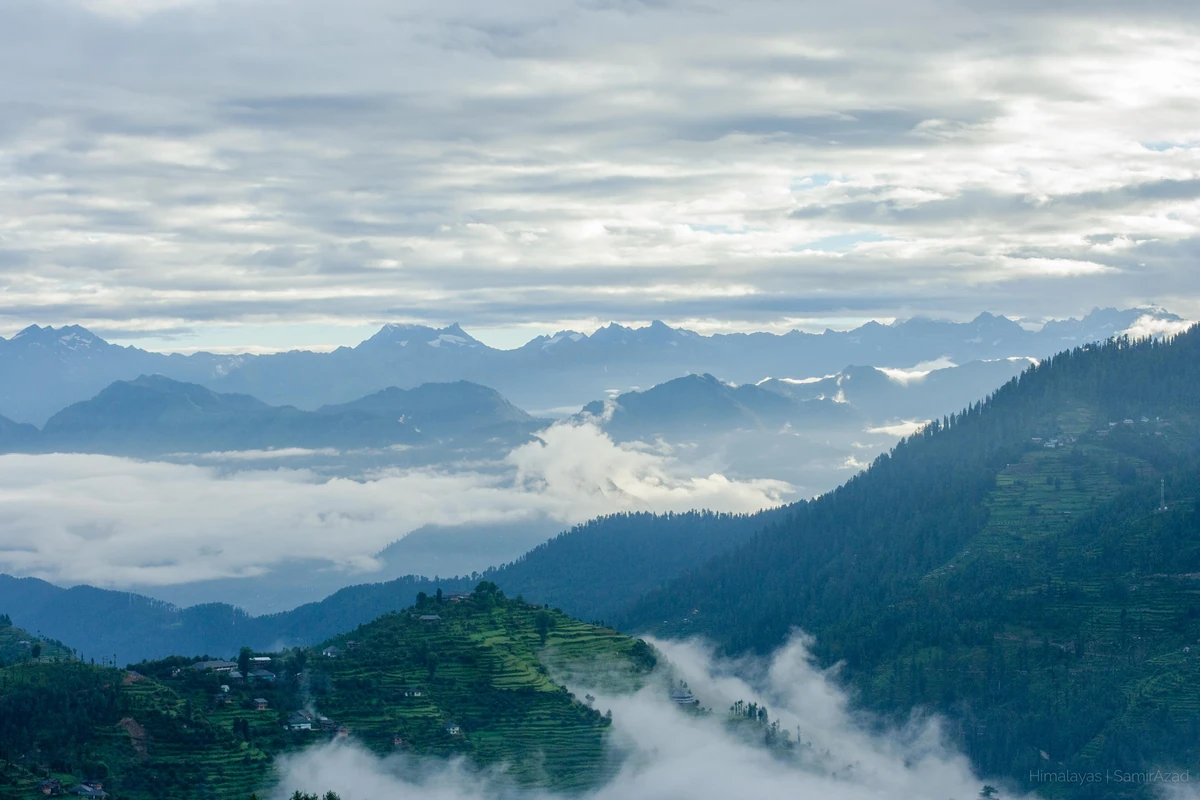
Photos: Vishrutpanday (CC BY-SA 4.0) · Manish57335 (CC BY-SA 4.0) · Suresh Karia (CC BY-SA 4.0) — via Wikimedia Commons, resized.
What Jibhi has
Cafés on a stream, wooden guesthouses, the waterfall a few minutes from the bridge and the gorge at Mini Thailand below, and Jalori Pass an hour above with the two ridge walks — Serolsar lake and Raghupur Fort. The better signal, the more places to eat, the long-weekend crowd. Rooms typically ₹1,000–3,000 a night in season as of September 2026.
What the river has
Homestays on the water at Gushaini and Nagini, trout on every menu and a licensed rod in the pools, the park's ecozone paths from the bridge, and the Great Himalayan National Park itself on a permit from Sai Ropa. The villages of Sharchi and Pekhri on the slopes above. Quieter, closer to the walks, and the family kitchen for dinner. Rooms typically ₹1,500–3,500 a night in season with meals.
Who each suits
Jibhi: first visits with a weekend, groups of friends, anyone who wants a café within walking distance and the pass for a day. The river: walkers, anglers, couples who want a terrace and a river, anyone coming for the park. Photographers in October go to Shoja, above Jibhi, for the dawn walks; families with small children do better on the river, where the walks are flat and short.
Having both
Sleep on one side and drive to the other for a day — that is what the classic three days does, on the river with a Jalori day. Or split the nights: the friends plan sleeps at Jibhi, then Shoja, then Gushaini. With one night, the two-day plan sleeps on the river and sees Jibhi on the way out; the Jibhi and Jalori two days does the reverse.
Plans that include this
All Banjar itineraries →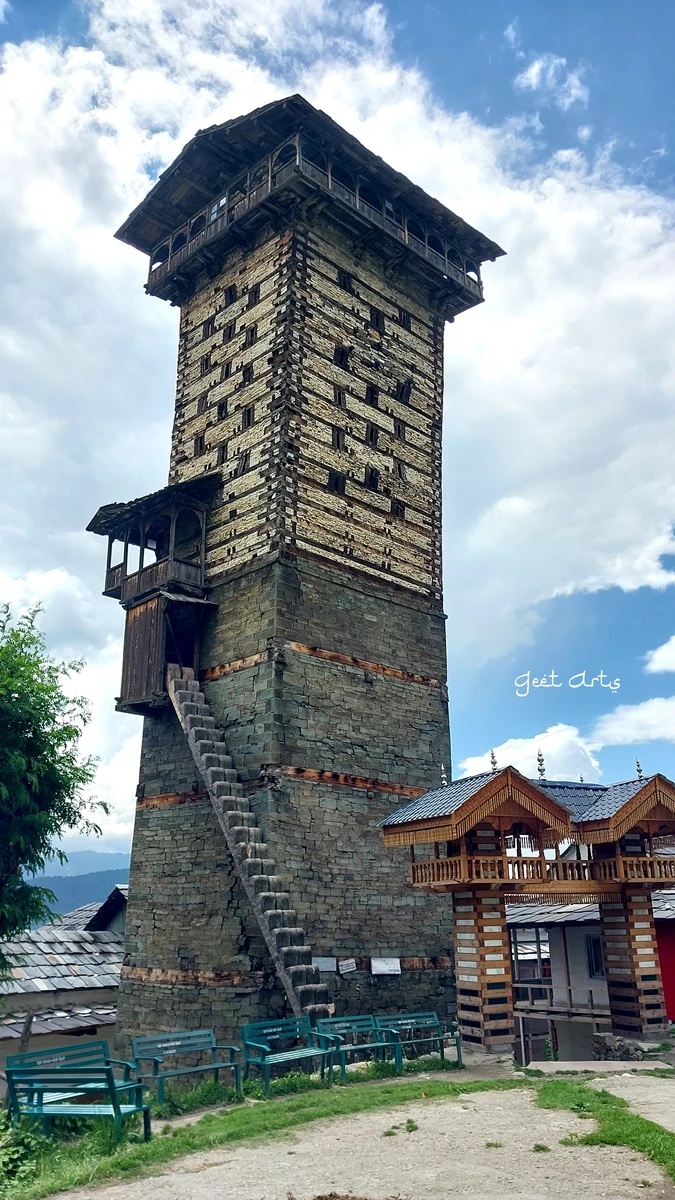 Day plan · First visitTemples & heritage
 1 night · 2 days · First visitClassic
 1 night · 2 days · First visitWalks & treks
 2 nights · 3 days · Slow travelCafés & food
 2 nights · 3 days · First visitClassic
 2 nights · 3 days · Slow travelMonsoon
Questions people ask
Is Jibhi in the Tirthan valley?
Strictly, Jibhi is on the Banjar side, on the road that climbs from Banjar to Jalori Pass, while the Tirthan river runs the other way from Banjar to Gushaini and the park. In practice people call the whole valley the Tirthan, and Banjar's bazaar sits between the two sides, about half an hour apart by road.
Which is better, Jibhi or Gushaini?
Neither; they are different stays. Jibhi is cafés, guesthouses on a stream, a waterfall, and Jalori Pass an hour above with its two ridge walks. Gushaini is homestays on the river, trout, and the Great Himalayan National Park's paths from the bridge. Livelier and busier on the Jibhi side; quieter and closer to the walks on the river.
Can you do Jibhi and the Tirthan river in one trip?
Easily — they are 7 km and 10 km from Banjar on opposite roads, half an hour apart. Sleep on one side and drive to the other for a day, or split the nights: the classic three days sleeps on the river and drives up to Jalori, the friends plan sleeps at Jibhi, Shoja and Gushaini in turn.