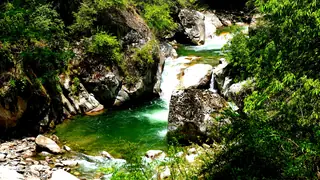
Gushaini
town · 18 min from Banjar
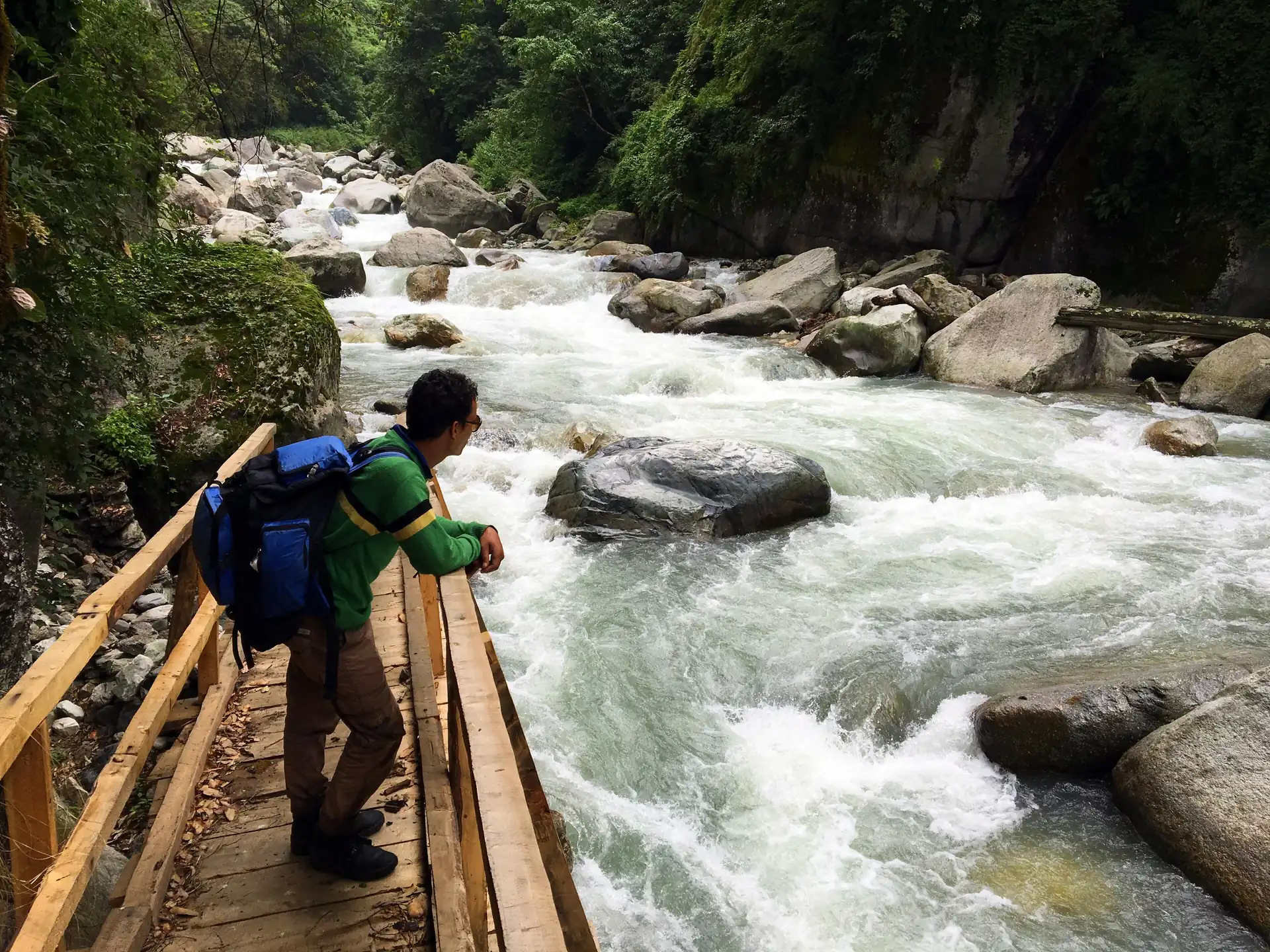
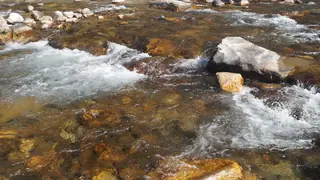
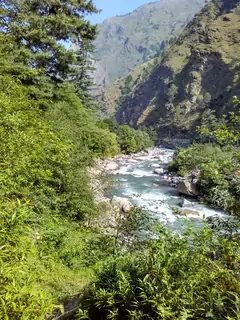
The Tirthan is a trout river — brown trout in the pools, rainbow from the valley's farms on every homestay menu — and this plan is three days spent beside it and eating from it. A licence on the first morning, the pools at Nagini and Gushaini, lunch above the river at Sharchi, and the confluence at Larji on the way out. It is a slow plan with one purpose, and it suits people who fish and people who only want to sit near someone who does.
Angling on the Tirthan is licensed by the state's fisheries department and closed in the winter breeding months; the homestay or the Sai Ropa office will say which beats are open and how the licence is taken that season. Rods and a local who knows the water are arranged through the homestay. Nothing else needs booking. The road minutes are measured on the actual road.
Photos: Ankitwadhwa10 (CC BY-SA 4.0) · Vishrutpanday (CC BY-SA 4.0) · Nanda ramesh (CC BY-SA 4.0) · Ramwik (CC BY-SA 3.0) · Rajani Gairshail (CC BY-SA 4.0) — via Wikimedia Commons, resized.
Anglers with a few days, and their families. Couples who want a river and a terrace and would rather eat trout than walk to a lake. Not for the pass — the classic three days does Jalori — and not for the park's interior, which the walks plan takes on a permit.
Up the valley to Sai Ropa first — the fisheries licence and the season's rules are asked for here or at the homestay — then a camp on the bank at Nagini and the afternoon on the water.
The morning on the river at Gushaini, then the side road up to Sharchi for a trout lunch with the valley below, and back down for the evening rise.
Down the valley on the last morning to Larji, where the Tirthan meets the Beas below the dam, for the wide water and a dhaba lunch, then Aut for the afternoon bus.
Through Aut on the Kullu highway, 24 km up the valley to Banjar and 8 km more to Nagini on the river road. The overnight bus from Delhi's Kashmere Gate stops at Aut before the tunnel; Bhuntar's airport is 42 km from Banjar. The plan ends back at Aut, with the afternoon bus.
A camp or homestay on the bank at Nagini the first night, for the pools below it; Gushaini the second, for the beats above and below the bridge and the trout kitchens. Both take walk-ins outside the long weekends; both will arrange a rod, a local guide and the licence if asked the evening before.
The river without the rod: the couples plan stays above Gushaini at Sharchi and keeps the walks short.
The valley's activities day by day: the adventure sampler puts a morning's angling beside the park walk and the pass.
A week on the river: the solo slow week.
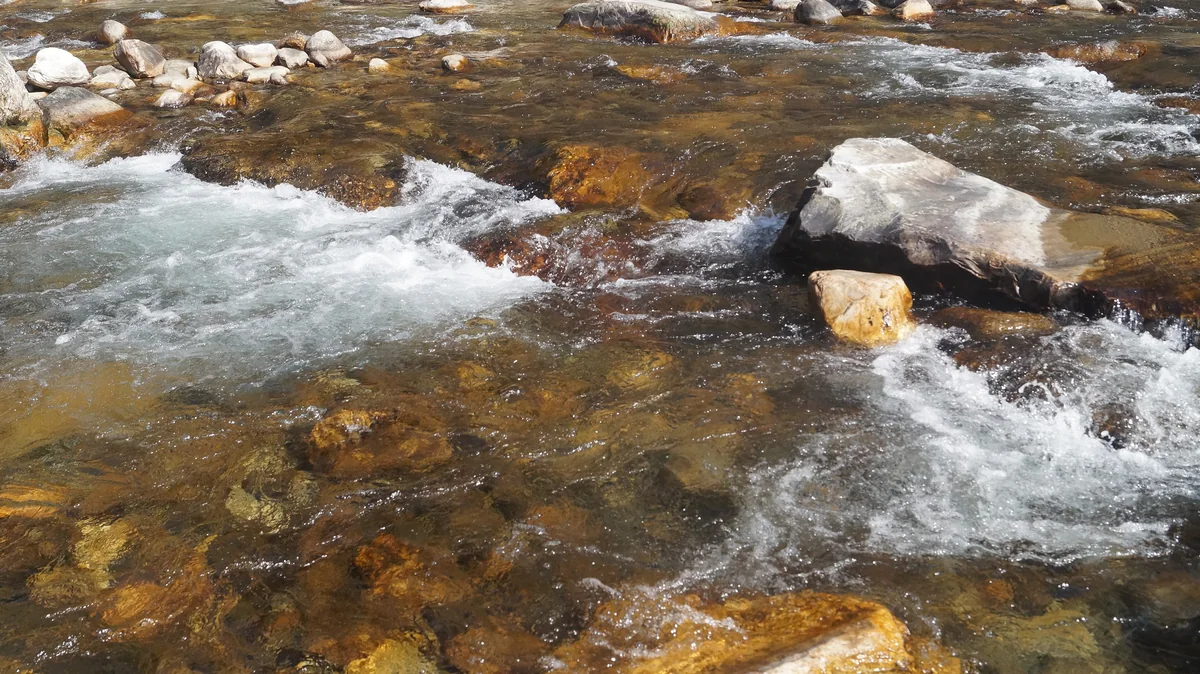 2 nights · 3 days · Couplesslow
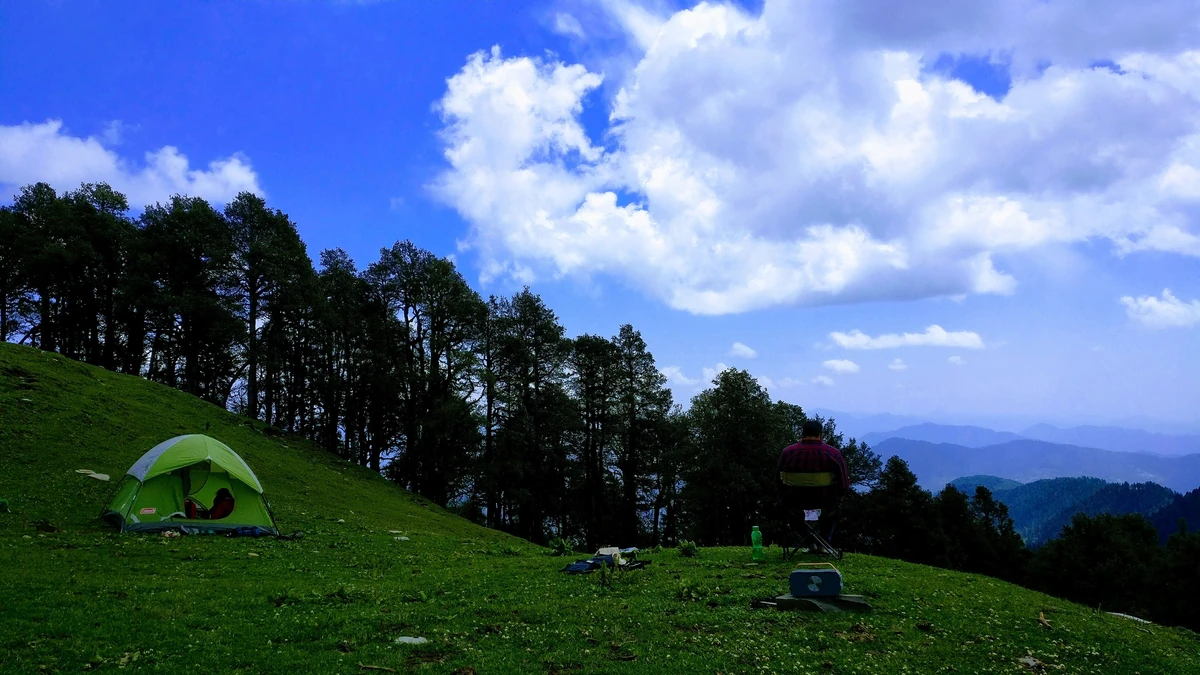 2 nights · 3 days · FriendsAdventure6 nights · 7 days · Soloslow
 2 nights · 3 days · First visitClassic
Yes — angling on the Tirthan is licensed by the state's fisheries department by the day, and the river is closed to rods in the winter breeding months. The homestay or the Sai Ropa office will say how the licence is taken that season and which beats are open; a local who knows the water is arranged the same way.
The river opens after the winter breeding closure and fishes best in spring and again in autumn, when the water is clear; the monsoon months turn it brown and high, and the fisheries department closes it through the coldest part of the year. This plan's months are March to June and September to October.
At almost every homestay and camp on the river road — Nagini, Gushaini, Sharchi — typically ₹400–700 a plate as of September 2026, grilled or fried, often farmed rainbow trout from the valley's own farms rather than the river's brown. Ask which; both are good, and the farmed one keeps the river's stock where it belongs.