A slow version of the valley for two: a homestay on the slope above Gushaini where the only sound is the river, a day on the pass road that ends with the sunset from Shoja. Then a last morning in the park's forest before the road down. No long walk, no early start, and no evening that needs more than a terrace and a fire.
Nothing needs booking. The homestays take walk-ins outside the long weekends, the taxis are arranged the evening before, and the paths on this plan are short and flat. The road minutes are measured on the actual road.
Who this is for
Couples who want quiet rather than sights, and anyone whose idea of a hill trip is a terrace, a river and a village. It is not for people who want to tick off Jalori and the lake — the classic three days is the plan with the pass walk — and not for the park, which the walks plan does properly.
Day by day
Day 1
Up to Sharchi, and down to the river
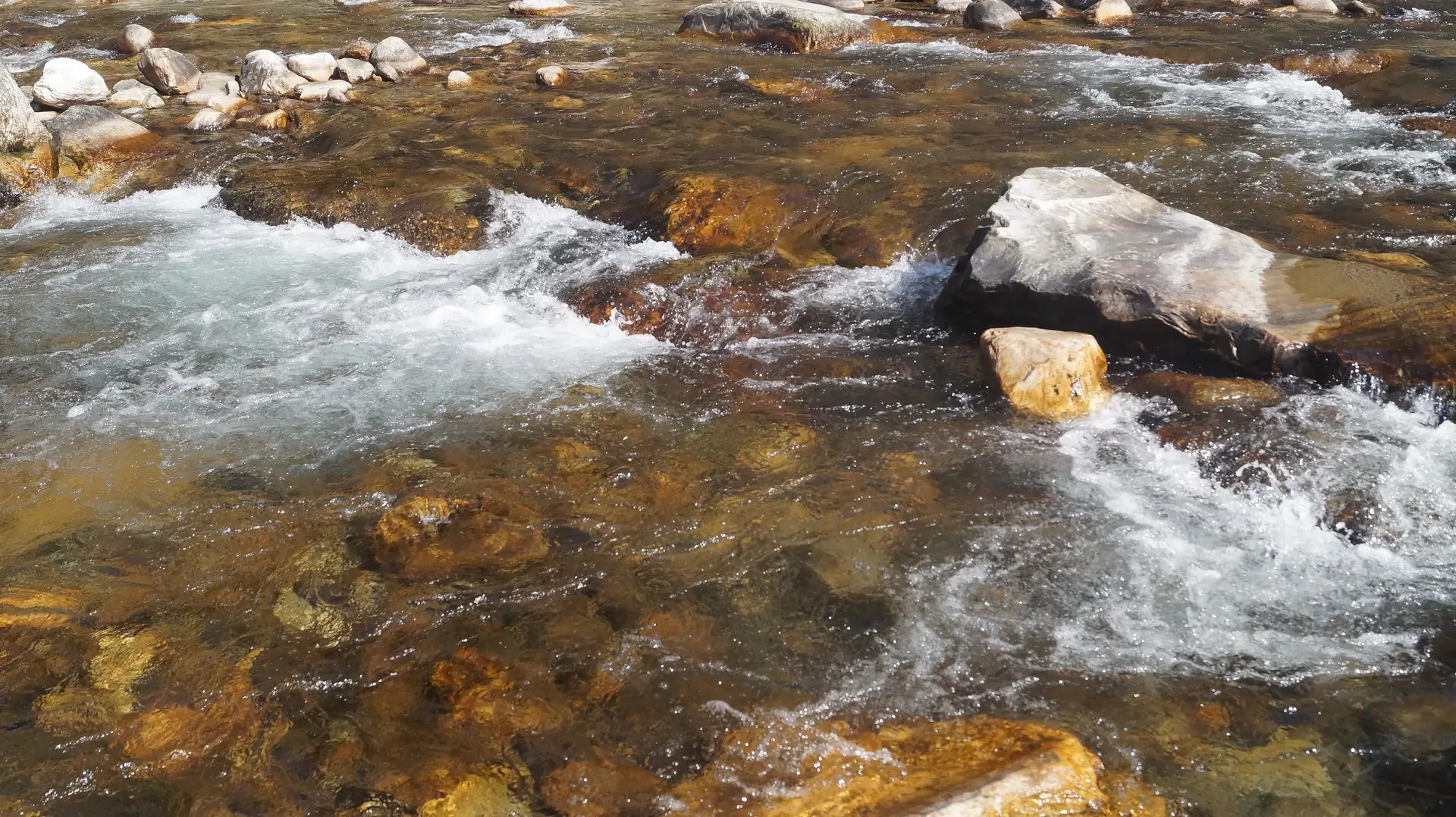
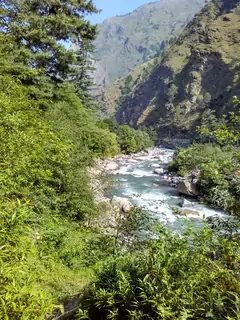
Arrive by early afternoon, cross the bridge at Gushaini and take the side road up to Sharchi for a homestay with the valley below it. Walk back down to the river before the light goes, and up again for dinner.
12:30
Gushainitown · 18 min from Banjar · about 1 h 30 min there
The bridge and the bazaar of a dozen shops, 18 minutes from Banjar. Lunch here before the side road; the taxi from Aut is typically ₹1,200–2,000 one way as of Sep 2026 and will take you on up to Sharchi for a little more.
↓ 31 min by road · 16 km
14:30
Sharchitown · 46 min from Banjar · about 1 h 30 min there
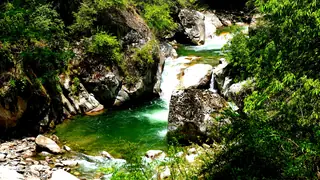
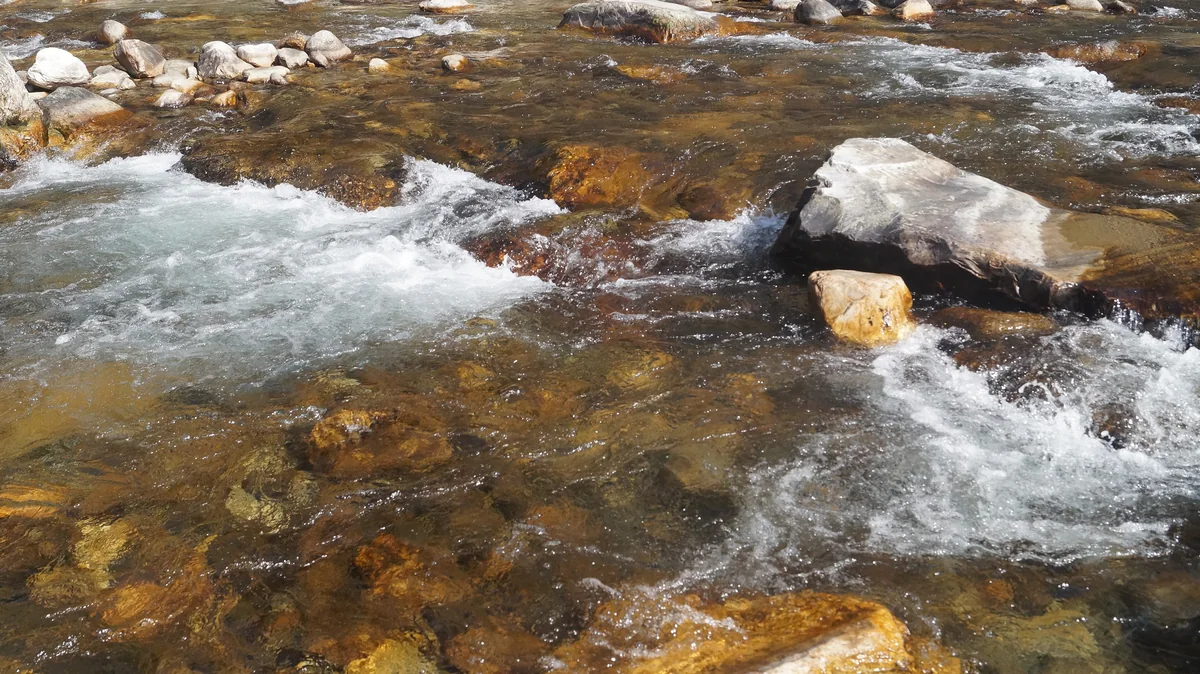
The village on the slope across the river, reached by a side road that climbs from the bridge. Homestays with terraces facing the valley — typically ₹1,500–3,500 a night in season with meals. The path down to the river and back is the evening.
Day 2
Jibhi's waterfall and gorge, then Shoja for the sunset
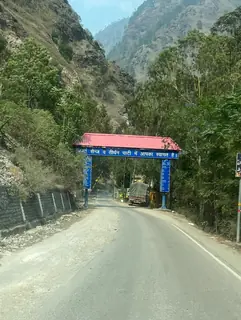
A late start, then the pass road: Jibhi for the waterfall and the gorge and a long café lunch, and on up to Shoja for the last of the light on the ridges and a cold, quiet night.
11:00
Jibhi Waterfallwaterfall · 21 min from Banjar · about 45 min there
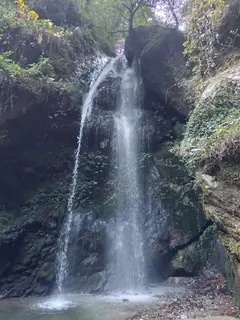
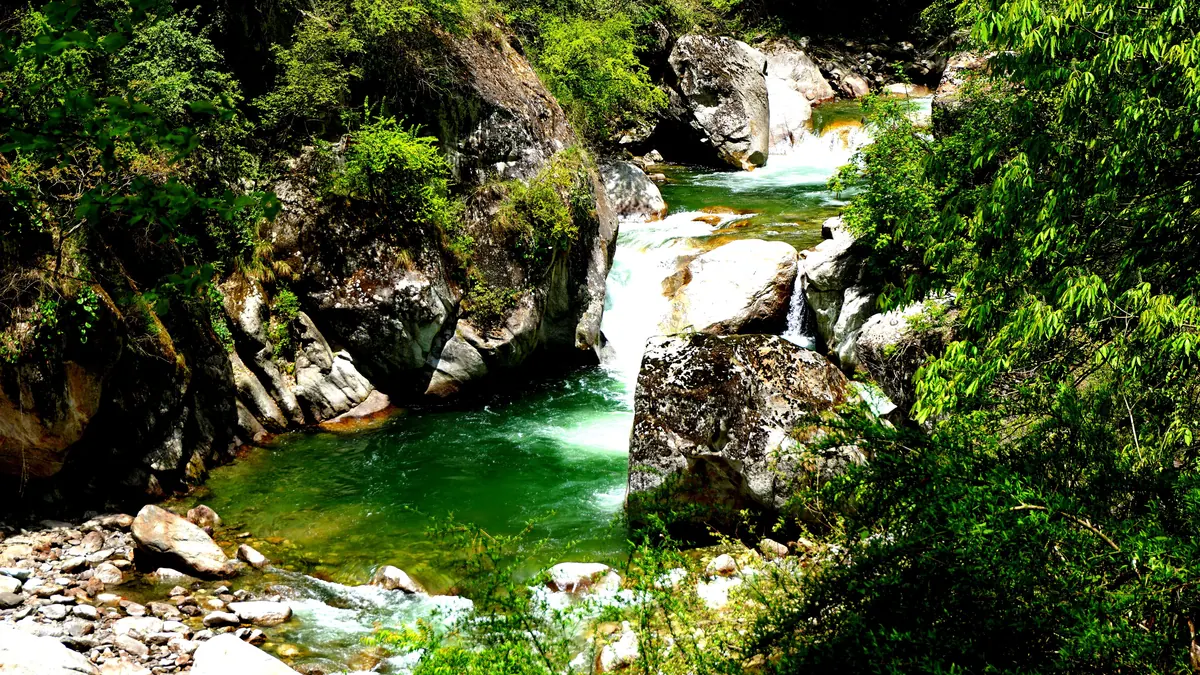
Through the gate by the bridge and along the bank to the fall and its pool, a few minutes on the flat. Late morning on a weekday is empty; a long weekend is not.
↓ 8 min by road · 3 km
12:30
Mini Thailandviewpoint · 17 min from Banjar · about 20 min there
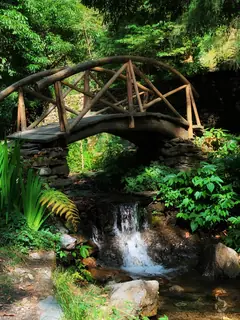
The gorge below the village where the stream runs between rock walls under a footbridge, ten minutes from the road. Then a café on the water for as long as lunch lasts.
↓ 11 min by road · 6 km
16:00
Shojatown · 28 min from Banjar · about 1 h 30 min there
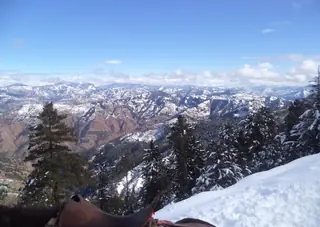
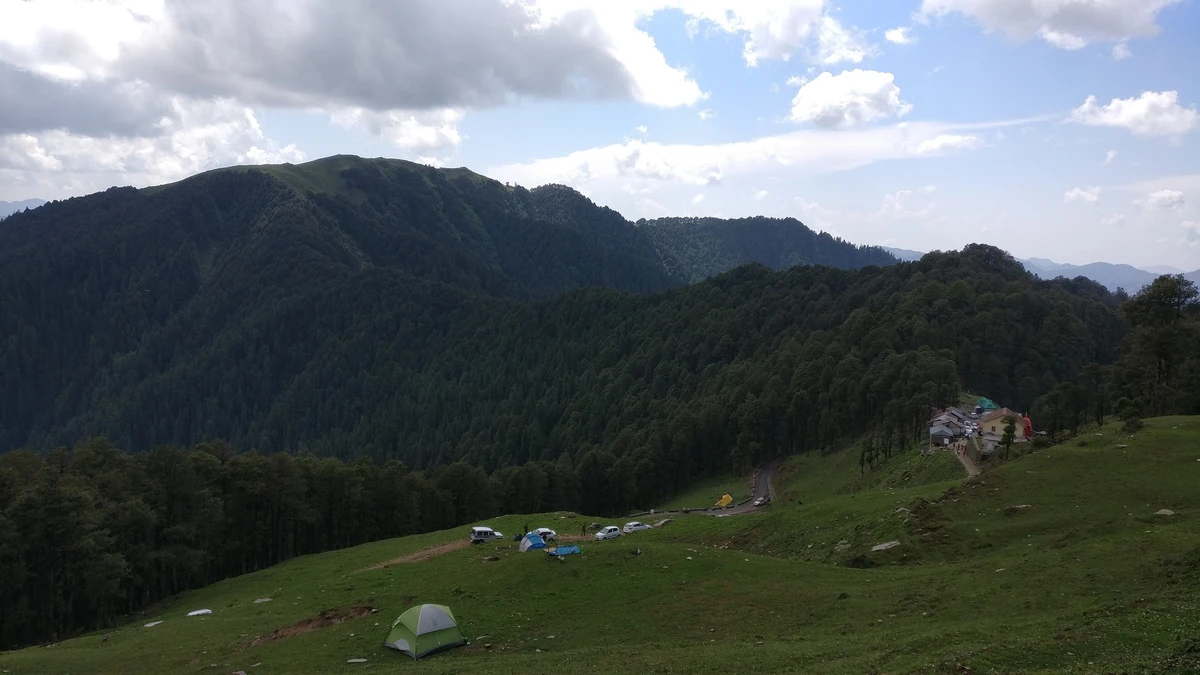
The last village below the pass, 28 minutes above Banjar: a guesthouse on the bend, the deodar lane to the rest house, and the ridges going pink from the terrace. Typically ₹1,000–3,000 a night in season; the pass is half an hour above for a morning look if the road is open.
Day 3
The park's centre, and the slow road down
Down the pass road and along the river to Sai Ropa for the park's small museum and the ecozone path, then Larji and the Beas for the road out.
10:00
Sai Ropaarea · 10 min from Banjar · about 30 min there
The Tirthan-side centre of the Great Himalayan National Park, 10 minutes from Banjar: half an hour in the museum, then the forest path behind it as far as you like. No permit needed for the ecozone paths.
↓ 37 min by road · 22 km
13:00
Larjitown · 34 min from Banjar · about 20 min there
The junction where the Tirthan meets the Beas and the dam holds the water, 34 minutes below Banjar. Lunch at a dhaba above the river, and Aut is a few minutes on for the bus or the highway.
Getting there
Through Aut on the Kullu highway, 24 km up the valley to Banjar and 10 km more to the bridge at Gushaini; Sharchi is a side road above it. The overnight bus from Delhi's Kashmere Gate stops at Aut before the tunnel, and Bhuntar's airport is 42 km from Banjar. The plan ends at Larji, on the way back to the highway.
Where to stay
Sharchi for the first night — the homestays there have the terrace and the view, and are a side road above the traffic of the river road. Shoja for the second, for the cold, the deodars and the sunset; Jibhi if you would rather have cafés within walking distance than quiet.
Know before you go
- Cash: the ATMs stop at Banjar, and the homestays take notes.
- Prices are bands checked in September 2026 and quoted on the day; long weekends in May, June and October run higher.
- Ask the Sharchi homestay for dinner when you arrive; the kitchen is the family's.
- Shoja is cold in every month — a layer more than the river needs, and two in October.
- The side road to Sharchi is steep; a small car manages, a low one may not.
If plans change
With the pass walk: the classic three days does Jalori and Serolsar on the middle day.
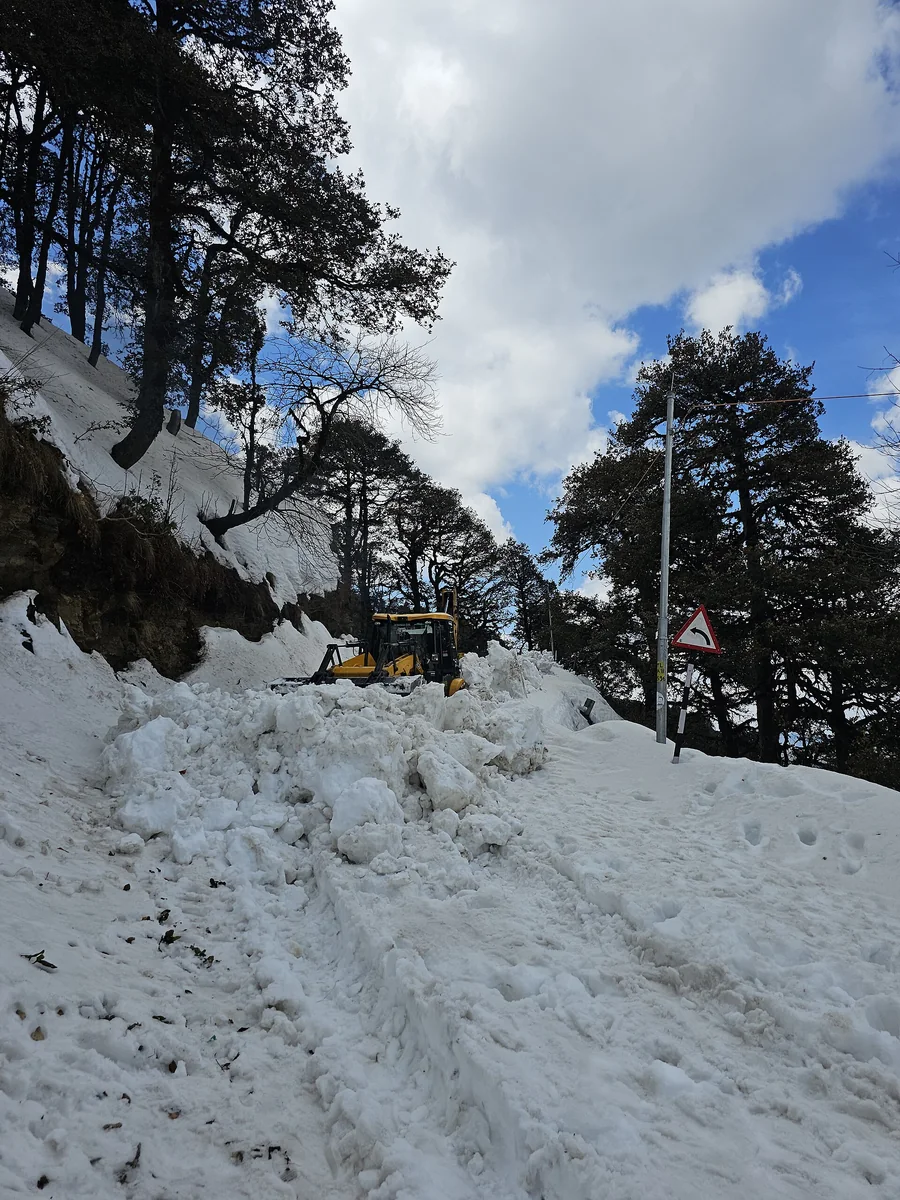
In snow: the winter plan keeps Jibhi and Shoja and takes the pass road as far as it is open.
With a week: the solo slow week keeps one base and walks a little every day.
 2 nights · 3 days · First visitClassic
Three days in the Tirthan valley — the river, Jalori Pass and Serolsar lake, then Chehni Kothi and Jibhi
The classic three days in the Tirthan valley: the river at Gushaini, Jalori Pass and the ridge walk to Serolsar lake, Chehni Kothi and Jibhi on the way out.
 2 nights · 3 days · CouplesSnow
Jibhi in winter — snow on the pass road, a frozen-edged waterfall, Shoja by the fire, and Chehni Kothi in the cold
Jibhi and Shoja in December to February: the waterfall with ice on its edges, the pass road as far as the plough has been, Chehni Kothi in the cold, what shuts.
 6 nights · 7 days · Soloslow
A slow week in the Tirthan valley alone — one homestay at Gushaini, one walk a day, and the pass once
Six nights in one homestay at Gushaini: the river path, the Chhoie waterfall, Pekhri and Sharchi on foot, one taxi day to Jalori and Serolsar, Jibhi last.
 1 night · 2 days · First visitClassic
Two days in the Tirthan valley — the river at Gushaini, then Jibhi and its waterfall on the way out
Two days in the Tirthan valley for a first visit: the park centre at Sai Ropa, a night on the river at Gushaini, Jibhi and its waterfall on the way out.
Questions people ask
Is the Tirthan valley good for a honeymoon or a couple's trip?
Yes, if quiet is the point: homestays above the river with terraces and family kitchens, short walks, a village below the pass for the sunset, and no nightlife to speak of. Couples who want a resort with a pool and a bar should look at Manali; this valley's rooms are wooden and its evenings are fires.
Where should a couple stay in the Tirthan valley?
Sharchi, on the slope across the river from Gushaini, for a homestay with the whole valley below it and nobody passing; Shoja, below the pass, for the cold and the deodars. Rooms in both are typically ₹1,000–3,500 a night in season as of September 2026, with meals at most homestays, and walk-in outside long weekends.
How many days do couples need in the Tirthan valley?
Two nights is enough for the river, Jibhi and Shoja, which is what this plan does, and a third makes room for the ridge walk to Serolsar from Jalori Pass. A week suits people who want to read on a terrace and walk a little each day; the valley does not run out of quiet.