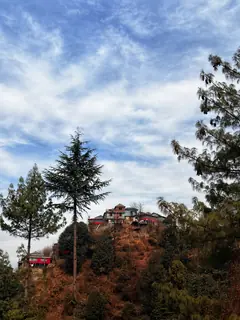
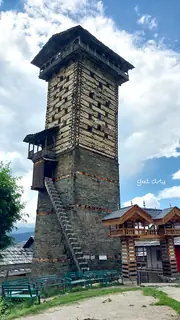
Chehni Kothi
fort · 13 min from Banjar
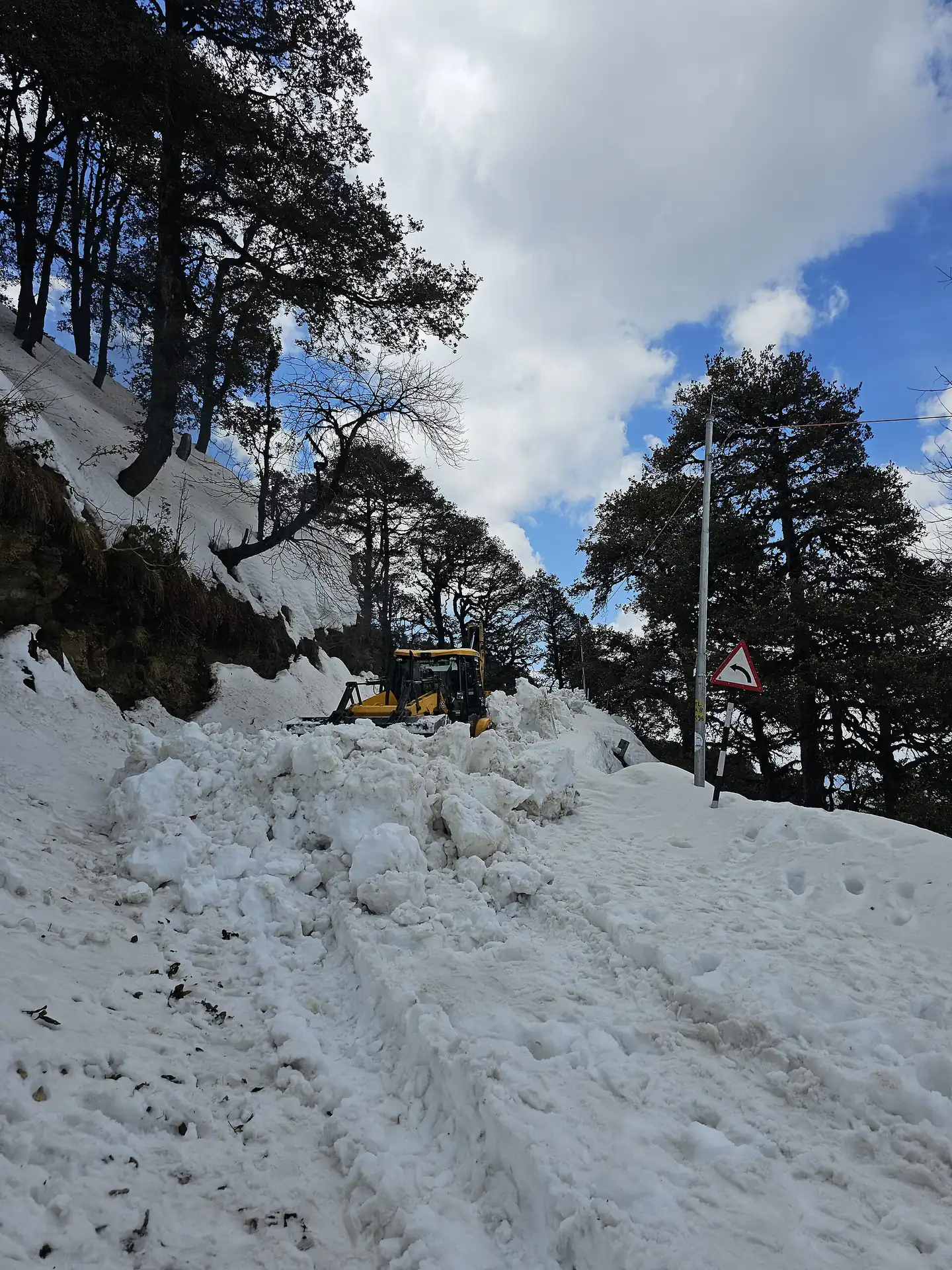
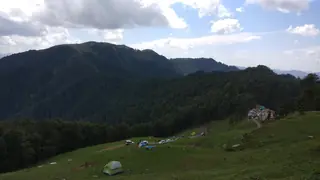
Winter is the valley's empty season: snow on the pass road in spells from late December, the park's high paths closed, Jibhi under its own snow most years, and half of everything shut. It is also its most beautiful for anyone who does not need a walk to be long or a road to be certain. This plan keeps to the two villages, the waterfall, the tower, and the pass road as far as the plough has been.
Nothing needs booking and nothing is full. The road minutes are measured on the actual road in the open season; in snow the taxi decides. A room with heating is the one thing to insist on.
Photos: Gannu03 (CC BY-SA 4.0) · Ayis.ha200*21 (CC0) · Gannu03 (CC BY-SA 4.0) · Tanvi.sharmaaa (CC BY-SA 4.0) · Sukhjiwan Singh (CC BY-SA 4.0) — via Wikimedia Commons, resized.
Couples and anyone who wants snow without a ski hill, quiet without effort, and a fire in the evening. Not for people who came for the Serolsar walk — the October–November plan is that — and not for the park, which closes its heights.
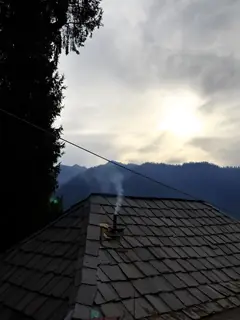
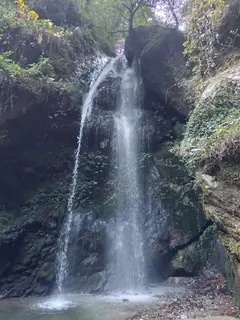
Up the valley by early afternoon — the road to Jibhi stays open in most winters — a room with a heater or a bukhari, and the waterfall walk before the light goes, when the spray freezes on the rock.
The pass road climbs through Shoja towards Jalori; in snow it is open to Shoja most days and to the pass on some. Drive as far as the road allows, walk in the snow at the end of it, and come back to a fire at Shoja.
A last morning's short climb to the tower above Banjar — the steps are the thing to watch in ice — and the bazaar for tea before the road to Aut.
Through Aut on the Kullu highway, 24 km up the valley to Banjar and 7 km more to Jibhi. The overnight bus from Delhi's Kashmere Gate stops at Aut before the tunnel; Bhuntar's airport is 42 km from Banjar and its winter flights are the least reliable. The valley road to Jibhi stays open in most winters; the pass road above Shoja does not.
Jibhi for the first night, in a room with a heater or a bukhari; Shoja for the second, colder and higher and the nearest bed to the snow. Homestays on the river at Gushaini are the warmer alternative and put the pass road half an hour further away.
The pass in its season: the October–November plan walks to the lake and the fort at dawn.
Two days at Jibhi in any season: the Jibhi and Jalori two days.
The slow version: the couples plan stays above the river at Sharchi.
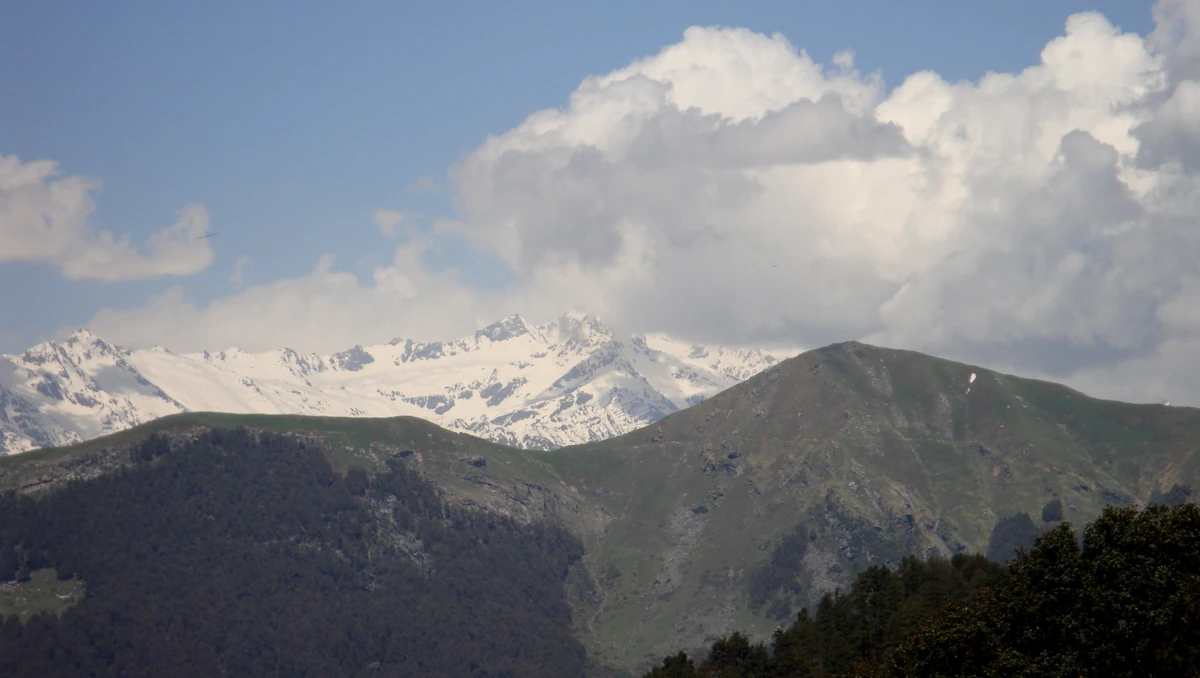 2 nights · 3 days · PhotographersAutumn
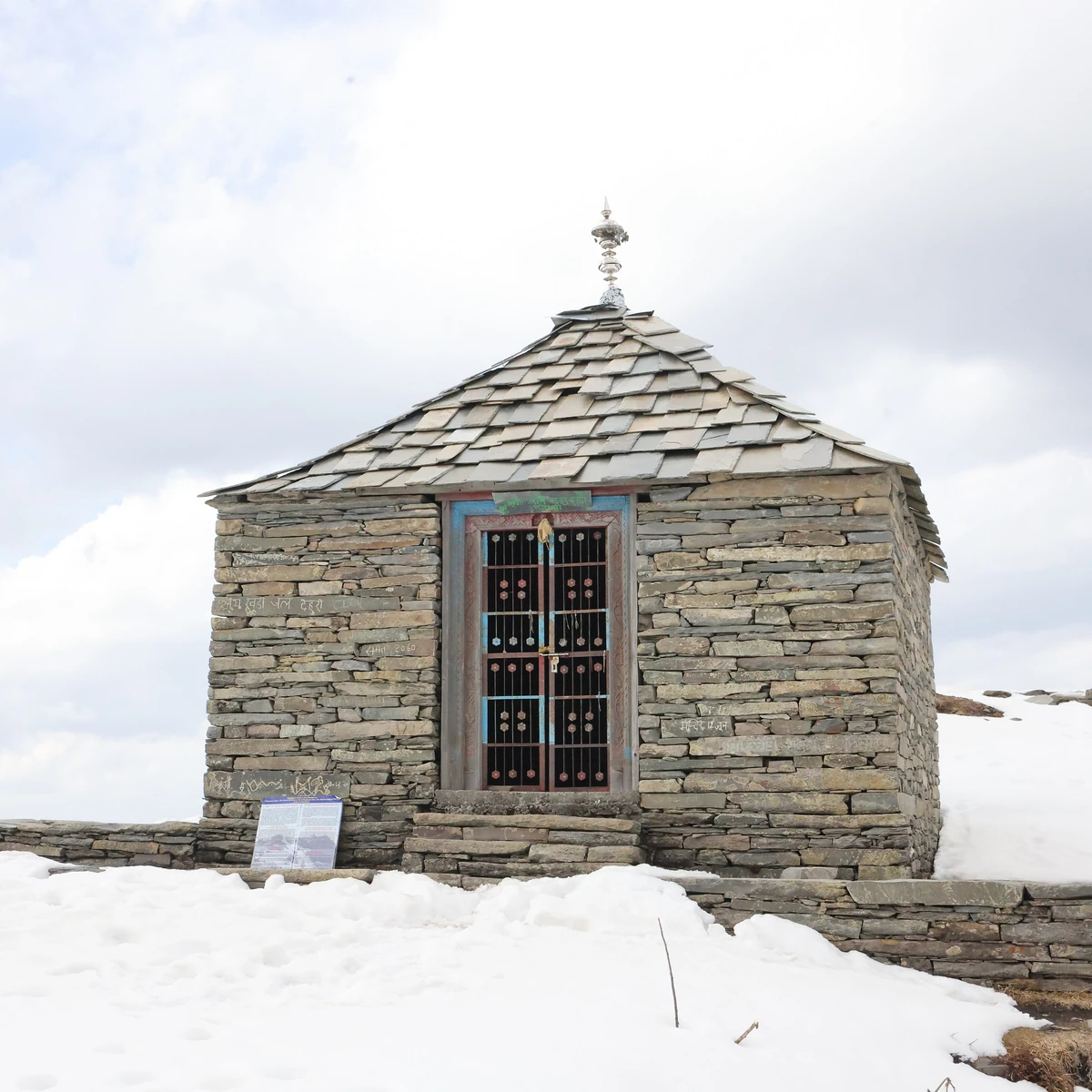 1 night · 2 days · First visitWalks & treks
 2 nights · 3 days · Couplesslow
 2 nights · 3 days · Slow travelMonsoon
Most winters, yes — Jibhi sits above Banjar on the pass road and gets its own snow in spells from late December to February, while Shoja above it holds snow for longer. The valley road to Jibhi stays open in most winters; the pass road beyond Shoja shuts and reopens by the day.
Not reliably: snow shuts the road above Shoja in spells between late December and March, and the pass is reached only on days the plough has been up. The dhabas at the top close under snow. Drive as far as the road allows and walk in the snow at the end; do not plan on the lake or the fort.
Proper layers and a warm coat, gloves, shoes with grip for iced paths, and a torch — the villages are dark early. A room with a heater or a bukhari matters more than anything in the bag. Cash for the whole stay, drawn at Banjar, since the valley's card machines do not improve with the cold.