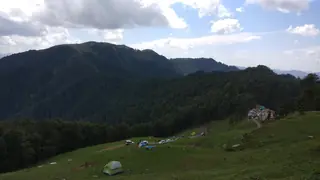
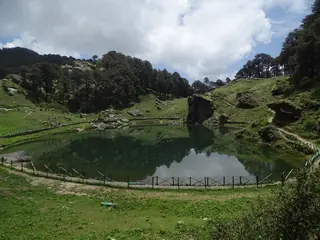
Serolsar Lake
lake · 40 min from Banjar
October and November are the valley's clearest months — the monsoon washed out, the snow not yet down, the oaks on the Jalori ridge turning — and this plan spends them where the light is: on the pass. Shoja is the base because it is half an hour nearer the walks than Jibhi and colder, which in these months means clear. The lake at dawn and the fort at sunrise are the two frames the valley is known for.
The road minutes are measured on the actual road; the walks were measured on the path. The taxi driver at Shoja will do the dark starts if asked the evening before.
Photos: Prabhmeet Singh (CC BY-SA 4.0) · Simi4304 (CC BY 4.0) · Nathan Pratyksh Khanna (CC BY-SA 3.0) · Tanvi.sharmaaa (CC BY-SA 4.0) · Phototraveller1 (CC BY-SA 4.0) — via Wikimedia Commons, resized.
Photographers, walkers who want the two Jalori walks with the best light on each, and anyone who has done the river side and wants the pass in its season. Not for people who hate early starts; the Jibhi and Jalori two days does the fort at a civilised hour.
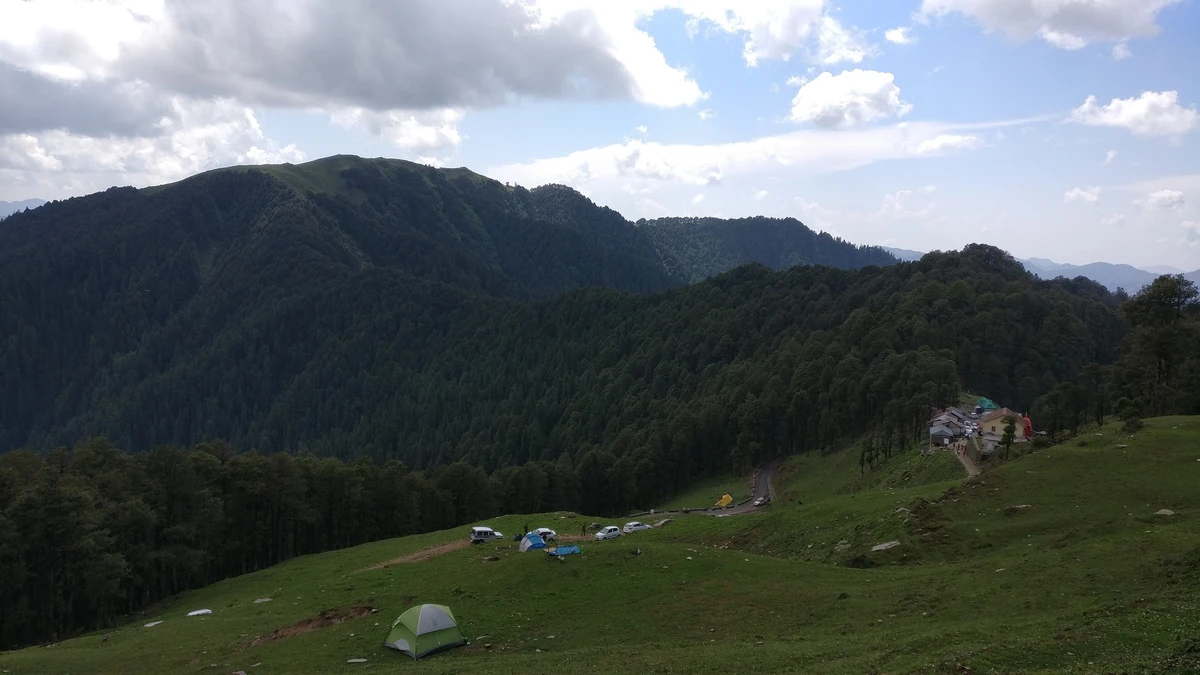
Arrive up the pass road by early afternoon, a room at Shoja, and the taxi on up to Jalori for the last two hours of light on the ranges.
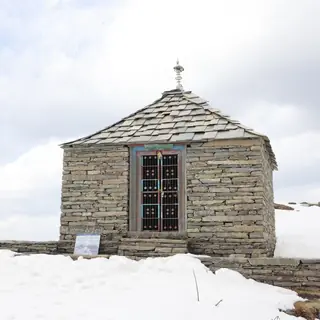
The taxi to the pass in the dark and the ridge path to the lake for sunrise — the water is glass before the breeze gets up. Back for a late breakfast at the dhabas and the temple.
The fort for sunrise — an hour's climb from the pass in the dark — then down the whole pass road, with Bahu lake in the fields above Banjar as the last frame before the highway.
Through Aut on the Kullu highway, 24 km up the valley to Banjar and 15 km more up the pass road to Shoja. The overnight bus from Delhi's Kashmere Gate stops at Aut before the tunnel; Bhuntar's airport is 42 km from Banjar. The plan ends at Bahu lake above Banjar, on the way down to the highway.
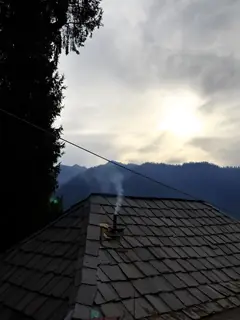
Shoja for both nights — the last village before the pass, guesthouses on the bend with the ridge from the terrace, and the earliest start. Jibhi is the warmer, livelier alternative and adds half an hour to each dark drive.
The river side in autumn: the classic three days does Gushaini, the pass and Chehni Kothi.
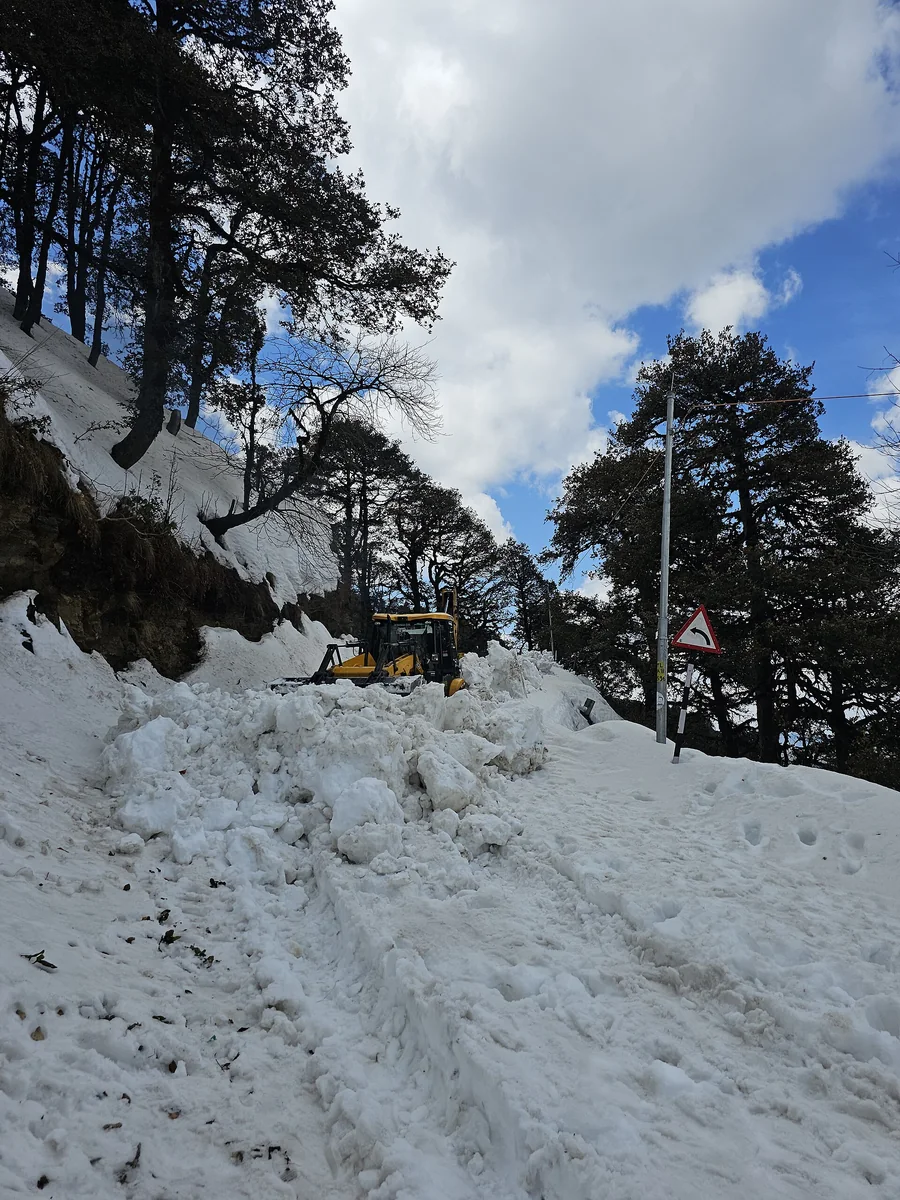
In snow: the winter plan keeps Jibhi and Shoja and takes the pass road as far as it is open.
Both walks in one trip without the dark starts: the Jibhi friends plan.
 2 nights · 3 days · First visitClassic
 2 nights · 3 days · CouplesSnow
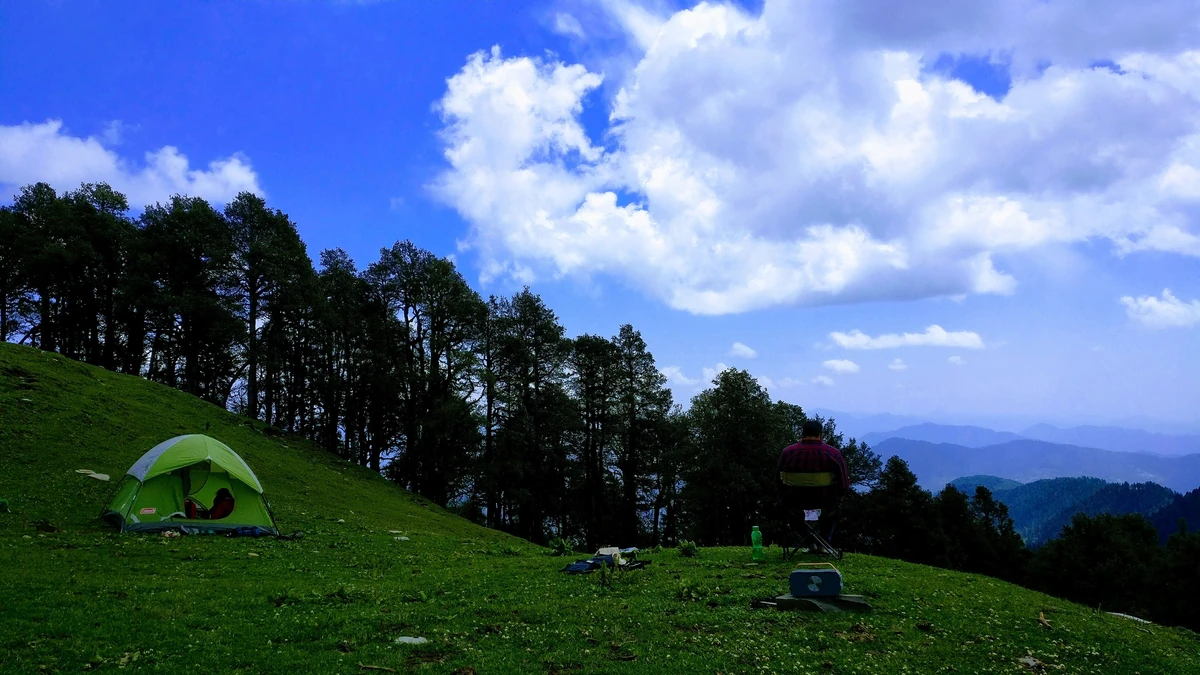 3 nights · 4 days · FriendsClassic
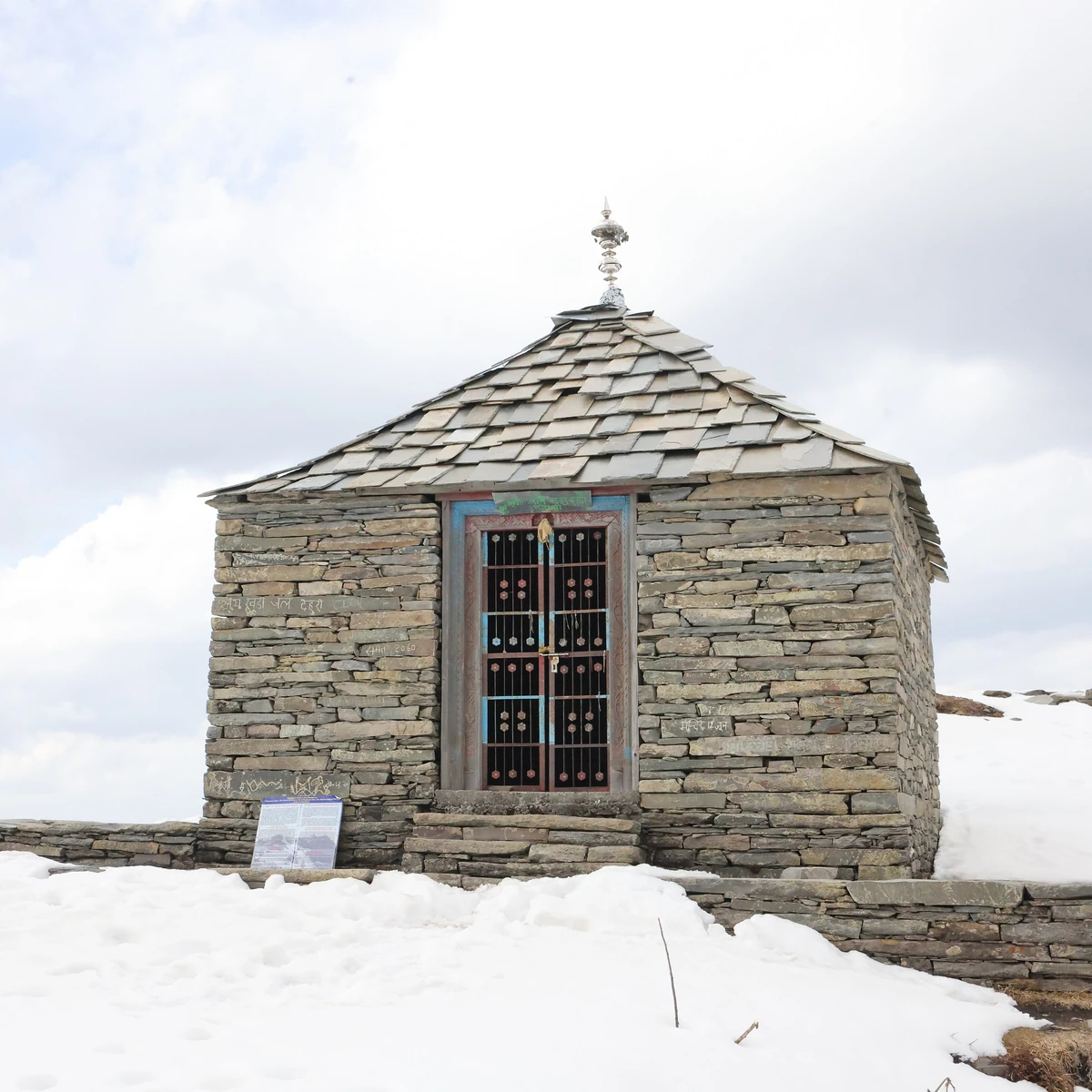 1 night · 2 days · First visitWalks & treks
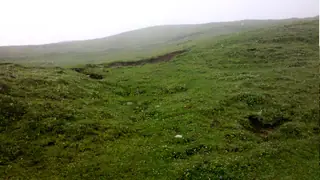
The best: the clearest skies of the year after the monsoon, warm days on the pass and cold clear nights, the oaks on the Serolsar ridge turning through the month and the meadow at Raghupur gone gold by November. The October long weekends fill Jibhi; Shoja stays quieter.
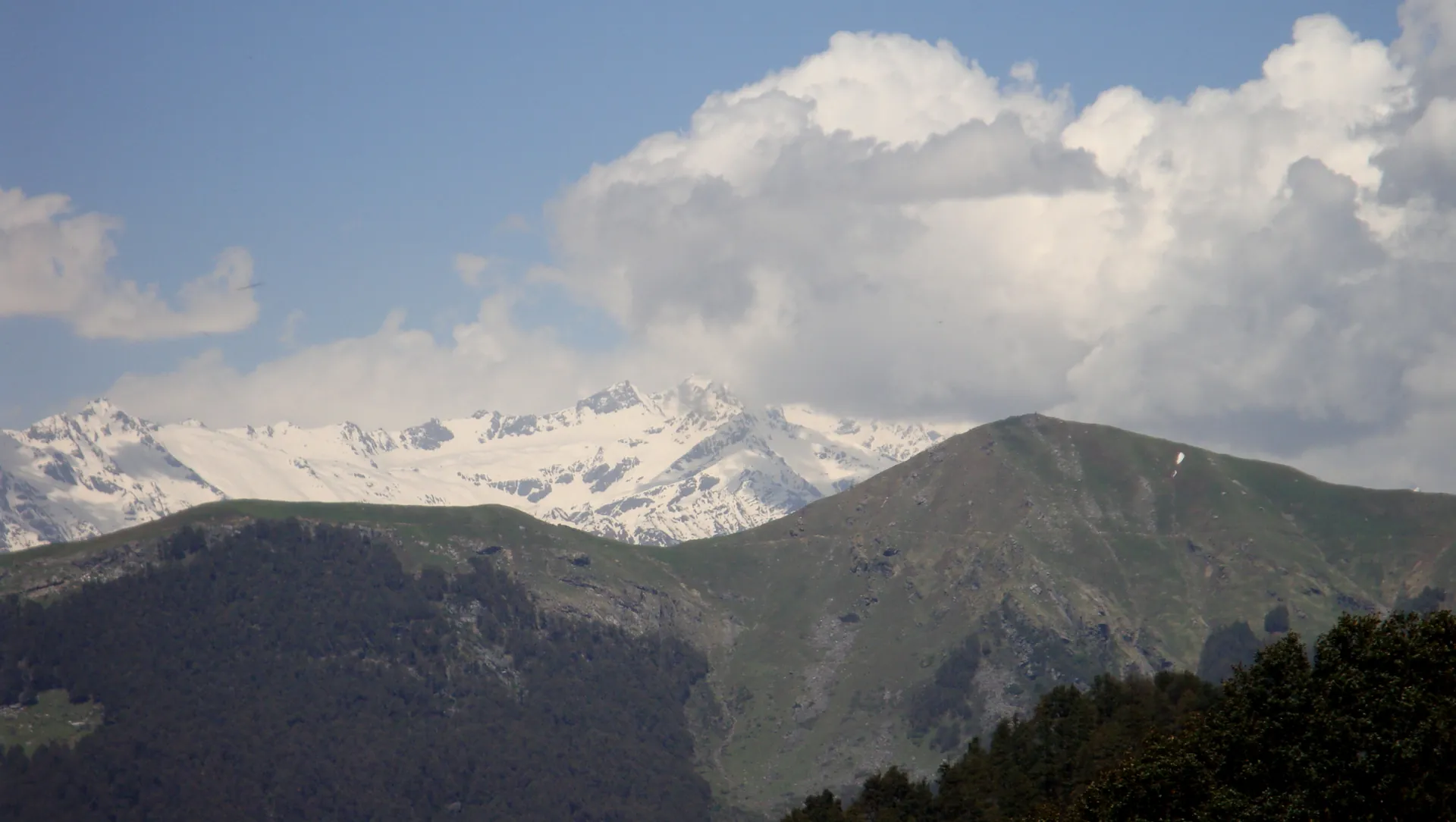
From the pass itself the ranges to the north show on a clear day, and better from the top of Raghupur Fort, an hour's climb west of it, where the view opens both ways. October and November give the clearest air; by December the snow is on the pass road itself.
Cold enough to need a proper layer at dawn and gloves on the ridge; the Bhuntar station's November normals are days around 23 °C and nights near 5 °C in the valley floor, and the pass sits far above that. Frost on the road by the month's end, and the first snow can come any time after.