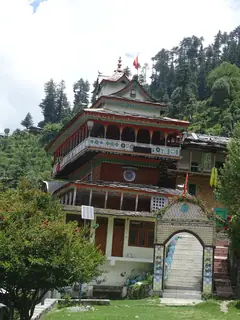
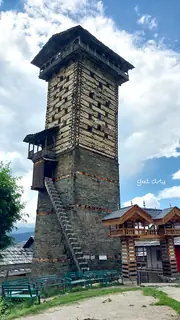
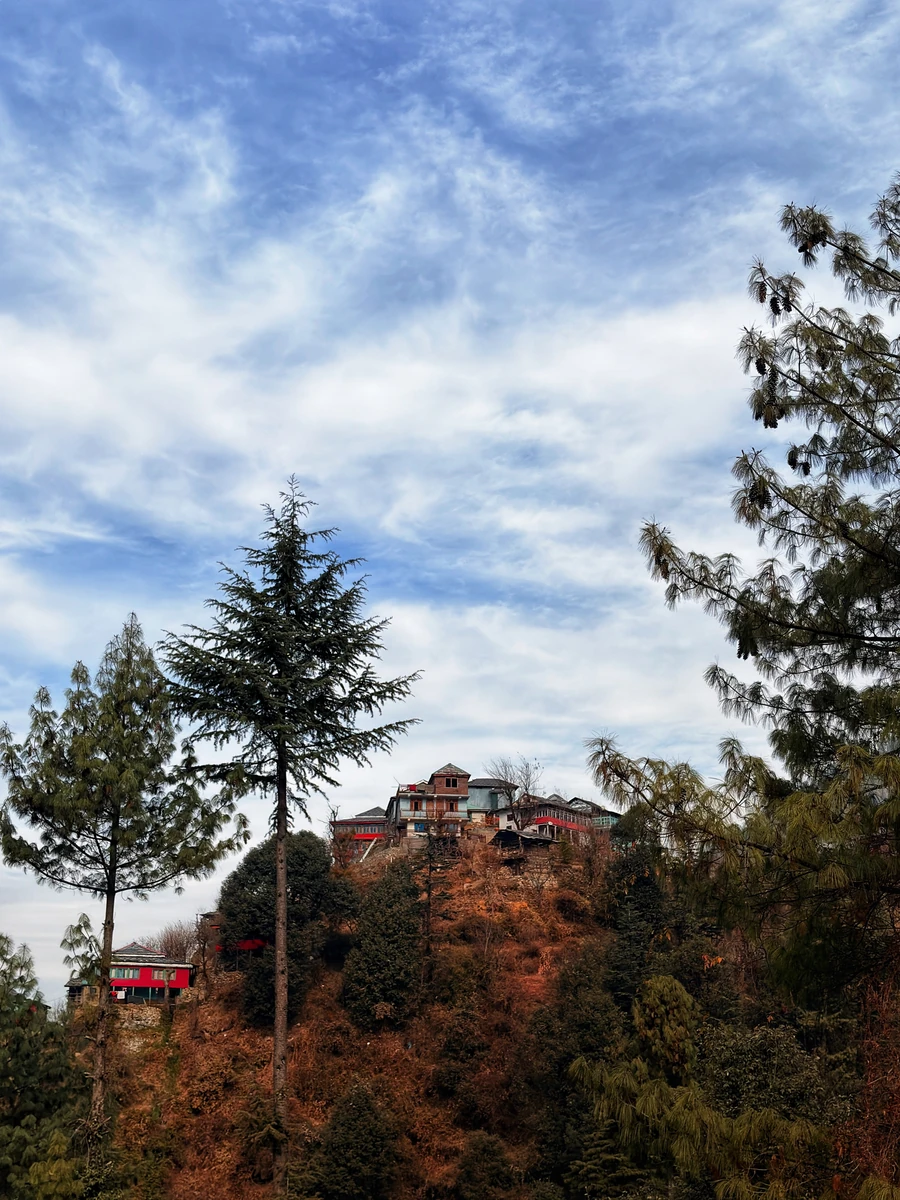
Chehni Kothi
fort · 13 min from Banjar
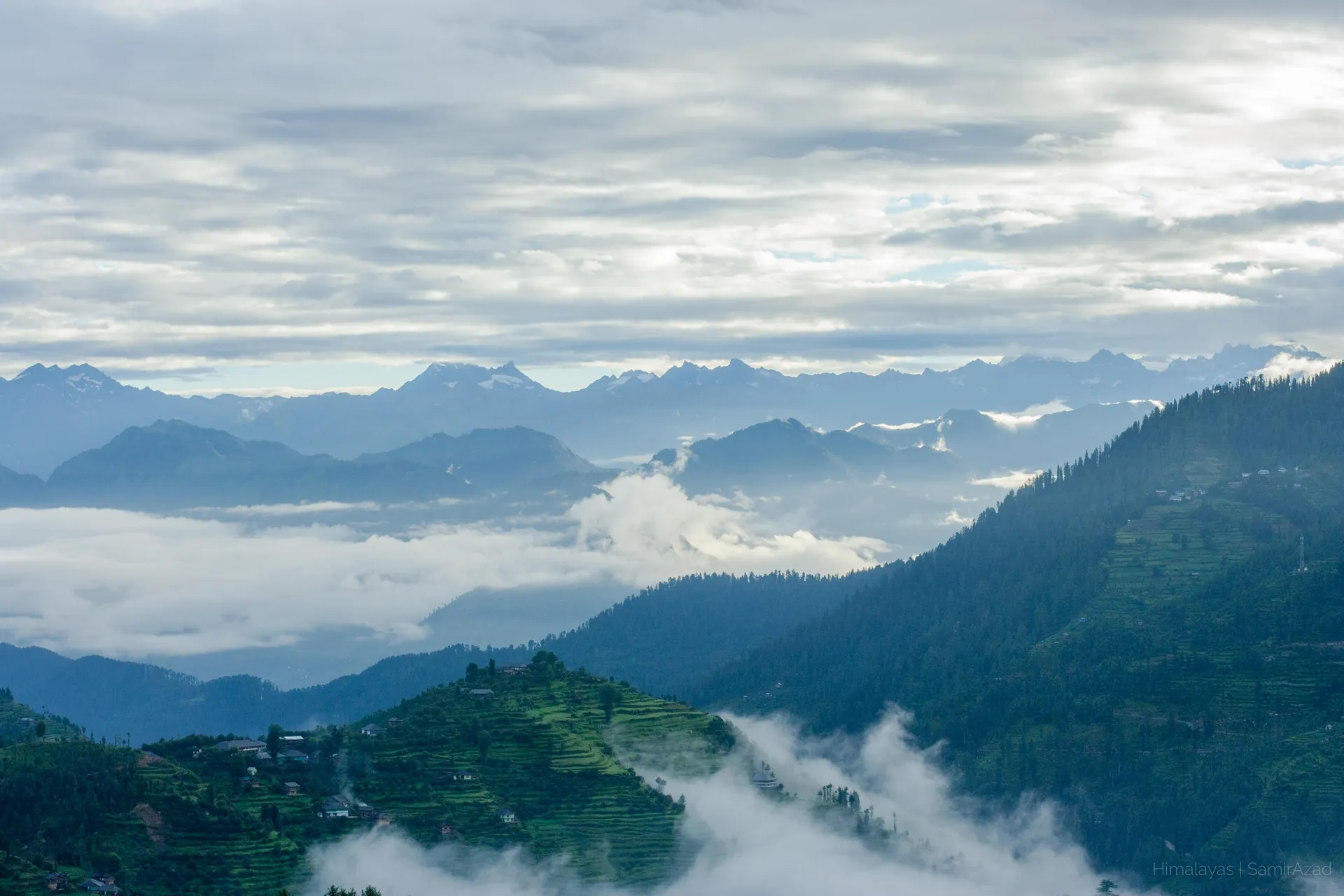
July to September is the valley's cheapest and greenest season and its most limited: the park's walks are off, Jalori's paths are cloud and mud, the river is a brown roar, and slides shut the Aut road for hours at a time. This plan is what still works — the museum at Sai Ropa, the short climb to Chehni Kothi between showers, Banjar's bazaar, and Jibhi with nobody in it — and it is honest about what does not.
Every stop is short, near a road and near a roof. The road minutes are measured on the actual road; in these months add the slides.
Photos: Samir Azad (CC BY-SA 4.0) · Sukhjiwan Singh (CC BY-SA 4.0) · Sukhjiwan Singh (CC BY-SA 4.0) · Ankitwadhwa10 (CC BY-SA 4.0) · Sheena Thakur @thebluesheeep (CC BY-SA 4.0) — via Wikimedia Commons, resized.
People who are here anyway — a monsoon holiday, a workation, a family visit — and want the valley rather than a wasted weekend. Not for a first visit that could wait for October: the October–November plan is the same valley with its skies on.
Arrive up the valley when the road allows — slides close the Aut road for hours after heavy rain — and spend the afternoon at Sai Ropa's museum and on a homestay terrace at Gushaini watching the river run brown.
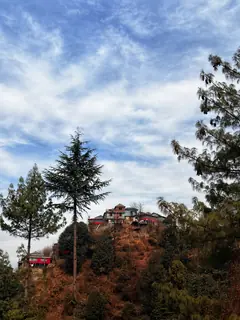
The tower is the monsoon's best morning — a short, steep path that dries fast and a village that does not care about the weather. Then Banjar's bazaar for the errands and a long lunch.
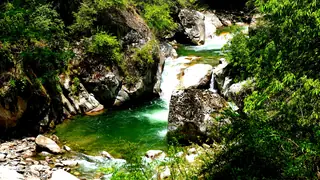
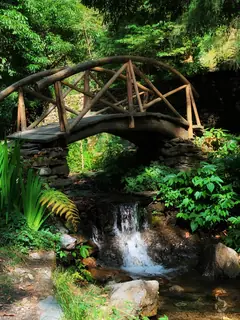
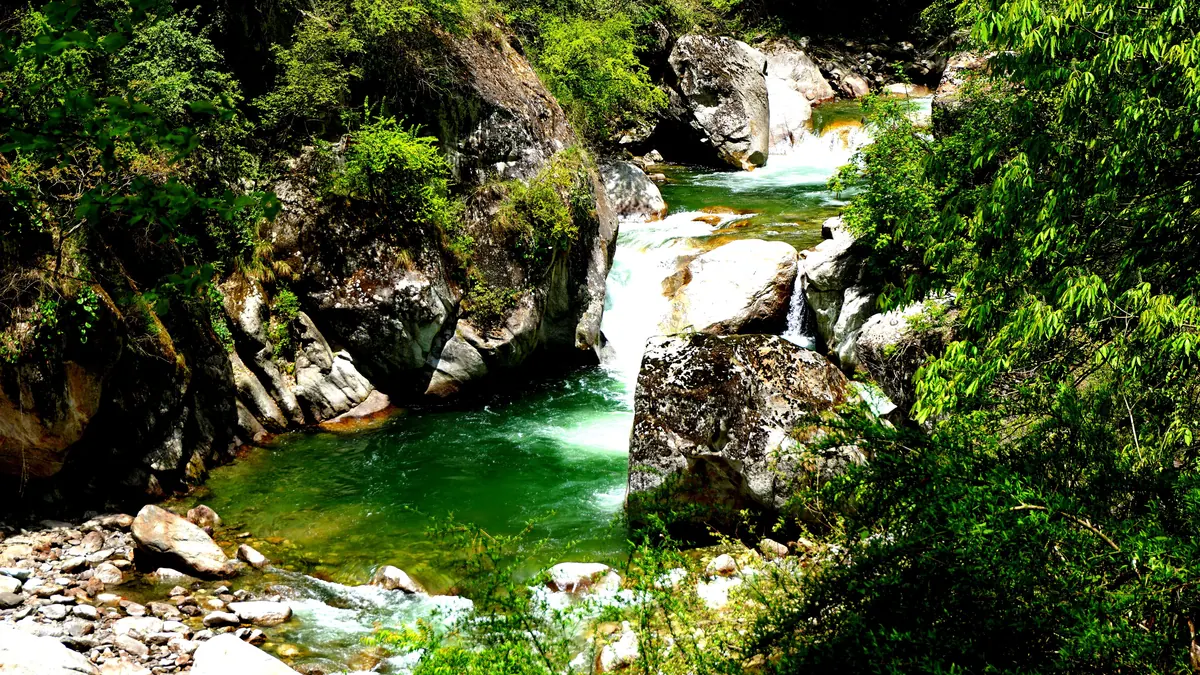
Jibhi in the rain is greener and emptier than at any other time. The gorge at Mini Thailand from the footbridge — the stream is too high to go down to — a café for as long as it takes, and the road out.
Through Aut on the Kullu highway, then 24 km up the valley to Banjar and 10 km to Gushaini. In the monsoon the highway itself closes at Mandi and Pandoh after heavy rain, and the valley road after slides; travel by day, ask at Aut what is open, and keep a night's slack at each end. Bhuntar's flights are the least reliable of the year.
A homestay on the river at Gushaini with a covered terrace — the river is the show. Jibhi for the last night if the road is open; Banjar itself, by the bus stand, if it is not. Rooms everywhere sit under their season bands in these months, and nothing needs booking.
After the rain: the October–November plan takes the pass and the lake in the clearest skies of the year.
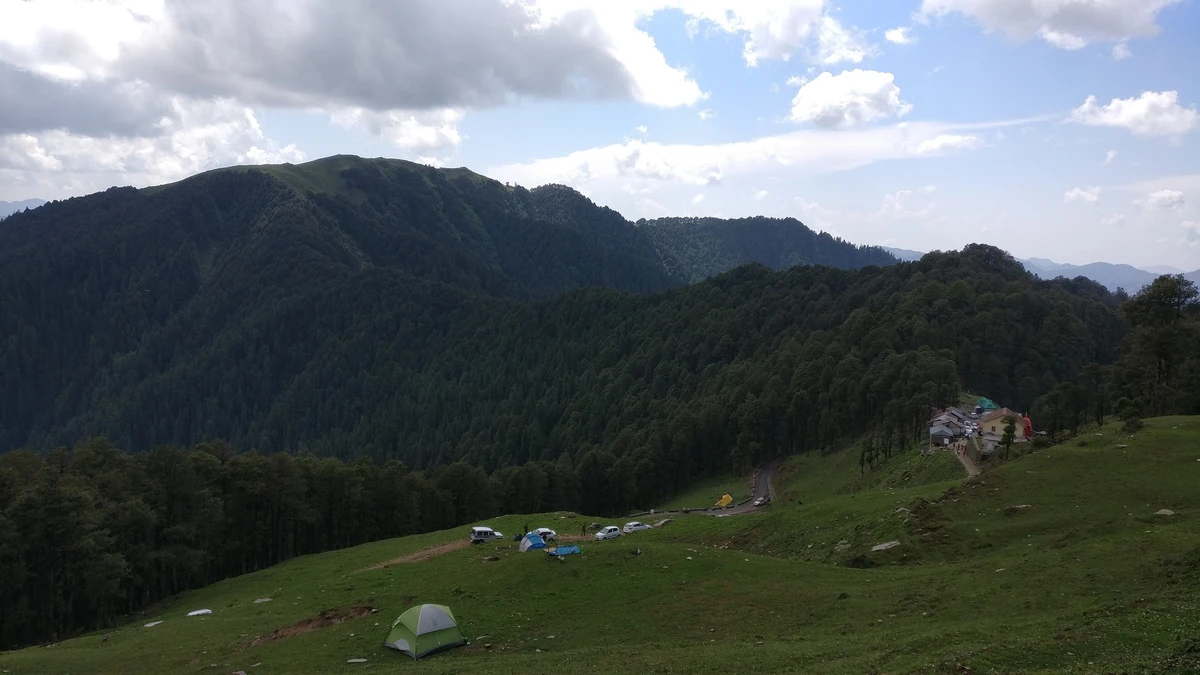
A dry-ish week: the Jibhi workation treats the monsoon as café weather.
The valley at its best: the classic three days, for a first visit in spring or autumn.
 2 nights · 3 days · PhotographersAutumn
 7 nights · 8 days · WorkationClassic
 2 nights · 3 days · First visitClassic
 1 night · 2 days · First visitClassic
If you are in the hills anyway, yes — it is green, empty and cheap, and the river is a sight. As a first visit, no: the park's walks are off, Jalori's paths are mud and cloud, and slides close the roads for hours. Wait for October if you can; go and enjoy the rain if you cannot.
Mostly, with interruptions: the Kullu highway closes at Mandi and Pandoh after heavy rain, and the 24 km valley road from Aut closes after slides for hours at a time. Travel by day, ask at Aut what is open that morning, and keep a night's slack at each end of the trip.
October, for the clearest skies of the year and warm days on the pass; April and May for green slopes and the rhododendron on the Jalori road. July and August bring the heaviest rain and closed paths; December to February bring snow on the pass road and an empty valley with half its cafés shut.