
The best time to visit the Tirthan valley and Jibhi — month by month, with the IMD numbers
The short answer
October, then April and May. The valley has two seasons that suit it and two that limit it: spring and autumn for everything, the monsoon for the river from a terrace and little else, winter for snow at Jibhi and a pass road that opens and shuts by the day. The numbers below are India Meteorological Department normals for Bhuntar, the district's airport station, read from the climate table on Wikipedia; Banjar sits a few hundred metres above the airport and runs cooler in every month, and Jalori Pass is another world.
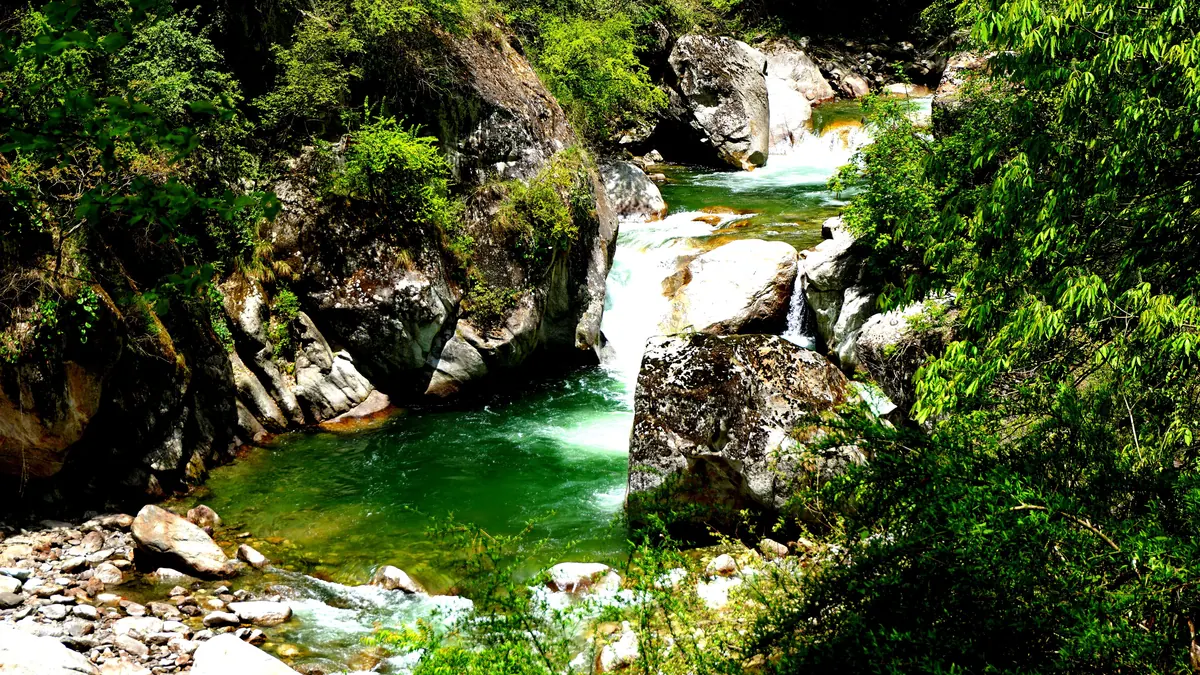
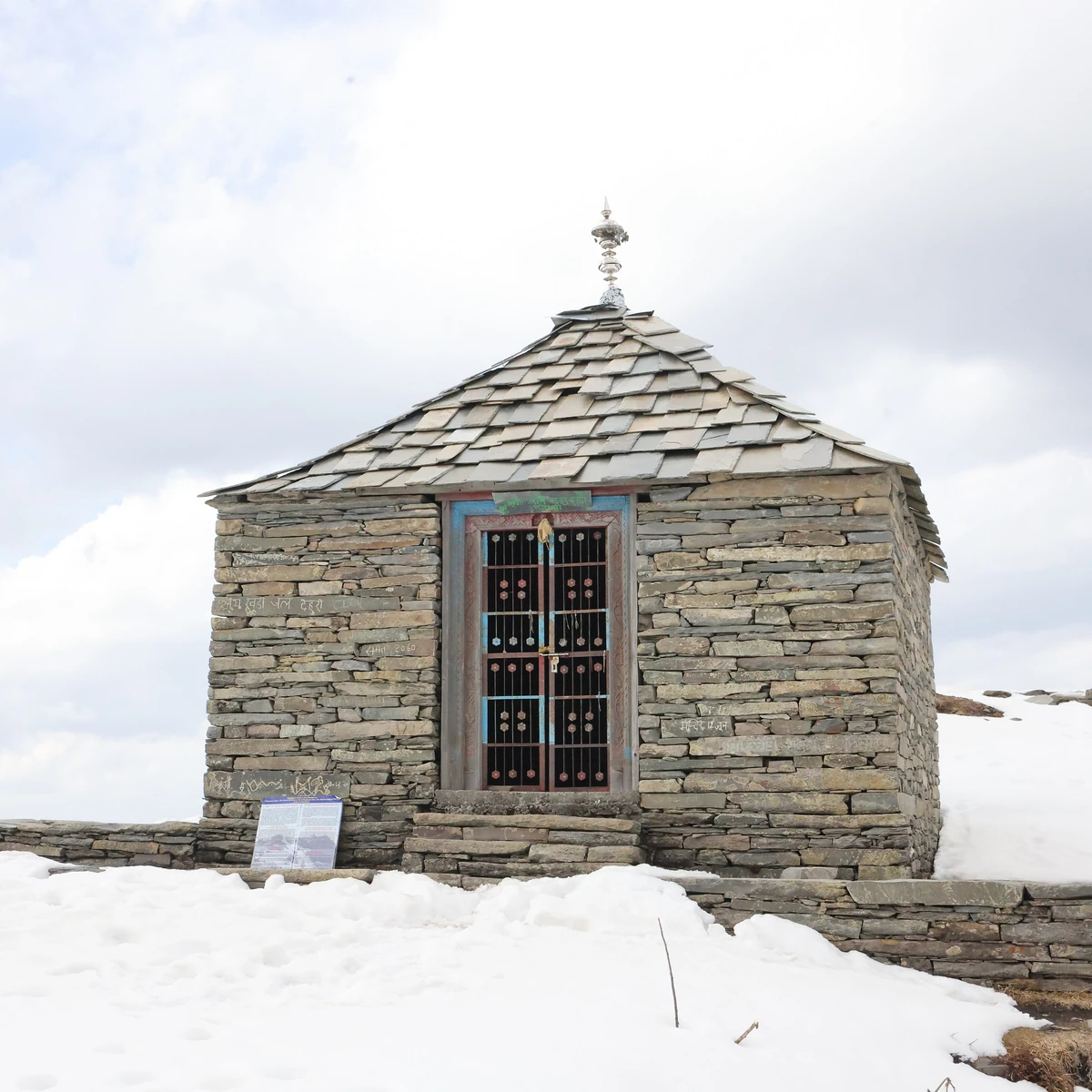
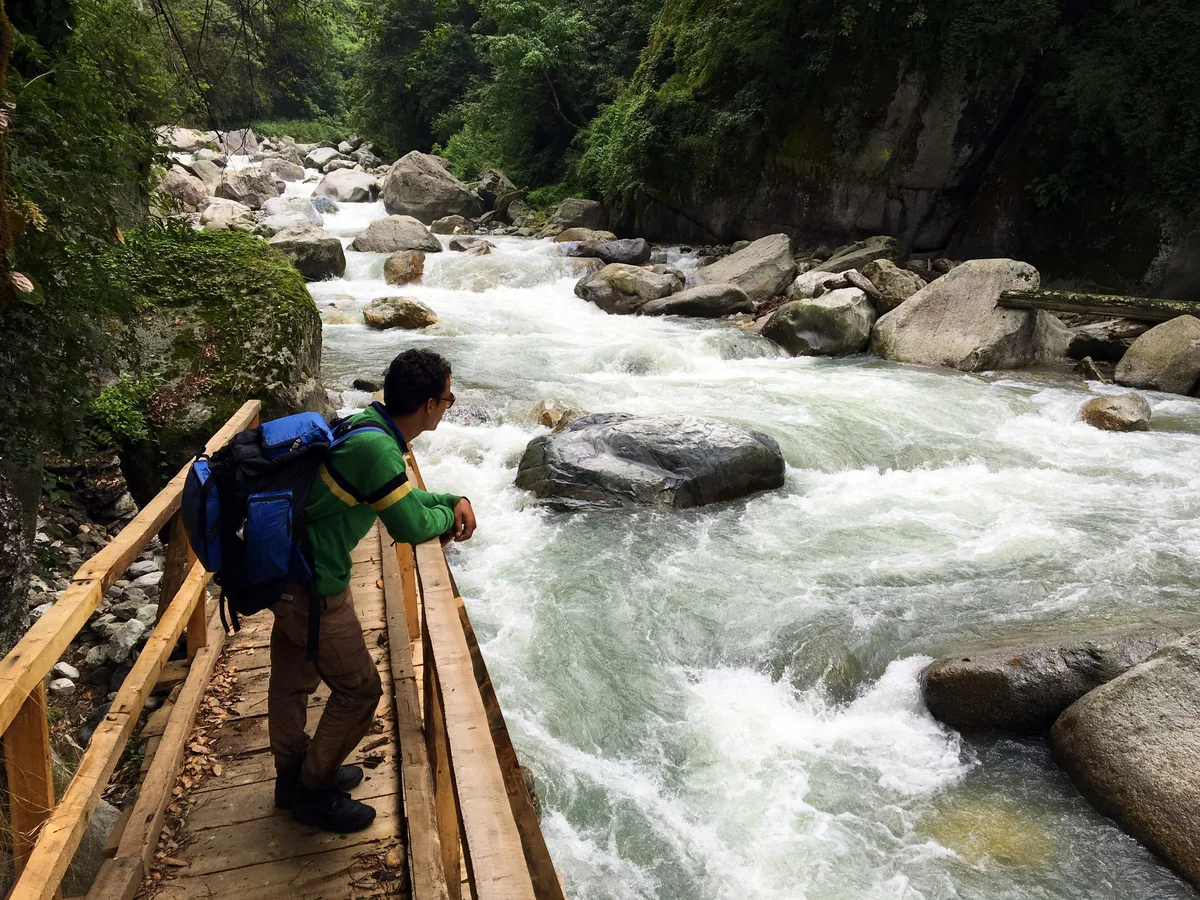
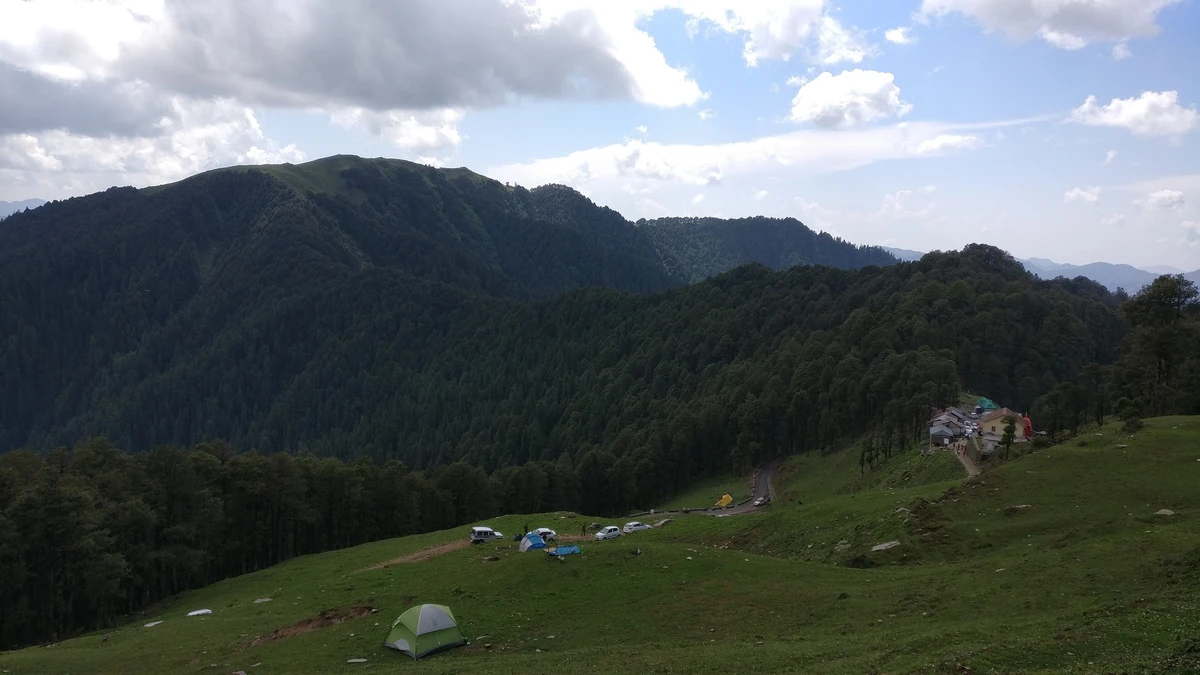
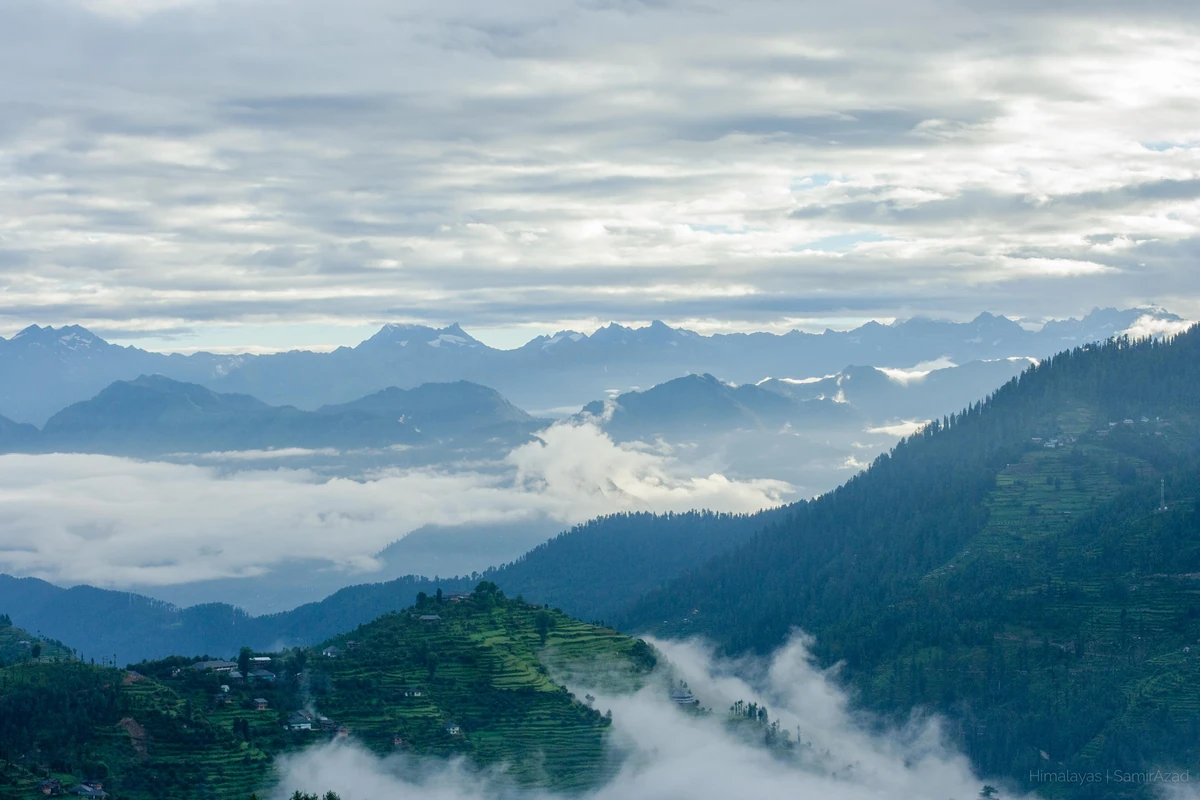
Photos: Gannu03 (CC BY-SA 4.0) · Samir Azad (CC BY-SA 4.0) · Manish57335 (CC BY-SA 4.0) — via Wikimedia Commons, resized.
March and April
Days 23–27 °C at Bhuntar and cooler in the valley, nights 7–10 °C. The snow goes off the pass road through March, the rhododendron comes out along it in April, and the park's lower paths reopen. The river is clear before the snowmelt colours it. Quiet, green, and the first good walking of the year.
May and June
Days 31–33 °C in the valley floor — the warmest months and the busiest. The river road stays pleasant, Jalori is cold in the evening, and the long weekends fill Jibhi a week ahead. The Serolsar walk is at its best before the monsoon; the park's ecozone paths are open and the permit office at Sai Ropa is busy.
July, August and September
The monsoon: 136 mm of rain in July and 129 mm in August at the station, more on the slopes. The Tirthan runs high and brown, slides close the Aut road for hours, the park's walks are off and it closes areas by notice, and the leeches are out. September dries through the month, and its second half is nearly October. The monsoon plan is what still works.
October and November
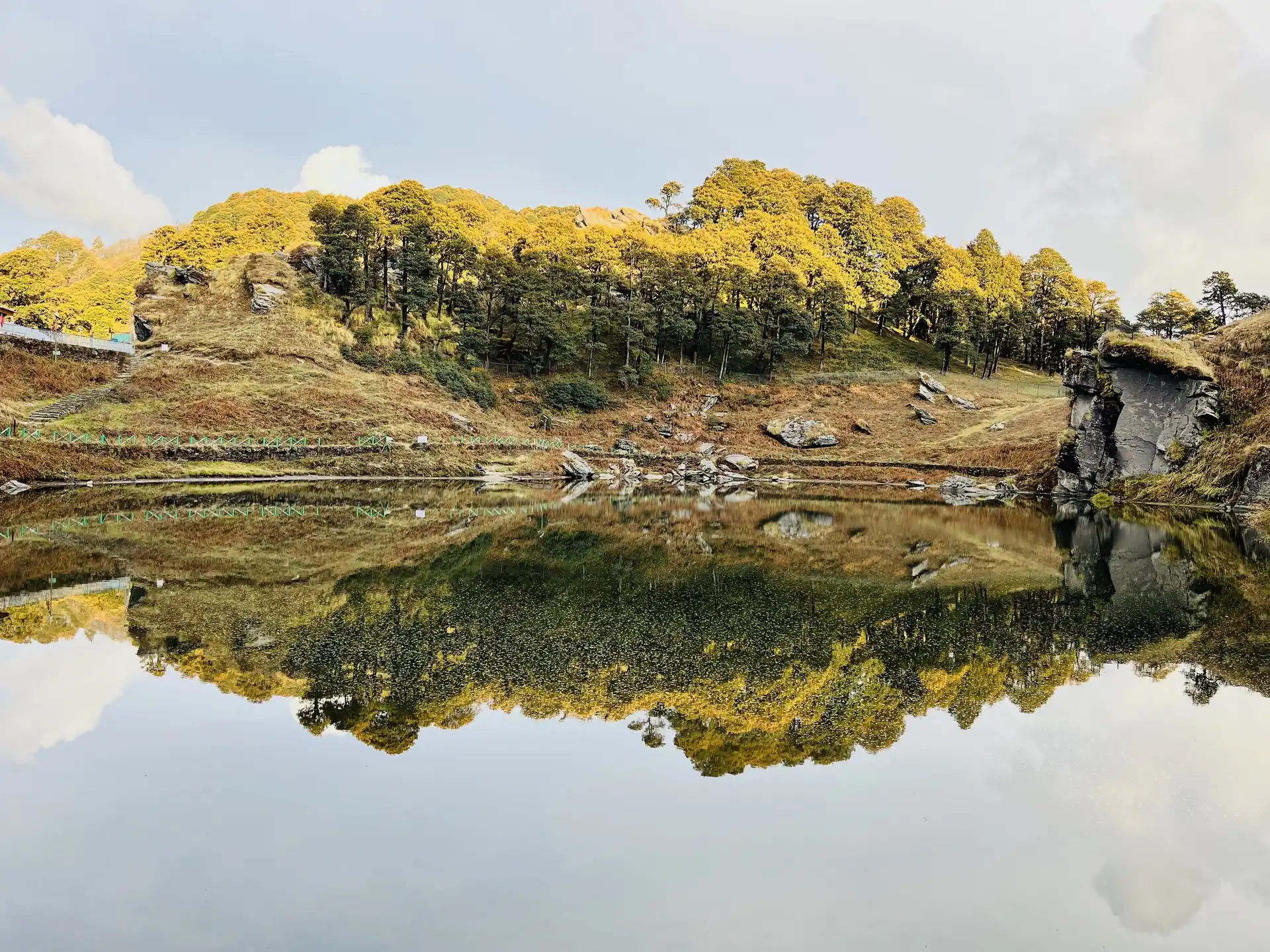
The clearest skies; days 23–28 °C, nights 5–10 °C. The best walking of the year, the oaks turning on the Serolsar ridge, the meadow at Raghupur gone gold, the river back to clear, and the apple harvest on the slopes. The October long weekends fill Jibhi; Shoja stays quieter. The October–November plan spends the season on the pass.
December, January and February
Days 16–18 °C at Bhuntar, nights near freezing in the valley and well below on the pass. Snow shuts the Jalori road above Shoja in spells, Jibhi gets its own, the park's high paths are closed, and half the cafés shut. Empty, cold and beautiful for anyone who does not need a long walk — the winter plan is that season honestly.
The trout calendar
The river is closed to angling in the winter breeding months and fishes best in spring and autumn; the monsoon is no good for it. The fishing guide has the rest.
Plans that include this
All Banjar itineraries →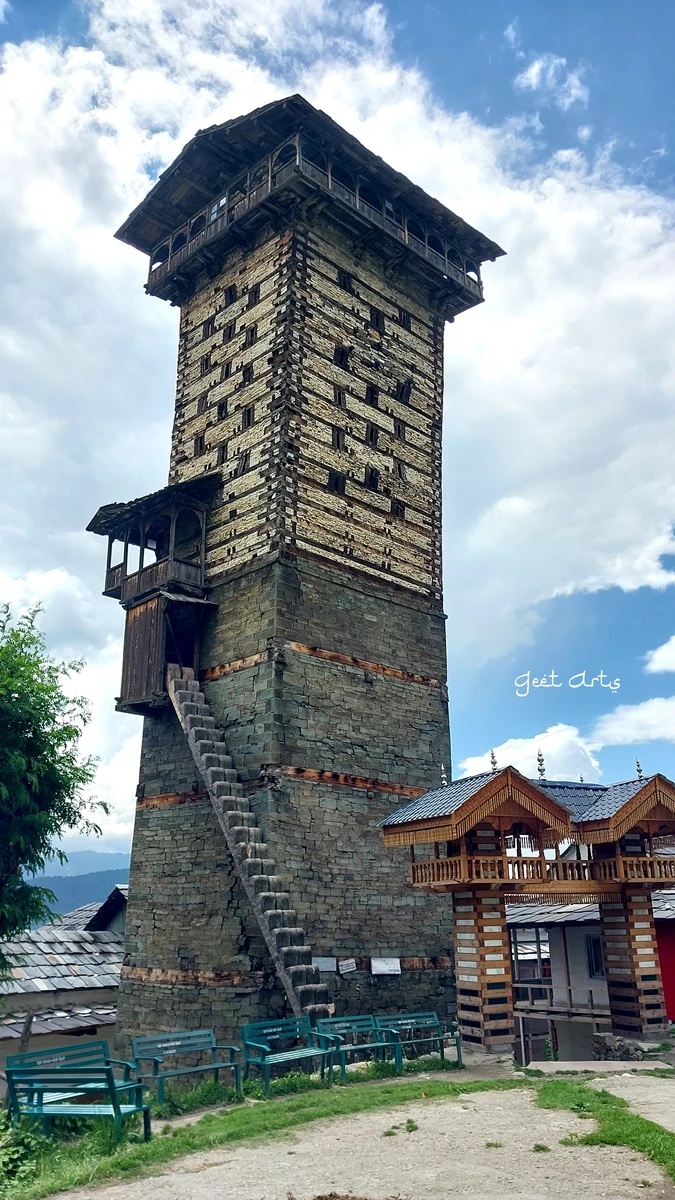 Day plan · First visitTemples & heritage
 1 night · 2 days · First visitClassic
 1 night · 2 days · First visitWalks & treks
 2 nights · 3 days · Slow travelCafés & food
 2 nights · 3 days · First visitClassic
 2 nights · 3 days · Slow travelMonsoon
Questions people ask
What is the best month to visit the Tirthan valley?
October: the clearest skies of the year after the monsoon, warm days on the pass, cold clear nights, the river back to clear and the oaks turning on the Serolsar ridge. April and May are the green months with rhododendron along the Jalori road; September's second half is nearly as good as October and emptier.
Does it snow at Jibhi?
Most winters, in spells from late December to February — Jibhi sits above Banjar on the pass road and gets its own snow, and Shoja above it holds snow for longer. The valley road to Jibhi stays open in most winters; the road above Shoja to Jalori Pass shuts and reopens by the day with the plough.
Is the Tirthan valley worth visiting in the monsoon?
If you are in the hills anyway, yes — green, empty and cheap, with the river a sight from a terrace. As a first visit, no: the park's walks are off, Jalori's paths are cloud and mud, leeches are on every forest path, and slides close the Aut road for hours. Wait for October if you can.