
Where to go after Manali — Kasol, Jibhi, Lahaul and Spiti, compared
Four directions
Manali sits at the head of the Kullu valley with one road in from the south and one road out to the north, and everywhere you can go next is reached by one of them. South and then up a side valley: Kasol and the Parvati, or Jibhi and the Tirthan. North through the tunnel: Sissu and Lahaul, and beyond them Spiti and Leh. Each is a different trip, for a different traveller, and the mistake is treating any of them as a day out from Manali. This page compares the four; the Manali guide has the town itself.
Photos: Navneet Sharma (CC BY-SA 4.0) · Pinakpani (CC BY-SA 4.0) · Adarsh Patel (CC BY-SA 4.0) · Mann Mishra (CC BY 3.0) — via Wikimedia Commons, resized.
Kasol and the Parvati valley
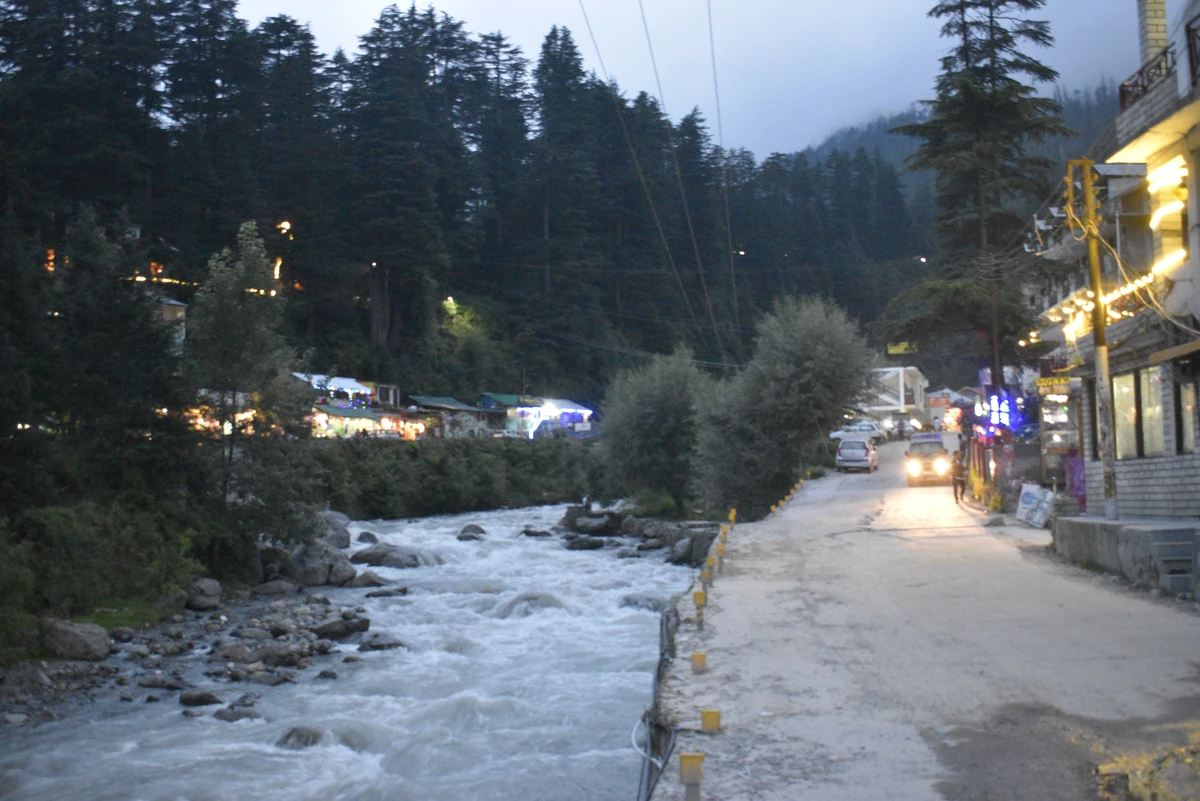
About 75 km and roughly 121 min from the Manali bus stand: down the valley through Kullu to Bhuntar, then east up the Parvati. Kasol is the traveller village on the river — cafés, guesthouses, a long-staying crowd. The valley around it holds the hot springs and the gurudwara at Manikaran, the villages of Chalal and Tosh, the walk up to the hot springs at Kheerganga from the road head at Barshaini, and the road up to Malana. It is the Kullu district's other tourist valley, and the one people go to for a slower, cheaper, more social version of the hills.
Who it suits: solo travellers and groups of friends; anyone who wants a river to sit by and a walk to do; anyone on a budget. Two nights minimum; the Kheerganga walk needs a night at the top or a long day.
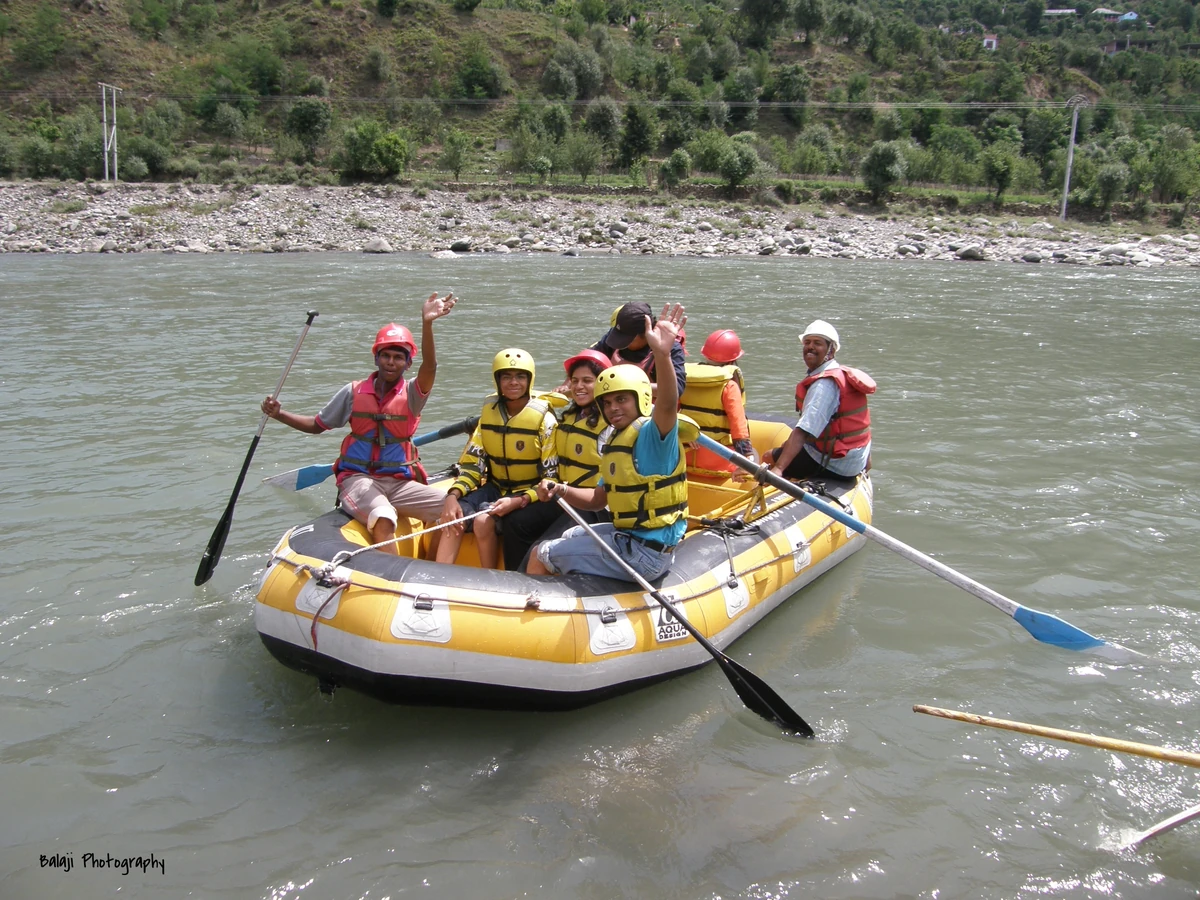
On the way: the rafting counters at Pirdi below Kullu are on the road — the rafting guide — and the Kullu town temples for anyone who wants them. Buses run from Manali to Kullu and Bhuntar and up the Parvati road with a change; a taxi does it in a morning.
Jibhi and the Tirthan valley
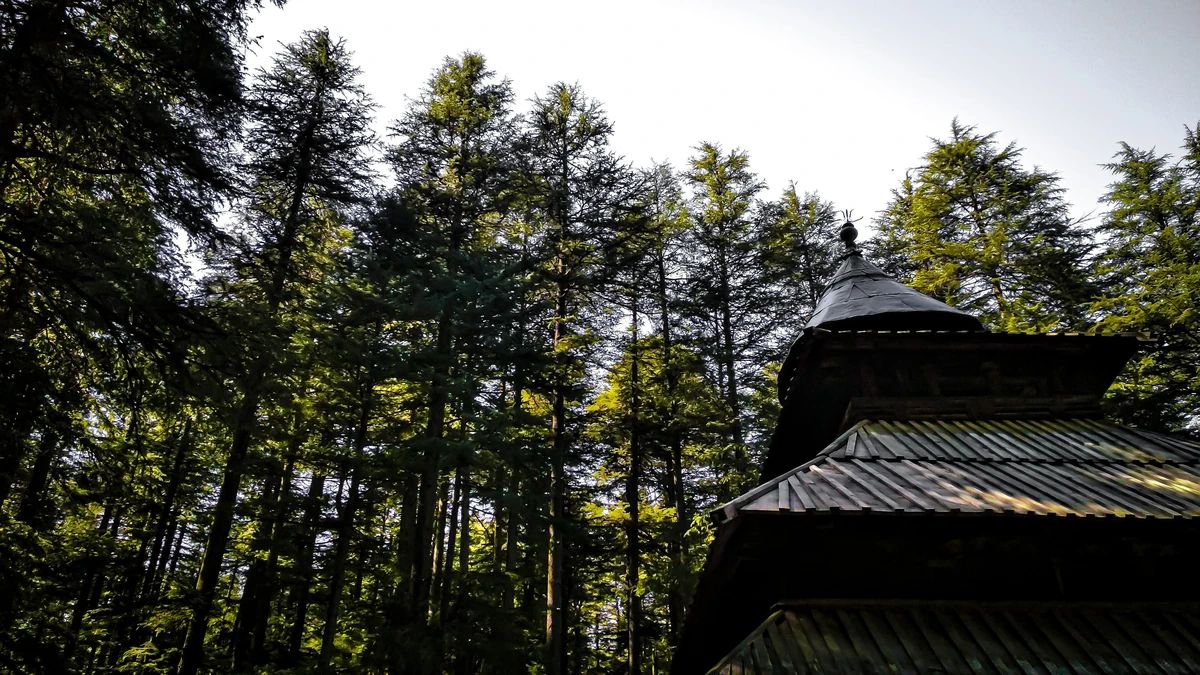
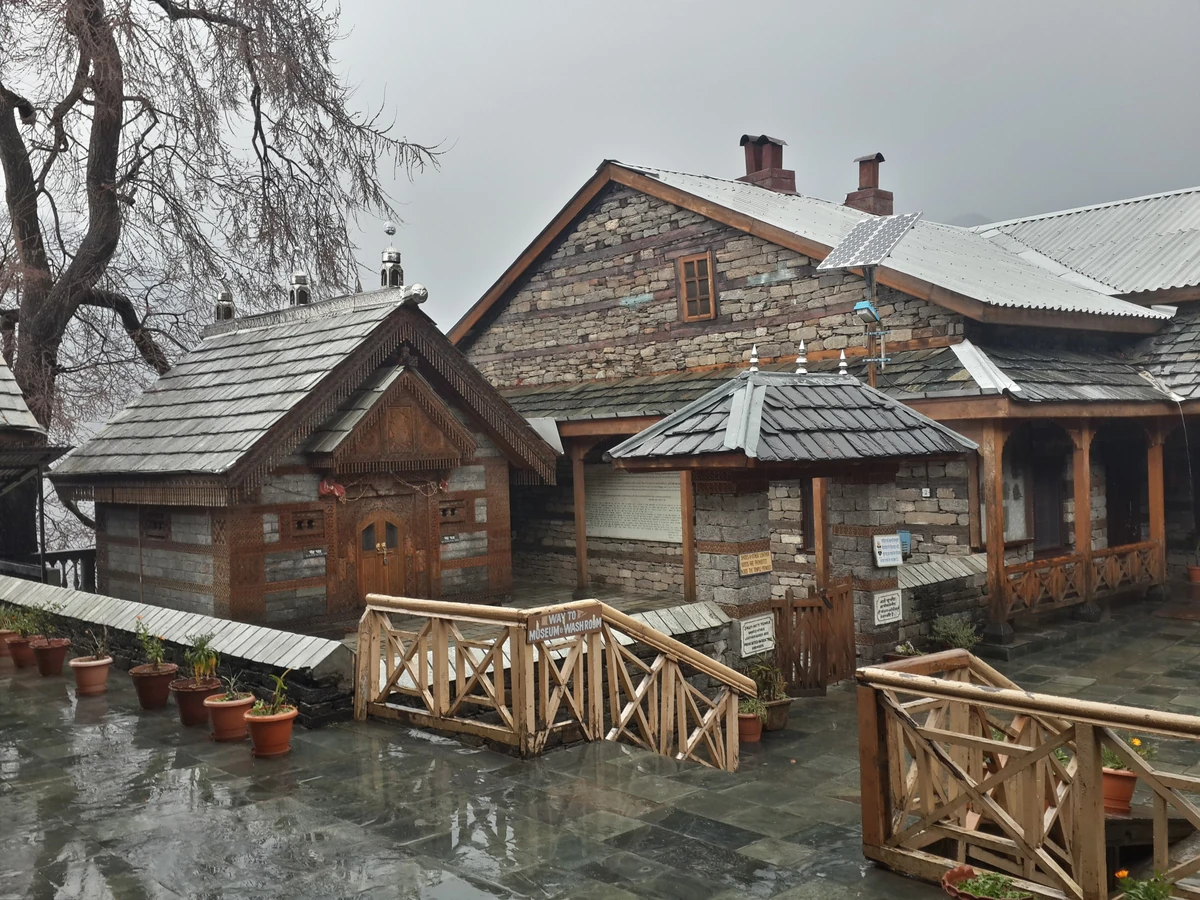
About 90 km and roughly 120 min from Manali, down to Aut and up the Tirthan, or over the Jalori Pass side in season. Jibhi is a village of wooden houses on a stream with a scatter of homestays and cafés. The Tirthan below it is a trout river with villages along it and the gate of the Great Himalayan National Park at the top; the pass above has a lake walk and a temple on a peak. It is the quiet version of the Kullu hills, and the one to send anyone who found Manali busy.
Who it suits: couples, families with older children, walkers, anyone who wants a homestay and a river rather than a lane and a café. Three nights is the honest length; two is a taste.
On the way: nothing that needs a stop, which is part of the charm. The bus from Manali goes to Aut, and local transport or a taxi does the last stretch up the valley.
Sissu and Lahaul — through the tunnel
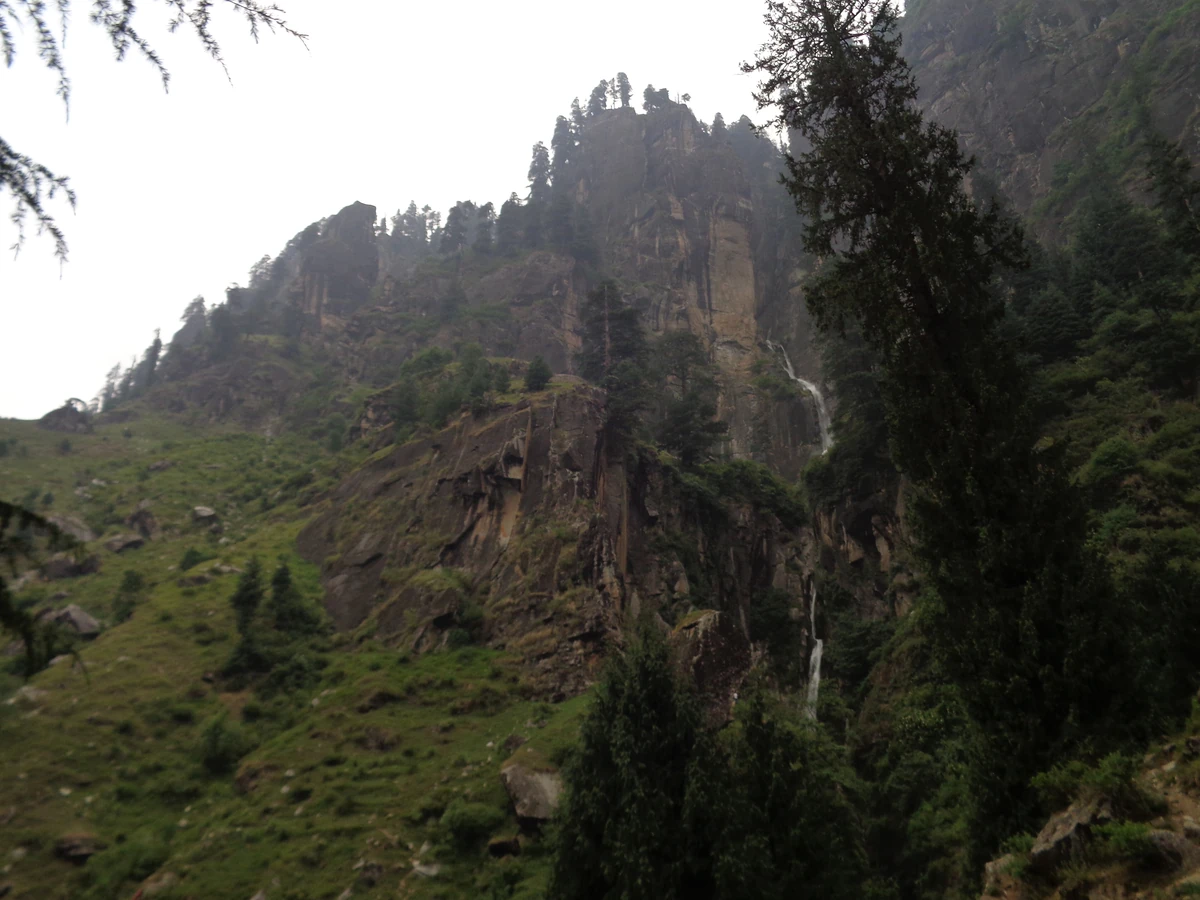
Different from the two above in every way: north rather than south, an hour rather than two, and a change of country rather than a change of valley. The Atal Tunnel puts Sissu, the first village of Lahaul at 3,120 m, 39 km and about an hour from Manali with no permit, and the road runs on up the Chandra valley to Koksar, Gondhla and Keylong. Bare slopes, a thin sky, flat-roofed villages, snow for half the year, and a handful of homestays.
Who it suits: anyone who has done Manali and wants the mountains proper; photographers; anyone in winter, when the tunnel is the snow road. As a day trip it is the best from Manali; as a stay it is one or two nights at Sissu with the Chandra valley beyond, which is exactly the Sissu and Lahaul overnight. Beyond Keylong the road becomes the trips below.
Spiti and Leh — their own trips
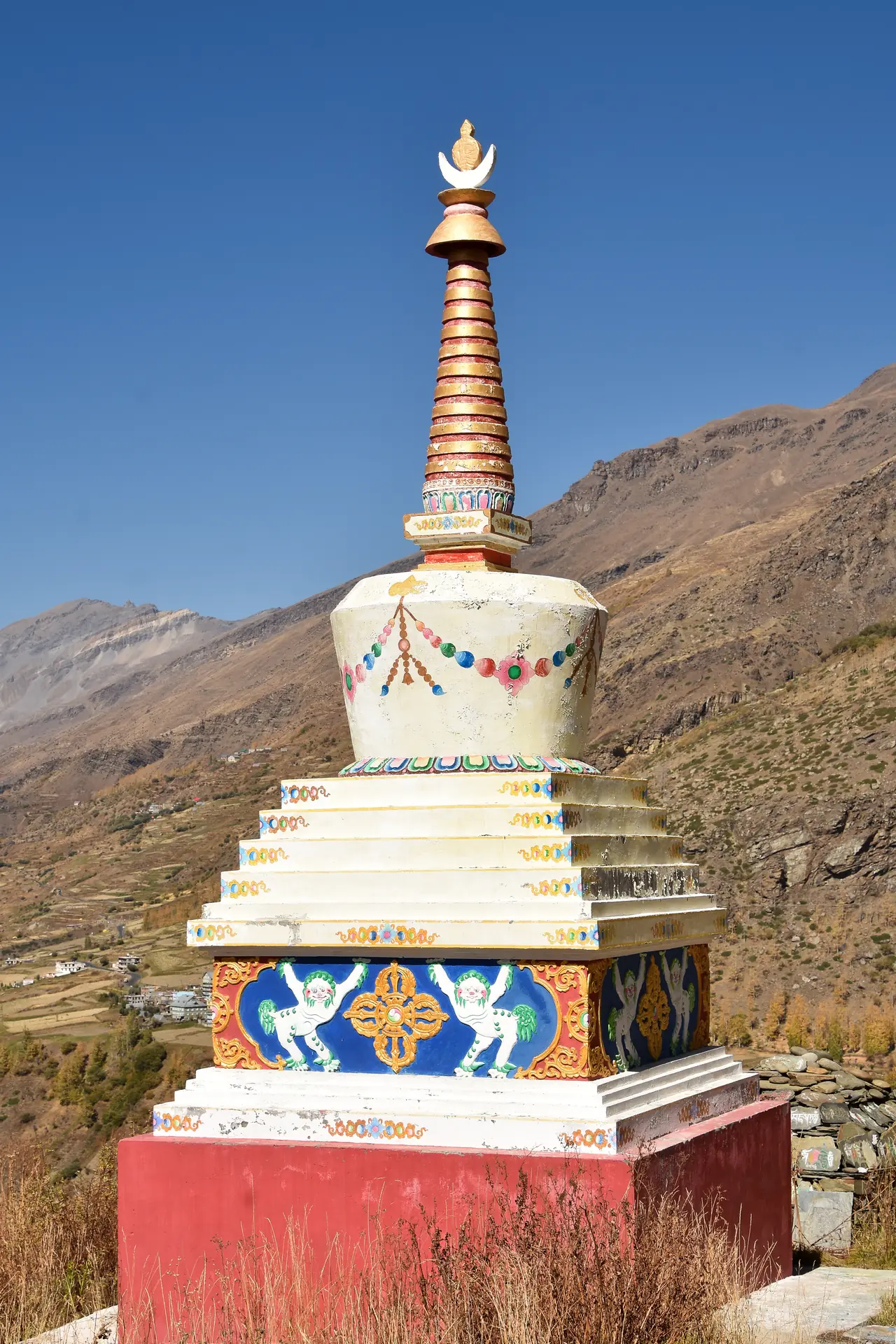
From Koksar the roads divide: east over Kunzum to Kaza and the Spiti valley, and north over the high passes through Jispa and Sarchu to Leh. Both are open roughly June to September or early October, both climb far above anything in this article, and both are trips of their own with their own nights, their own permits where they apply, and their own planning. What Manali is for them is the night before: the last low sleep at 2,050 m, the last easy fuel and cash and hot water, and the tunnel at first light. The stopover plan is that night.
Do not try to bolt either onto a Manali holiday as a two-day extension. Keylong is a long day; Kaza and Leh are far beyond it.
Choosing
Two spare days, want a river and cafés: Kasol. Two or three spare days, want quiet and a homestay: Jibhi. One spare day, want the mountains: Sissu, and back. A week or more and a plan: Spiti or Leh, with Manali as the night before. Undecided: stay in Manali and do the slow plan — the valley has more than most people give it.
Every one of these starts from the Manali bus stand, and our Kullu-district guides will cover Kasol and the Tirthan with their own itineraries as they are written. Until then the Naggar two-day plan is the left-bank taste of what the quieter valleys are like.
Plans that include this
All Manali itineraries →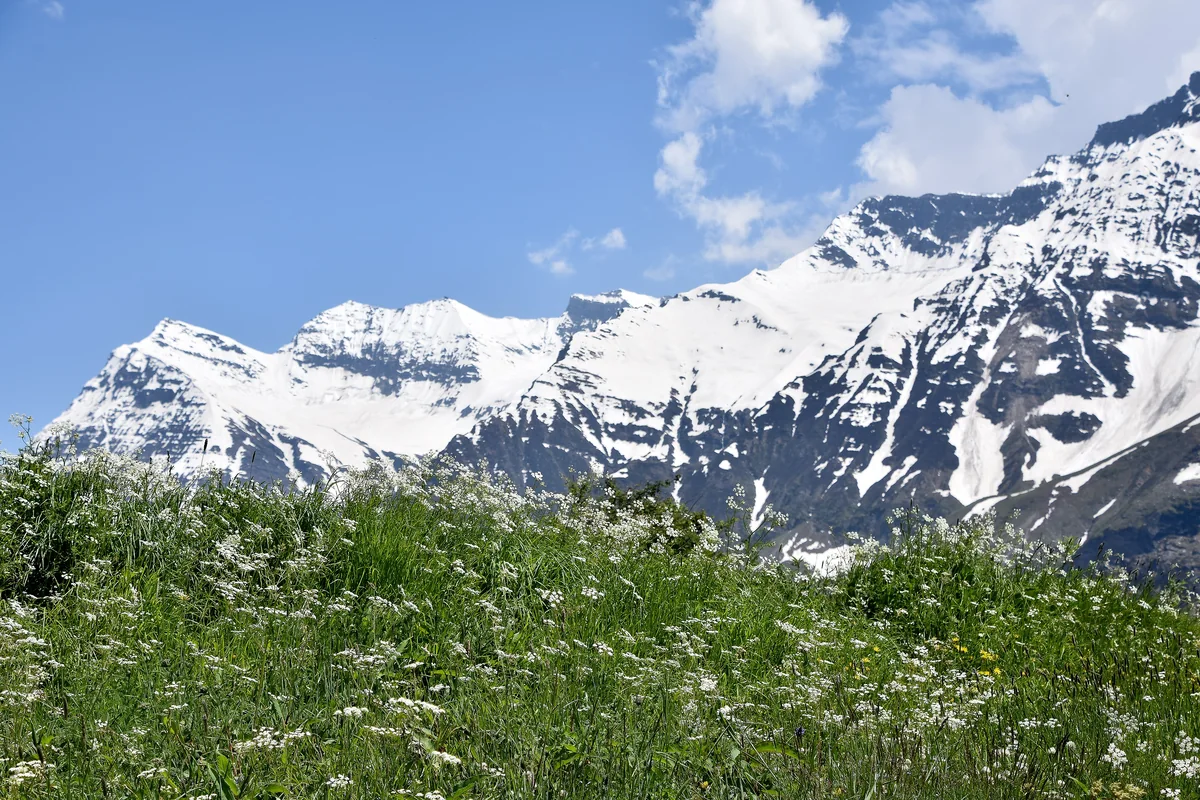 Day plan · FriendsRoad trip
 Day plan · First visitClassic
 Day plan · Slow travelTemples & heritage
 1 night · 2 days · Slow travelCafés & food
 1 night · 2 days · CouplesTemples & heritage
 1 night · 2 days · Slow travelWaterfalls
Questions people ask
Where should I go after Manali?
Down the valley and up a side valley, for most people. Kasol and the Parvati valley, about 75 km and 121 min, for the cafés, the hot springs at Manikaran and the walk to Kheerganga. Or Jibhi and the Tirthan, about 90 km and 120 min, for quiet villages and the river. North through the tunnel is Lahaul.
How far is Kasol from Manali?
About 75 km and roughly 121 min by road on the routing model: down the valley through Kullu to Bhuntar, then up the Parvati valley. A morning's drive with a stop at the rafting counters at Pirdi on the way. Buses run from the Manali bus stand to Kullu and Bhuntar, with a change for the Parvati road.
Is Jibhi worth visiting after Manali?
For anyone who found Manali busy, yes. Jibhi and the Tirthan valley are about 90 km and 120 min from Manali, round by Aut, and they are the quiet version of the Kullu hills — wooden villages, a trout river, forest walks, the national park at the top. Two nights is the honest minimum; three is better.
Can I go from Manali to Spiti or Leh directly?
Yes, and that is what the tunnel is for: Sissu is an hour away, Keylong beyond it, and the roads to Spiti over Kunzum and to Leh over the high passes begin there, in season — roughly June to September. They are trips of their own with their own nights; a night in Manali first is the acclimatisation.