
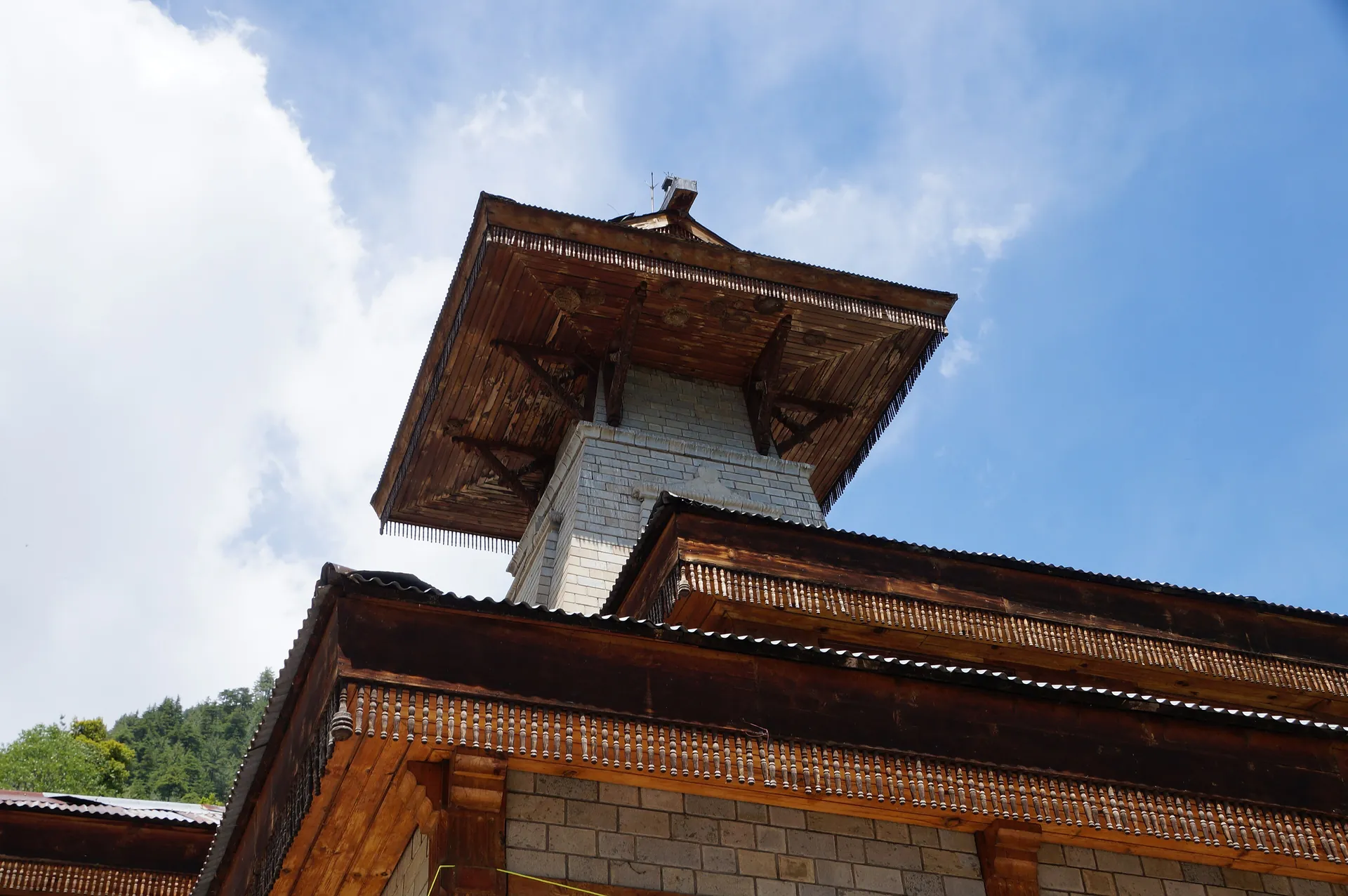
Manu Temple, Old Manali
What it is
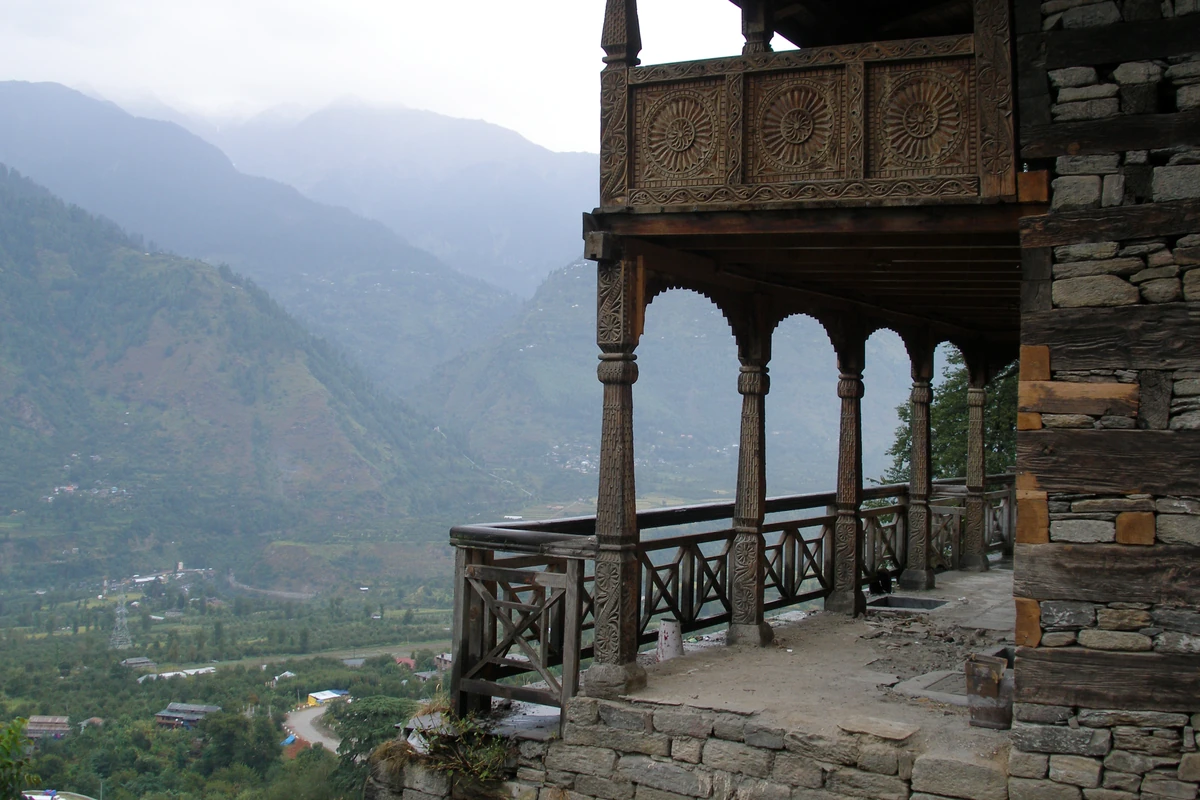
The temple at the head of Old Manali, dedicated to the sage Manu — the lawgiver who survived the flood in Hindu tradition, whose hermitage the story places here, and from whom Manali takes its name. It is a stone-and-timber building in the valley's own manner, rebuilt more than once, with a carved doorway and a courtyard, set among the oldest houses of the village with the ridge close behind. It is smaller and plainer than Hadimba, and quieter, and the climb through the village to reach it is much of the visit.
Photos: Birte Fritsch (CC BY 4.0) · Nrr1729 (CC BY-SA 4.0) — via Wikimedia Commons, resized.
Getting there
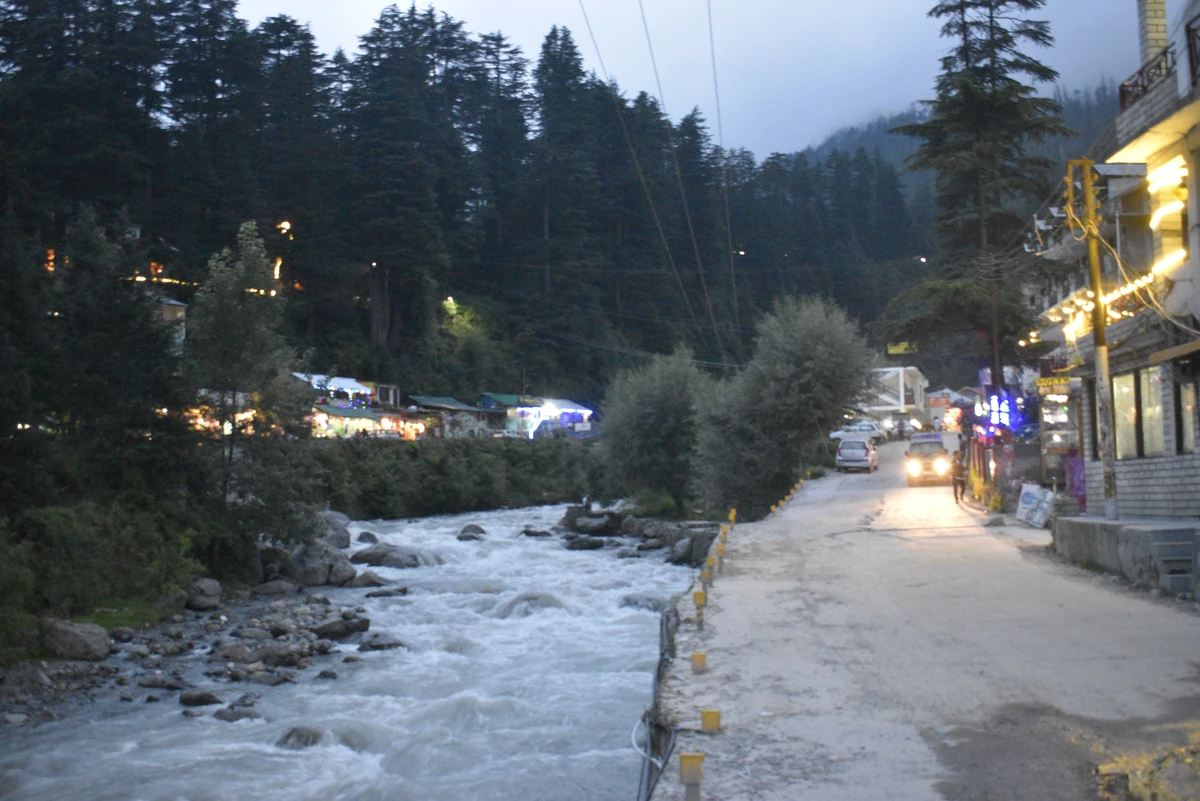
About 3 km from the bus stand by road to the foot of Old Manali; then on foot up the lane from the bridge over the Manalsu, past the cafés and guesthouses to the old houses at the top, a steady twenty minutes. Cars stop below; the last part is stone steps.
When to go
Early, when the village is waking and the lane is empty, or in the last hour of light when the town below is in shadow and the ridge above is lit. Any month; in winter the steps hold ice and the village is quiet.
Around it
The lane below for breakfast; the Manali Sanctuary gate for the forest; Hadimba across the stream; Vashisht and Jogini across the river for the walk. Our stays page has the guesthouses in the upper village, which are the quiet ones.
Plans that include this
All 9 plans that stop here →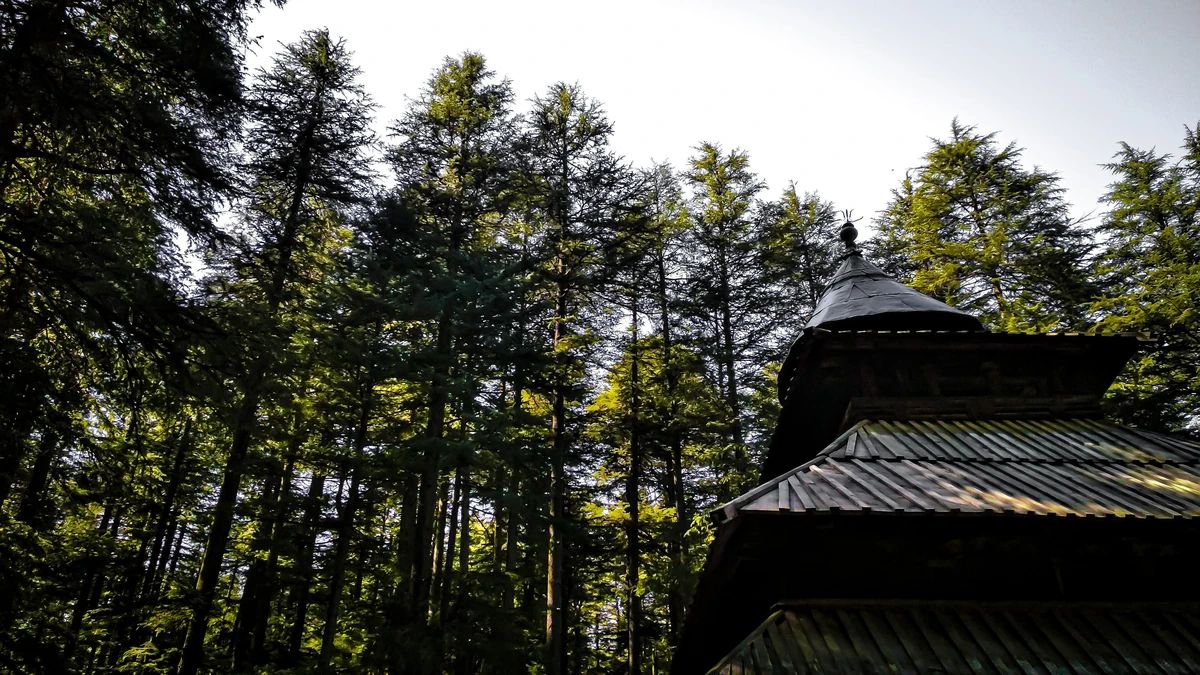 Day plan · First visitClassic
 1 night · 2 days · Slow travelCafés & food1 night · 2 days · First visitClassic2 nights · 3 days · First visitClassic2 nights · 3 days · Slow travelTemples & heritage
 2 nights · 3 days · PhotographersClassic
Questions people ask
Why is the Manu Temple important?
Because the town is named for its deity. Manu is the lawgiver of Hindu tradition, the sage who survived the flood, and the story places his hermitage here; Manali is read as Manu's dwelling. The temple at the top of the old village is his, and it is the one temple in the valley that claims the place itself.
How do you get to the Manu Temple?
Walk up through Old Manali. From the bridge over the Manalsu the lane climbs past the cafés and guesthouses to the old houses at the top, and the temple is at the head of the village. It is about 3 km from the bus stand by road, twenty minutes on foot from the bridge, with stone steps at the end.
What does the Manu Temple look like?
A stone-and-timber building in the valley's own style, rebuilt more than once, with a carved wooden doorway, a courtyard and a metal-capped roof, set among the oldest houses of the village with the ridge behind it. It is smaller and plainer than Hadimba, and quieter; the setting is much of its point.
When is the best time to visit the Manu Temple?
Early morning, when the village is waking and the lane is empty, or in the last hour of light when the town below is in shadow and the ridge is not. Any month; in winter the steps hold ice. Combine it with the walk on into the orchards above the village, or with the sanctuary gate nearby.