
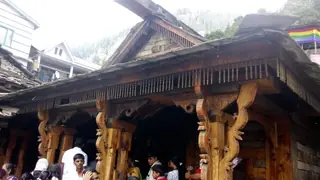
Hadimba Devi Temple
temple · 1 min from Manali
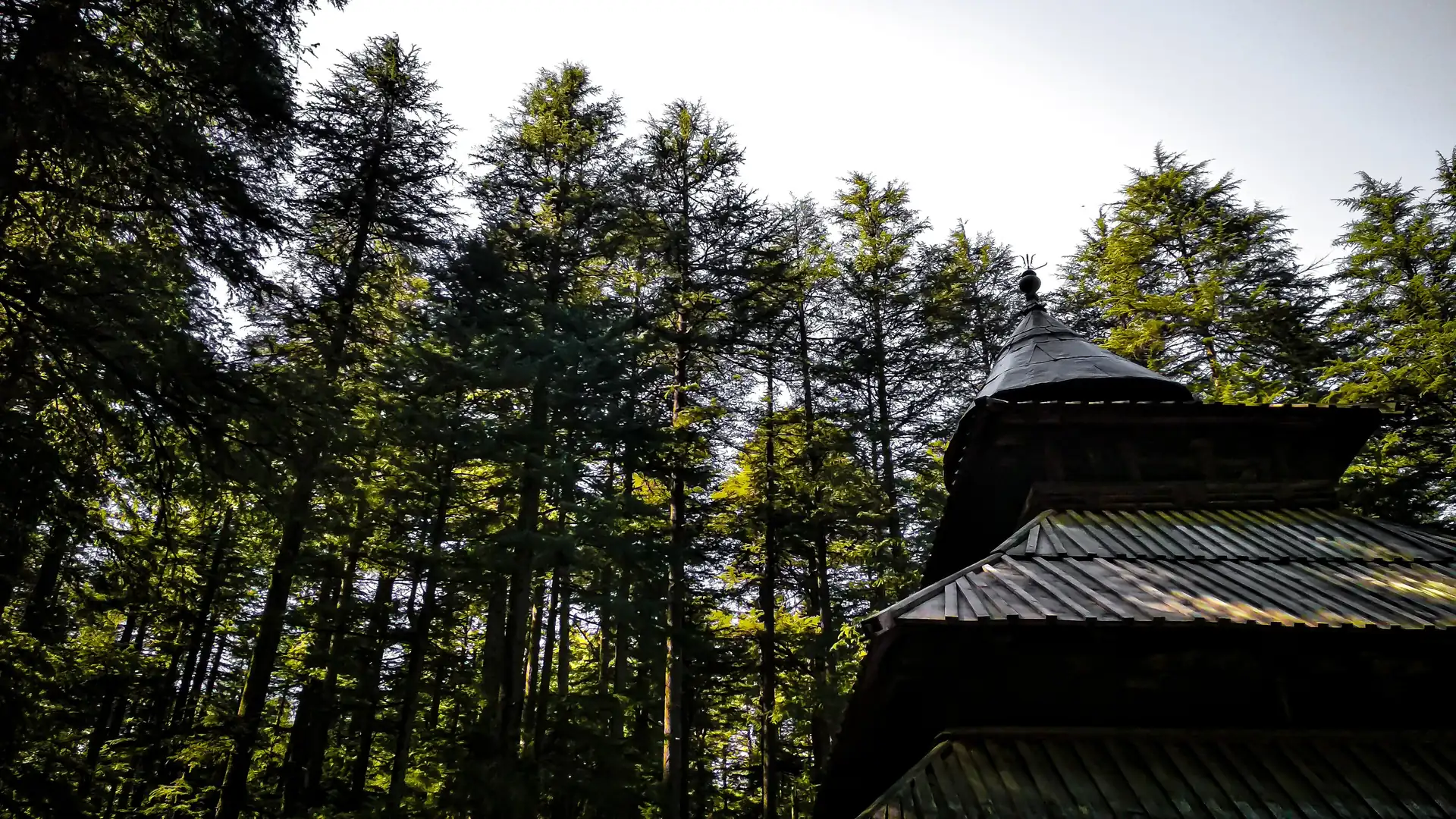
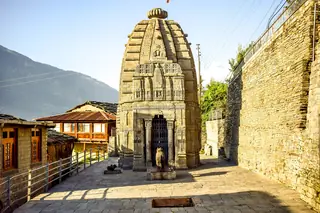
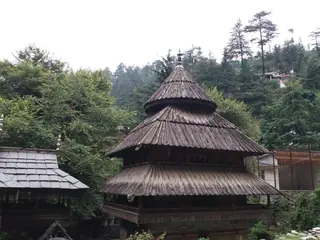
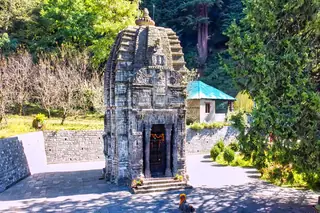
The Manali valley has two temple traditions side by side: the timber pagodas and tower temples of the hills — stacked roofs, carved doorways, deodar beams on stone — and the stone shikhara temples of the plains tradition that reached the valley later. This plan sees both, in three days, without a pass or a permit.
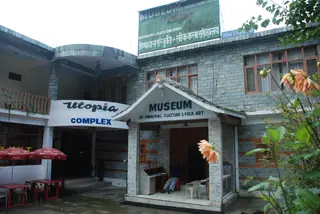
Day one is the town's three shrines and the museum that explains them. Day two goes down the left bank through Jagatsukh, the capital before Naggar, to the castle the rajas built around 1460 and the temples below it. Day three is one climb to a hill temple for the view, and an afternoon free.
Photos: Itsarti (CC BY-SA 4.0) · Birte Fritsch (CC BY 4.0) · Sharvipul (CC BY-SA 4.0) · Yann Forget (CC BY-SA 3.0) — via Wikimedia Commons, resized.
Anyone who has done the meadow and the tunnel and wants the valley's older layer; couples and older travellers who like buildings and quiet; a second visit. Not for anyone who wants snow or adventure — this plan has neither, on purpose.
Hadimba, Manu and Vashisht are all within a few kilometres; this is a walking day with one autorickshaw.
The road through Jagatsukh and Naggar is where the valley's older layer is.
One climb to a hill temple, then the afternoon free.
The overnight bus from Delhi, 513 km, or the drive from Chandigarh, 264 km and about 289 min. Bhuntar airport is 49 km and about 62 min away. Day two needs a taxi for the half day; day one is on foot and by autorickshaw.
Old Manali, for the climb to the Manu temple from the door and the cafés after; or Naggar itself for the second night, in a guesthouse under the castle, which turns day two into a slow one. Our stays page shows both.
If you want the hilltop temple that is a real outing: Bijli Mahadev above Kullu is a climb and a half day on its own; the Kullu guide has it.
If it rains on day two: the castle is under a roof; keep it and the Naggar temples, and drop the Jagatsukh stop.
With a fourth day: the Jana Falls dhabas above Naggar for lunch, which is heritage of another kind.
 2 nights · 3 days · First visitClassic4 nights · 5 days · Slow travelClassic
 2 nights · 3 days · CouplesClassic
 3 nights · 4 days · SoloClassic
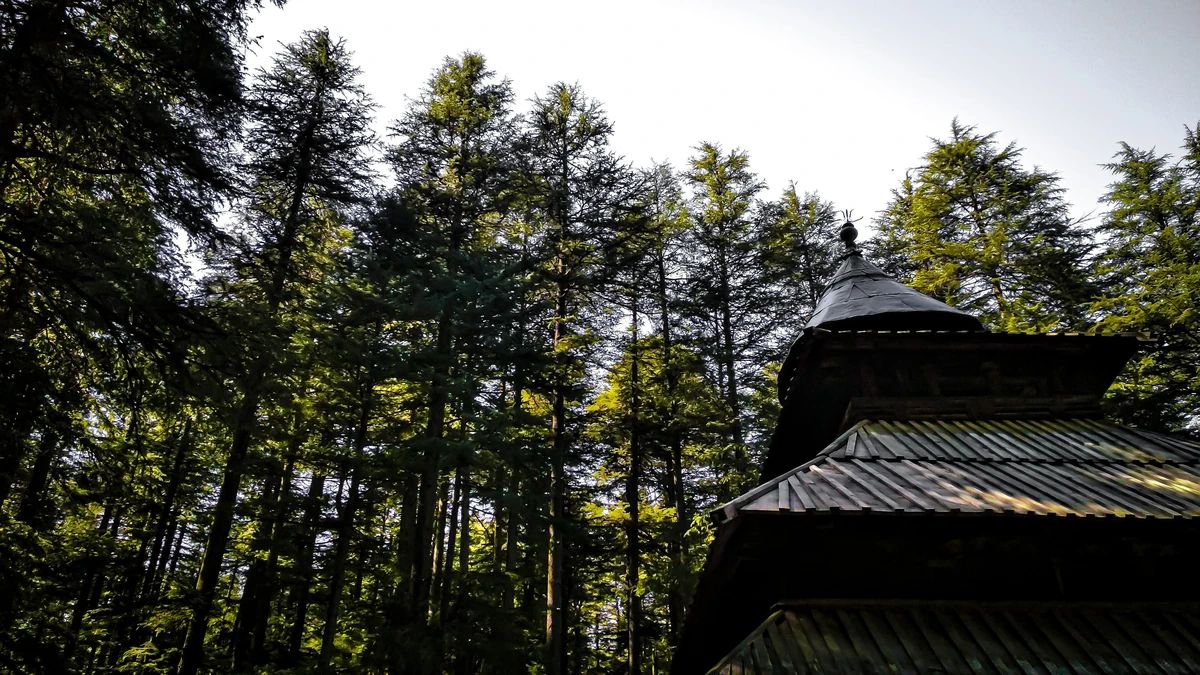
Hadimba, the sixteenth-century pagoda in the cedar grove above the town; Manu, at the top of Old Manali, the shrine the town is named for; and Vashisht, across the river, with the hot springs beside it. Down the valley, Naggar has the castle temple and the stone Gauri Shankar and Tripura Sundari temples below it.
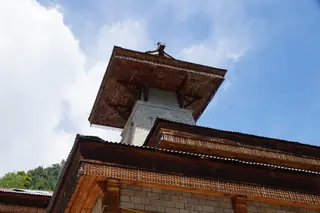
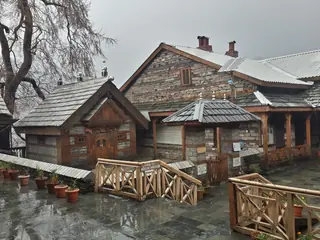
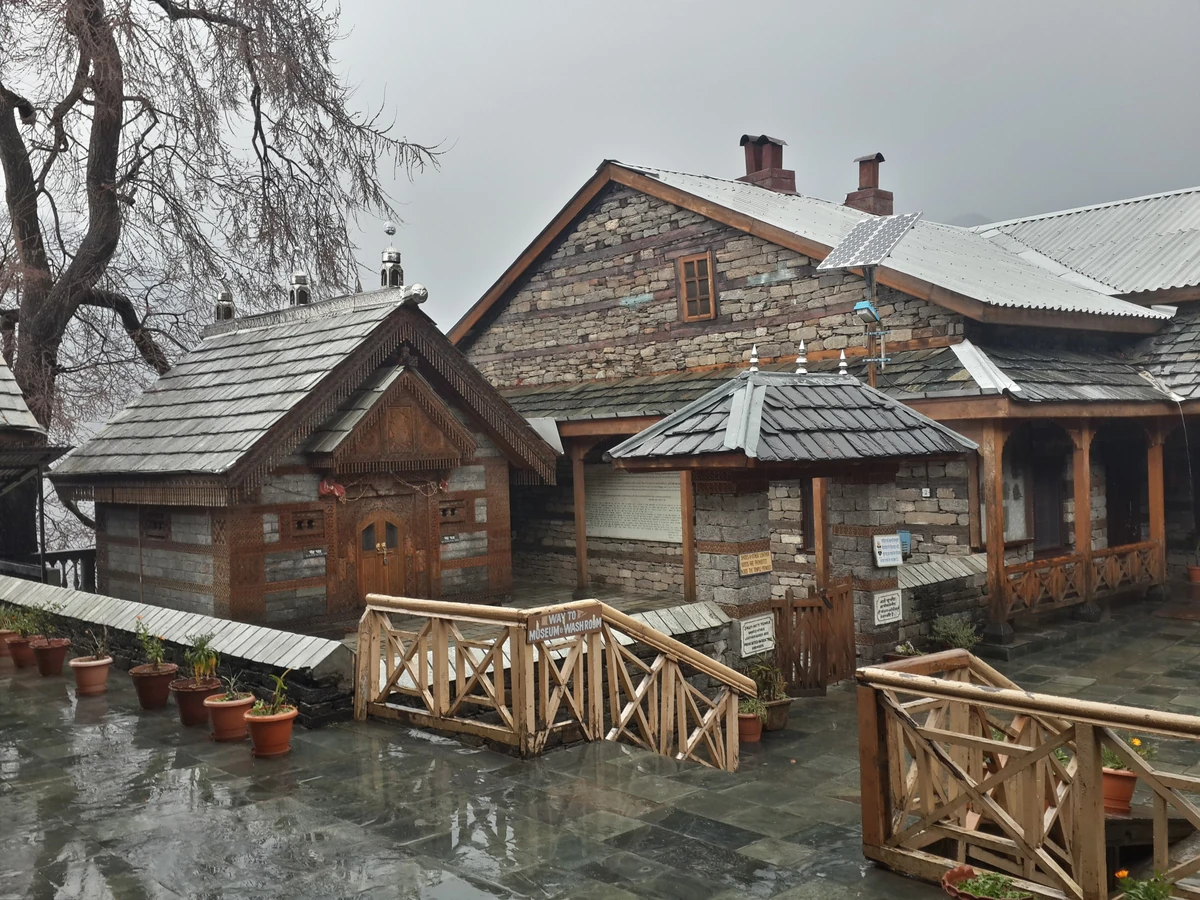
The valley's own way of building: courses of dry stone alternating with deodar beams, no mortar, so the wall flexes in an earthquake rather than cracking, with carved timber balconies and stacked slate or shingle roofs above. Naggar Castle and the old houses of Old Manali are the clearest examples; the museum at Dhungri has models.
No fees at the temples; a small ticket at Naggar Castle and the museum. Shoes off at every sanctum, and covered shoulders are welcome in the village temples. Photography inside sanctums is usually not wanted; ask first. Hadimba's queue is long between ten and four in season, so go early or late.
Yes; nothing in it needs the pass, and the temples are open all year. The Gaurishankar walk on day three holds ice in the shade in December and January, so do it at midday or swap it for the museum and the sanctuary path. Naggar is lower and milder than Manali and pleasant in the winter sun.