
What a Tirthan valley trip costs on the ground — the honest price sheet
How to read this page
Every number here is a band, not a price: the range we found in the local market in September 2026, quoted on the day by the homestay, the driver or the office, and moved by the season. We do not sell any of it and we do not take bookings, so there is no reason for us to round anything in either direction. Where a thing is free we say so, and in this valley most of the best things are.
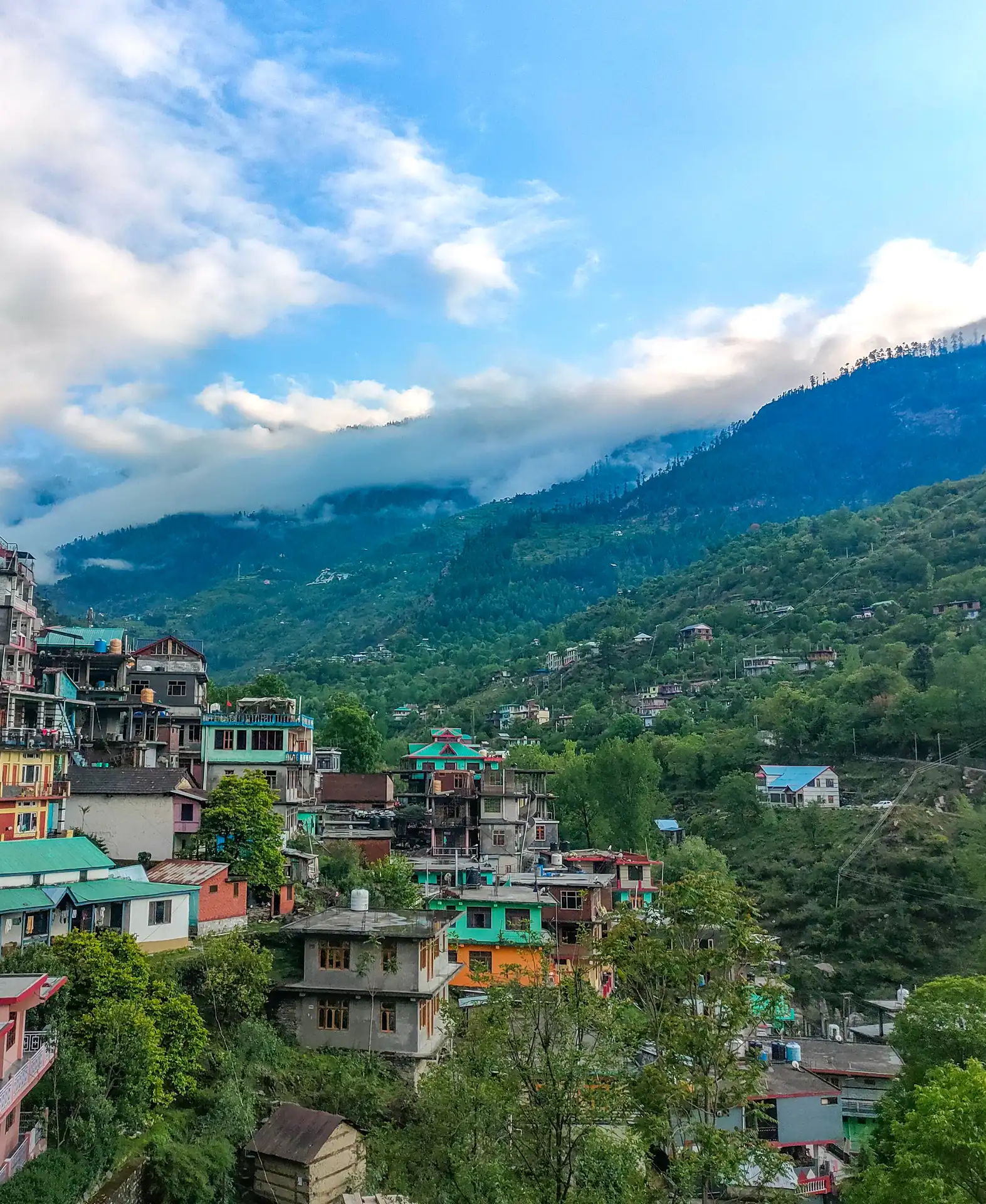
Photos: Ankitwadhwa10 (CC BY-SA 4.0) · Manish57335 (CC BY-SA 4.0) · Rajani Gairshail (CC BY-SA 4.0) — via Wikimedia Commons, resized.
What is free
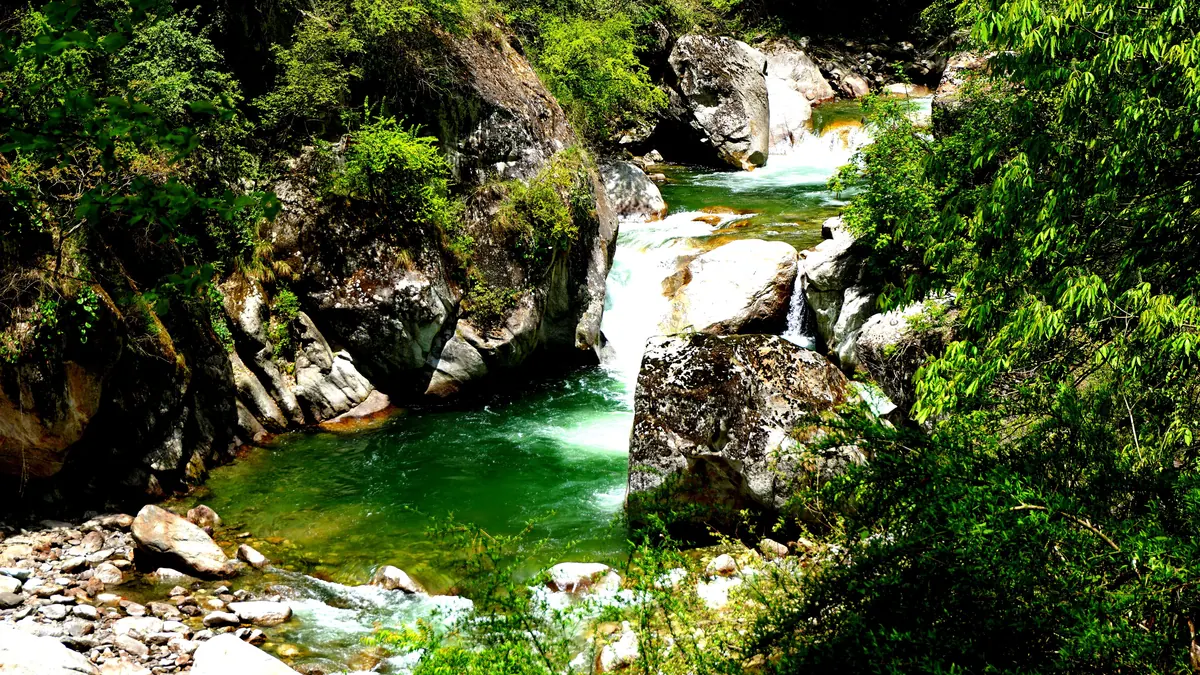
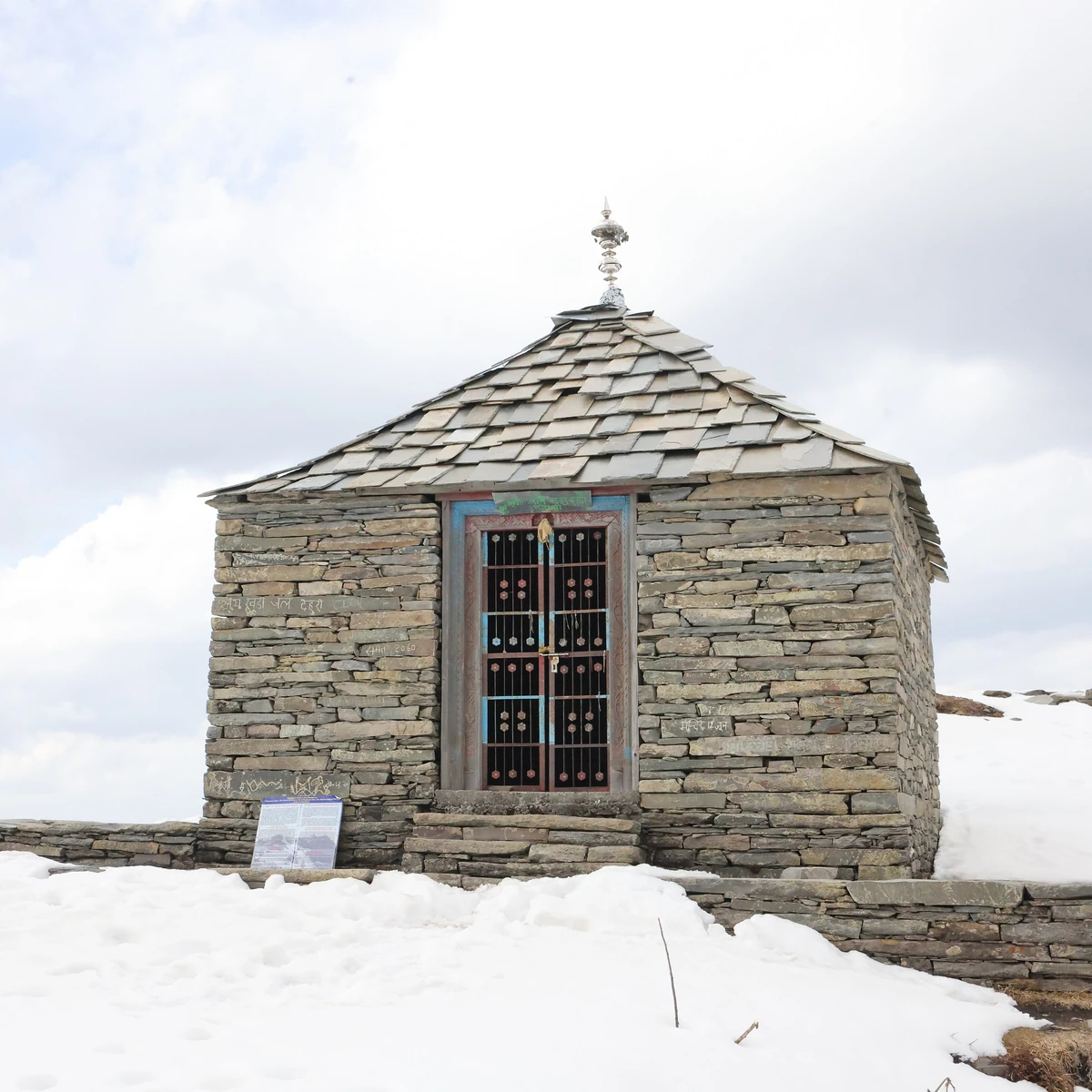
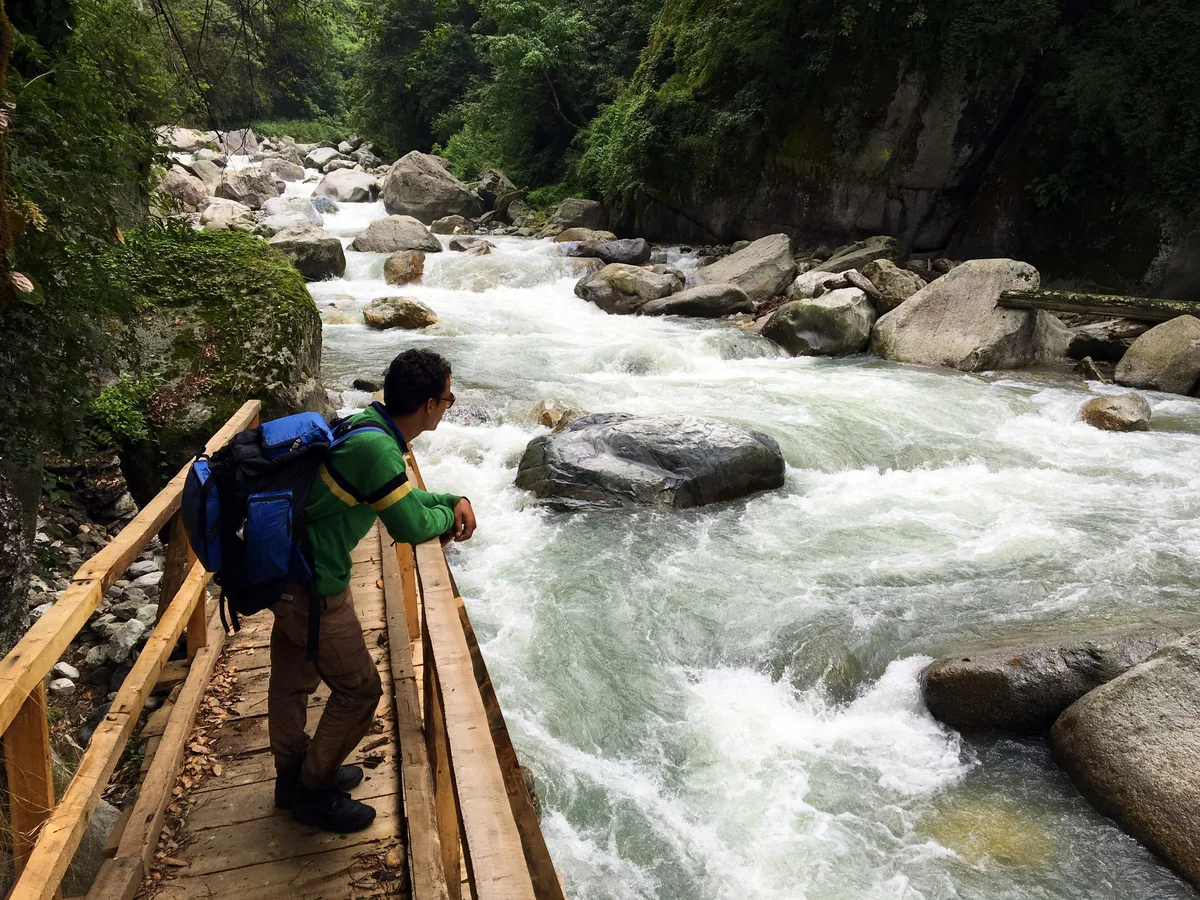
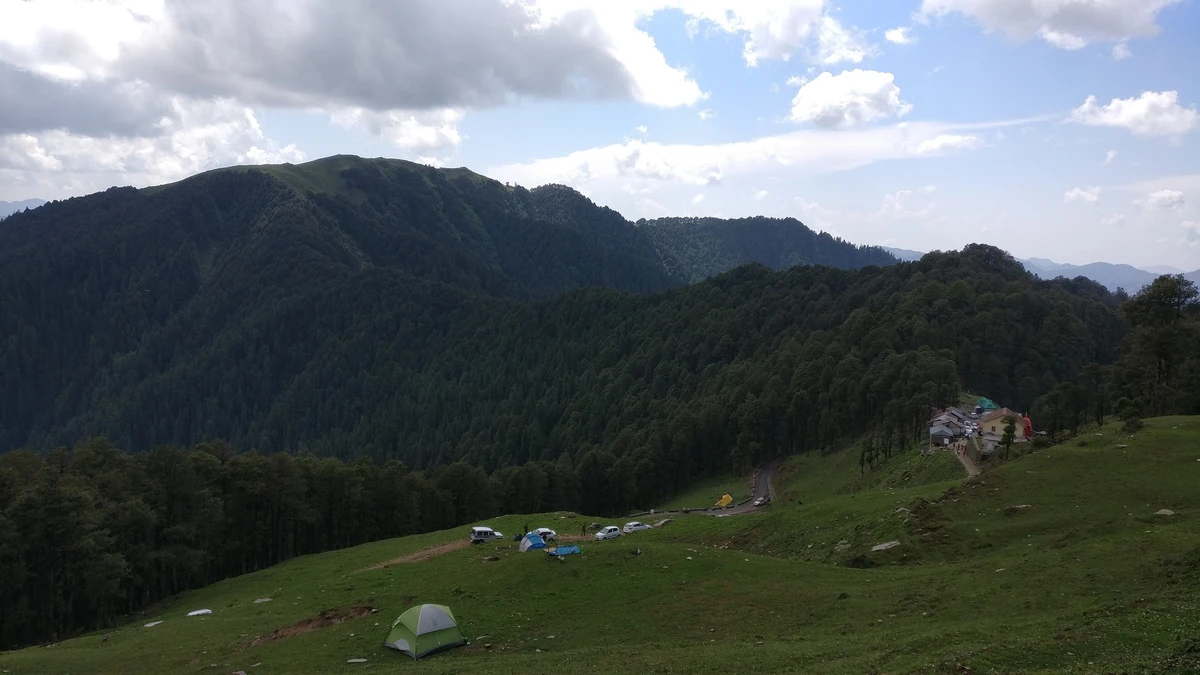
The river from the bank at Gushaini and Nagini. The Jibhi waterfall and the gorge at Mini Thailand. The climb to Chehni Kothi and the courtyard at Shringa Rishi's temple. Both walks from Jalori Pass — Serolsar lake and Raghupur Fort — once you are at the top. The ecozone paths around Sai Ropa and from the bridge at Gushaini, up to the park's gate. The museum at Sai Ropa.
What you pay on the day — the bands
- A homestay room on the river (Gushaini, Nagini, Sharchi) — typically ₹1,500–3,500 a night in season, meals included at most. Under the band in the monsoon and winter; above it on the long weekends of May, June and October. A week's stay gets a rate.
- A guesthouse room at Jibhi or Shoja — typically ₹1,000–3,000 a night in season. The same seasonal swing.
- A riverside cottage or resort — typically ₹3,000–8,000 a night in season.
- The taxi Aut–Gushaini or Aut–Jibhi — typically ₹1,200–2,000 one way. Split between four it is a bus fare each.
- The taxi Banjar–Jalori Pass — typically ₹1,500–2,500 one way, waiting at the top while you walk. Per car, not per head.
- A guide for the park or a ridge walk — typically ₹1,500–2,500 a day from the Sai Ropa office or the homestays. Required by the park past the gate; not needed for the Jalori walks in clear weather.
- A porter — typically ₹800–1,200 a day.
- Trout on a homestay menu — typically ₹400–700 a plate, most of it farmed rainbow from the valley's own farms.
- The valley bus Aut–Banjar — ₹50–100 on the state corporation's ordinary fare; the same order of money for each leg on to Gushaini or Jibhi.
- The park permit — a fee the park fixes and changes, with separate charges for still and video cameras; the office at Sai Ropa gives the current rate on the day. The angling licence — a day licence from the state's fisheries department through the homestays, quoted with it.
- A tent on the Jalori meadow — pitched by the dhaba families in season and quoted on the day, with dinner and breakfast at the dhabas.
What moves with the season
May, June and the October long weekends sit at the top of every band and above it: Jibhi's rooms go a week ahead, the river road soon after, the taxis quote high. July and August are the bottom — rooms under the band, nobody needing to book — and December to February the same, with half the cafés shut and the heater's fuel sometimes extra. The month by month article has the weather behind the prices.
Where cash matters
Everywhere above Banjar. The bazaar's ATMs are the last in the valley and empty over a long weekend; the homestays, the camps, the dhabas at the pass and the taxi stand take notes, and the Sai Ropa office is not a card machine. Draw the whole stay on the first morning. Jibhi's cafés increasingly take a transfer when the signal allows, which is not in rain.
What it adds up to
Two people, three nights, by bus and on foot: a homestay in the middle of the band with meals, the valley bus up and down, one taxi day to the pass shared with another pair, the walks free — a modest trip by any hill standard. The same three nights with a taxi every day and a cottage on the river is about double. The weekend by bus is the first version day by day; the classic three days the middle one.
Plans that include this
All Banjar itineraries →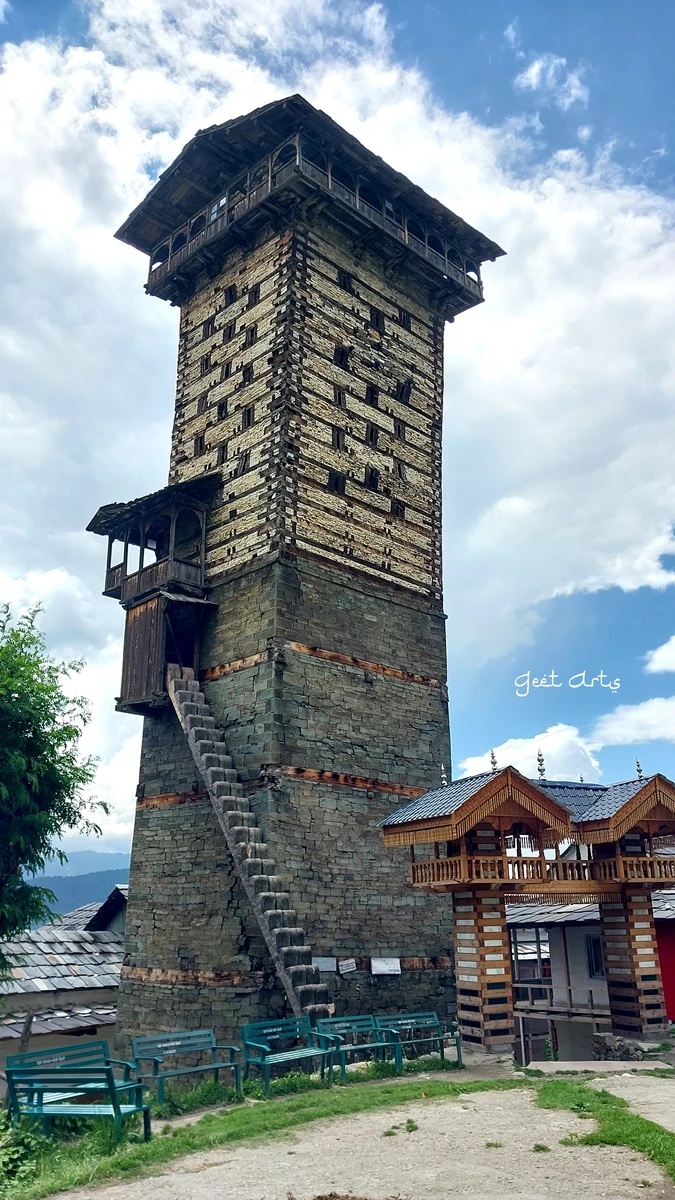 Day plan · First visitTemples & heritage
 1 night · 2 days · First visitClassic
 1 night · 2 days · First visitWalks & treks
 2 nights · 3 days · Slow travelCafés & food
 2 nights · 3 days · First visitClassic
 2 nights · 3 days · Slow travelMonsoon
Questions people ask
How much does a Tirthan valley trip cost per day?
Using the bands checked in September 2026: a homestay room ₹1,500–3,500 a night with meals or a Jibhi guesthouse ₹1,000–3,000, a taxi from Aut ₹1,200–2,000 split among a group or the valley bus at ₹50–100. The walks are free. Two on foot manage modestly; a taxi every day doubles it.
Is the Tirthan valley expensive?
Not by hill-station standards, and cheap outside the long weekends: the rooms sit under the bands in the monsoon and winter and above them in May, June and October. The valley's best things — the river, the waterfalls, the pass walks — are free; the cost is the room, how often you take a taxi, and the park's permit.
How much is the Great Himalayan National Park permit?
The park fixes the fee and changes it, with separate charges for cameras, and its own site says to check the current rate with the office — so ask at Sai Ropa on the day rather than trust a number. A guide, required past the gate, is typically ₹1,500–2,500 a day and a porter ₹800–1,200.