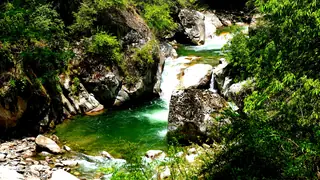
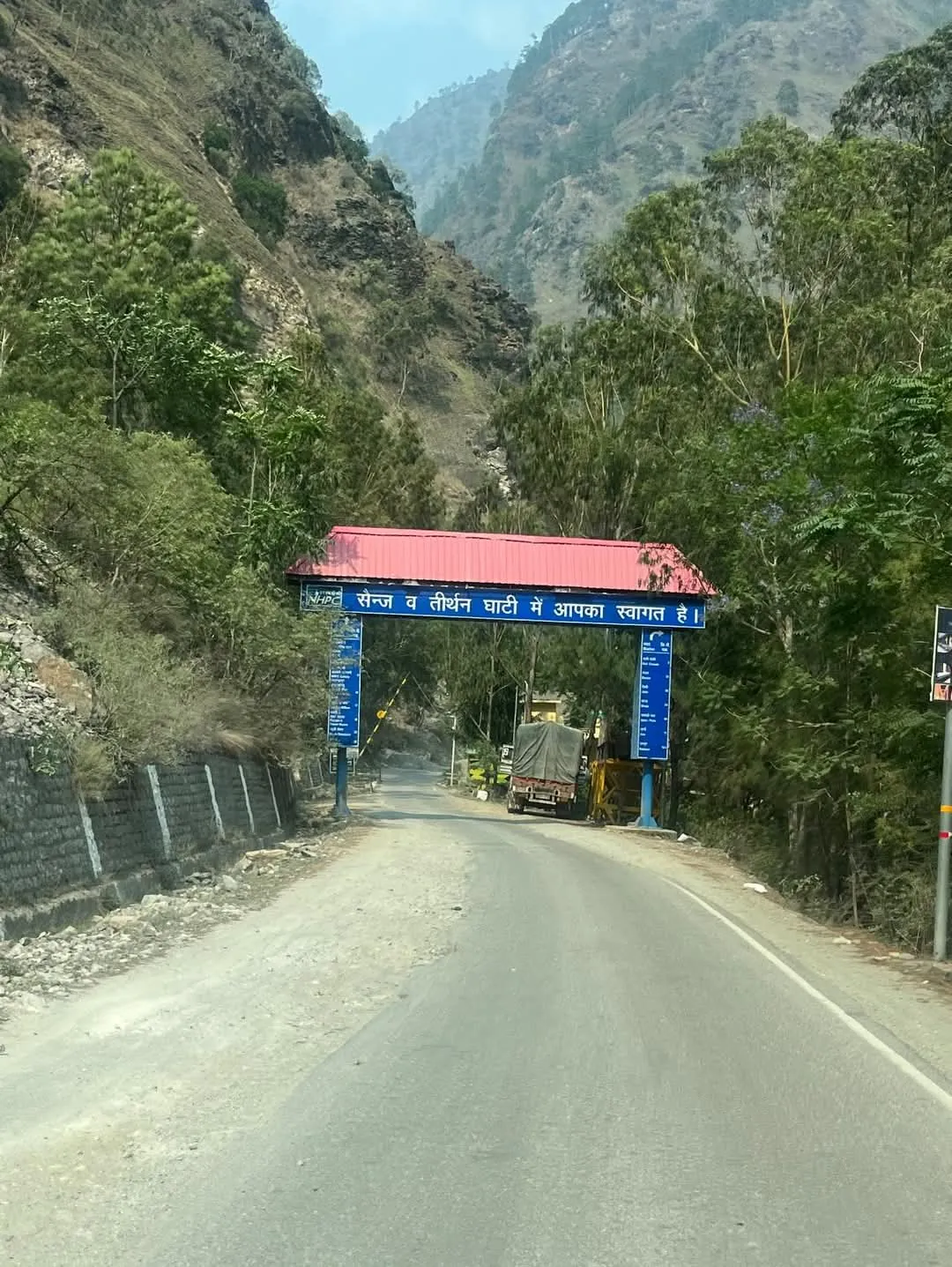
The valley in a weekend on a budget: the Friday night bus from Delhi to Aut, two nights in homestays, every stop by the valley bus or on foot, and the Sunday bus home. It does the river at Gushaini and the village at Jibhi, the two things the Tirthan is for, and leaves the pass and the park for a longer visit.
The trick is the bus timings, which the valley keeps to itself: ask at the Aut turn and at the Banjar stand what runs that day, and be at the stand ten minutes early. Where a bus does not come, a shared taxi from the stand does the same run for a little more. The road minutes are measured on the actual road.
Who this is for
Anyone with a weekend and a bus ticket. Students, solo travellers, couples on a budget. With a car and three days, the classic three days adds Jalori Pass; with one night, the two-day first-time plan is the same idea by taxi.
Day by day
Day 1
Off the night bus at Aut, up the valley by bus
The Delhi–Manali night bus drops you at Aut before the tunnel around dawn. The valley bus from the turn to Banjar, a second one to Gushaini, and the day on the river.
06:30
Auttown · 40 min from Banjar · about 15 min there
Tea at the turn while the valley bus fills — a few tens of rupees to Banjar, typically ₹50–100 as of Sep 2026. A shared taxi is the alternative when the bus is not due.
↓ 38 min by road · 24 km
08:00
Banjartown · 1 min from Banjar · about 1 h 30 min there
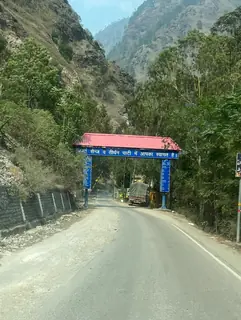
The bazaar and the bus stand, 24 km up from Aut. Draw cash here — the last ATMs — and change to the Gushaini bus, or a shared taxi for the 10 km.
↓ 18 min by road · 10 km
09:30
Gushainitown · 18 min from Banjar · about 1 h 30 min there
A homestay on the river, typically ₹1,500–3,500 a night with meals; ask for a dormitory or a shared room and the band drops. Breakfast, sleep off the bus, then the river path from the far bank.
Day 2
Jibhi by bus, the waterfall, and Shoja if the bus goes on
The bus down to Banjar and up the pass road to Jibhi, the waterfall and the gorge on foot, and the afternoon bus on to Shoja and back if it runs — or a café until the light goes.
10:00
Jibhitown · 14 min from Banjar · about 1 h 30 min there
The village on the stream, 14 minutes above Banjar by road. Rooms typically ₹1,000–3,000 a night; dormitories and shared rooms less. Leave the bag and walk.
↓ 7 min by road · 3 km
11:00
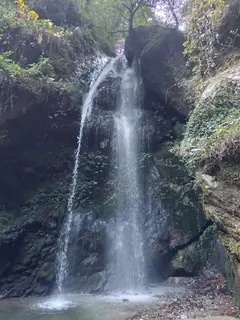
Jibhi Waterfallwaterfall · 21 min from Banjar · about 45 min there
Through the gate by the bridge and along the bank — a few minutes, no climb, and free.
↓ 19 min by road · 9 km
15:00
Shojatown · 28 min from Banjar · about 1 h 30 min there
If the afternoon bus towards the pass is running, the last village below Jalori, 28 minutes above Banjar, for tea and the ridges at dusk; back on the same bus. Otherwise a café in Jibhi does the same job.
Day 3
The park's centre, Larji, and the bus home
A morning at Sai Ropa on the river road, then the valley bus down to Larji and Aut for the afternoon bus to Delhi.
09:30
Sai Ropaarea · 10 min from Banjar · about 30 min there
The park's Tirthan-side centre, 10 minutes from Banjar: the small museum and the forest paths behind it, free. The bus stops at the gate.
↓ 37 min by road · 22 km
12:30
Larjitown · 34 min from Banjar · about 20 min there
The junction where the Tirthan meets the Beas, 34 minutes below Banjar by road. Lunch at a dhaba above the dam, then the last few minutes to Aut and the highway bus.
Getting there
The overnight bus from Delhi's Kashmere Gate towards Kullu and Manali stops at Aut before the tunnel — say so when you buy the ticket. From Aut it is 24 km by the valley bus to Banjar and 10 km more to Gushaini. By car the whole run from Delhi is 466 km. The return bus is caught at Aut on the highway; the afternoon ones reach Delhi in the small hours.
Where to stay
A homestay on the river at Gushaini the first night, a guesthouse or dormitory at Jibhi the second; both take walk-ins outside long weekends and both drop their rate for a shared room. Banjar has cheaper rooms by the bus stand for anyone stuck between buses.
Know before you go
- Cash for the whole weekend, drawn at Banjar on the first morning — nothing above it takes a card reliably.
- Prices are bands checked in September 2026 and quoted on the day; long weekends run higher and the buses run fuller.
- Buy the Delhi bus with an Aut drop, not Kullu — the tunnel puts Kullu on the wrong side.
- Ask every driver what time the last bus down runs; it is earlier than you think.
- The valley bus is slow and stops everywhere. That is part of the weekend.
If plans change
By taxi, with the pass: the classic three days does the river, Jalori and Chehni Kothi.
One night only: the two-day first-time plan.
Jibhi as the base: the Jibhi and Jalori two days sleeps at Jibhi and climbs to the fort.
 1 night · 2 days · First visitClassic
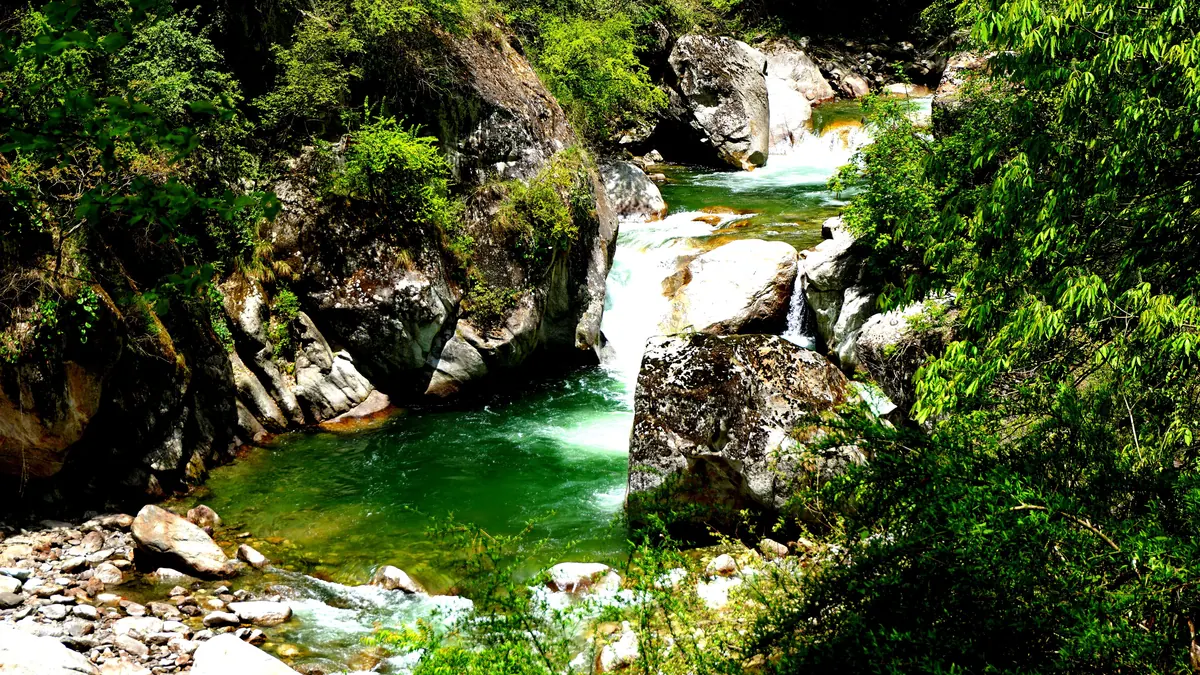
Two days in the Tirthan valley — the river at Gushaini, then Jibhi and its waterfall on the way out
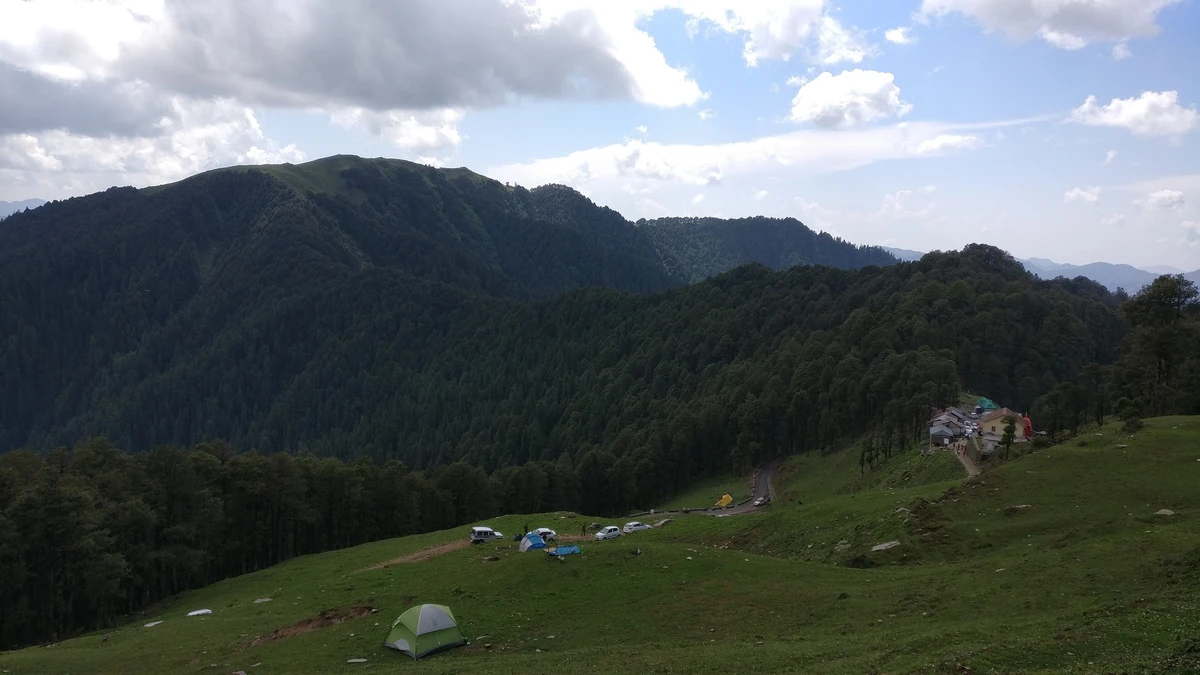
Two days in the Tirthan valley for a first visit: the park centre at Sai Ropa, a night on the river at Gushaini, Jibhi and its waterfall on the way out.
 2 nights · 3 days · First visitClassic
Three days in the Tirthan valley — the river, Jalori Pass and Serolsar lake, then Chehni Kothi and Jibhi
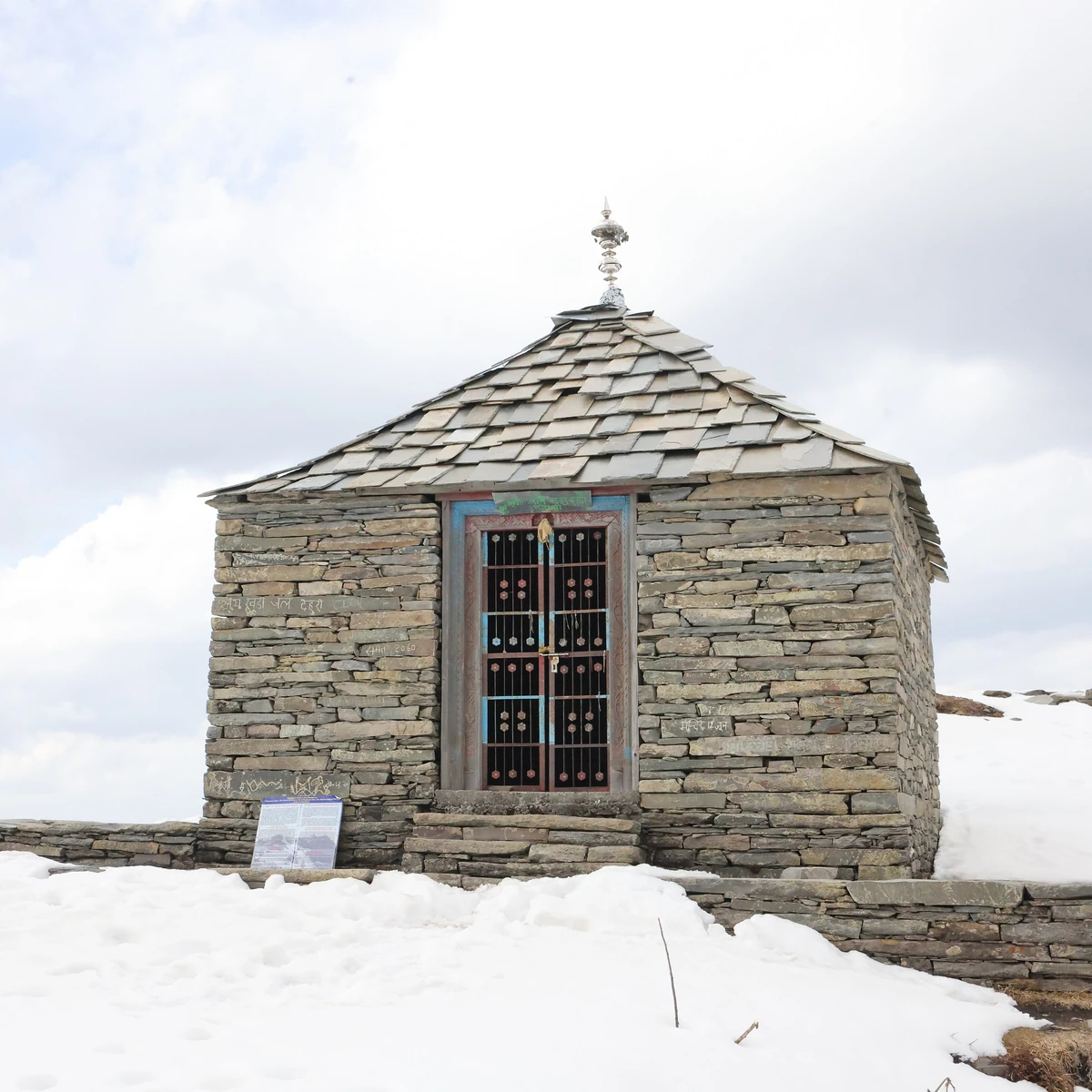
The classic three days in the Tirthan valley: the river at Gushaini, Jalori Pass and the ridge walk to Serolsar lake, Chehni Kothi and Jibhi on the way out.
 1 night · 2 days · First visitWalks & treks
Jibhi and Jalori Pass in two days — the stream, the gorge and the waterfall, then the climb to Raghupur Fort
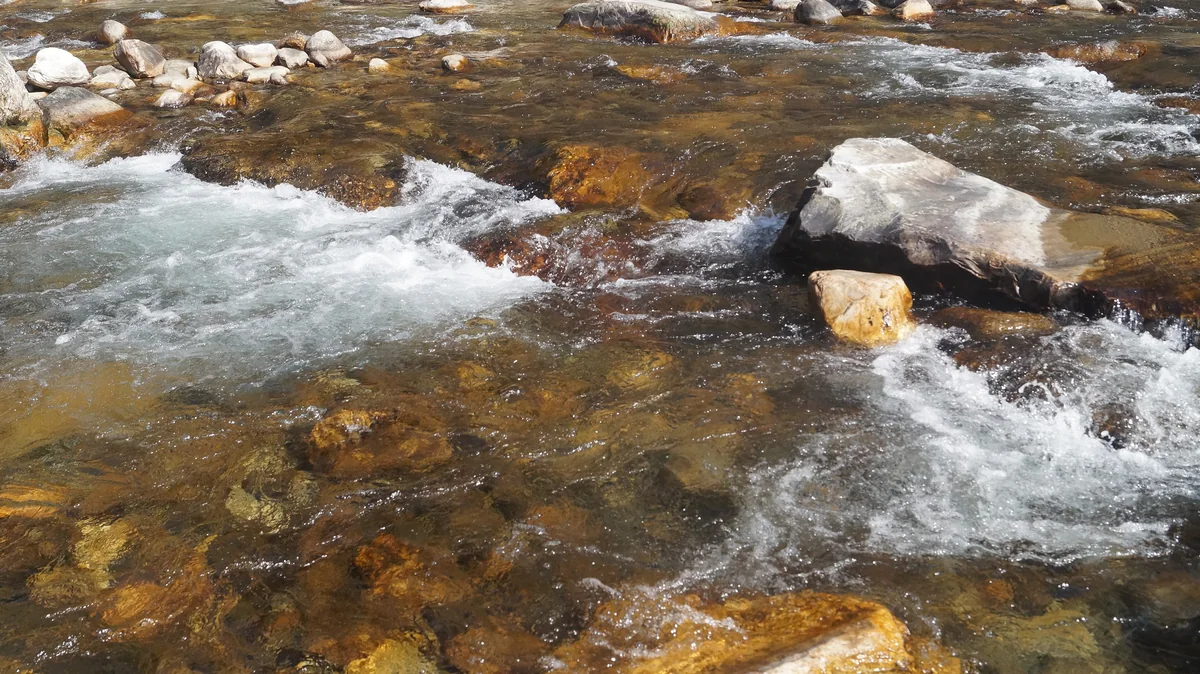
Two days at Jibhi: the gorge at Mini Thailand and the waterfall on the first afternoon, Jalori Pass and the climb to Raghupur Fort on the second, with times.
 6 nights · 7 days · Soloslow
A slow week in the Tirthan valley alone — one homestay at Gushaini, one walk a day, and the pass once
Six nights in one homestay at Gushaini: the river path, the Chhoie waterfall, Pekhri and Sharchi on foot, one taxi day to Jalori and Serolsar, Jibhi last.
Questions people ask
How do you reach the Tirthan valley from Delhi by bus?
Take the overnight bus from ISBT Kashmere Gate towards Kullu or Manali and get off at Aut, before the tunnel — say so when booking. From the turn at Aut the valley bus runs 24 km to Banjar for a few tens of rupees, and a second bus or shared taxi covers the last 10 km to Gushaini.
Is a weekend enough for the Tirthan valley?
Enough for the river at Gushaini and the village at Jibhi, which is what this plan does, and not for Jalori Pass, Serolsar lake or the park, which each need a day and a taxi. Most weekend visitors come back with a third day; the classic three-day plan is the version with the pass.
What does a budget Tirthan weekend cost?
Using the bands checked in September 2026: the valley bus ₹50–100 a leg, a shared room or dormitory under the ₹1,000–3,500 room bands, meals a few hundred rupees a sitting at the homestay or a dhaba. The waterfall, the river and the park's centre are free. The Delhi bus is the largest single cost.