HimLocal
Sign in
HimLocal
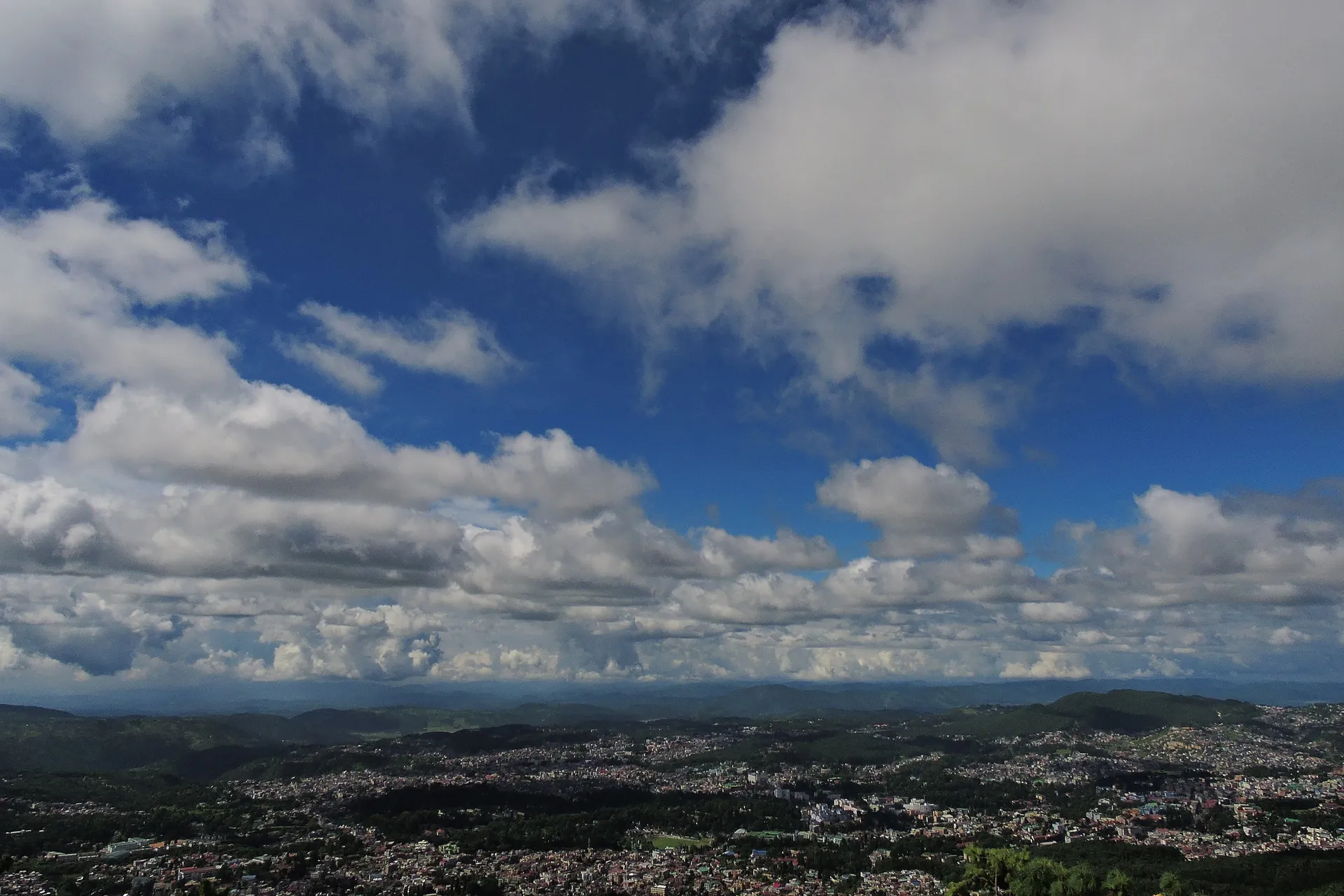
A wide view over the town of Shillong in a green valley under a deep blue sky with large white clouds
1 / 2
Photo: debanutosh · CC0
ArticleVerified 2026-10-24

Best time to visit Meghalaya and Nagaland — month by month, with India Meteorological Department weather for Shillong, Cherrapunji and Kohima

Meghalaya and Nagaland month by month: IMD highs, lows and rain for Shillong, Cherrapunji and Kohima, plus the monsoon, cherry blossom and Hornbill.

Meghalaya and Nagaland are both hill states with a long monsoon, but the rain falls very differently: Cherrapunji, officially Sohra, is among the wettest places on Earth, while Kohima gets a mild highland monsoon. This guide uses the India Meteorological Department normals for 1991–2020 that Wikipedia prints for Shillong, Cherrapunji and Kohima, and adds the festivals and seasons from our hub guides.

The short answer

  • October to March: the dry months. Clear views, and the best weather at Shillong in November and December. The Hornbill Festival fills the first ten days of December near Kohima.
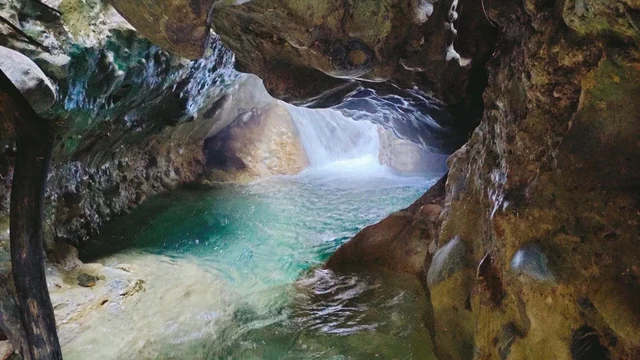
  • June to September: the monsoon. Cherrapunji peaks in June and July, the falls are at their strongest, and the Dzükou Valley is in flower.
  • October or November: the compromise for Cherrapunji, with falls still running and the skies clearing.

Month by month

  • January. Shillong: high 15.2 °C, low 5.7 °C, rain 12.6 mm. Cherrapunji: high 17.2 °C, low 6.6 °C, rain 15.5 mm. Kohima: high 16.1 °C, low 5.1 °C, rain 12.1 mm. Cool and dry at all three. Wikipedia says Mount Japfü above Kohima gets snow in January and February.
  • February. Shillong: high 17.5 °C, low 7.5 °C, rain 15.4 mm. Cherrapunji: high 18.8 °C, low 8.7 °C, rain 53.7 mm. Kohima: high 19.0 °C, low 6.6 °C, rain 28.5 mm. Mostly dry. Sekrenyi, the Angami purification festival, starts about 25 February at Kohima.
  • March. Shillong: high 21.4 °C, low 11.2 °C, rain 42.7 mm. Cherrapunji: high 21.4 °C, low 12.1 °C, rain 364.1 mm. Kohima: high 23.5 °C, low 10.6 °C, rain 48.6 mm. Warmer, and the rain begins to climb at Cherrapunji. The Chumerie Garlic Festival is held at Khonoma on 14 March.
  • April. Shillong: high 23.4 °C, low 14.1 °C, rain 131.4 mm. Cherrapunji: high 22.7 °C, low 14.4 °C, rain 792.4 mm. Kohima: high 25.2 °C, low 13.3 °C, rain 100.1 mm. Spring. Cherrapunji's rain climbs steeply, and the Konyak and Phom festivals of Aoleang and Monyu fall on 1 and 2 April.
  • May. Shillong: high 23.7 °C, low 15.6 °C, rain 244.5 mm. Cherrapunji: high 23.1 °C, low 16.1 °C, rain 1,297.1 mm. Kohima: high 25.1 °C, low 14.7 °C, rain 188.5 mm. The monsoon builds at Cherrapunji. Wikipedia says wildflowers carpet the Dzükou Valley from May to September, and the Dzükou lily blooms in May and June.
  • June. Shillong: high 24.2 °C, low 17.4 °C, rain 423.7 mm. Cherrapunji: high 23.1 °C, low 17.7 °C, rain 2,608.1 mm. Kohima: high 26.0 °C, low 16.7 °C, rain 248.3 mm. The monsoon arrives in Shillong in June, by Wikipedia, and Cherrapunji's rain peaks. Carry rain gear until the end of October.
  • July. Shillong: high 24.2 °C, low 17.9 °C, rain 402.0 mm. Cherrapunji: high 22.9 °C, low 18.1 °C, rain 2,665.4 mm. Kohima: high 25.8 °C, low 17.2 °C, rain 334.7 mm. The Seven Sisters falls run only in the rains, by Wikipedia. Behdienkhlam, the Jaintia dance festival, is held in July, and the Sümi hold Tuluni on 8 July.
  • August. Shillong: high 24.4 °C, low 17.7 °C, rain 328.4 mm. Cherrapunji: high 23.6 °C, low 18.2 °C, rain 1,768.7 mm. Kohima: high 26.2 °C, low 17.2 °C, rain 344.0 mm. The wettest month at Kohima. Cherrapunji is still very wet. Tsungremong is held at Mokokchung on 1 and 2 August.
  • September. Shillong: high 23.7 °C, low 16.8 °C, rain 270.1 mm. Cherrapunji: high 23.9 °C, low 17.6 °C, rain 1,089.7 mm. Kohima: high 25.6 °C, low 16.4 °C, rain 268.2 mm. The rains ease. Wangala, the Garo festival of the Hundred Drums, is held between September and December.
  • October. Shillong: high 21.9 °C, low 14.2 °C, rain 197.2 mm. Cherrapunji: high 24.0 °C, low 15.3 °C, rain 461.4 mm. Kohima: high 24.2 °C, low 13.5 °C, rain 125.2 mm. The rain tails off. Many visitors choose October or November for Cherrapunji, as a compromise between full falls and clear days. The Cosmos Festival is held at Pfutsero in the first week.
  • November. Shillong: high 19.3 °C, low 10.4 °C, rain 24.7 mm. Cherrapunji: high 21.8 °C, low 11.4 °C, rain 49.3 mm. Kohima: high 21.8 °C, low 8.8 °C, rain 22.9 mm. The best weather at Shillong, and cherry blossom season: the Meghalaya Tourism site lists the Cherry Blossom Festival on 20 November 2026. Tokhu Emong is held at Wokha on 6 and 7 November.
  • December. Shillong: high 16.4 °C, low 7.2 °C, rain 7.2 mm. Cherrapunji: high 18.8 °C, low 8.2 °C, rain 10.2 mm. Kohima: high 17.0 °C, low 5.2 °C, rain 6.4 mm. Dry and clear. The Hornbill Festival runs from 1 to 10 December at Kisama near Kohima, and the Me•Gong Festival is on 4 December at Tura.

What to plan around

Rain gear is wise in every month at Cherrapunji, and the clearest views there come in the morning, before the cloud builds. For each place, read its own guide: Shillong, Cherrapunji and Kohima.

Plan the trip

Read how to reach Meghalaya and Nagaland from Delhi, the festivals by month and what to eat.
Places to visit

All destinations →
All stories →

Destinations to explore

All destinations →

Today on HimLocal

Been here?Help the next traveller — our team checks every contribution.

Questions people ask

What is the best time to visit Meghalaya?

For clear views and dry paths, the dry months from late October to March, with November and December the best at Shillong. For full waterfalls, the monsoon from June, when Cherrapunji records 2,608.1 mm in June and 2,665.4 mm in July by the India Meteorological Department normals. Many visitors choose October or November as a compromise.

What is the best time to visit Nagaland?

October to December, when the rain tails off and almost stops in November and December. The Hornbill Festival is held on 1 to 10 December at Kisama near Kohima, so book early for that week. May to September is the rainy season, and also the season of the Dzükou Valley's flowers.

When does it snow in Nagaland?

Rarely, and only on the high ground. Wikipedia says Mount Japfü, above Kohima, gets snow in January and February. Kohima's own days in those months run from 16.1 to 19.0 °C, with nights of 5.1 to 6.6 °C by the India Meteorological Department normals, and very little rain.