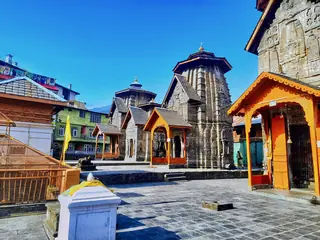
Lakshmi Narayan Temples, Chamba
temple · 193 m away
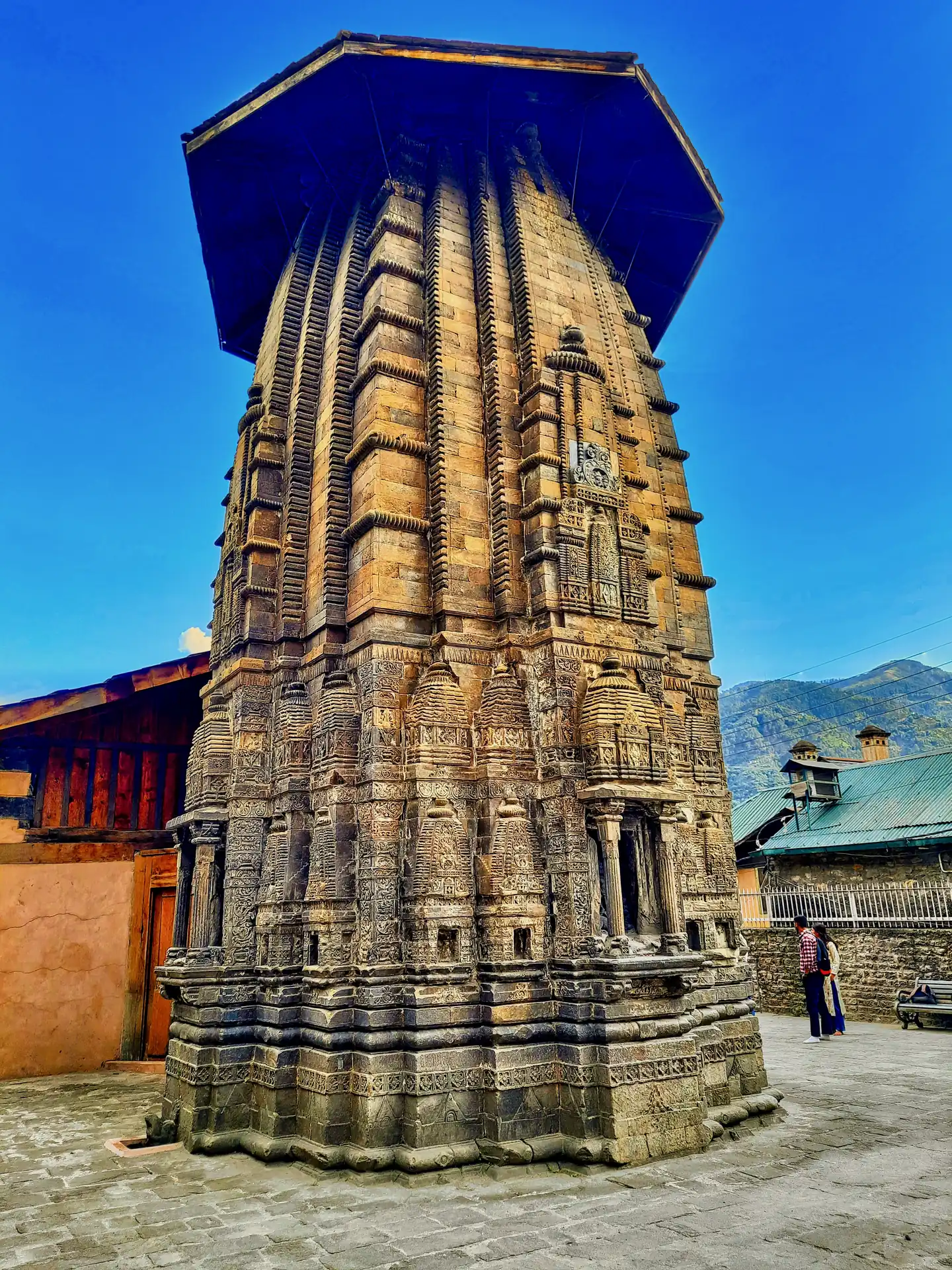
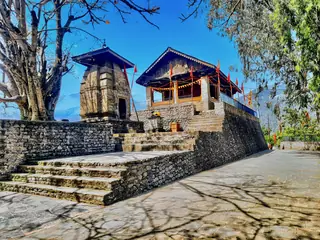
Champavati Temple is the stone temple the town of Chamba is named for. Raja Sahil Varman raised it in the 10th century for his daughter Champavati, and the town that grew around it took her name. It is a Shikhara temple, a tall stone tower, with a wheel roof and carved walls.
Photos: Ms Sarah Welch (CC0) — via Wikimedia Commons, resized.
It stands in the old town, about a minute's walk from the Lakshmi Narayan temples, so the two are one visit.
The shrine holds Mahishasuramardini, a form of Durga. Look at the carving on the outer walls before you go in; the stone is worn and the detail is in the close view, not the tower. The Archaeological Survey of India looks after the site, and a visit here is a short one.
Chamba is open all year. March to June is the warm, dry stretch, and October and November are the driest months; see when to visit Chamba.
The Lakshmi Narayan temples are next door, the Chaugan green and the Bhuri Singh Museum are a short walk, and Chamunda Devi Temple is up the hill. All four fit the one-day old-town plan.
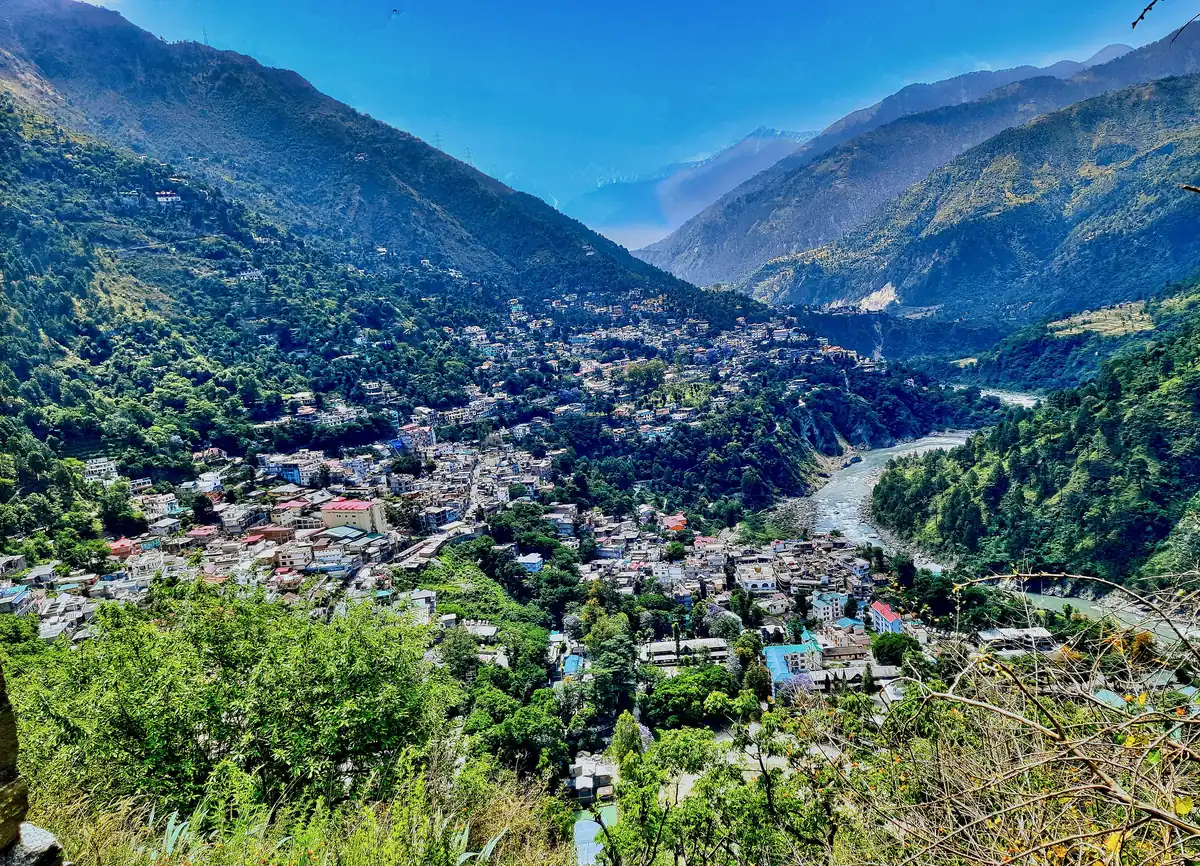
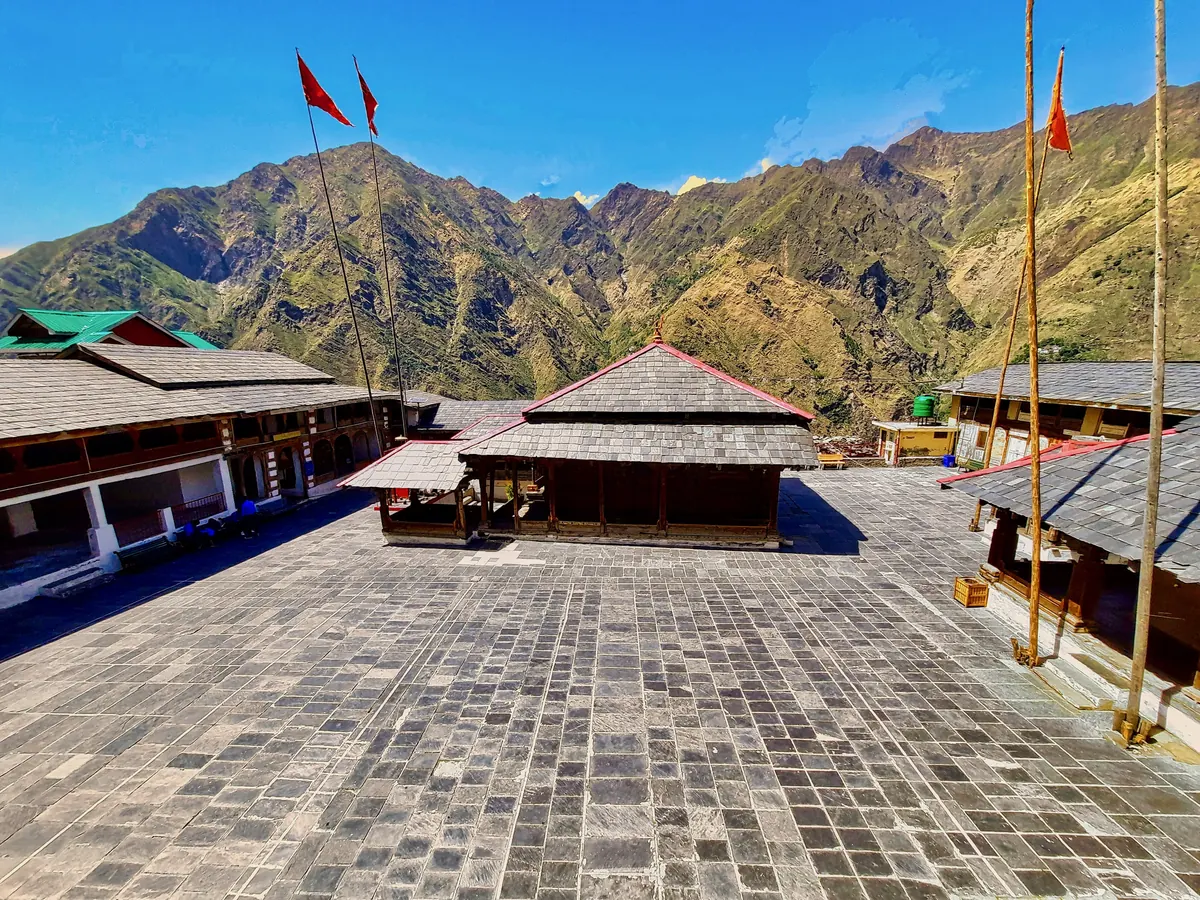
She was the daughter of Raja Sahil Varman, who moved his capital from Bharmour to this spot on the Ravi in 920 and named the new town for her. Two legends explain the choice, and the name later shortened to Chamba over the following centuries.
It dates from the 10th century and is built in the Shikhara style, a tall curved stone tower with a wheel roof. The Archaeological Survey of India maintains the temple today, and it stands in the old town, about a minute from the Lakshmi Narayan temples.
The shrine holds Mahishasuramardini, a form of Durga. The stone walls around it are carved, and the detail is easiest to see up close, in the lower panels and around the doorway, rather than from across the courtyard at a distance.