Champavati Temple, Chamba
temple · 193 m away
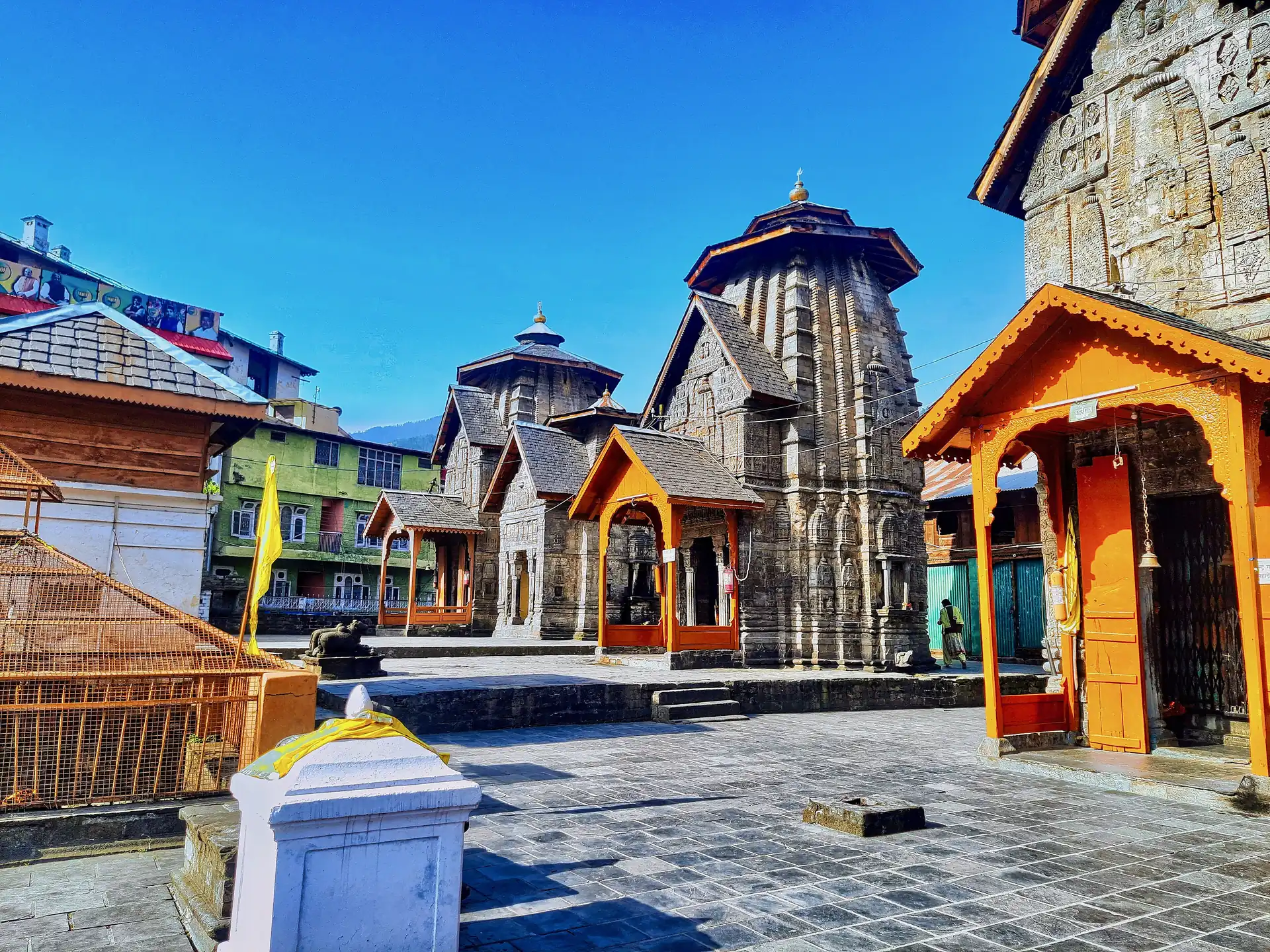
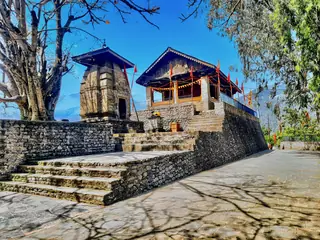
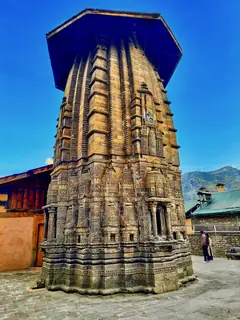
A group of Vaishnava temples in the old town of Chamba, built between the 10th and 19th centuries. The main temple is the oldest, from the 10th century under Raja Sahil Varman, and has a shikhara and wooden chatries that keep the hill weather off the stone.
Photos: Ms Sarah Welch (CC0) · Harvinder Chandigarh (CC BY-SA 4.0) — via Wikimedia Commons, resized.
They stand in the old town, a minute from Champavati Temple and facing the Chaugan, so you reach them on foot.
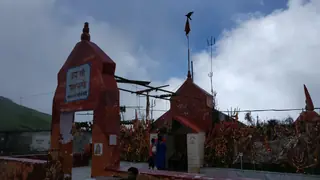
A metal Garuda stands on the pillar at the gate. In 1678 Raja Chhatra Singh gilded the roof pinnacles. Walk the row slowly: the towers are different ages and the carving changes from one to the next.
Any time of year works; mornings are the quietest. See when to visit Chamba.
Champavati Temple is next door and Chamunda Devi Temple is up the hill. The one-day old-town plan links them with the Chaugan.
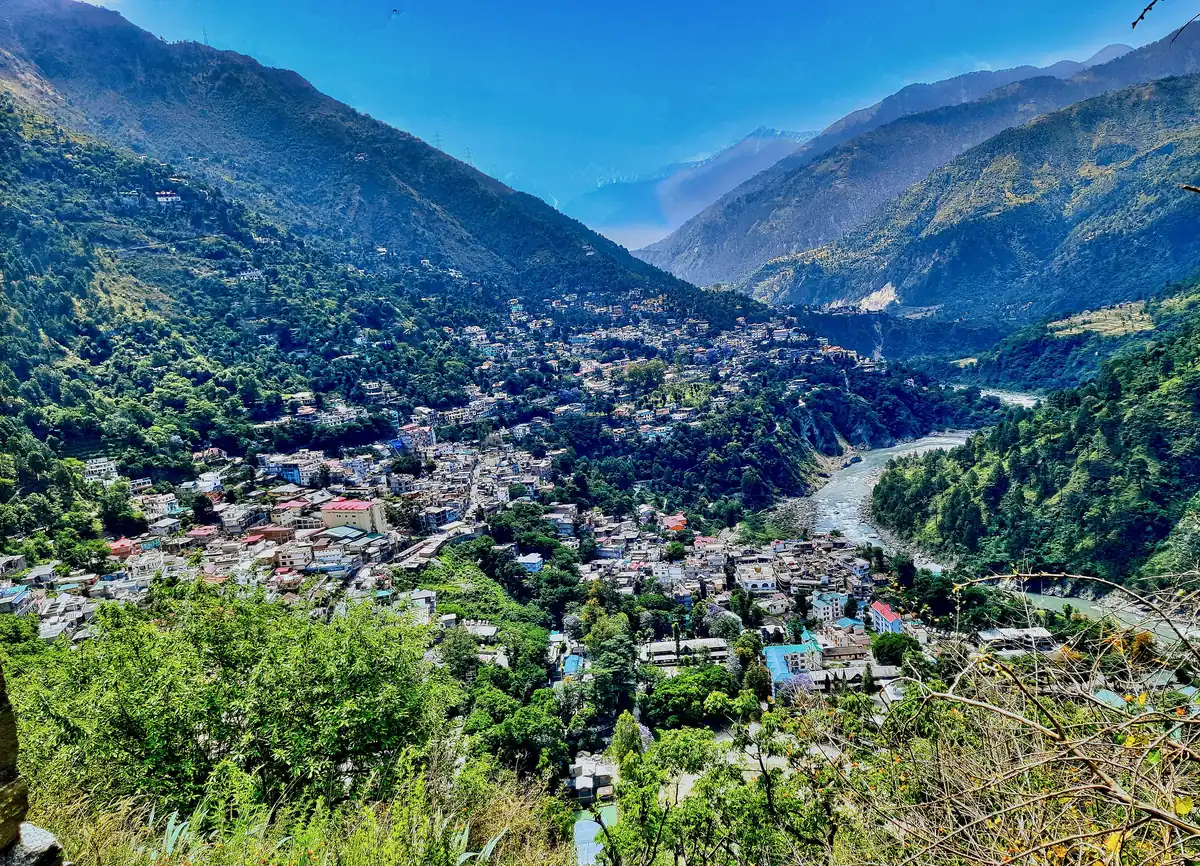
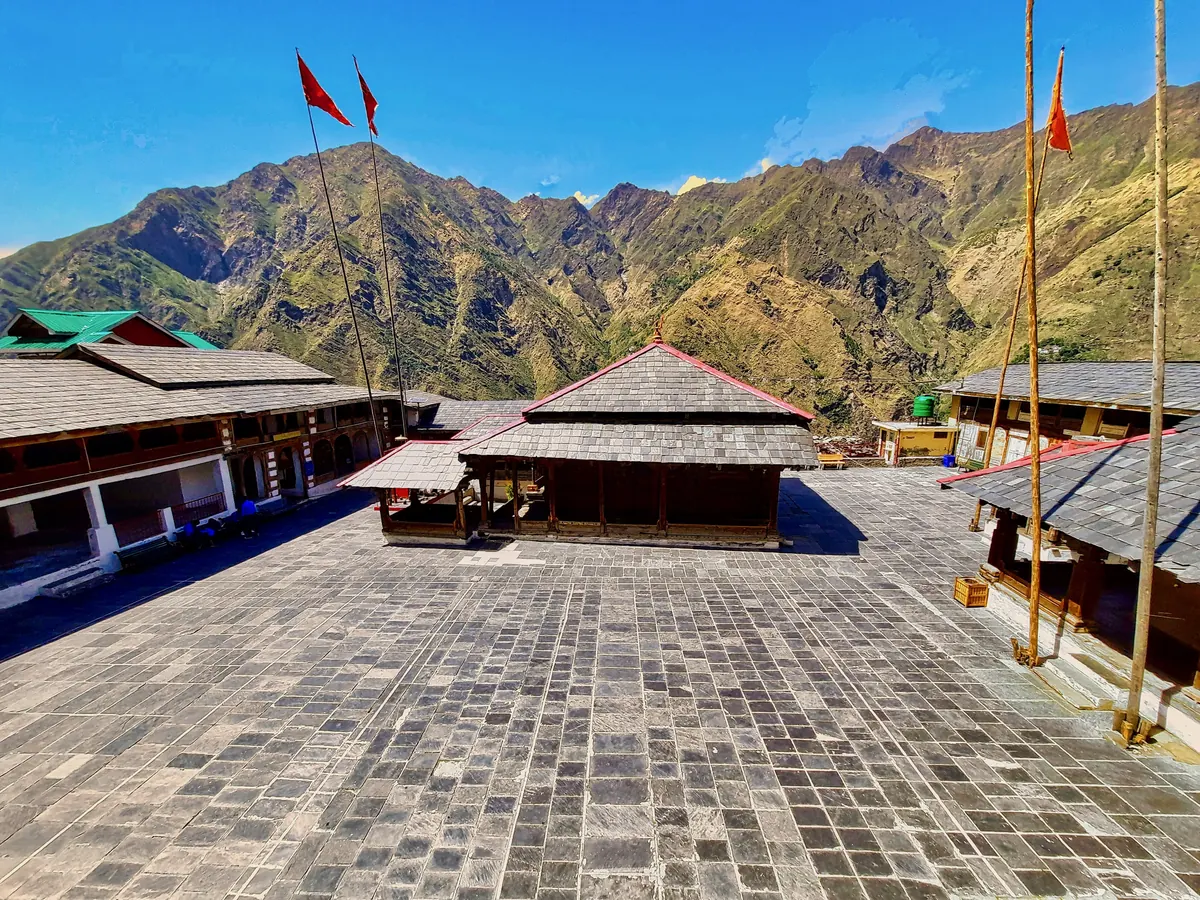
The group was built between the 10th and 19th centuries, so the temples span nine hundred years. The main temple is the oldest, dating from the 10th century in the time of Raja Sahil Varman, and it has a shikhara and wooden chatries over the stone.
Raja Chhatra Singh gilded them in 1678. The gilded pinnacles are one of the things to look up for from the courtyard, and they catch the light well on a clear morning, which is a good reason to arrive early in the day.
A metal Garuda, the bird that carries Vishnu, stands on a pillar at the gate of the main temple. It is easy to miss on the way in, so look for it at the entrance before you walk into the courtyard, where the temples begin.