
Malana's rules for visitors — what they are, why they matter, and how to keep them
Why a page about rules
Most places in the valley want visitors. Malana tolerates them, on terms it sets and enforces, and a visitor who arrives without knowing the terms has a bad day and gives the village one too. This page is the terms, in plain words, and the reasons behind them as far as the village makes them known. It is not a page about what Malana is famous for outside the valley; that is no part of any day we plan, and the police act on it.
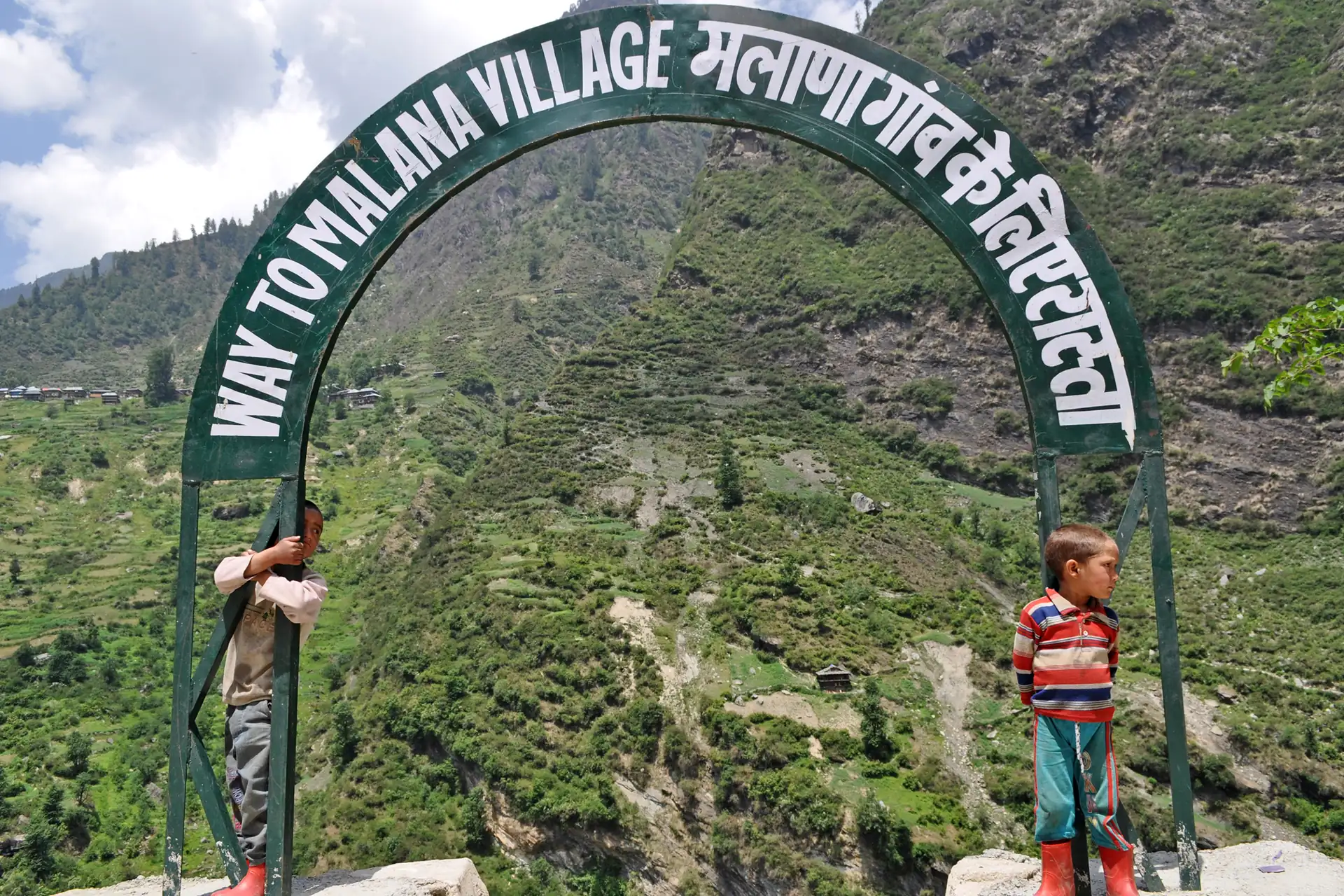
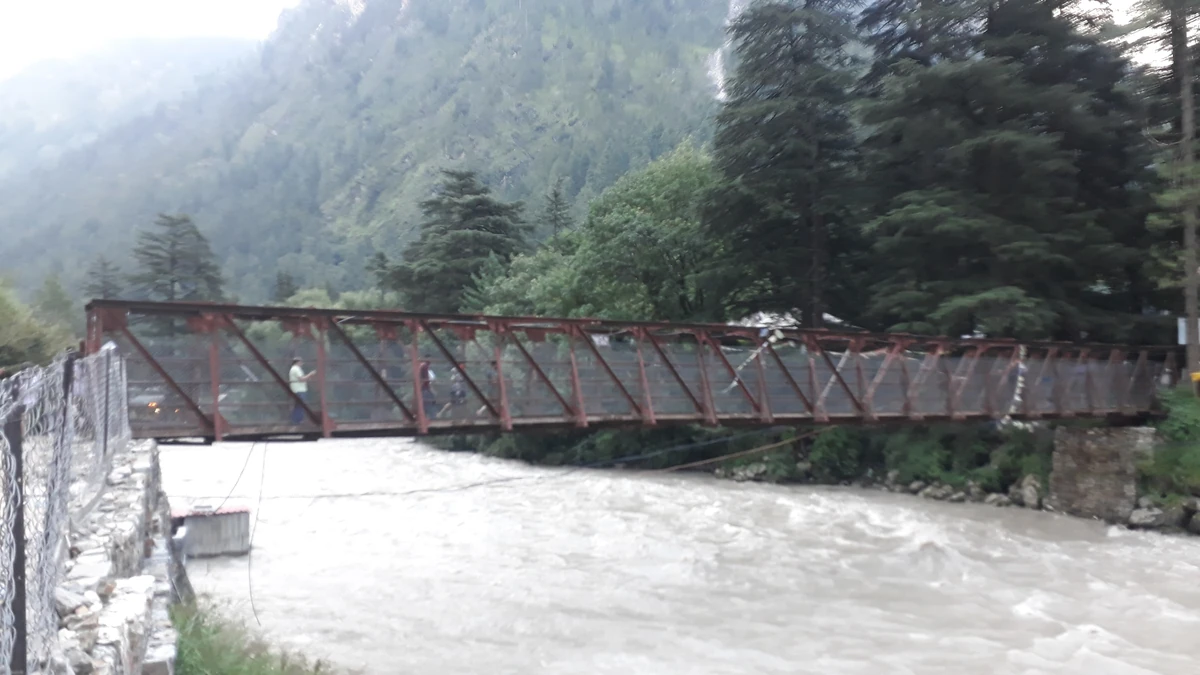
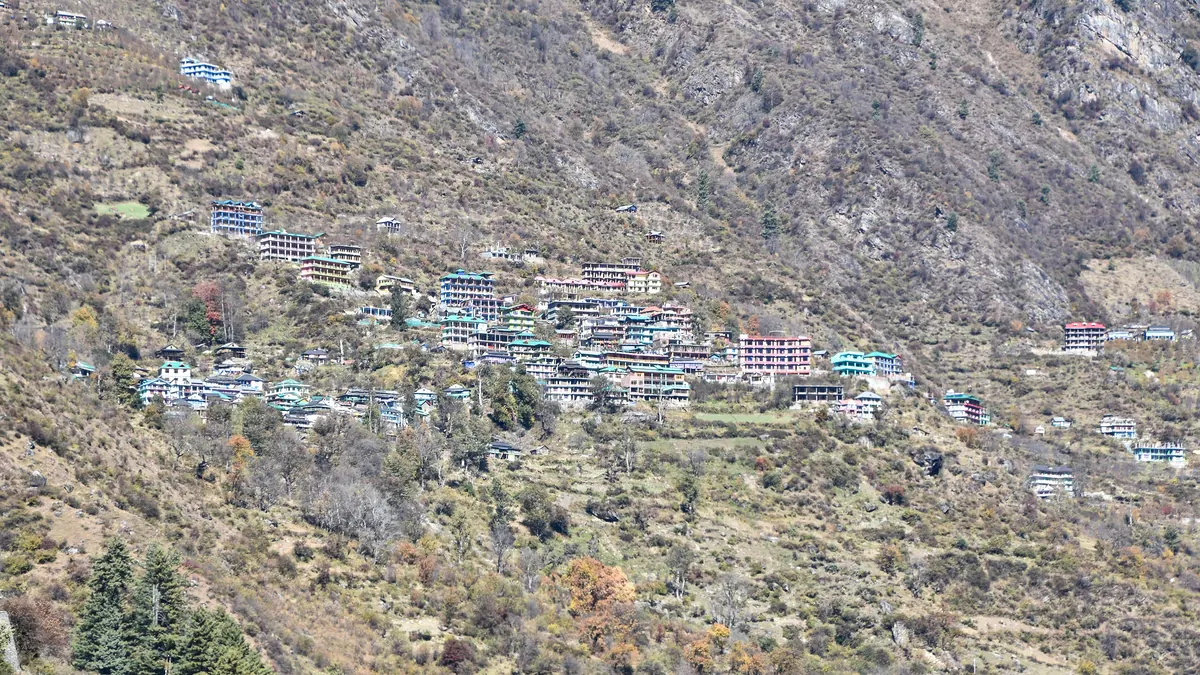
Photos: Accesscrawl (CC BY-SA 4.0) · Anees Mohammed KP (CC BY-SA 4.0) · Anees Mohammed KP (CC BY-SA 4.0) — via Wikimedia Commons, resized.
The rules
- Do not touch the temple, its walls or its carvings. The temple at the village centre is the heart of the custom. Look from the path; do not lean, sit or rest a hand on any part of it. A fine is charged for touching, and it is collected.
- Do not touch the villagers. No handshakes, no helping hands, no brushing past on a narrow lane — step aside and let them pass. A child who runs into you is not your fault, but pull your hands back.
- Do not enter any house. Not when invited to a doorway, not to shelter from rain. The stalls the village keeps for visitors are the only buildings open to you.
- Stay on the path and where you are shown. The village decides where a visitor stands. The paths through it are marked; the lanes between houses are not for you.
- Photograph the temple from a distance, and people only with clear consent. Put the camera away when asked, and never inside anything.
- Buy your tea, do not hand out gifts. The stalls at the edge of the village are the village's own way of dealing with visitors; use them and nothing else.
Why
The village keeps a rule of separation from outsiders that is older than any road, tied to its temple and its council, which has governed the village's affairs on its own terms for as long as anything is recorded. The rules a visitor meets — no touching, no entering — are the everyday form of that separation. Whether or not they make sense to you is beside the point; they are the village's, and the village is not asking for a visitor's opinion of them.
How a day there works
From Kasol, 19 minutes down the valley to Jari, then the Malana road's hairpins to a road-end above the dam — about 20 km and 43 minutes in all by taxi. The fare is typically ₹1,200–2,000 one way as of September 2026, and the same car waits. From the road-end the path climbs for about an hour to the arch at the village edge. An hour in the village on the terms above, tea at the stalls, and down. The Malana day plan has the timings and puts the evening back at the river.
When not to go
Not in the monsoon, when the path is mud, and not in snow. Not on the village's own festival days, when the path is closed to visitors without notice — the taxi drivers at Kasol know the dates and will say so. And not at all, if the terms above sound like something to argue with: the Tosh day is a village walk without any of them.
Plans that include this
All Kasol itineraries →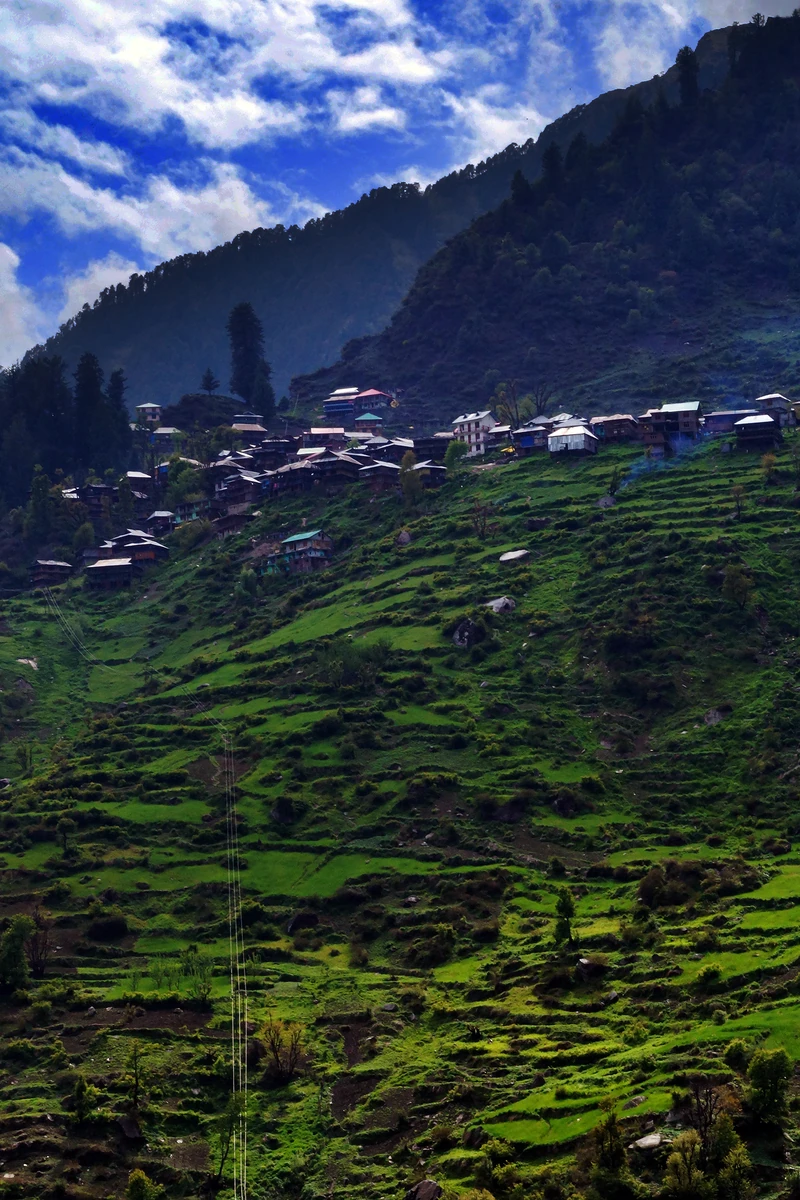 Day plan · First visitTemples & heritage
 1 night · 2 days · First visitClassic
 2 nights · 3 days · First visitClassic
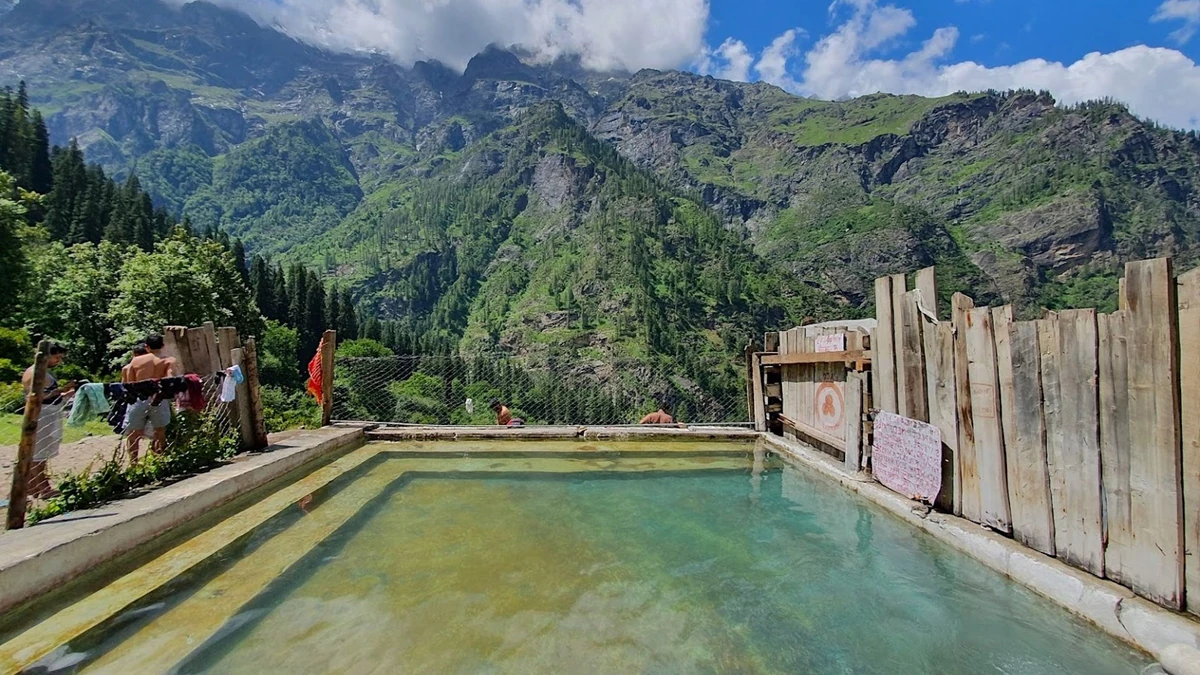 2 nights · 3 days · TrekkersWalks & treks
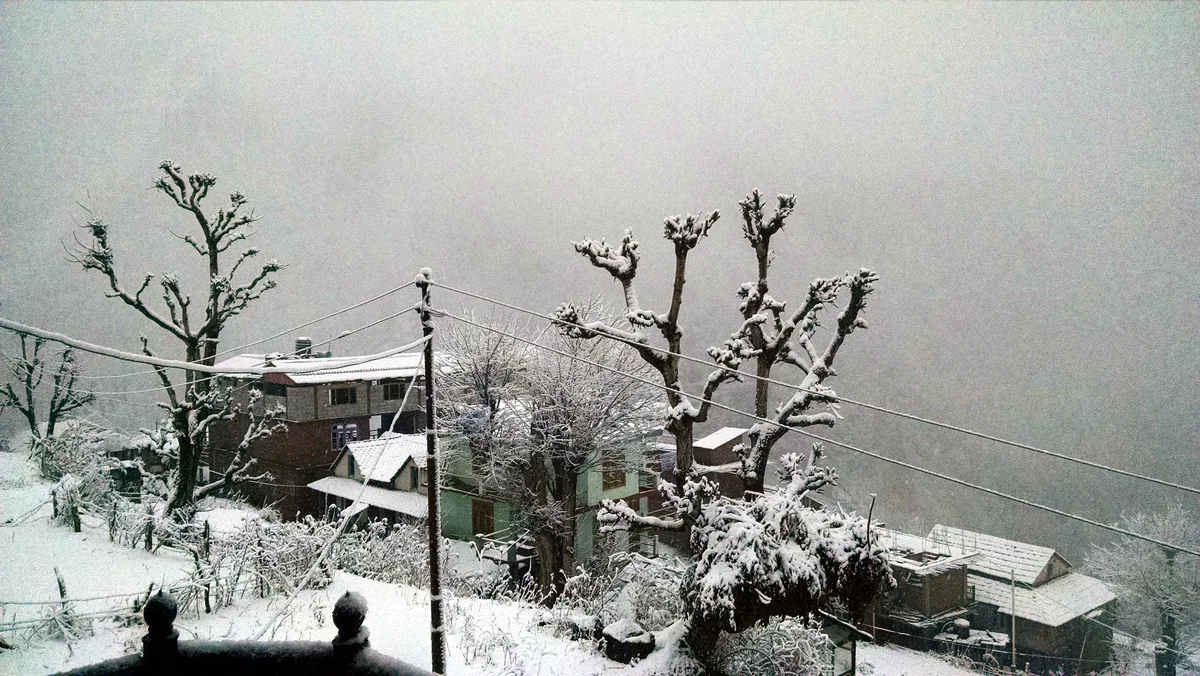 2 nights · 3 days · CouplesSnow
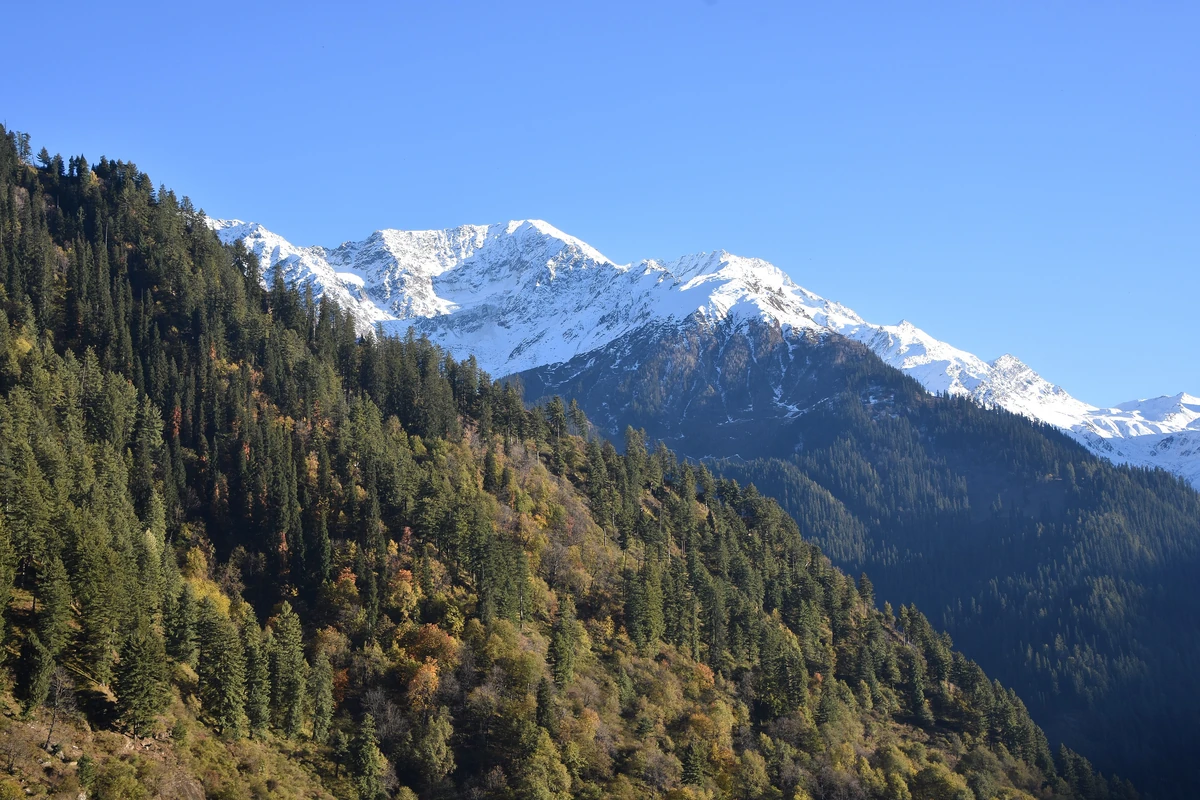 2 nights · 3 days · PhotographersAutumn
Questions people ask
Why can't you touch anything in Malana?
Because the village keeps a rule of ritual separation from outsiders that predates any tourist: the temple, its walls and the villagers themselves are not to be touched by visitors, and a fine is charged for doing so. It is the village's custom, kept by its own council, and a visitor's only job is to respect it.
What happens if you break the rules in Malana?
A fine, collected on the spot by the villagers — the sum is posted at the arch and rises — and, in serious cases, being asked to leave. The rules are not a performance for tourists; they are enforced, and the village closes its path to visitors without notice for its own festivals.
Can I photograph Malana?
The village and the valley from the path, yes; the temple from a distance, yes; people only with their clear consent, and never inside a house or a shrine. Put the camera away when asked. The best pictures are of the village on its shelf from the climb up, before the arch.
Is Malana worth visiting at all?
For the road up the gorge, the climb and the village's position, yes — if you can accept its terms without argument. It is a place that has kept visitors at a distance for centuries, not a sight to consume. Anyone unsure should take the Tosh day instead and lose nothing.