
The Kheerganga trek, honestly — the path, the night, the pool, and when not to go
What it is
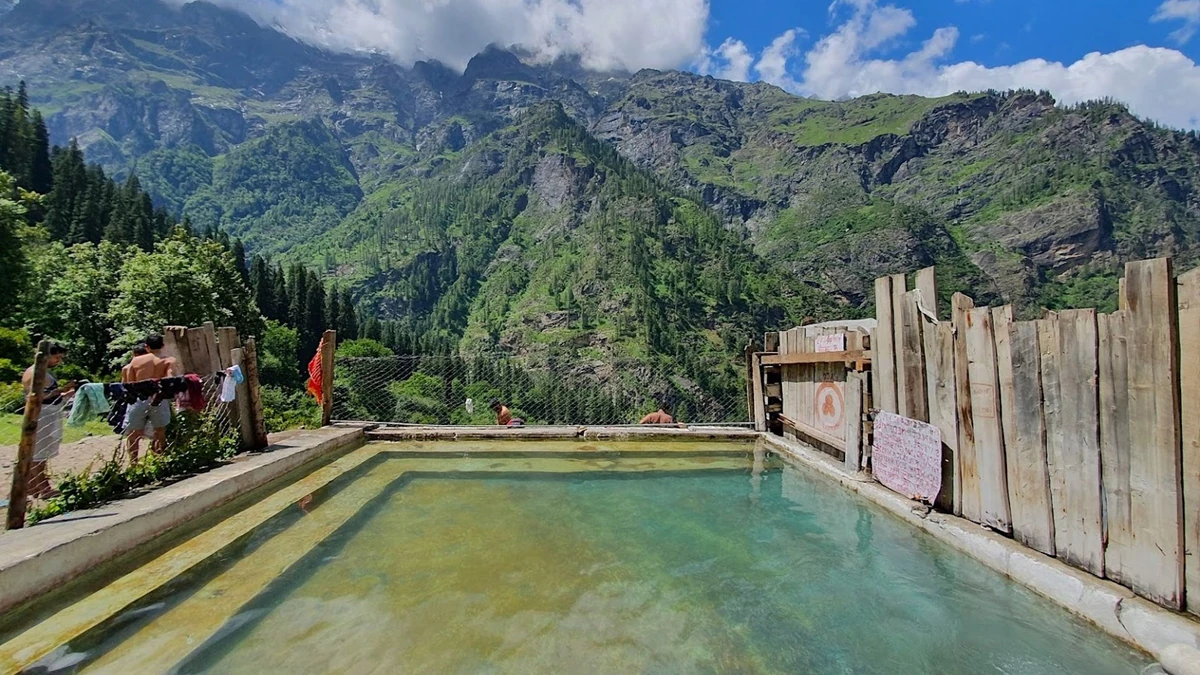
A walk, not a mountaineering trek: from the road-end at Barshaini up the true left bank of the Parvati to a high meadow with a hot spring that fills a stone pool. Four hours up at a normal pace, three down, on a path that is walked by thousands every season and needs no rope, no permit and, in clear weather, no guide. What it needs is the night at the top, which is the whole point and the thing most people get wrong.
Photos: Photos Worldwide (CC0) · Photos Worldwide (CC0) · Diva gupta (CC BY-SA 4.0) · Timothy A. Gonsalves (CC BY-SA 4.0) — via Wikimedia Commons, resized.
The path, in order
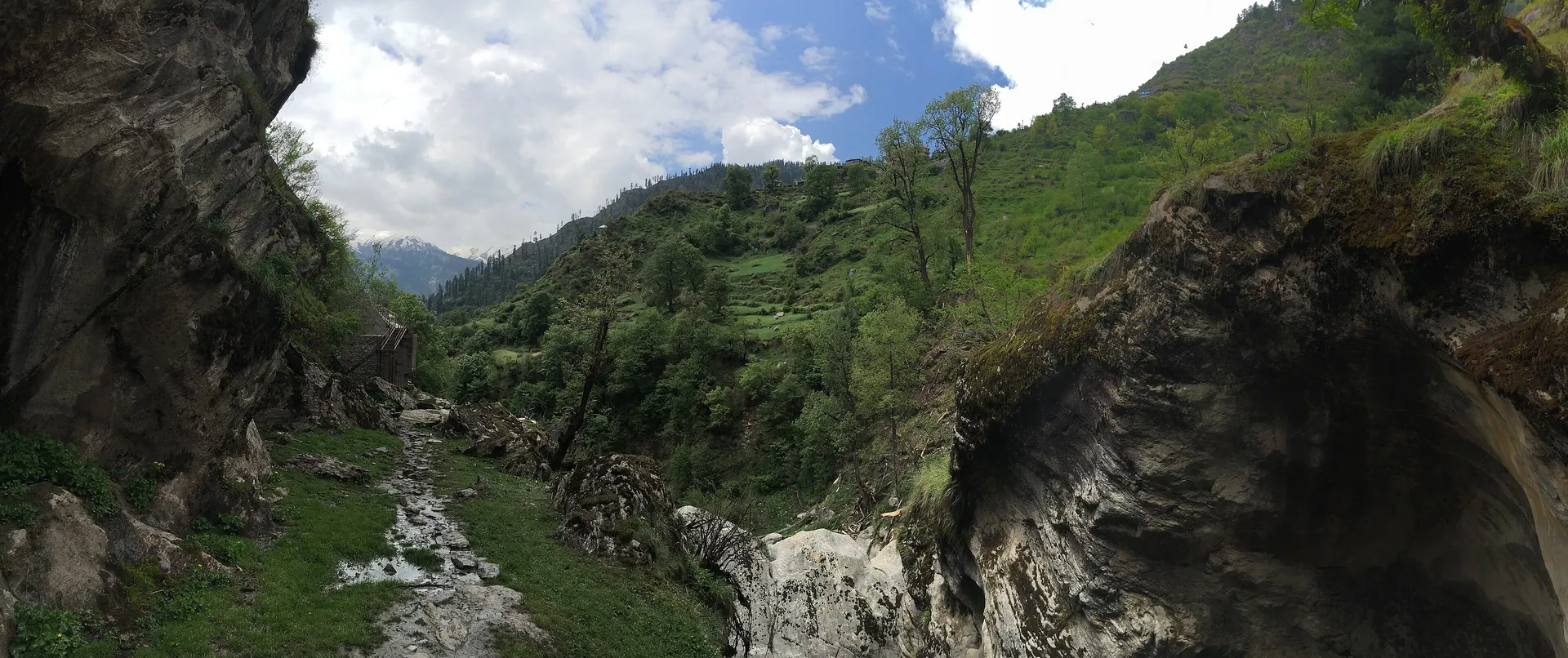
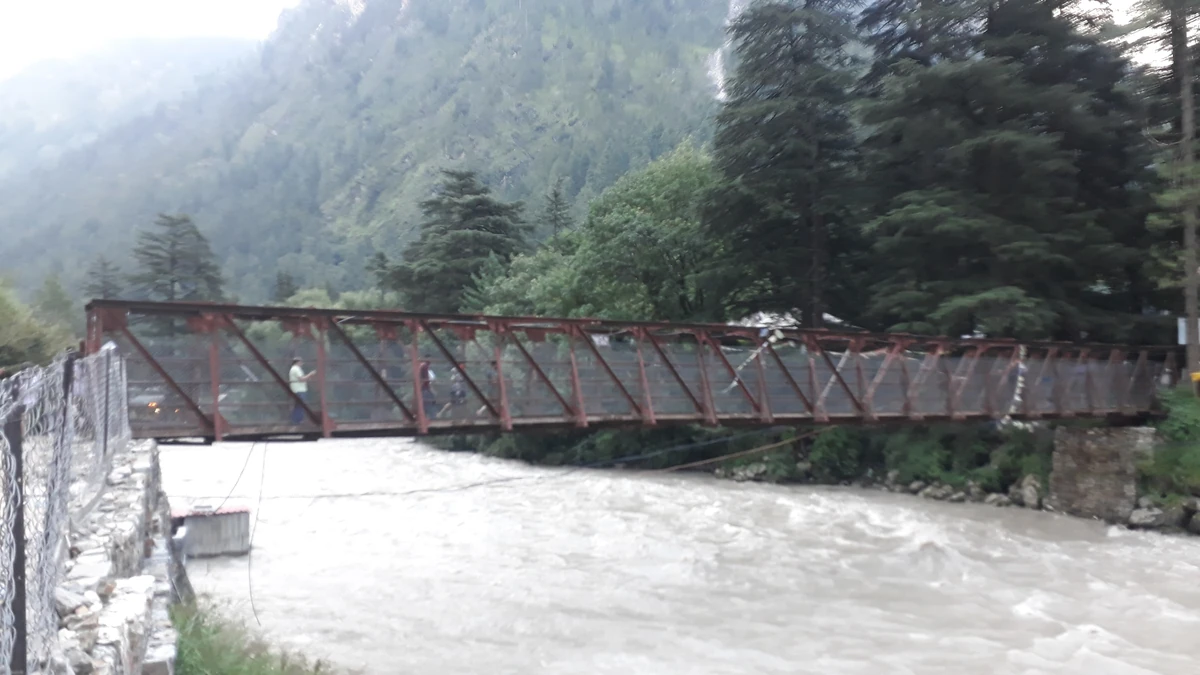
From Kasol, 37 minutes by road to Barshaini — the valley bus ends there and a taxi is typically ₹800–1,500 one way as of September 2026. Across the bridge and up the left bank. Nakthan, the last village, comes in about an hour: tea, dhabas, a water point, and the end of the fields. Rudranag, the waterfall with a small shrine and a dhaba on its footbridge, is the halfway mark and the lunch stop. Above it the path climbs steadily through forest for two to three hours — the hot part, and the part to do before noon — to the meadow and the pool at Kheerganga.
The measured walk from Barshaini on the map's paths is about 9 km each way; our routing gives 229 min up and 106 min down for a steady walker with a daypack. Add the stops.
The night
Camps and huts on the meadow take you on arrival, typically ₹500–1,500 a head with dinner, cash only. It is cold after dark in every month — a warm layer and a hat, even in June — and there is no signal. The pool is treated as a sacred spring: bathe respectfully, and there is a separate enclosure for women. It is crowded at midday and empty at dusk and at dawn, which is why the three-day plan sleeps there rather than walking up and down in a day.
The day-walk version
Possible, from Barshaini at first light: four hours up, an hour at the pool, three down, back at the road by dusk. It is a seven-hour walking day with the pool at its busiest in the middle of it, and the taxi at Barshaini must be told when to expect you. The slow week alone does it this way on its fourth day, with the next day off.
When it works, and when it does not
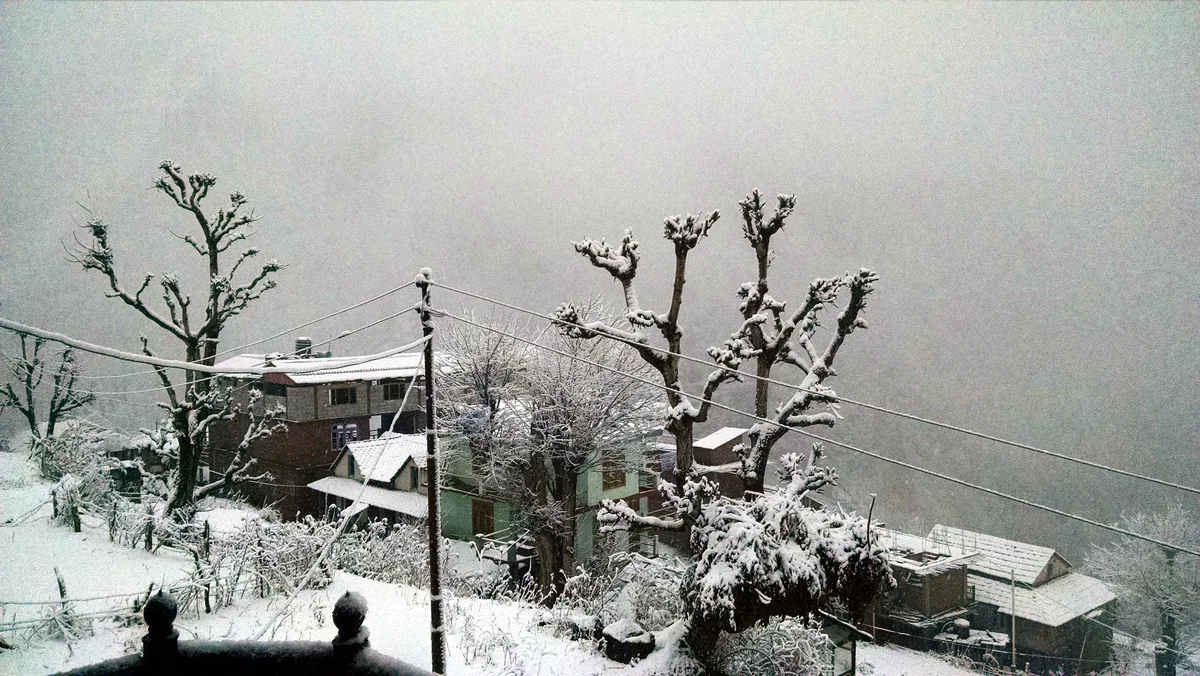
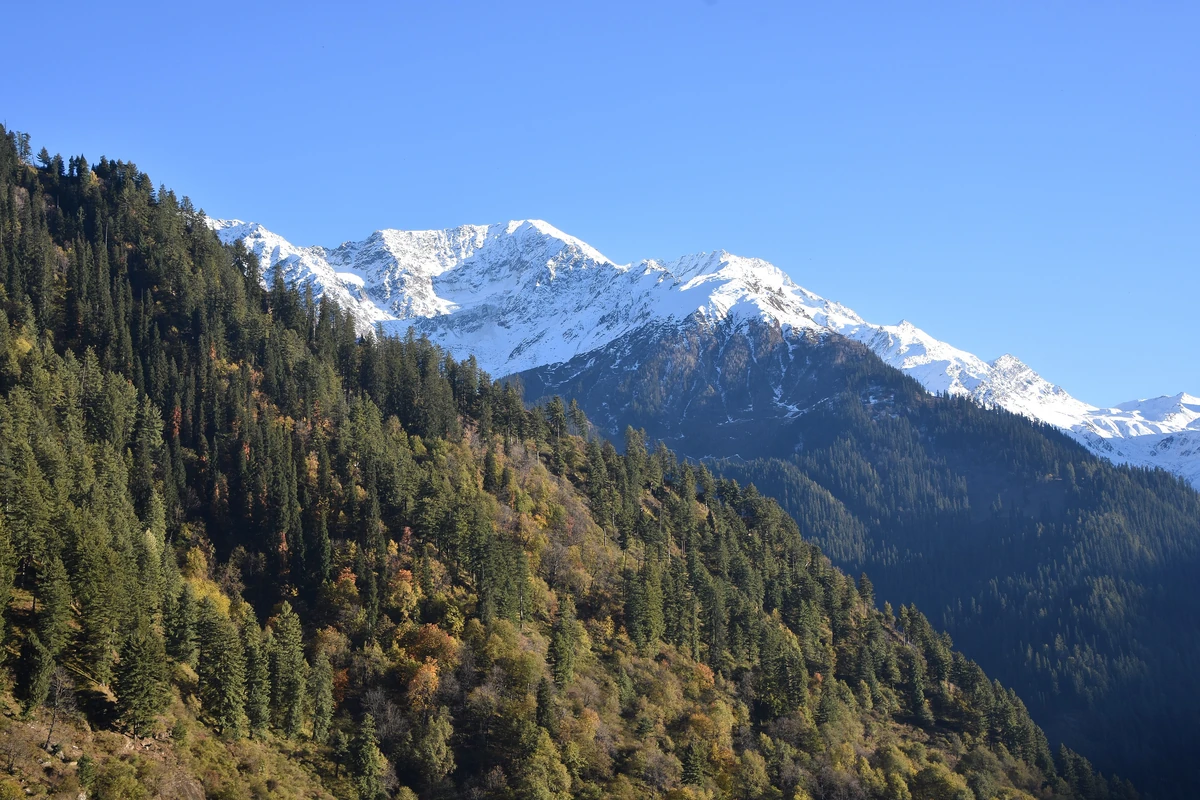
April to June and September to November, with October the best of them. Early April can still have snow near the top; late November brings the first falls and the camps begin to close. July and August are the monsoon — the steep parts are mud, the stream crossings run high, slides close the road to Barshaini for hours, and the camps are mostly shut; the valley's monsoon plan goes nowhere near it. December to February turn the upper path into a snow walk for people with winter experience and the gear; the winter plan stops at Tosh instead.
The way down, and the villages
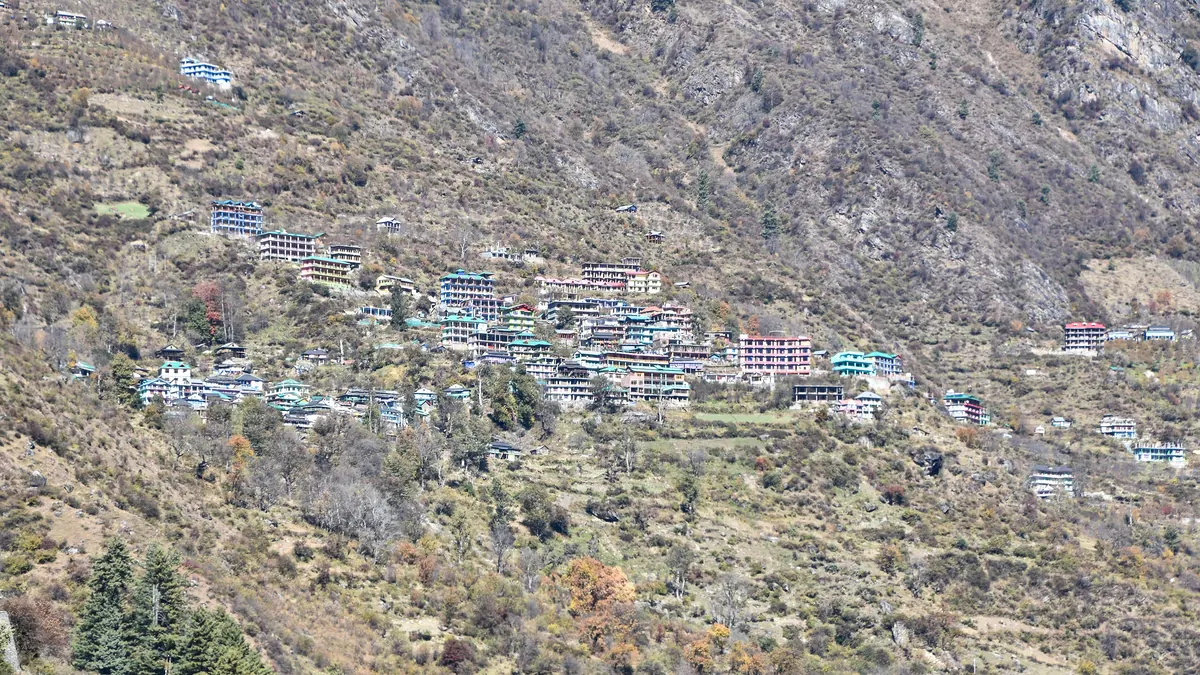
Three hours, the same path. Kalga and Pulga, the wooden hamlets in the orchards just above the road-end, make the lunch stop on the descent and a better night than Kasol for anyone who wants to be on the path at first light the next day. Tosh is across the valley from the same bridge, an hour's climb, and the other village night.
What it costs
The bands checked in September 2026, quoted on the day: the taxi ₹800–1,500 each way, the camp ₹500–1,500 a head with dinner, a guide ₹1,000–2,000 a day if you take one, dhaba meals a few hundred rupees. No permit or entry fee. The price sheet has the rest of the valley.
Plans that include this
All Kasol itineraries →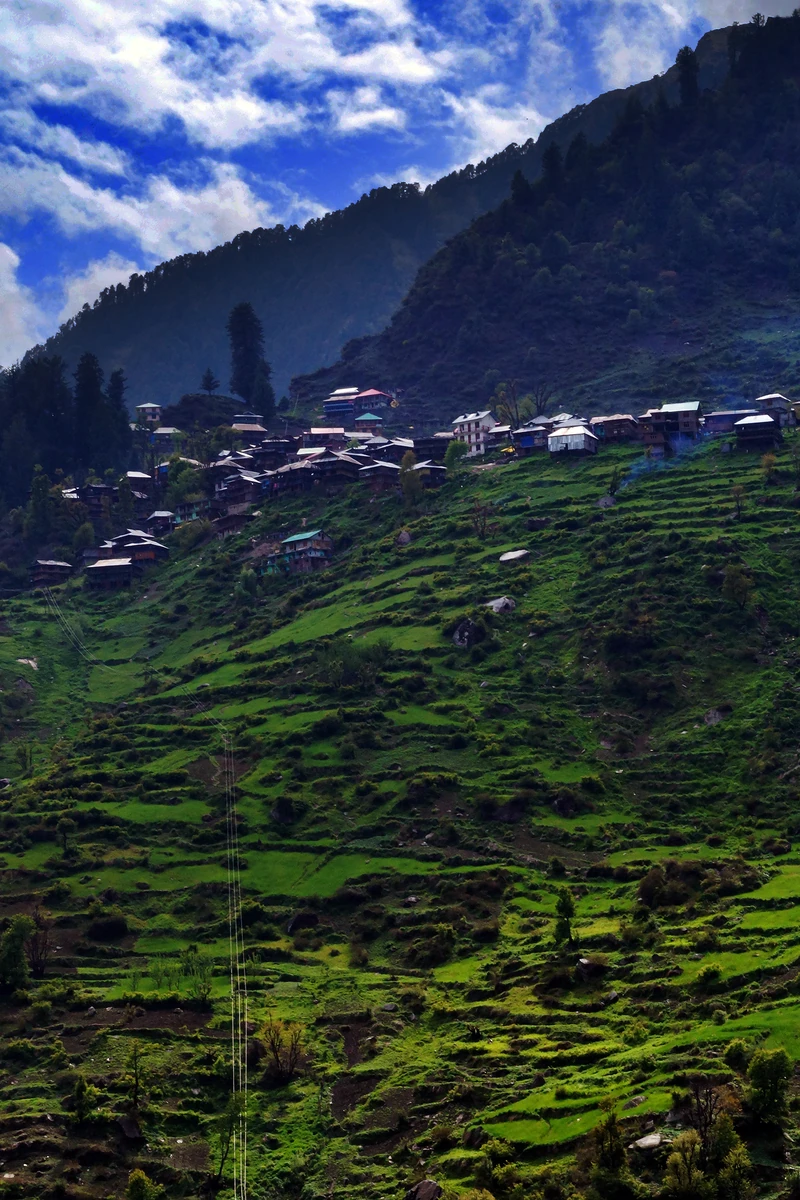 Day plan · First visitTemples & heritage
 1 night · 2 days · First visitClassic
 2 nights · 3 days · First visitClassic
 2 nights · 3 days · TrekkersWalks & treks
 2 nights · 3 days · CouplesSnow
 2 nights · 3 days · PhotographersAutumn
Questions people ask
How difficult is the Kheerganga trek?
Moderate: a long, steady walk rather than a hard one, four hours up from Barshaini with the steep part in the forest above Rudranag, and three hours down the same path. Anyone who walks a few hours at a time manages it; children over ten do. It is hard in heat, mud and snow — a matter of month, not fitness.
Do I need a guide or a permit for Kheerganga?
No permit, no fee, no ticket at any point. No guide either in clear weather — the path is well used and obvious — though one at ₹1,000–2,000 a day as of September 2026 is cheap for a first time and worth it in cloud, early snow or the monsoon.
Where do I stay at Kheerganga?
In the camps and huts on the meadow, which take you on arrival: typically ₹500–1,500 a head with dinner as of September 2026, cash only, cold after dark in every month. They fill by four on peak weekends. Nakthan below has a couple of rooms for anyone who starts late.
What should I carry for Kheerganga?
Two litres of water from Nakthan up, a warm layer and a hat for the night whatever the month, a torch for the pool after dark, shoes with grip, cash for the camp and the dhabas, and rain gear in July and August. Nothing else that Kasol's market cannot sell you the evening before.