
Kullu Dussehra — what it is, what happens on each of the seven days, and how to be there
A festival that begins where the others end
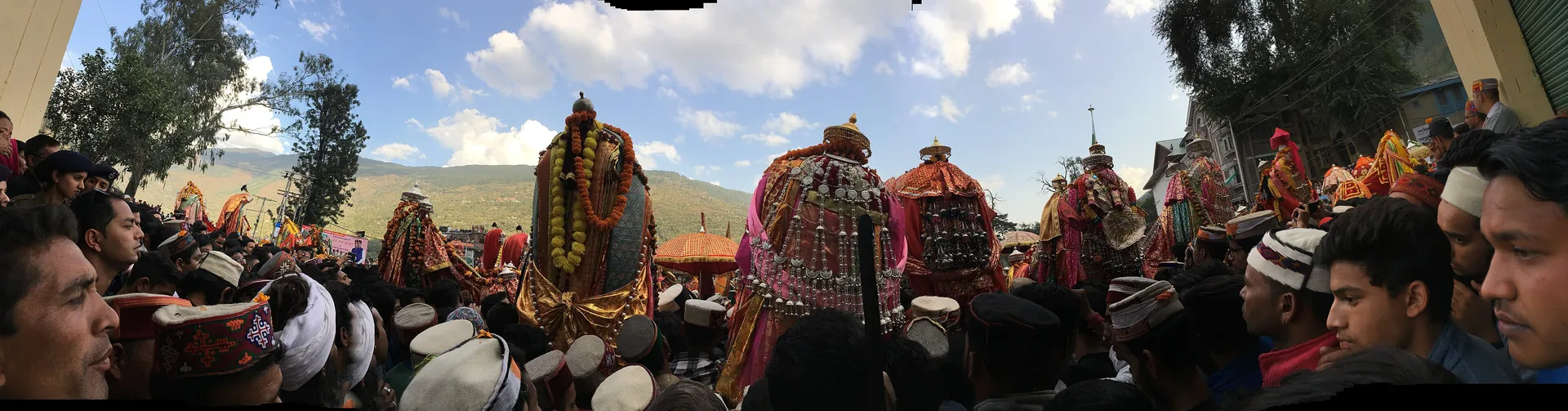
In most of India the autumn festival ends on Vijayadashami. In Kullu that is the day it starts, and it runs for seven more. The reason is not a variation on the epic; it is a different event altogether. This week is the valley's village deities coming down from their own temples to attend Raghunath, the god who was installed in the 17th century and declared the ruler of the valley — and the whole district still keeps that appointment.
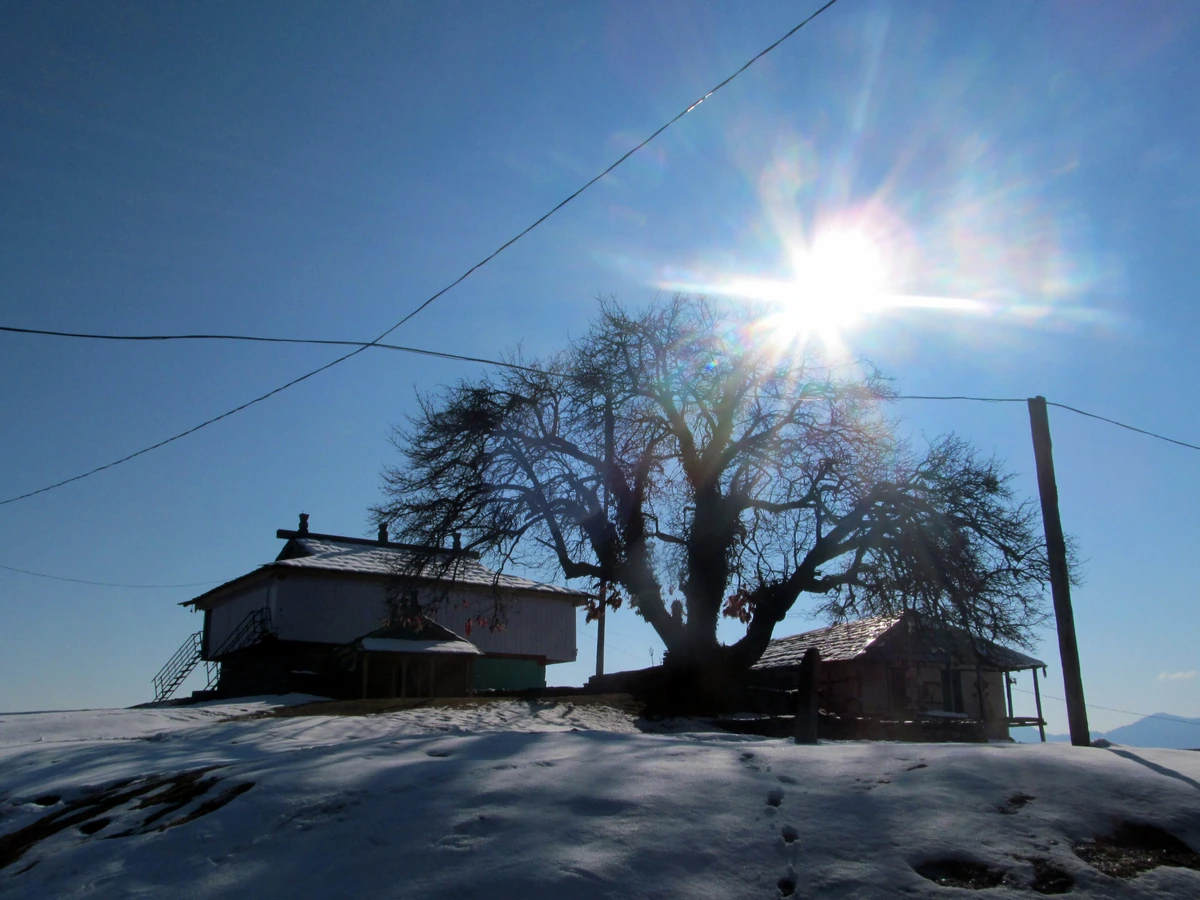
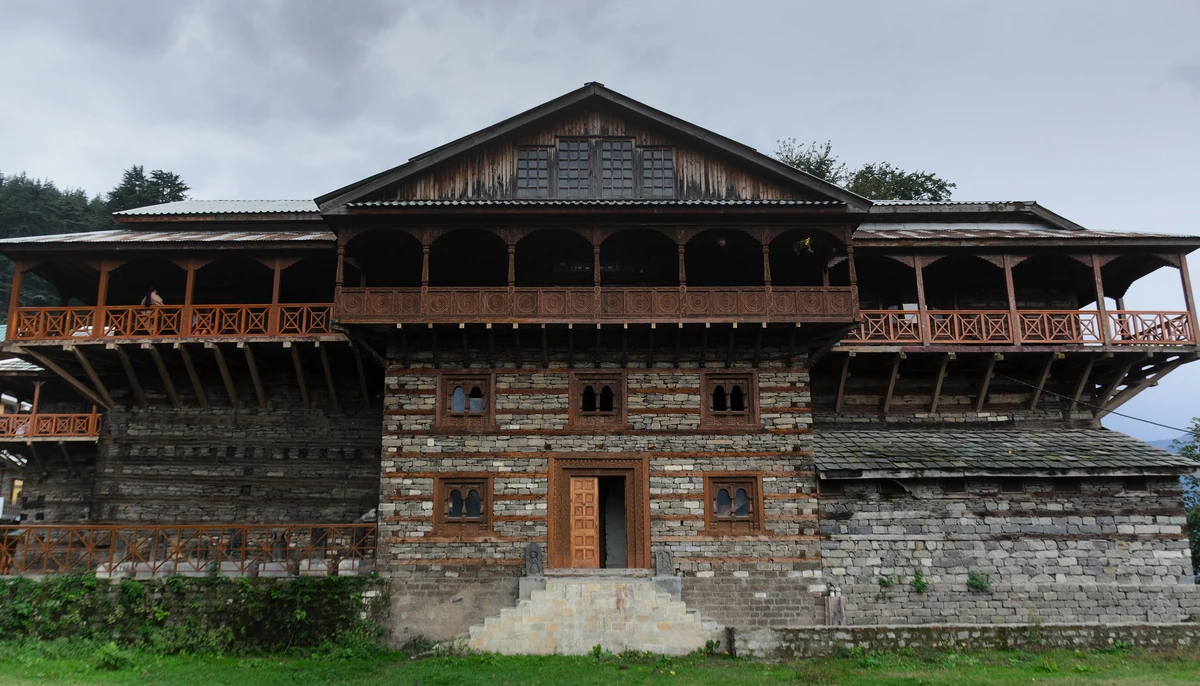
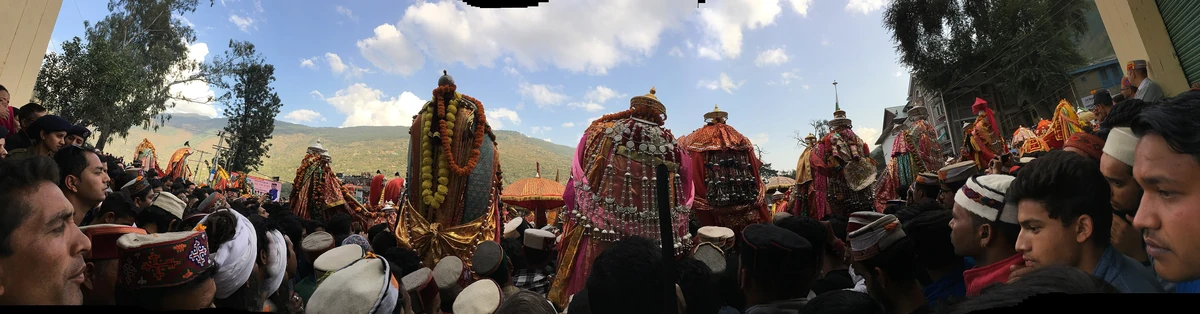
Photos: Kondephy (CC BY-SA 3.0) · Kondephy (CC BY-SA 3.0) · Gannu03 (CC BY-SA 4.0) — via Wikimedia Commons, resized.
The ground it happens on is Dhalpur, at the south end of the town: grass and a cricket match for fifty-one weeks, and for one week the largest gathering in the state.
What actually happens
On the first day the image is brought down from the temple in the old quarter to the maidan, on a chariot pulled by ropes and by whoever has hold of them. The village deities are already arriving — each on a palanquin, each with its own drums, long horns and party from its own village — and they take their places around the ground. Through the week the deities stay, visits are paid between them, and the fair grows around the assembly: stalls, a wheel, a trade fair, performances in the evening. On the last day the chariot is taken to the river bank and the week closes.
Two things surprise most visitors. The first is how much of it is an assembly rather than a show — the deities are there for each other and for Raghunath, and the audience is incidental. The second is the noise: dozens of sets of drums and horns, each keeping its own village's time.
The town that week
Full. Every room within an hour of the town goes months ahead and the rates run above the usual ₹900–2,500 a night. The highway through the bazaar becomes a standstill, parking disappears, and the useful way to move is on foot. Buses still run, and the bus stand is the easiest way in and out — leave the car wherever you are sleeping.
How to see it well
- Arrive a day early. Walk the empty ground, see the Raghunath temple quiet, and understand what is about to leave it.
- Be at the maidan early on the first day for the chariot; the crowd forms long before anything moves.
- Spend the middle days among the deities rather than at the stalls — that is where the festival is.
- Keep one morning out of the town. The ridge at Bijli Mahadev is 15 km to the road-end at Chansari and an hour's climb, and it is the quietest place in the district that week.
Manners
Stand at the edge of a procession, not in it. Do not touch a palanquin, cross in front of one, or put a camera in a bearer's face. Ask before photographing people, and accept no for an answer. Shoes come off in any temple courtyard. The deities are the guests of honour and everyone else, including the state, is an attendant — visitors included.
If you cannot make the fair
The rest of the year the ground is empty and the temple is quiet, which is its own kind of visit: the one-day plan walks the town, its temple and the maidan in an afternoon, and the two-day plan adds the ridge. From up the valley, the Kullu day trip from Manali does the temple and the town in a day.
Plans that include this
All Kullu itineraries →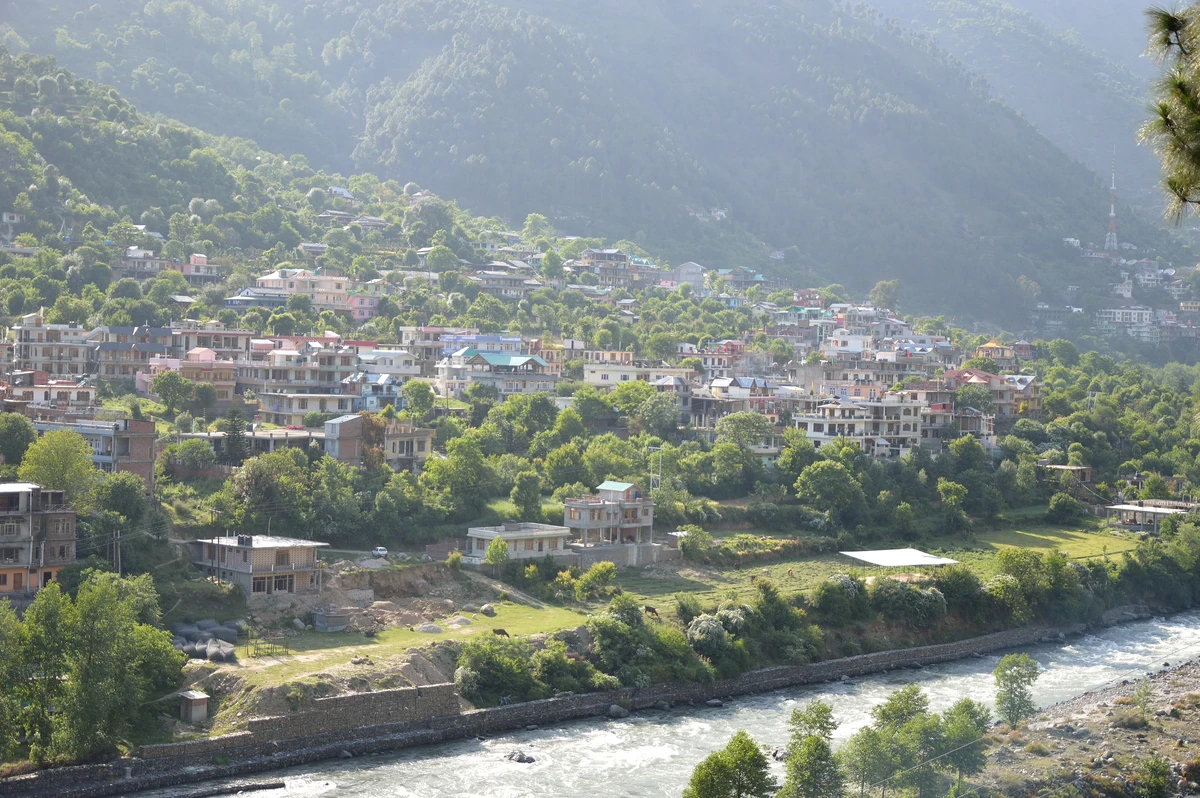
Questions people ask
When is Kullu Dussehra held?
It begins on Vijayadashami — the day Dussehra ends everywhere else — and runs seven days at the Dhalpur ground in Kullu town. The date follows the lunar calendar and falls in October in most years. The administration announces it, so check before booking anything around it.
Why does Kullu's Dussehra start when the rest of India's finishes?
Because it is not the same festival. Elsewhere the ten days end with Ravana's defeat; here the week is an assembly of the valley's village deities before Raghunath, the god who was made ruler of the valley in the 17th century. The calendar follows from that, not from the epic.
Where should you stay during the fair week?
Wherever you can get a room, booked months ahead: the bazaar, Dhalpur, or further out at Raison, 15 km and 20 minutes up the valley, or Bhuntar, 11 km down it. Everything within an hour fills. Rooms in the town run higher than the usual ₹900–2,500 that week.
Can visitors watch the processions, and what are the manners?
Yes — it is a public festival and the ground is open to everyone. Stand at the edge of a procession rather than in it, do not touch a palanquin or block its path, ask before photographing anyone, and keep out of the way of the bearers. Shoes come off inside any temple courtyard.