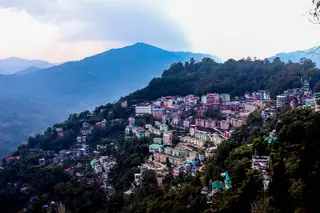
How to reach Gangtok — Bagdogra, New Jalpaiguri and the road up
How to reach Gangtok, Sikkim: Bagdogra and Pakyong airports, New Jalpaiguri station, road times from Siliguri and Darjeeling, and the monsoon landslide risk.
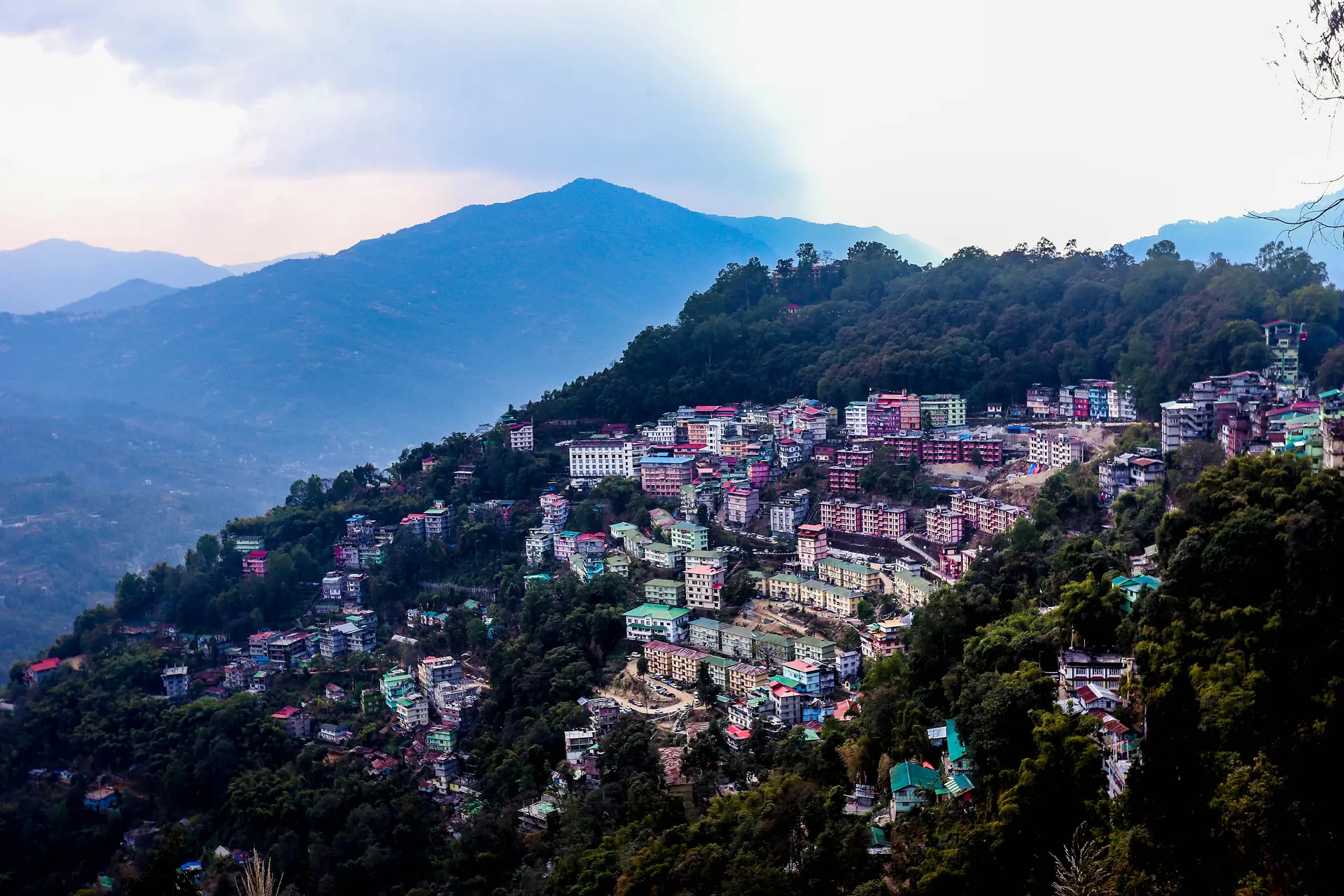
Gangtok has a mild climate all year because of its height, about 1,650 m, and a monsoon that makes the difference between a good visit and a stuck one. The figures below are the India Meteorological Department normals for 1991–2020, as Wikipedia prints them.
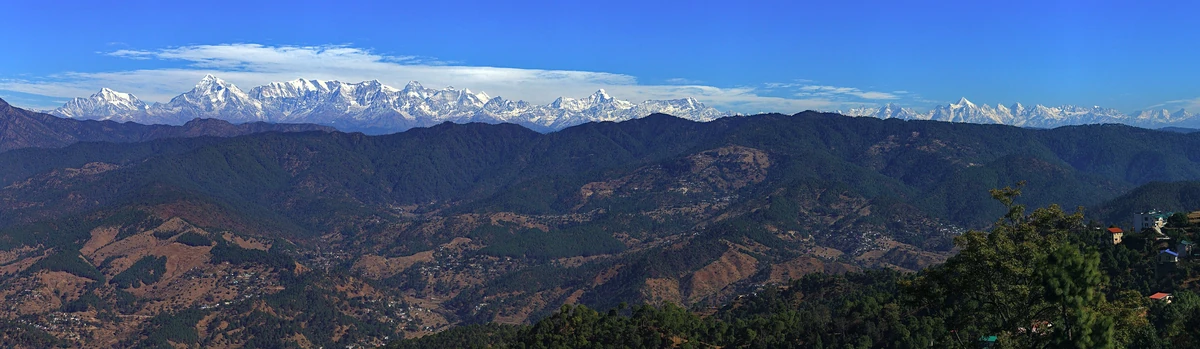
October to early December, and March to May, are the sensible months for the monasteries and the ridge views: the weather is mild, and the rain is lighter than in the summer months. The Tsomgo Lake and Nathu La day is best planned for those same windows, because Wikipedia says Tsomgo Lake freezes in winter, sometimes into May, and snow can close the high road. The lowest temperature on record is 2.2 degrees below freezing, and the highest 29.9 °C.
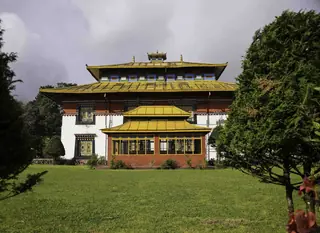
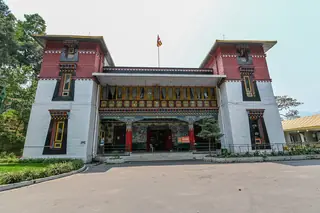
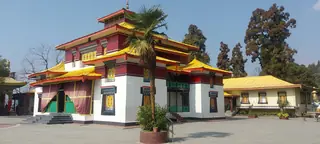
Read things to do in Gangtok and how to reach Gangtok, and copy the one-day plan or the two days with Rumtek. The Enchey Monastery is the first stop on the clearest morning.
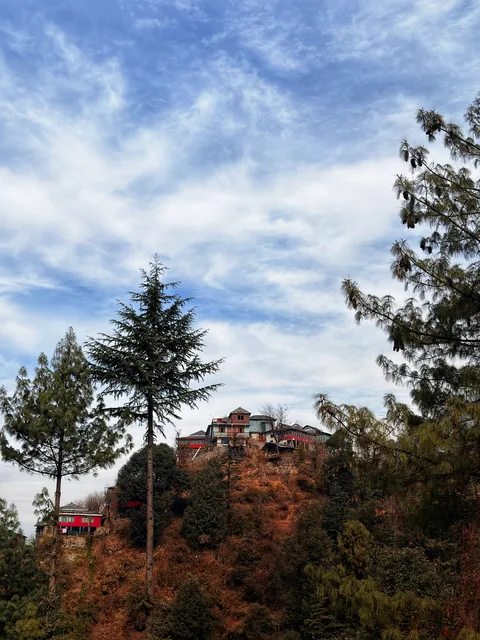
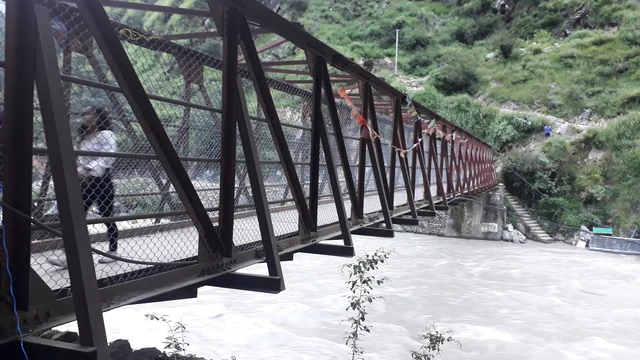
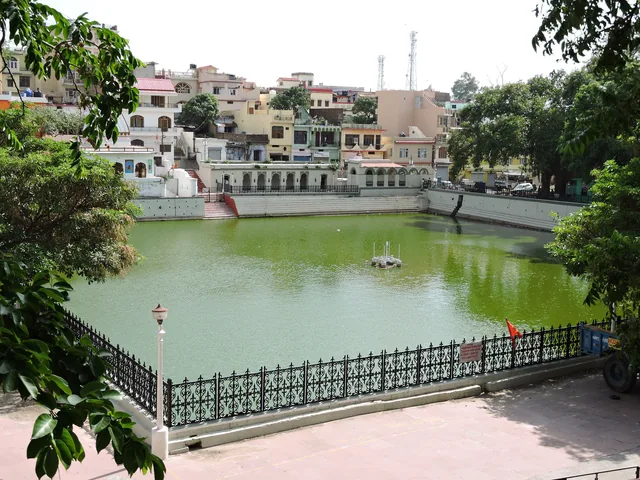
Spring and autumn. Wikipedia describes both as generally sunny and mild. Autumn is drier: the monthly rain falls from 174.3 mm in October to 36.9 mm in November and 16.0 mm in December. The monsoon, June to September, is intense and often causes landslides that block the roads, and winter brings fog.
Not very. The India Meteorological Department normals give an average high of 12.4 °C and a low of 5.5 °C in January, with December at 14.1 °C and 7.2 °C. Snow in the town is rare; Wikipedia lists snowfall only in 1990, 2004, 2005 and 2020. Tsomgo Lake, much higher, freezes through the winter.
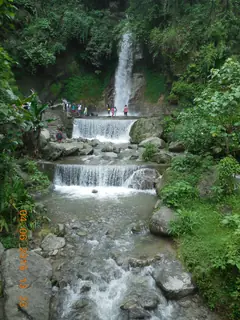
In the monsoon. The normals give 647.0 mm in June and 655.2 mm in July, with 547.5 mm in August and 427.7 mm in September, against an annual total of 3,574 mm. Wikipedia notes that landslides from the rain often cut the town off from the plains by road.