
Namgyal Institute of Tibetology, Gangtok — the Tibet museum and library
What it is
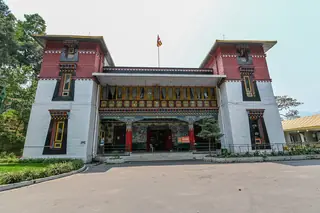
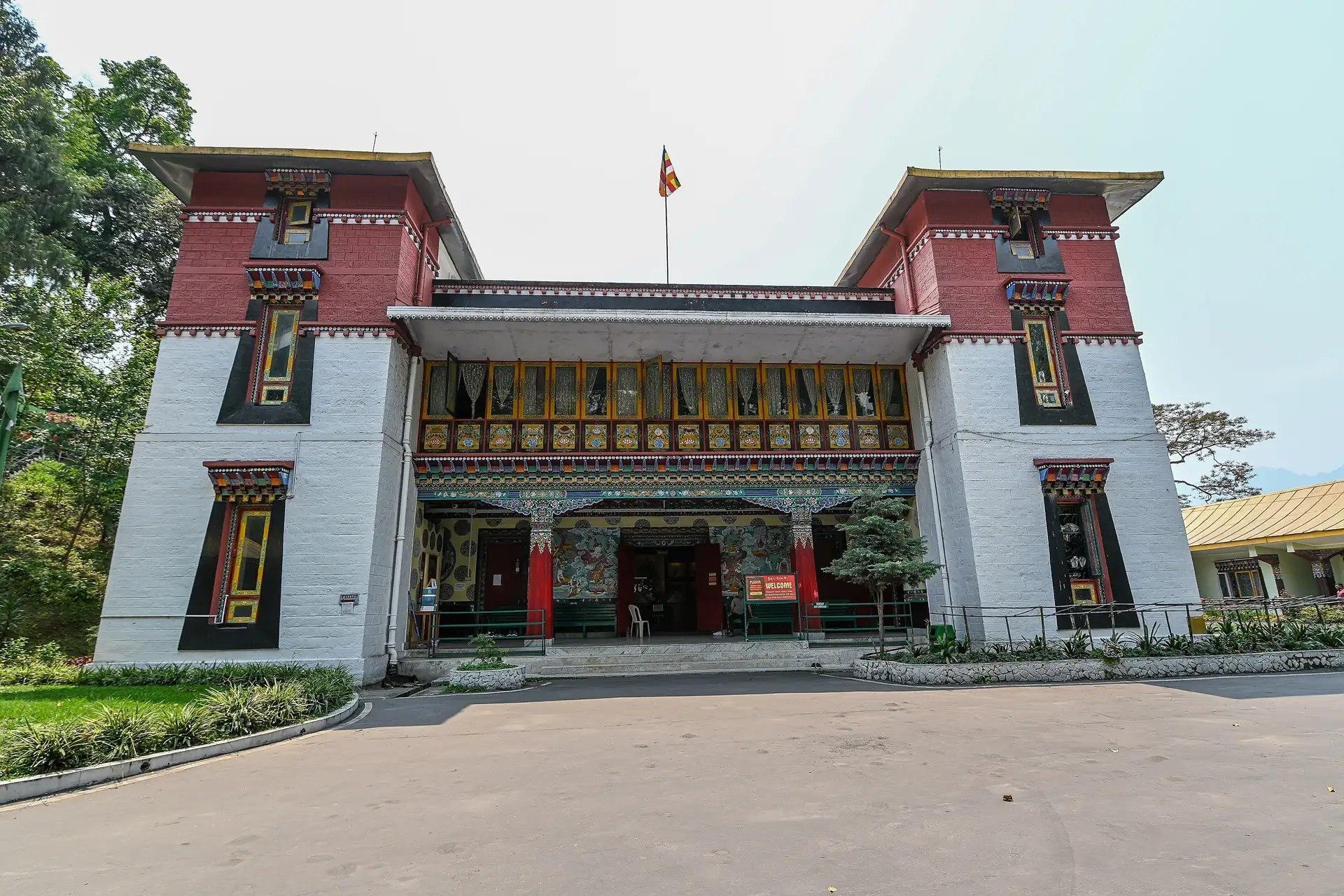
The Namgyal Institute of Tibetology, usually called NIT or the Tibetology Museum, is a museum and research institute in Gangtok. Wikipedia says it is named after Sir Tashi Namgyal, the 11th Chogyal of Sikkim.
Photos: Anjan Kumar Kundu (CC BY 4.0) — via Wikimedia Commons, resized.
History
The 14th Dalai Lama laid the foundation stone on 10 February 1957. India's first prime minister, Jawaharlal Nehru, opened it on 1 October 1958 as the Sikkim Research Institute of Tibetology, and Sir Tashi Namgyal later changed the name to the Namgyal Research Institute of Tibetology.
What it keeps
Wikipedia describes a large store of masks, Buddhist texts, statues and tapestries, with over two hundred Buddhist icons, and calls it a centre for the study of Buddhist philosophy. Its researchers are documenting the social history of Sikkim's monasteries and digitising old and rare photographs of Sikkim, and it publishes the Bulletin of Tibetology. We have no verified gallery list, so ask when you arrive what is on show.
Getting there
The institute stands on the hillside south-west of the centre; see the quick facts for the measured road time. The Do-drul Chorten is about 500 m above it, on the same slope.
Combine it with
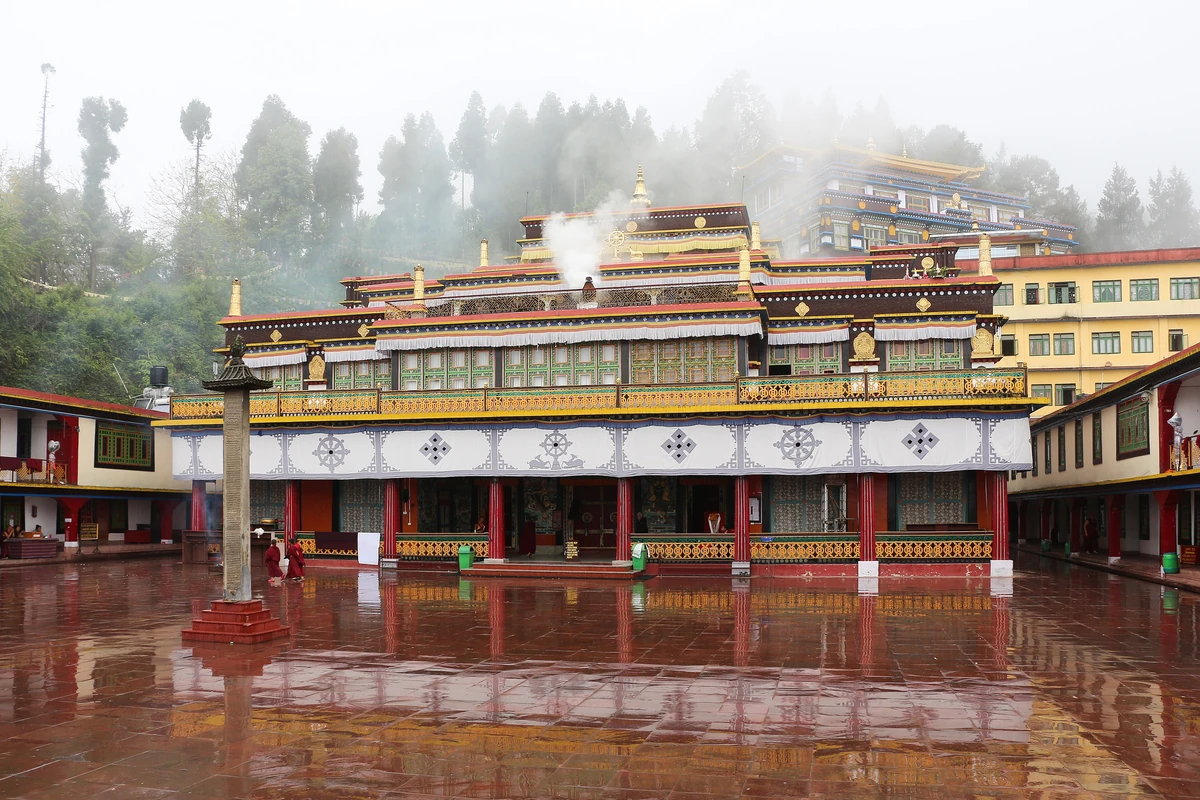
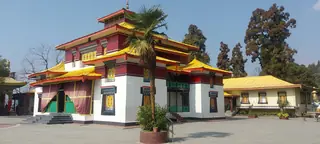
Walk up to the stupa after the museum, and put the Tsuklakhang and Enchey Monastery in the same day; the one-day plan does it in that order. Read things to do in Gangtok.
Plans that include this
All 2 plans that stop here →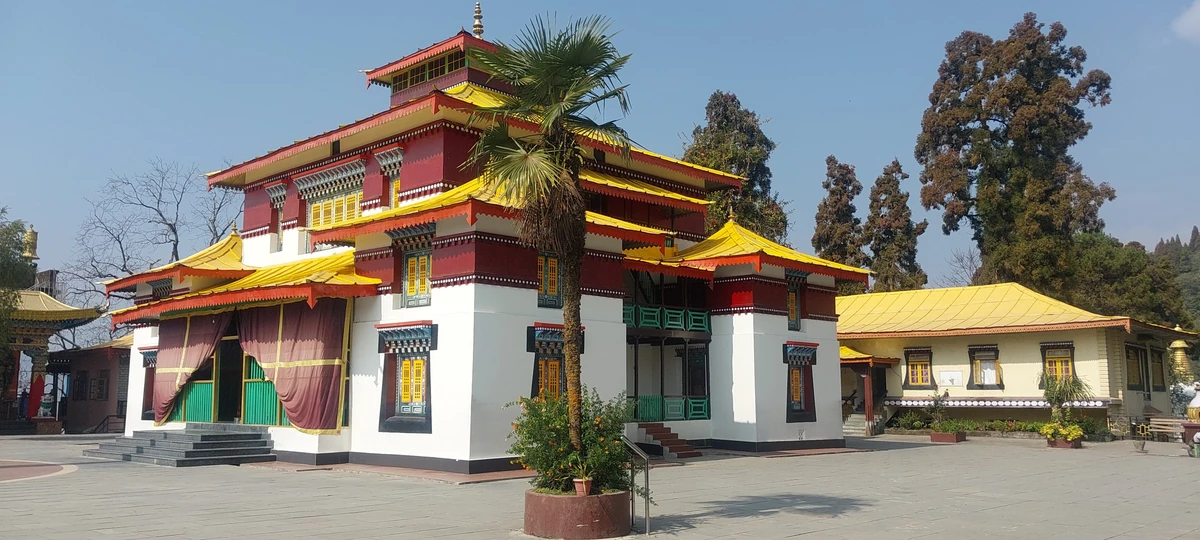
Nearby places
All of Gangtok →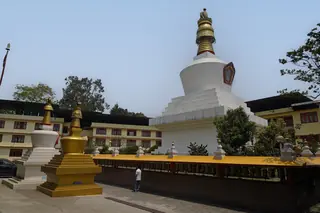
Nearby destinations
All destinations →
Questions people ask
What is the Namgyal Institute of Tibetology?
A museum and research institute in Gangtok, named after Sir Tashi Namgyal, the 11th Chogyal of Sikkim. Wikipedia says the 14th Dalai Lama laid its foundation stone on 10 February 1957 and India's first prime minister, Jawaharlal Nehru, opened it on 1 October 1958. It holds masks, scriptures, statues and tapestries.
What does the institute collect?
Wikipedia describes a large store of Buddhist masks, texts, statues and tapestries, with over two hundred Buddhist icons, and says it is a centre for the study of Buddhist philosophy. Research projects there document the history of Sikkim's monasteries and digitise rare old photographs. We have no verified gallery or opening details.
Is the institute close to other sights?
Yes. The Do-drul Chorten stands about 500 m above it, so the two make one visit. The Tsuklakhang, the royal chapel, is in the centre of Gangtok. We have no verified opening hours or entry fee for the museum, so ask locally before you go.