
Bijli Mahadev — the lightning temple above Kullu
Checked on
What it is
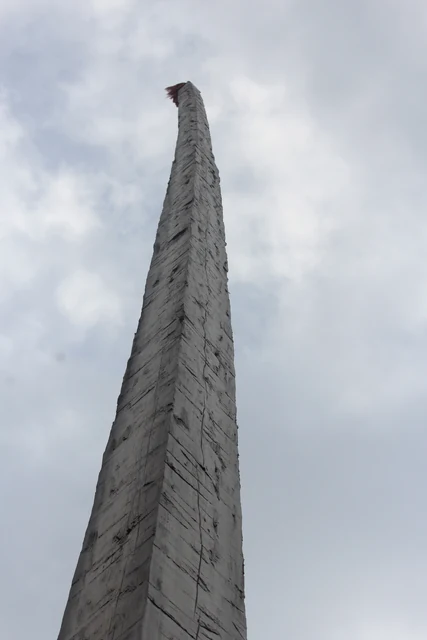
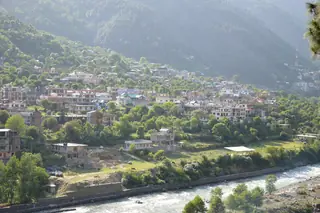
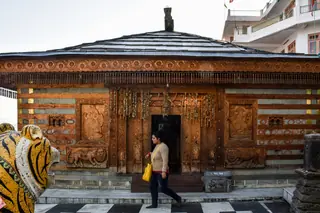
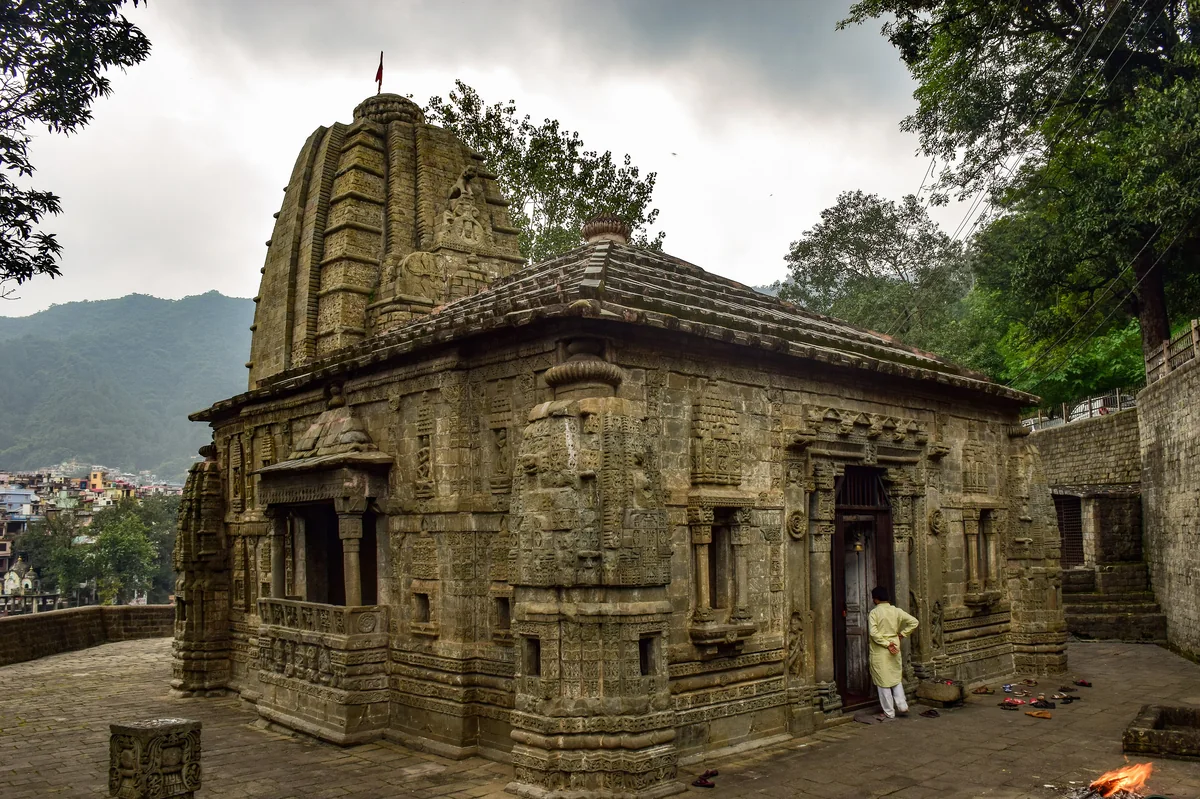
Bijli Mahadev (also written Bijali Mahadev) is a temple to Shiva near Kashawri village, on the ridge that divides the Beas from the Parvati, at about 2,460 m above the town of Kullu. Its name means "lightning Mahadev". The buildings are a stone courtyard and a wooden shrine in the Kath-Kuni style, the Pahari way of building in alternate courses of timber and stone, and the thing everyone looks at first is the tall staff standing in front of it. It is the best-known walk in the lower valley and the one view that shows you both valleys at once.
Photos: Meghaambardar (CC BY-SA 3.0) · Accesscrawl (CC BY-SA 4.0) · Kavya Rastogi (CC BY-SA 4.0) · Biswarup Ganguly (CC BY 3.0) — via Wikimedia Commons, resized.
The lightning and the butter
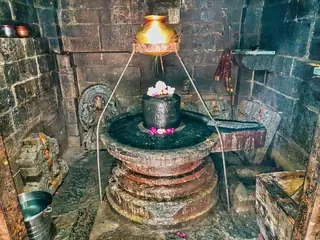
The temple takes its name from a belief, and it is told as a belief, not as a record. Lightning, the telling goes, strikes the temple about once in twelve years and breaks the Shivling in the sanctum into pieces. The priest gathers the pieces and joins them again with chopad, a homemade butter, worked together with pulse flour and grain, which is why the Shivling you see is smooth, pale and coated. People in the valley say Mahadev takes the strike on himself, so that the calamity does not fall on the villages below.
The staff in front of the temple is a single deodar pole, put at about sixty feet, and it is said to be where the lightning falls. Neither the interval nor the height comes from a measurement we can point to; both are what the temple's story and the published accounts repeat, so read them that way.
There are two versions of the older legend too. In one, Shiva defeated the asura Jalandhara with his trident and saved the valley from drowning; in the other the demon was Kulanta, who took the form of a giant serpent. Many also believe the Pandavas built the first temple here during their exile. Stone figures of Shiva and Nandi stand at the sides, and you walk round the sanctum through a wooden corridor.
Getting there
Not by car, whatever a routing app says. The road leaves the highway below the town, crosses the Beas and climbs to the road-end at Chansari — 15 km and about 28 minutes — where there is a car park and a few tea stalls. The path starts there: 2.8 km, about 96 minutes up and an hour down by our measure. The river at Pirdi and the ground at Dhalpur are the town's other two half-hours, if the day has room. A taxi with waiting is the usual arrangement from the bazaar, typically ₹1,200–2,000 return as of September 2026.
The climb
Stone steps and a worn path, through deodar for the first half and open hillside for the second. It is steady rather than steep, with no scrambling and nothing exposed, but the upper section has no shade and no water — the last shop is at the road-end. Most people take between an hour and two hours up, and rather less down.
At the top
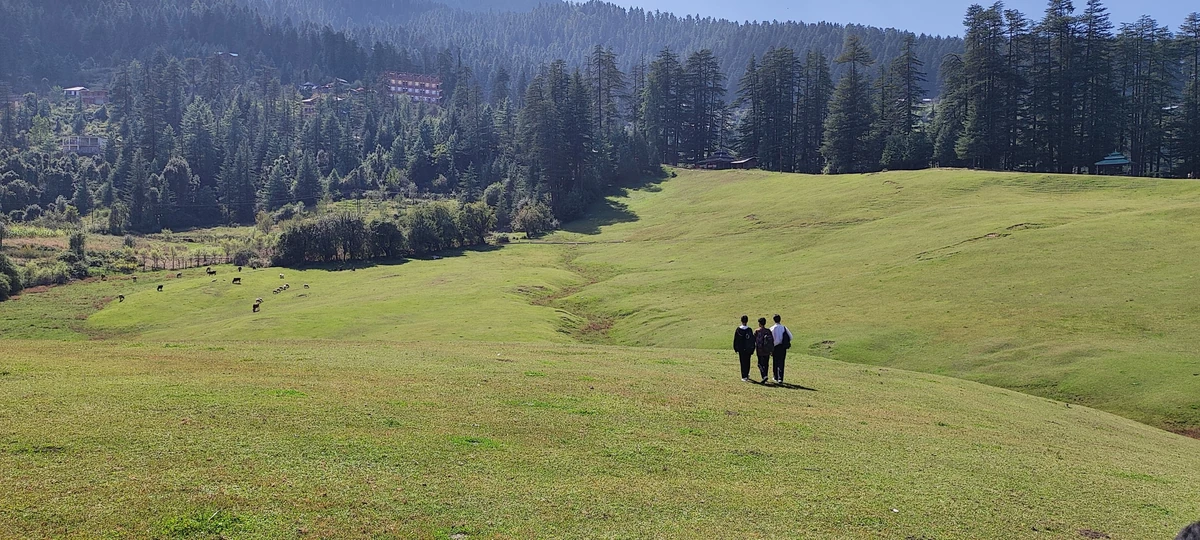
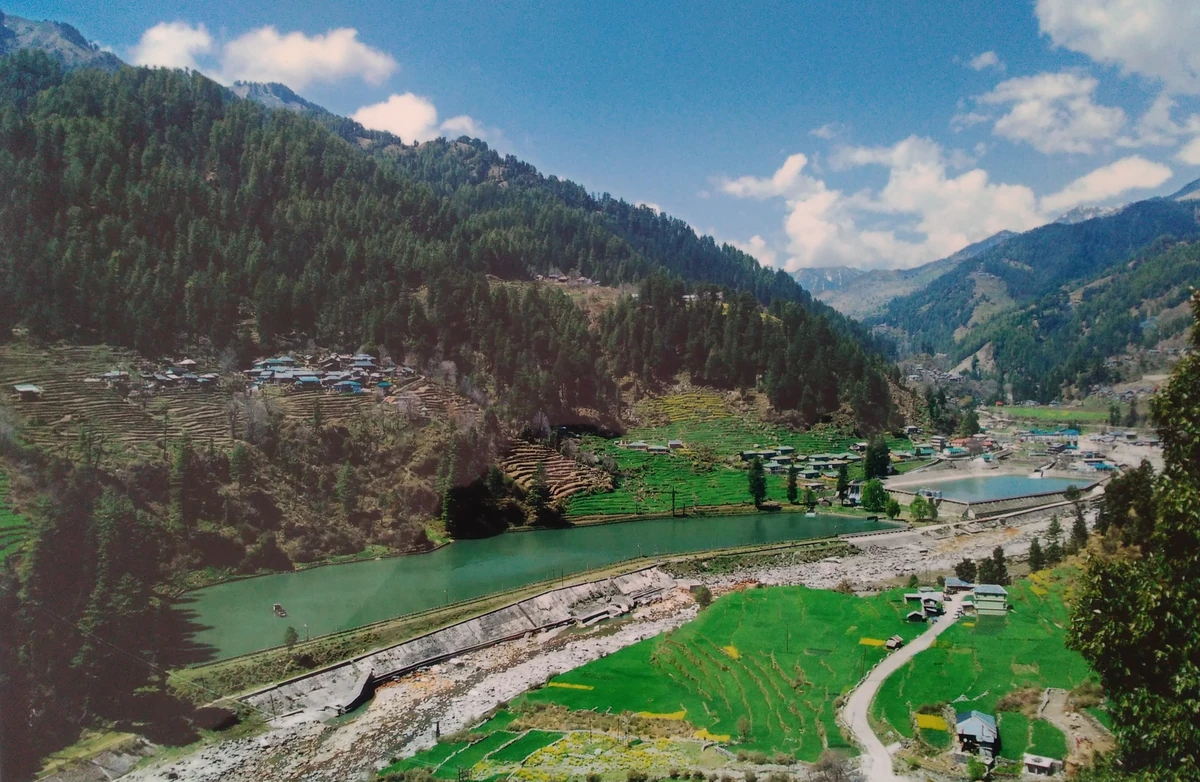
A courtyard, the shrine, and the ridge running away on both sides: the Beas below on one side, the Parvati coming in on the other, and the snow ranges north on a clear day. It is cold and windy in every month, including June. An hour at the top is usually enough, and rather more than most people plan for.
When to go
March to June and September to November, in the morning. October and November give the clearest air of the year. In the monsoon the path is slick and the view is cloud; in December and January snow lies on the ridge and the climb becomes a different proposition. The day plan does it from the town and is back for a late lunch; the two-day plan puts it on the first morning and the valley floor on the second.
Watch our reel
Going to Kullu?
 Bijli Mahadev in a day from Kullu — the road to Chansari, the climb to the ridge and a late lunch in the bazaarDay plan, ready to copy and change
- Stays in KulluCompare live prices
- See it on the map
- Send this on WhatsApp
Reels from these places: follow @himlocal.in on Instagram
Near Bijli Mahadev Temple, on HimLocal
Local businesses that list on HimLocal, nearest first. We don’t rank or review them — each page has their own details.





Plans that include this
All 3 plans that stop here →
Nearby places
All of Kullu →


Nearby destinations
All destinations →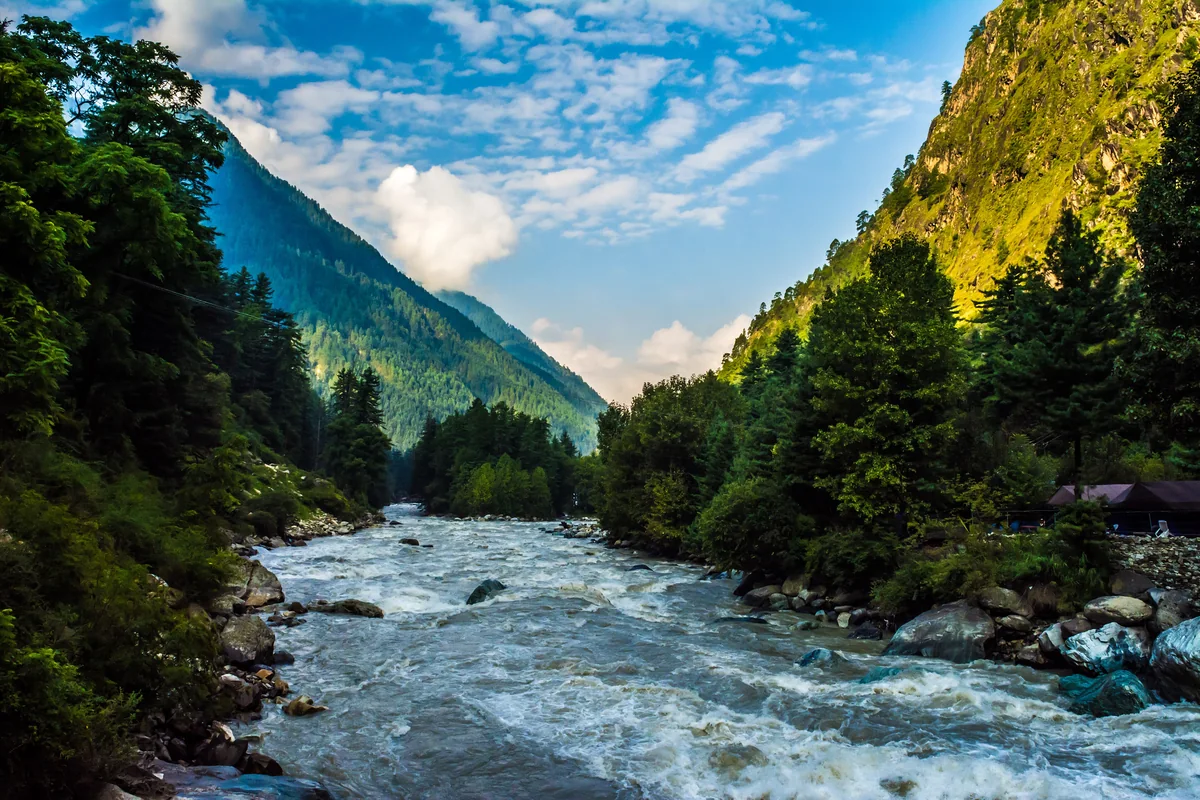
Questions people ask
How do you get to Bijli Mahadev?
Drive from Kullu to the road-end at Chansari, 15 km and about 28 minutes on a narrow ridge road, then walk: 2.8 km, roughly 96 minutes up and an hour down. A taxi with waiting is typically ₹1,200–2,000 return as of September 2026. No bus goes up.
How high is Bijli Mahadev, and how hard is the climb?
About 2,460 m, high above the town on the ridge. The path is stone, steady rather than steep, through deodar and then open hillside. Anyone who walks an hour and a half uphill manages it; there is no scrambling and no exposure, but also no shade on the upper half.
When is the best time to walk up?
Early morning, March to June and September to November. In May and June start at first light, because the top half is open to the sun. The ridge is cold and windy whenever the town is warm, so carry a layer in any month, and skip it in heavy monsoon rain.
Why is the Bijli Mahadev Shivling covered in butter?
Local belief holds that lightning strikes the temple, by the usual telling about once in twelve years, and breaks the Shivling into pieces. The priest then joins the pieces with chopad, a homemade butter, mixed with pulse flour and grain. People say the god takes the strike on himself so that the valley is spared.