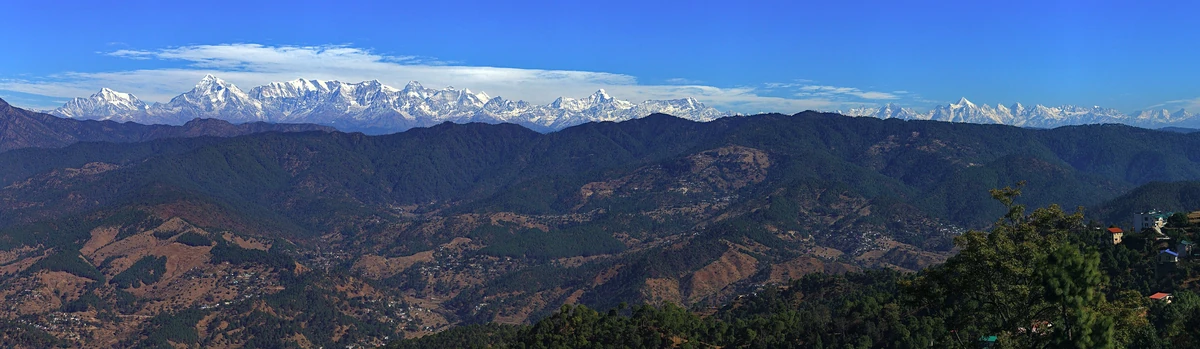
Best time to visit Uttarakhand — month by month, with India Meteorological Department weather for five hill towns
Uttarakhand month by month: IMD highs, lows and rain at Mussoorie, Nainital, Mukteshwar, Joshimath and Tehri, plus snow, the Char Dham season and the monsoon.
Uttarakhand runs from the foothills to the snow, so there is no single best month. This guide uses the India Meteorological Department normals that Wikipedia prints for five hill towns, and adds the seasons of the temples, the high valleys and the festivals, each from the hub guide that covers it. The five stations are Mussoorie and Joshimath (normals 1971–2000), Nainital (1961–1979), and Mukteshwar and Tehri (1991–2020). The periods differ, so compare the towns only roughly.
April and May, and October and November: the easiest months for the hill towns, dry and clear. Mussoorie is crowded in April and May.
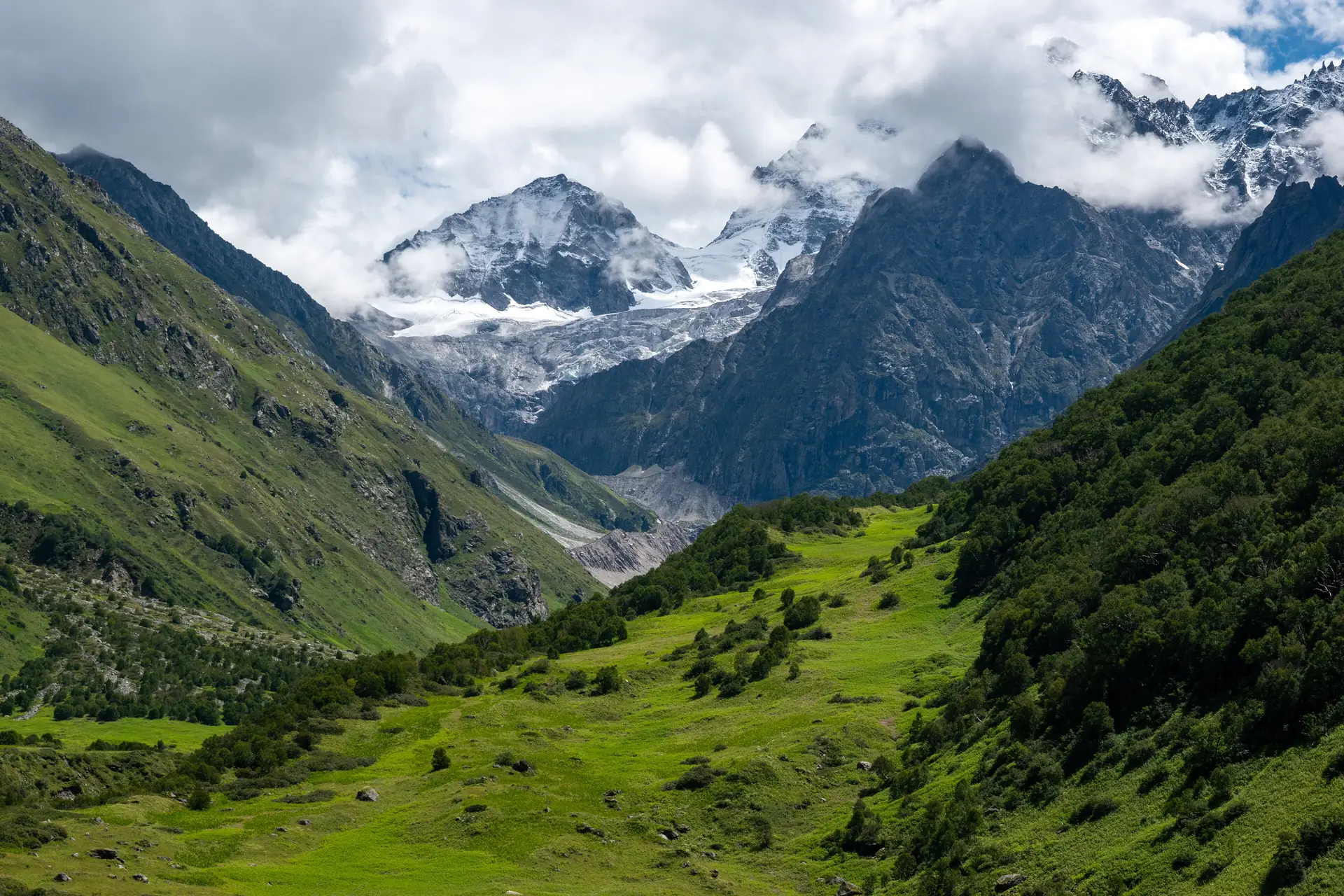
June to September: the monsoon. Nainital records 685.4 mm and Mussoorie 629.6 mm in July. The Valley of Flowers is open, and the temple roads need spare days.
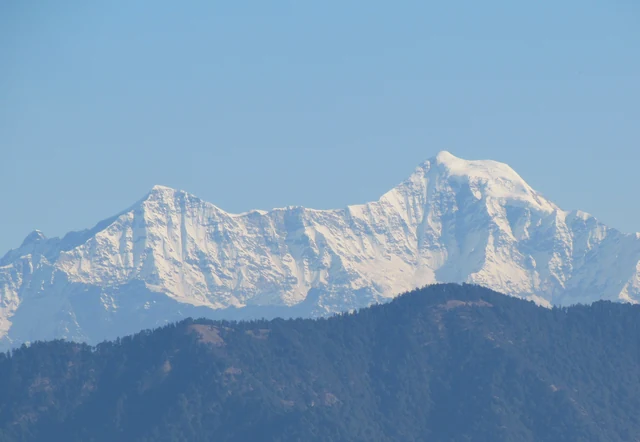
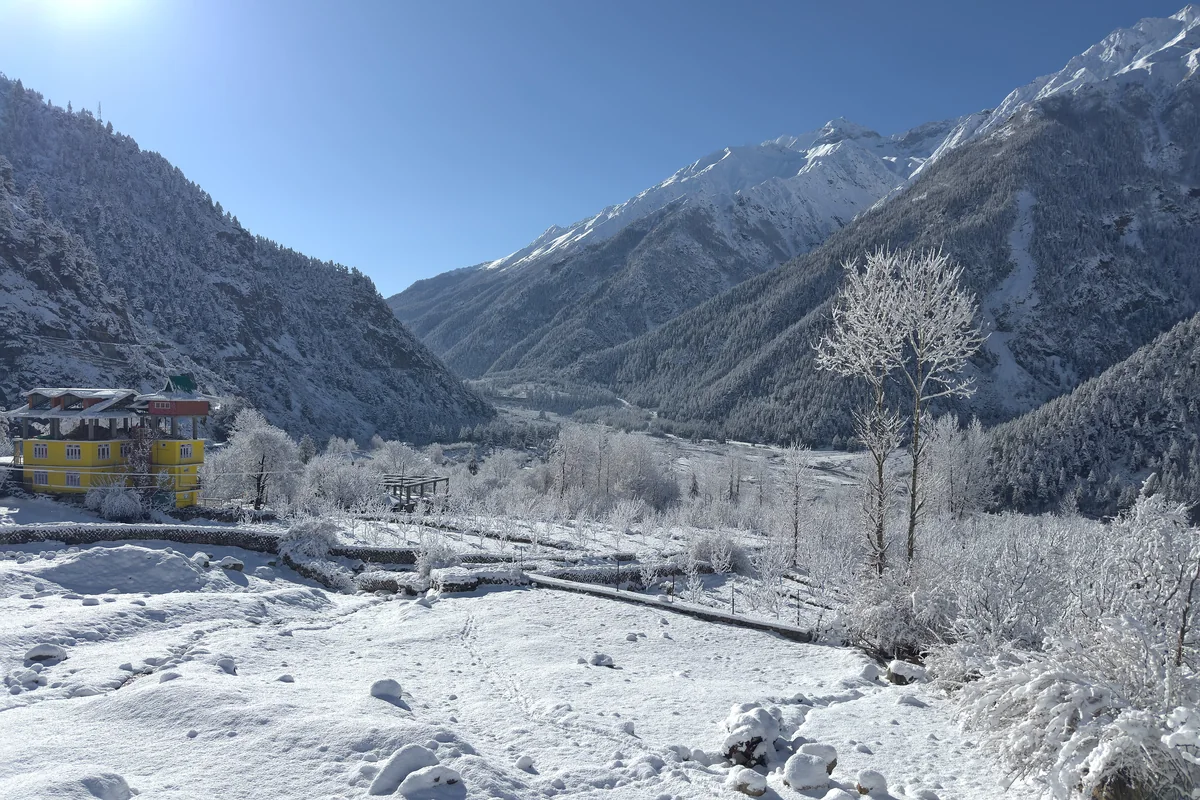
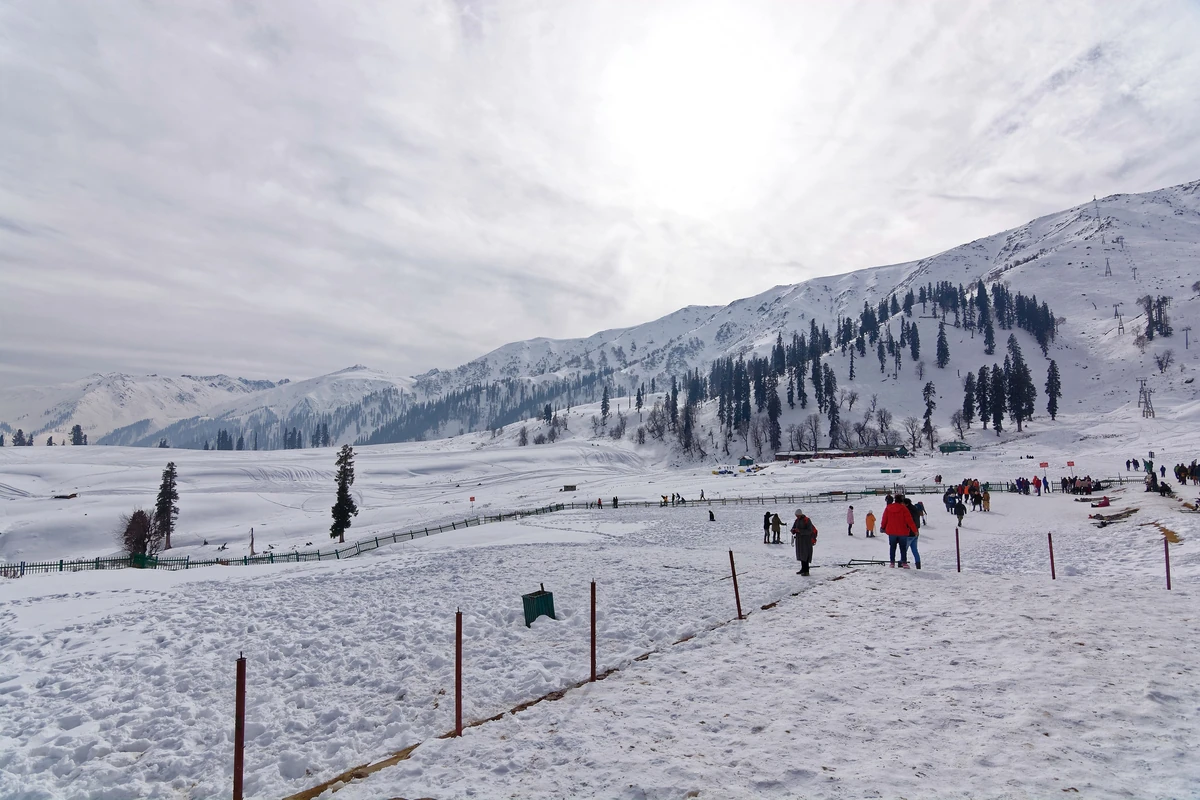
December to February: cold, with spells of snow on the high ground, the snow treks and the ski slope at Auli.
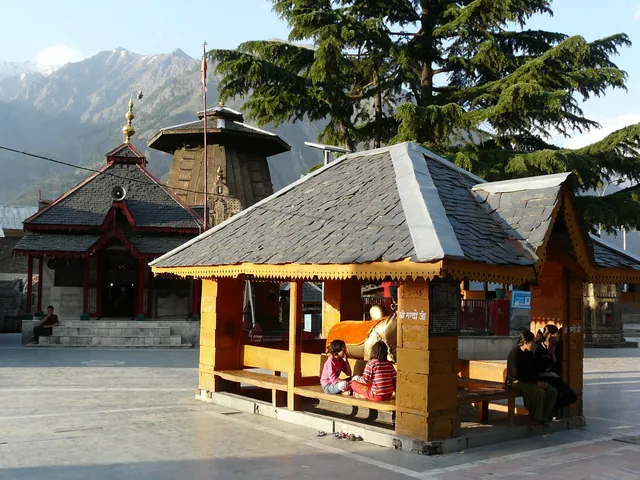
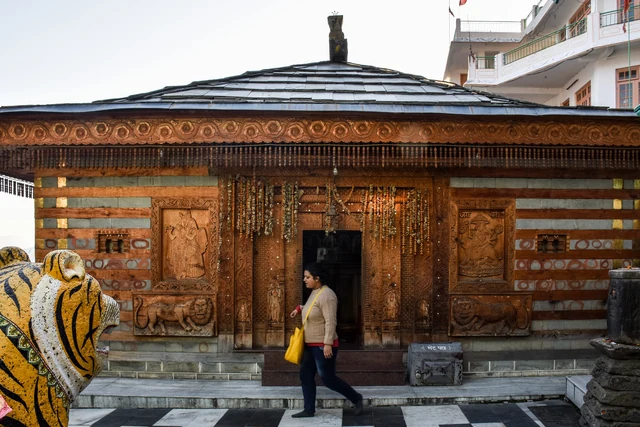
Temples: Kedarnath opens in April and closes at Kartika Purnima; Badrinath is open from late April to early November. See the Kedarnath and Badrinath guides.
Month by month
January. Highs run from 10.3 °C at Mussoorie to 15.1 °C at Tehri, and nights from 1.7 °C at Mukteshwar to 3.5 °C at Tehri. Rain runs from 45.6 mm at Mukteshwar to 82.4 mm at Nainital. Snow falls on the high ground, and Uttarakhand Tourism names December and January as the best time for the Chandrashila trek above Chopta. The Uttarayani fair and Ghughutia come around Makar Sankranti. The Badrinath and Kedarnath temples are shut.
February. Highs run from 11.2 °C at Mussoorie to 16.5 °C at Tehri, and nights from 2.7 °C at Mukteshwar to 5.2 °C at Tehri. Rain runs from 65.2 mm at Mussoorie to 93.5 mm at Joshimath. Still winter. Mussoorie and Landour can still see spells of snow, and Auli is a ski slope in the snow months. The Chopta trail is under snow, and the temples stay shut.
March. Highs run from 15.7 °C at Mussoorie to 21.6 °C at Tehri, and nights from 5.8 °C at Mukteshwar to 9.1 °C at Tehri. Rain runs from 46.8 mm at Mukteshwar to 118.7 mm at Joshimath. Winter lets go. Phool Dei comes in mid-March, and the rhododendrons around Chopta flower about now. For the Milam Glacier trek from Munsiyari, Wikipedia gives mid-March to May as the suitable time. Joshimath is the wettest of the five stations this month.
April. Highs run from 20.6 °C at Mussoorie to 25.3 °C at Tehri, and nights from 9.7 °C at Mukteshwar to 12.5 °C at Tehri. Rain runs from 33.8 mm at Nainital to 56.2 mm at Mussoorie. Warm, dry and clear at Mussoorie, which is why April and May bring the crowds from the plains. The Kedarnath temple opens in April, and the Badrinath temple in late April. Kedarkantha's wildflowers come in late March and April.
May. Highs run from 23.0 °C at Mussoorie to 27.6 °C at Tehri, and nights from 12.1 °C at Mukteshwar to 15.1 °C at Tehri. Rain runs from 54.6 mm at Tehri to 72.9 mm at Joshimath. Warm days, and crowds at Mussoorie. Hemkund Sahib's path opens in May, and the walk to Vasudhara Falls near Badrinath opens from mid-May.
June. Highs run from 23.2 °C at Mussoorie to 28.2 °C at Tehri, and nights from 13.8 °C at Mukteshwar to 17.7 °C at Tehri. Rain runs from 93.3 mm at Joshimath to 339.1 mm at Nainital. The monsoon starts, with Mussoorie's heavy rain from mid-June by Wikipedia's account. The Valley of Flowers opens and stays open until October. Wikipedia says cloud hides the peaks at Chopta from June to August.
July. Highs run from 20.9 °C at Mussoorie to 26.0 °C at Tehri, and nights from 14.2 °C at Mukteshwar to 18.5 °C at Tehri. Rain runs from 224.6 mm at Joshimath to 685.4 mm at Nainital. The monsoon at its peak. Nainital and Mussoorie are far wetter than the other three, and rain, slips and landslides are the main risk on the Kedarnath and Badrinath roads. Shravan Harela is held this month. Travel only with spare days.
August. Highs run from 20.5 °C at Mussoorie to 25.9 °C at Tehri, and nights from 13.9 °C at Mukteshwar to 18.5 °C at Tehri. Rain runs from 201.6 mm at Joshimath to 556.4 mm at Nainital. Still the monsoon, with landslides after cloudbursts that can close the Badrinath road for a while. Ghee Sankranti and Jagda fall in August. The Valley of Flowers lies green under mist and low cloud.
September. Highs run from 19.8 °C at Mussoorie to 25.7 °C at Tehri, and nights from 12.6 °C at Mukteshwar to 16.6 °C at Tehri. Rain runs from 111.1 mm at Joshimath to 346.3 mm at Nainital. The rains ease. Nanda Devi Mahotsav is generally held in September, and Badrinath and Kedarnath are easier after the rains. Nainital is still the wettest of the five stations.
October. Highs run from 18.6 °C at Mussoorie to 23.5 °C at Tehri, and nights from 9.3 °C at Mukteshwar to 11.5 °C at Tehri. Rain runs from 19.6 mm at Tehri to 55.5 mm at Mussoorie. The clear weeks after the monsoon, with little rain at every station. The winterline, a false horizon at dusk, shows at Mussoorie from October. The temples at Badrinath and Kedarnath are in their last weeks, and the Valley of Flowers season ends.
November. Highs run from 15.3 °C at Nainital to 20.0 °C at Tehri, and nights from 5.8 °C at Nainital to 7.6 °C at Mussoorie. Rain runs from 6.2 mm at Tehri to 14.9 mm at Mussoorie. Very dry. The Badrinath temple closes in early November and the Kedarnath temple on Kartika Purnima, when worship moves down the valley; Kedarnath's deity is worshipped at Ukhimath for the winter. Egaas falls 11 days after Diwali.
December. Highs run from 12.7 °C at Mussoorie to 17.1 °C at Tehri, and nights from 2.9 °C at Nainital to 4.5 °C at Tehri. Rain runs from 10.1 mm at Mussoorie to 26.8 mm at Joshimath. Cold and dry. The snow treks begin, Auli's ski season starts, and Mussoorie holds its Winterline Carnival. Chandrashila lies under snow, and the road to Chopta can be blocked by snow.
What to plan around
Altitude shapes the temperature: Wikipedia says Landour, higher up the ridge, is 2 to 3 °C cooler than Mussoorie. Check the road on the day in the monsoon and after snow. For each town, read its own guide: Mussoorie, Nainital, Joshimath, Chopta and Munsiyari.
Been here?Help the next traveller — our team checks every contribution.
Questions people ask
What is the best month to visit Uttarakhand?
It depends on where. For the hill towns, April and May, then October and November, are the easiest months, dry and clear. For snow, go from December to February. The Valley of Flowers is open only from June to October, and the Badrinath and Kedarnath temples from April or May to early November.
When does it rain most in Uttarakhand?
In July and August. The India Meteorological Department normals give Nainital 685.4 mm in July and Mussoorie 629.6 mm, against 224.6 mm at Joshimath. Landslides can close the Kedarnath and Badrinath roads, so travel then only with spare days and check the road each morning.
Does it snow in Uttarakhand?
Yes, on the high ground from about November to March. Wikipedia says Mussoorie gets a few spells in December, January and February, and Chopta lies under snow from December to March. Uttarakhand Tourism names December and January as the best time to trek to Chandrashila, and Auli is a ski slope in the snow months.