Food of Ladakh — thukpa, skyu, tsampa and gurgur cha, the butter tea
What to eat in Ladakh: thukpa and momos, skyu and chutagi, tsampa, Ladakhi pulao and tigmo, with gurgur cha, the salted butter tea, and sweet cha ngarmo.
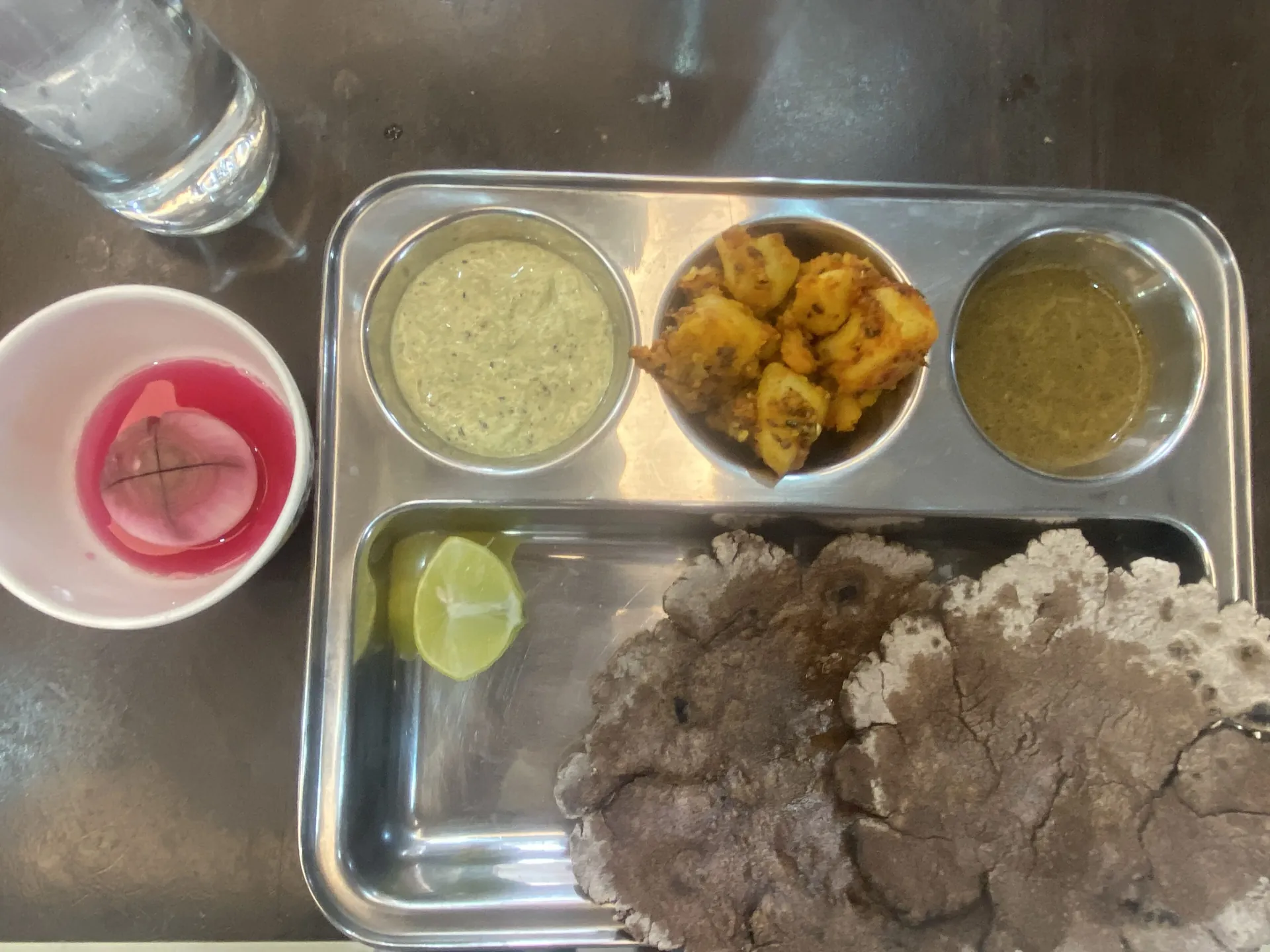
The food of Uttarakhand is built from what the hill fields give: millets, pulses, greens and milk. Wikipedia calls it simple and short on complex spices, and says Garhwal and Kumaon each have their own cooking. This guide goes by the sources we could read on 24 October 2026. We name no restaurant, price or rating, because we have none we can check.
Photos: Ssaurabhsharmaa (CC BY-SA 4.0) · Vinaysharmahbd (CC BY-SA 4.0) — via Wikimedia Commons, resized.
Wikipedia says the hill diet rests on mandua, the finger millet, jhangora, the barnyard millet, and local pulses, because farmland on the slopes is scarce. In Kumaon the gahat bean, also called kulath, is cooked in many forms. The Kumaon article lists ras-bhaat, chain, faanda and thatwani as different dishes from this one pulse. Mandua is eaten with rice and wheat.
Meat is eaten too. Wikipedia names mutton and chicken, and bhutwa, a dish of goat offal. Wikipedia says the Kumaoni meat recipes are close to those of the rest of north India, with a thinner gravy.
Bal mithai is a fudge the colour of dark chocolate. Khoya, reduced milk, is cooked with sugar until it turns dark, set, cut into cubes and rolled in small white balls of sugar-coated roasted poppy seeds. Wikipedia says it began in Lal Bazaar in Almora in the early twentieth century, and credits the halwai Joga Lal Sah, in business there since 1865. A second shop, run by the Rautela brothers who once worked for him, stands near the bus station, and Wikipedia says its trade grew from travellers buying the sweet before a journey. A local story says soldiers from Kumaon carried it to Burma in the Second World War.
Singori, or singauri, is sweet khoya shaped into a cone and wrapped in a green malu leaf. Wikipedia places its history in Old Tehri, where it was a delicacy in the days of the Panwar dynasty and was sold wrapped in leaves, before it became tied to Almora. It adds that sweet makers in Kumaon have been urged to seek geographical-indication protection for singhauri and for bal mithai.
The state tourism site names two festival foods. For Ghughutia, on the eve of Makar Sankranti, wheat dough with jaggery and milk or ghee is shaped, fried and strung into a garland. For Phool Dei in mid-March, a dessert of flour, curd and jaggery is offered to everyone. Wikipedia's list also names arsa, a sweet of rice and jaggery, and gulthiya, made with wheat flour and ghee.
Wikivoyage names ginger tea, mint tea and the juice of buransh, the red rhododendron flower, as common in Nainital, Mukteshwar and the Kumaon villages. In Rishikesh and Haridwar the usual stalls sell lemon water, sugarcane juice and fruit shakes; both are pilgrim towns where most of the menu is without alcohol.
For bal mithai, go to Almora, and read things to do in Almora. For singori, look in the sweet shops of Tehri and Almora. Read how to reach Uttarakhand from Delhi, the best time, month by month and the festivals by month.
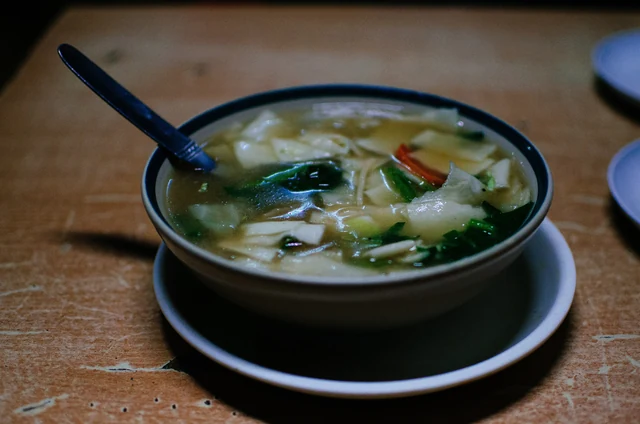
Bal mithai, a brown fudge of roasted khoya cooked with sugar, cut into cubes and coated with sugar-covered poppy seeds. Wikipedia credits the halwai Joga Lal Sah of Lal Bazaar, who had a shop from 1865, with the form we know. The other Almora sweet is singori, khoya wrapped in a malu leaf.
Simple food from hill crops. Wikipedia names millets, mandua, jhangora and pulses as the backbone, with kafuli of greens, chainsoo of black gram, bhatt ki churkani, aloo ke gutke and a curd curry called jholi. Kumaon also cooks the gahat or kulath bean in many ways.
Singori, or singauri, is a cone of sweet khoya wrapped in a green malu leaf, which gives it its shape and smell. Wikipedia places its history in Old Tehri in Garhwal, where it was a famous sweet, and says it later became tied to Almora and Kumaon. Sellers wrap and sell it in the leaf.