
Guru Ram Rai Darbar Sahib — the 17th-century darbar behind Dehradun's name
What it is
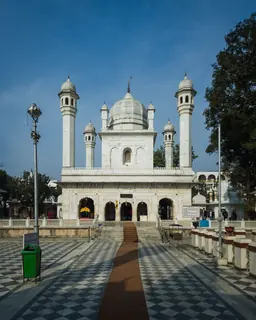
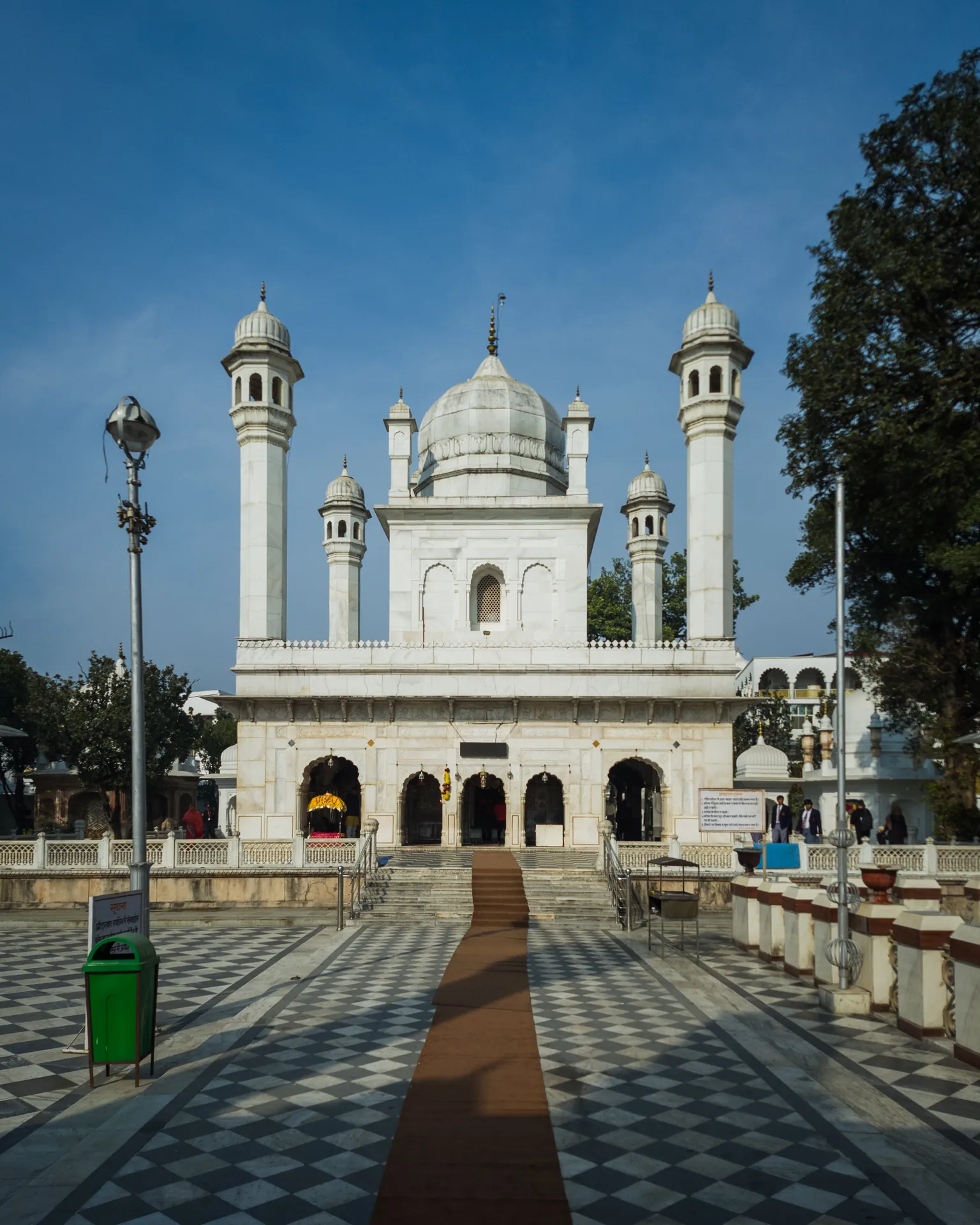
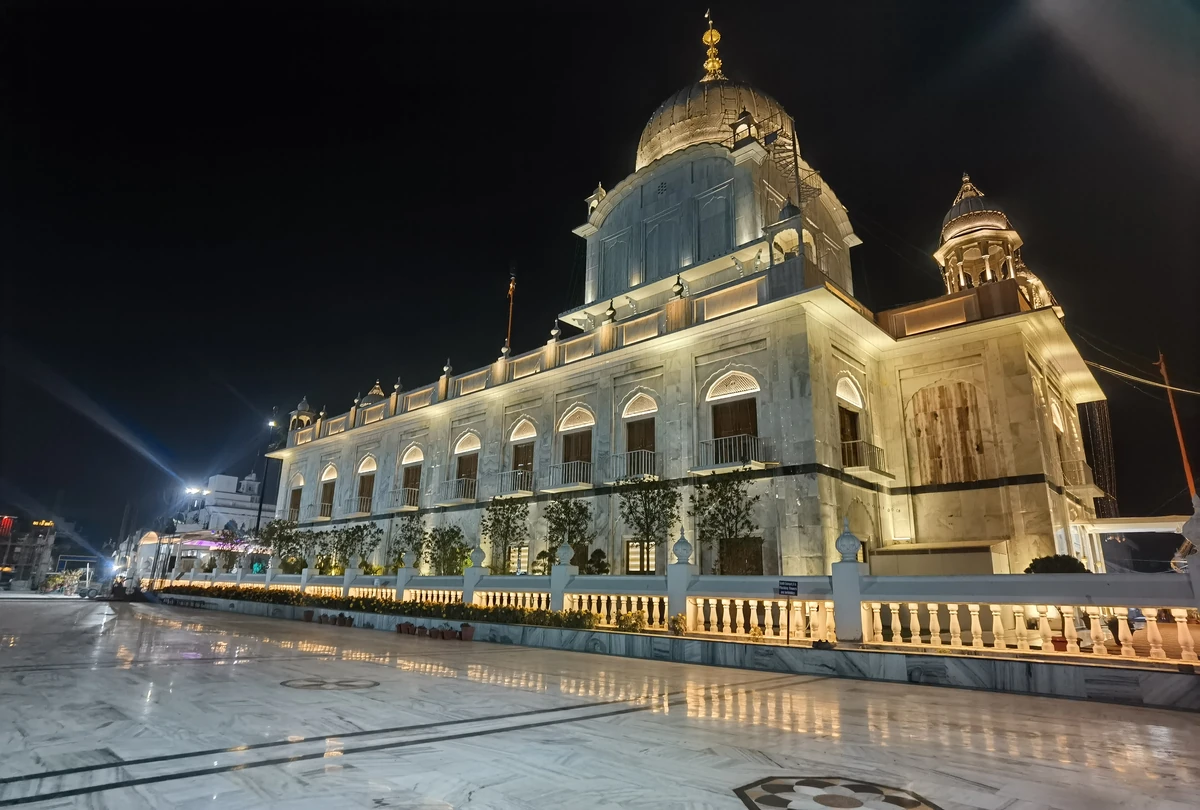
The Guru Ram Rai Darbar Sahib stands in the old part of Dehradun, about 2 km and 6 minutes from the centre. It honours Baba Ram Rai, whose father, Guru Har Rai, was the seventh Sikh Guru. It is also the monument most closely tied to the city's story.
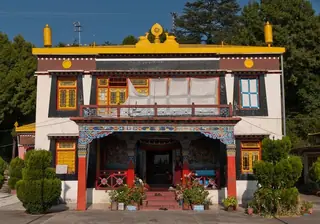
Photos: Kuldeepburjbhalaike (CC BY-SA 4.0) · Kuldeepburjbhalaike (CC BY-SA 4.0) — via Wikimedia Commons, resized.
The name of the city
Baba Ram Rai settled in the Doon valley in the mid-17th century with his followers. Wikipedia says the settlement is thought to be the origin of Dehradun's name: the camp became known as Guru Ram Rai's dera in the Doon, and the phrase was worn down over time to "Dehradun".
The building
The darbar's style is Indo-Islamic. The central mausoleum takes its inspiration from the Tomb of Jahangir and sits in a small Mughal-style garden, with domes and minarets that make it look more like a mosque than a typical Sikh shrine. The central complex was completed in 1699, and the structural work finished between 1703 and 1706.
The murals
The buildings once had Mughal-style wall paintings, some more than 300 years old. Many were lost to repainting or re-marbling, and the Archaeological Survey of India worked on restoring the murals between 2004 and 2014. Look at the painted walls and the gates around the courtyard.
The Jhanda Mela
Held every year in the grounds since 1676, by Wikipedia's account, the fair commemorates the day Baba Ram Rai arrived. It starts five days after Holi and runs until Rama Navami. A flag on a 100-foot tree trunk is wrapped in layers of cloth, and each year devotees raise a new one in a ceremony that retires the old flag.
Combine it with
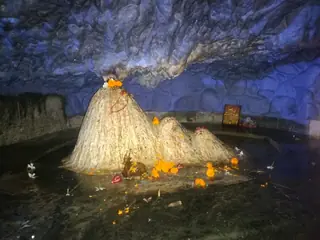
The Forest Research Institute is 10 minutes away and Tapkeshwar 12. The one-day plan starts here. More in things to do in Dehradun.
Plans that include this
All 2 plans that stop here →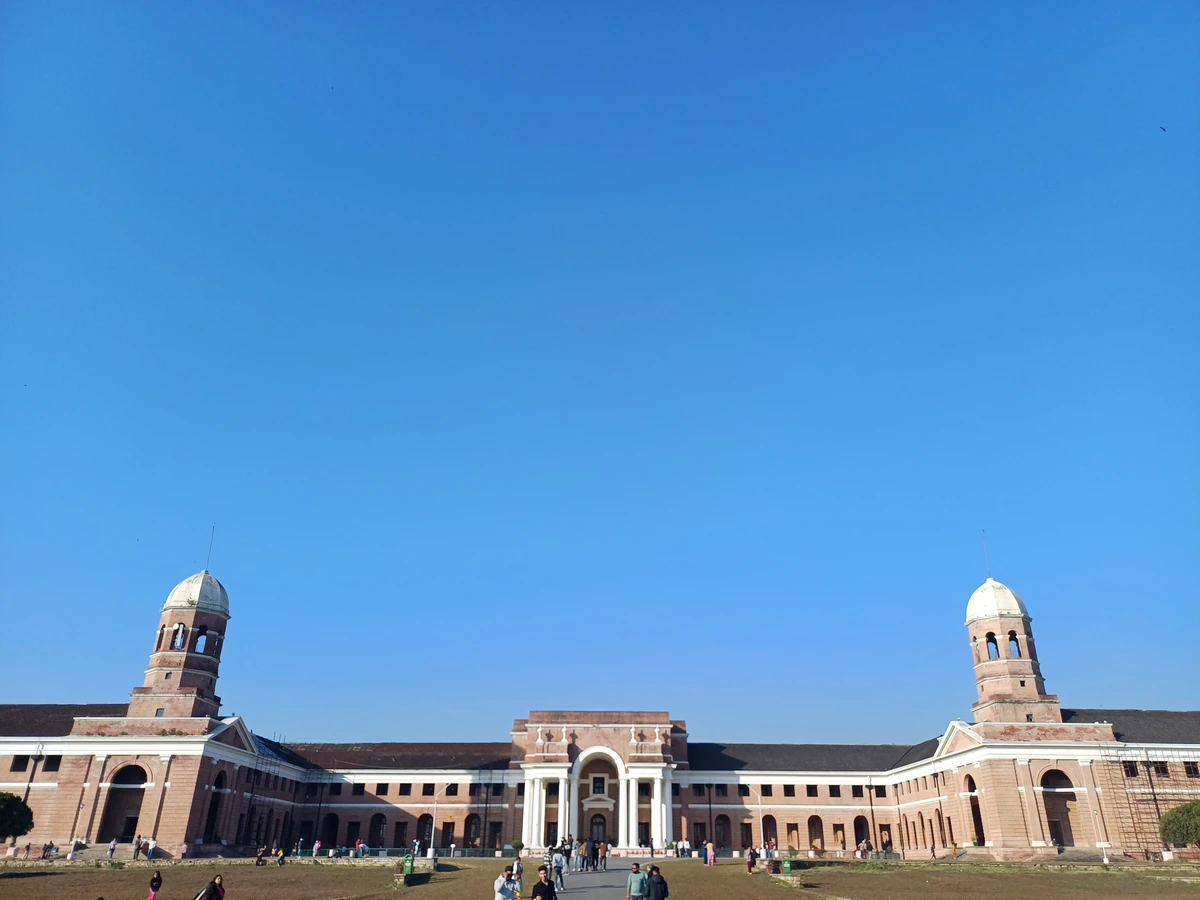
Nearby places
All of Dehradun →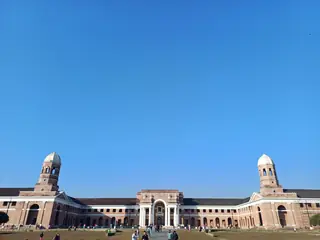
Nearby destinations
All destinations →
Questions people ask
What is the Guru Ram Rai Darbar Sahib?
A shrine in Dehradun built around Baba Ram Rai, a son of the seventh Sikh Guru, who settled in the Doon valley in the mid-17th century. Its domes, minarets and gardens draw on Mughal architecture, and tradition says Dehradun is named after his camp (dera) here.
What is the Jhanda Mela?
An annual fair in the darbar's grounds, thought to date from 1676. It commemorates Baba Ram Rai's arrival, starts five days after Holi and runs until Rama Navami. A flag on a 100-foot tree trunk, wrapped in cloth, is replaced in a ceremony as devotees gather from across India.
Are the old paintings still there?
Parts of them. Wikipedia says the buildings once carried Mughal-style wall paintings, some more than 300 years old, that were lost or damaged by repainting or re-marbling, and that the Archaeological Survey of India restored the murals between 2004 and 2014. The painted gates and walls are among the main things to look at.