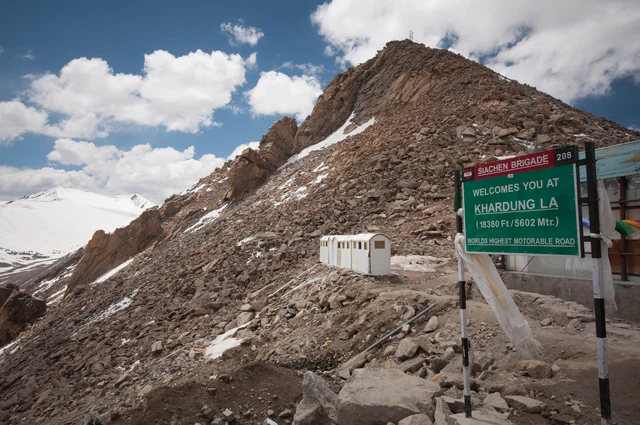
Khardung La's sign says 18,380 ft — the pass is 17,582 ft
The famous sign at Khardung La in Ladakh says 18,380 ft and the world's highest road. GPS surveys give 5,359 m (17,582 ft); higher roads now cross Ladakh.
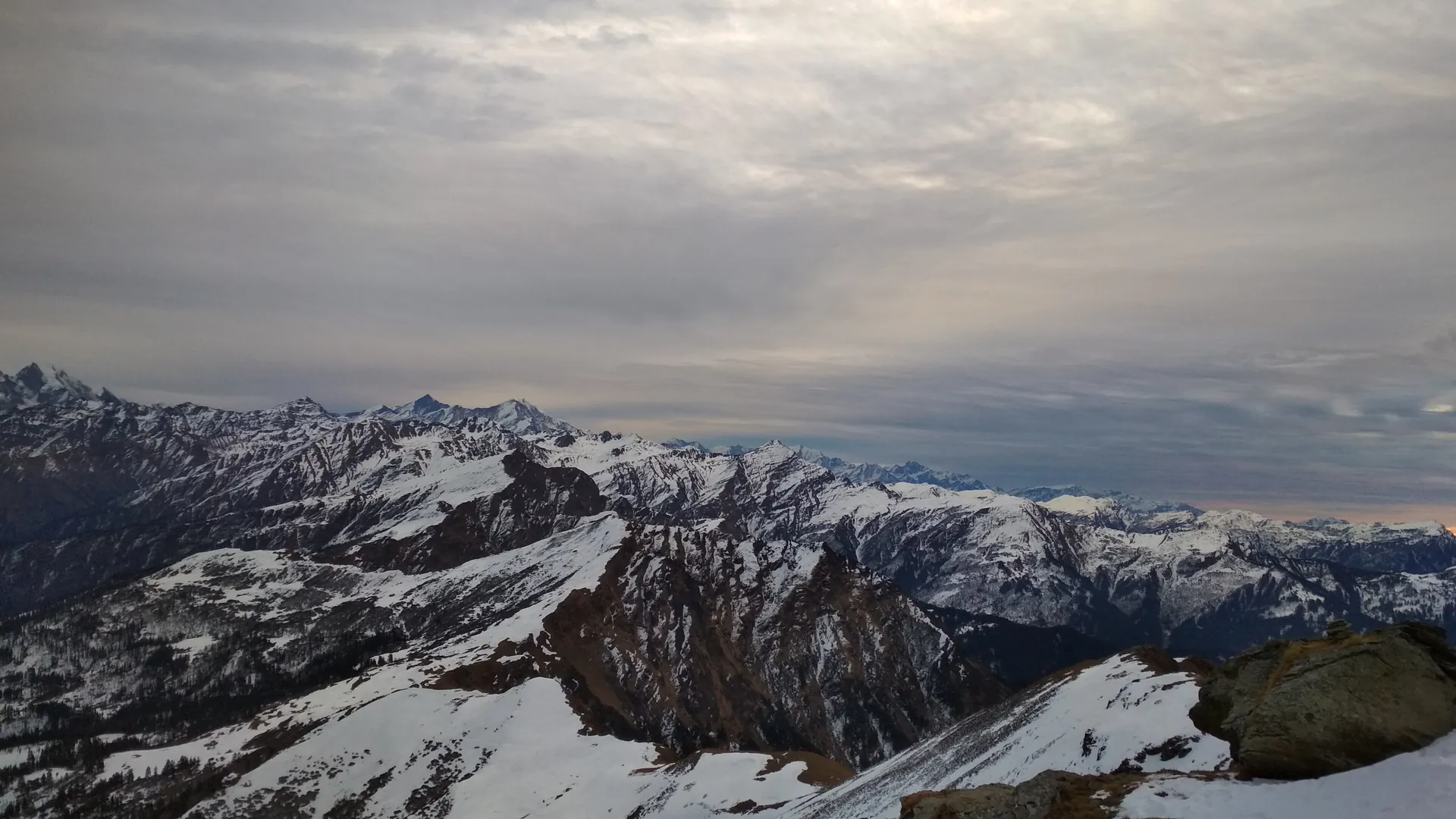
Snow treks are the big winter draw of the Garhwal Himalaya. This roundup sticks to what the sources say: the state's official tourism site for Chandrashila, and Wikipedia for the rest. We give no difficulty grades, fees or permit rules we could not source; treks in sanctuaries and on forest land can need permission, so ask the forest department or a registered local operator before you go.
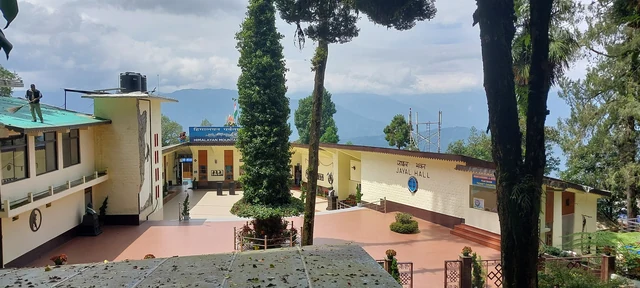
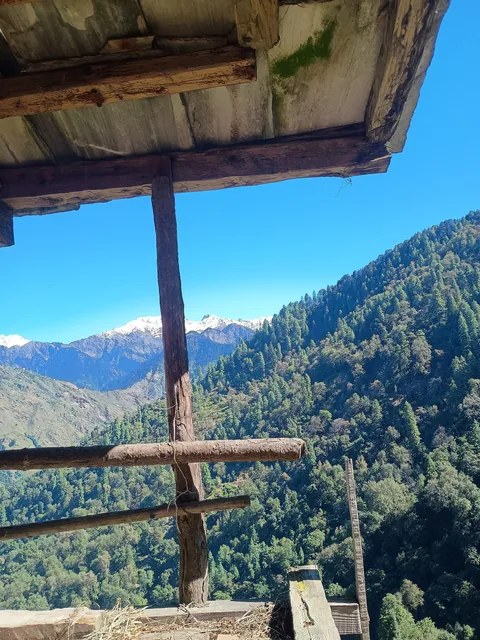
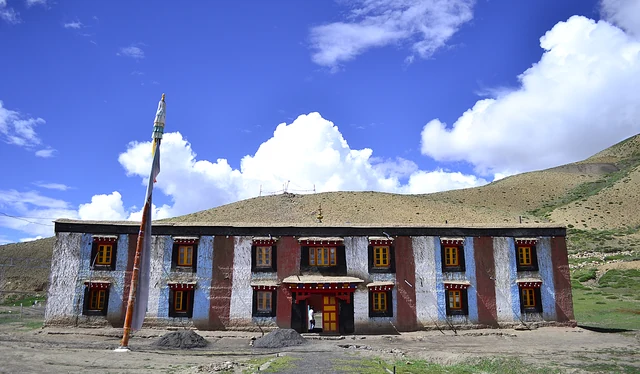
Photos: Navdeep Gusain (CC BY-SA 4.0) · Satdeep Gill (CC BY-SA 4.0) — via Wikimedia Commons, resized.
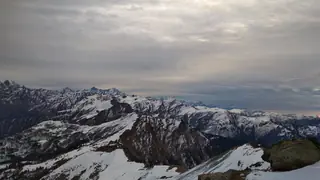
Uttarakhand Tourism names December and January as the best time for the trek from Chopta past the Tungnath temple to the summit of Chandrashila, when the route lies under snow. The temple itself is closed for the winter. Read the Chopta best-time guide and the Tungnath and Chandrashila pages, and copy the two-day Chopta plan.
Kedarkantha is a peak of about 3,800 m inside the Govind Wildlife Sanctuary in Uttarkashi district, walked from the village of Sankri. Its slopes climb through pine to deodar, oak and rhododendron between about 2,000 and 3,000 m, and Wikipedia lists the Himalayan black bear among its animals. Winter brings snow to the upper slopes; wildflowers follow in late March and April.
Dayara Bugyal is a high meadow of about 3.38 km², from about 2,600 m to 3,500 m, above the villages of Raithal and Barsu, about 40 km from Uttarkashi. The Uttarakhand Forest Department protects it as an alpine meadow. In winter it lies under snow, and Wikipedia says it stays reachable all year. Views run to Bandarpunch, Srikantha, Jaonli and Draupadi ka Danda. Each summer the people of Raithal hold their Butter Holi here, offered to Lord Krishna.
The Har Ki Dun valley, a cradle-shaped hanging valley at about 3,566 m, is snow-covered from October to March, Wikipedia says. Keep it for spring, summer or autumn.
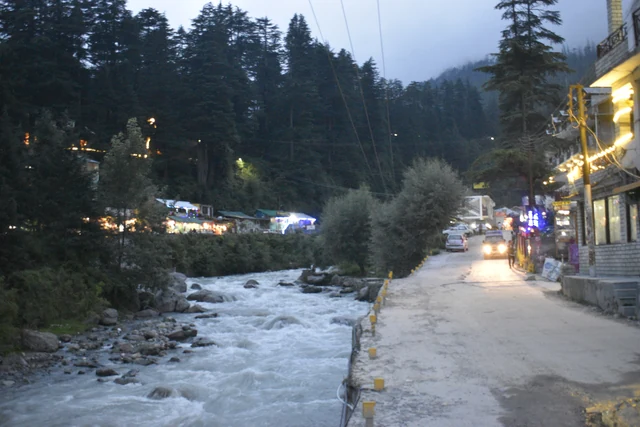
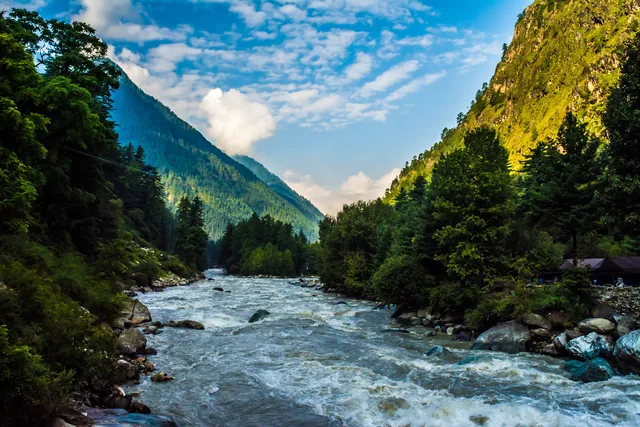
The state's official tourism site names December and January as the best time for the trek from Chopta past Tungnath to Chandrashila, under snow. Kedarkantha near Sankri and the Dayara Bugyal meadows above Raithal and Barsu are also walked in winter, when Wikipedia says Dayara lies under snow but stays reachable.
Not usually. Wikipedia says the Har Ki Dun valley, at about 3,566 m, is snow-covered from October to March, so it is better kept for spring, summer and autumn. For a winter walk with snow, look at Chandrashila, Kedarkantha or Dayara Bugyal instead, and always go with a local guide.
About 3,800 m, or 12,500 feet, by Wikipedia's figure. The peak lies inside the Govind Wildlife Sanctuary in Uttarkashi district, and its slopes carry pine, then deodar, oak and rhododendron between about 2,000 and 3,000 m. Wildflowers come out in late March and April, after the winter snow.