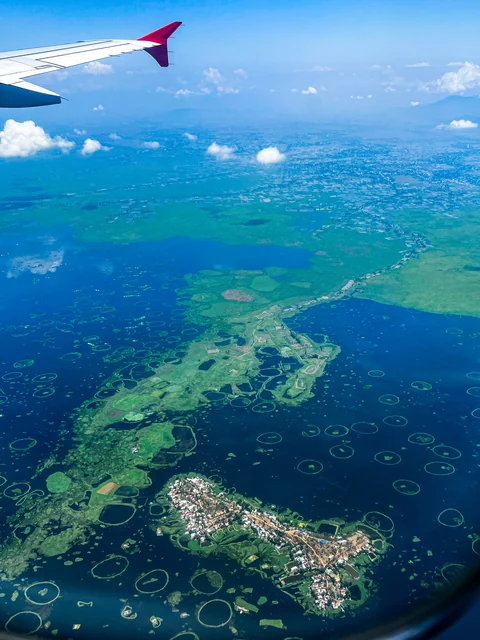
Loktak Lake and Keibul Lamjao — the national park that floats
Keibul Lamjao on Loktak Lake, Manipur, is called the only floating national park: phumdi mats of grass and soil, 80% underwater, home of the sangai deer.
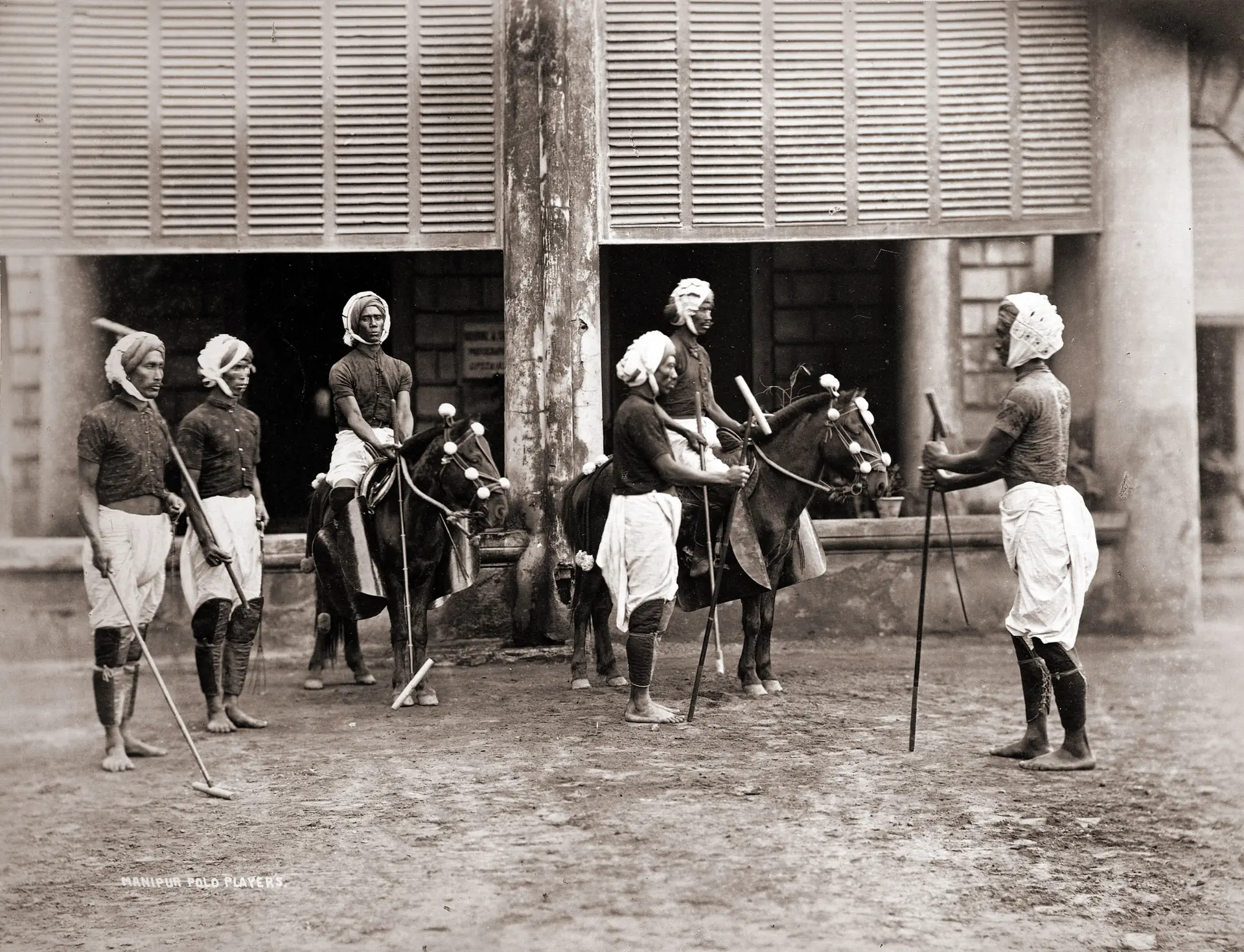
Polo looks like the most British of sports: clubs, colours, ponies and rules written in England. But the word, and the game the British first learned, came from Manipur. In Manipur, the names polo or pulu were used for the wooden ball the game is played with. When the sport spread west, the British kept the word and made it English.
In 1859 English tea planters set up a polo club at Silchar, in Assam, having learned the game from Manipuri incomers. In the same decade Joseph Ford Sherer, then a lieutenant, who later became known as the father of modern polo, visited Manipur and played on the polo ground at Imphal. British soldiers carried the game to England, and the British went on to spread polo around the world in the late nineteenth and early twentieth centuries.
The game they took away was not new to Manipur. There it is sagol kangjei, kangjei on horseback, one of three kinds of kangjei, or hockey, that Manipur plays. The royal chronicle records regular play under new rules from 1605, in the reign of King Khagemba.
Photos: Haoreima (CC BY-SA 4.0) · E.J. Mitchell, Esq (Public domain) — via Wikimedia Commons, resized.
Manipur still plays its own form of the game:
It was never a game only for the court. Anyone who owned a pony could play. The kings had a royal ground inside the walls of the Kangla fort, and public games were played on the outer ground just outside it, as they still are.
The Imphal Polo Ground, the Mapal Kangjeibung, is described as the oldest polo ground in the world. Its history is kept in the Cheitharol Kumbaba, the royal chronicle of Manipur. It is the ground where Sherer played in the 1850s, before the game reached England.
From the same corner of India, read about Loktak Lake and its floating national park. For another story where the famous version is not the whole truth, see the Khardung La sign and the Roopkund skeletons. Or browse every destination.

From Manipur. There the names polo or pulu were in use for the wooden ball the game is played with, and they were anglicised when the sport travelled west. The game itself is sagol kangjei in Manipur, which means kangjei on horseback, one of three kinds of kangjei, or hockey, played there.
English tea planters learned it from Manipuris and set up a polo club at Silchar, in Assam, in 1859. Joseph Ford Sherer, then a lieutenant and later called the father of modern polo, played on the Imphal ground in the 1850s. British soldiers took the game to England, and the British spread it across the world.
Seven a side, on the small Manipuri pony. There are no goalposts: a goal is scored when the ball is sent over the line at either end. Players hit the ball with the side of the mallet's head rather than its tip, sticks are cane, and balls are made from bamboo roots. Anyone who owned a pony could play.
In Imphal. The Imphal Polo Ground, the Mapal Kangjeibung, is described as the oldest polo ground in the world, and its history is kept in the royal chronicle of Manipur, the Cheitharol Kumbaba. Public games have been held at the outer ground just outside the Kangla fort, and still are.