Loktak Lake and Keibul Lamjao — the national park that floats
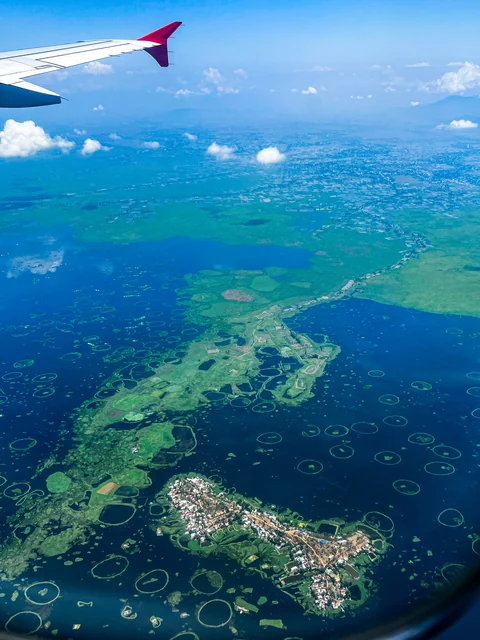
Keibul Lamjao on Loktak Lake, Manipur, is called the only floating national park: phumdi mats of grass and soil, 80% underwater, home of the sangai deer.
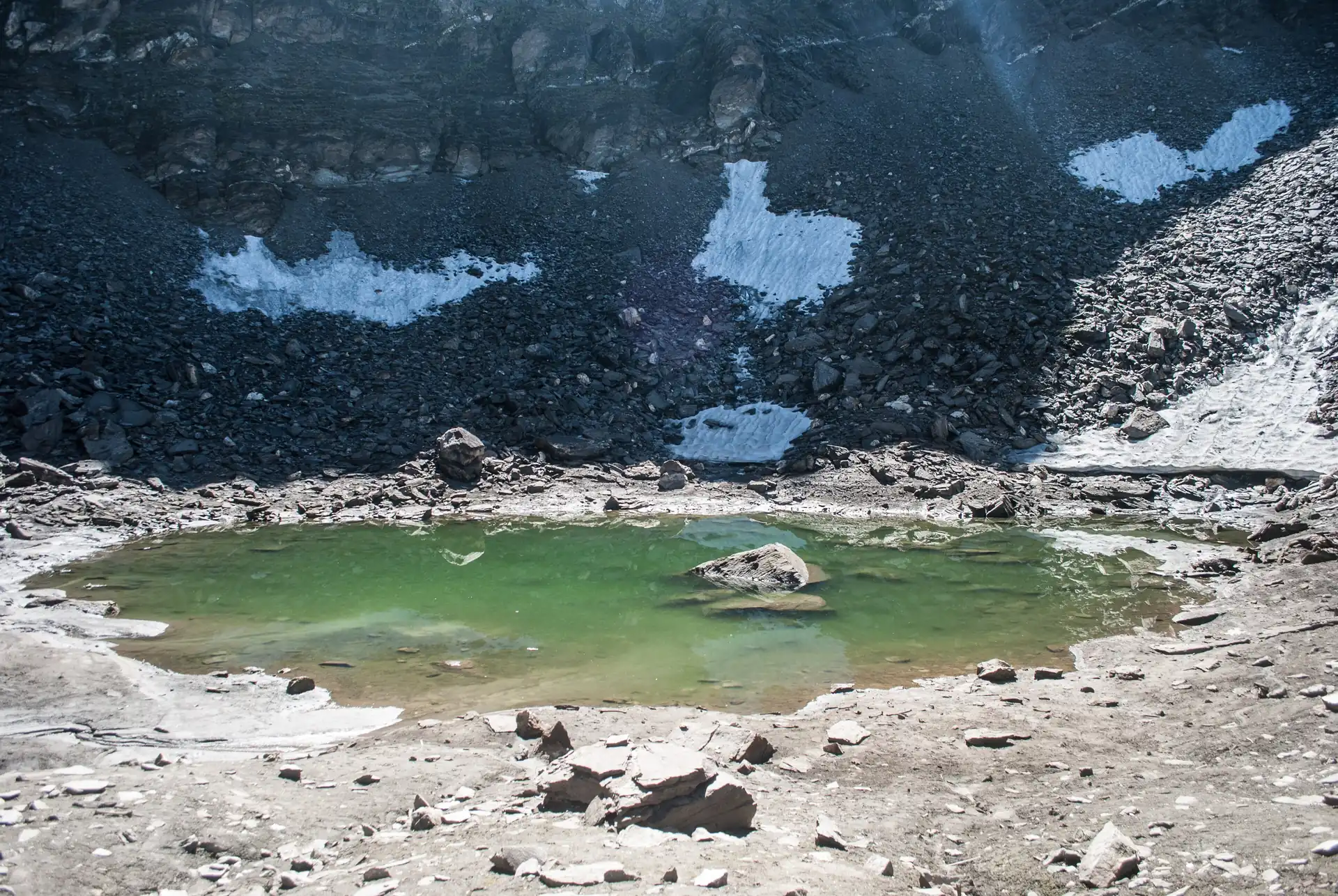
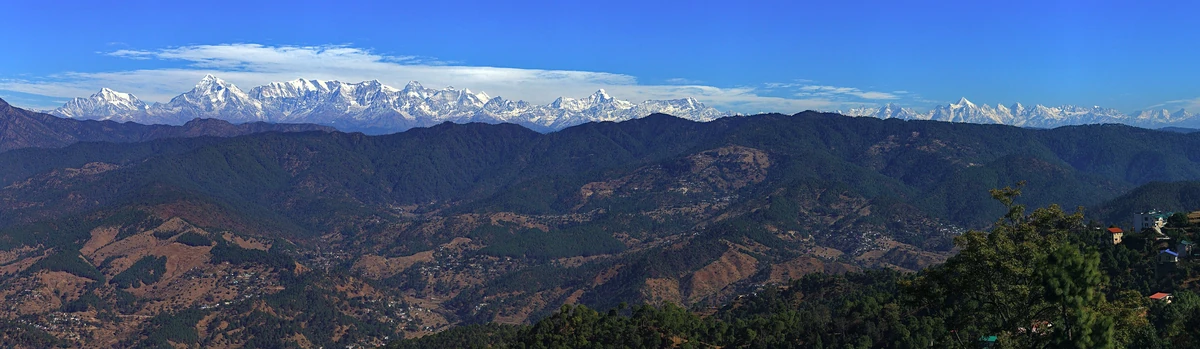
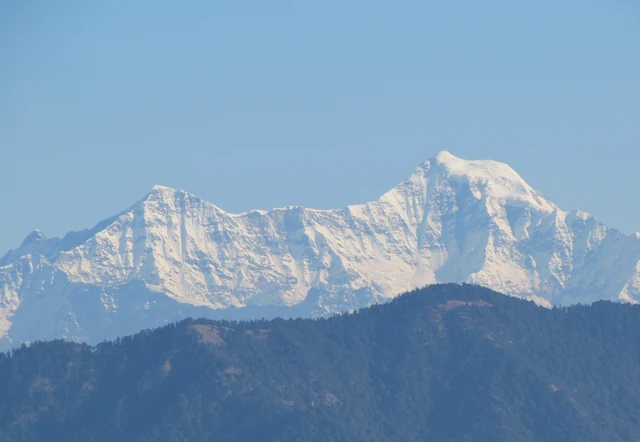
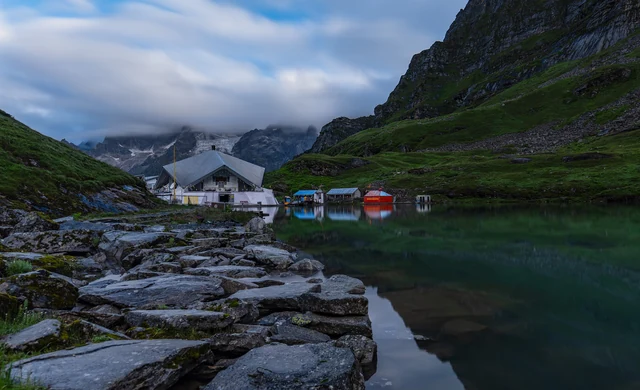
High in Chamoli district of Uttarakhand, below the peaks of Trishul and Nanda Ghunti, sits a small glacial lake called Roopkund. When the snow melts, bones show at its edge and under its shallow water: the remains of several hundred people. For a long time one story explained them. A single party, caught by a single hailstorm, died together in a single night.
The local telling makes it a royal pilgrimage. A king of Kanauj, Raja Jasdhaval, set out for the shrine of Nanda Devi with his queen, servants and a troupe of dancers, and a storm of great hailstones killed them all near the lake. Studies of the bones in the last century found head injuries that some read as blows from above, which seemed to fit. A radiocarbon date gave one time of death, in the ninth century. One event, one cause, one date.
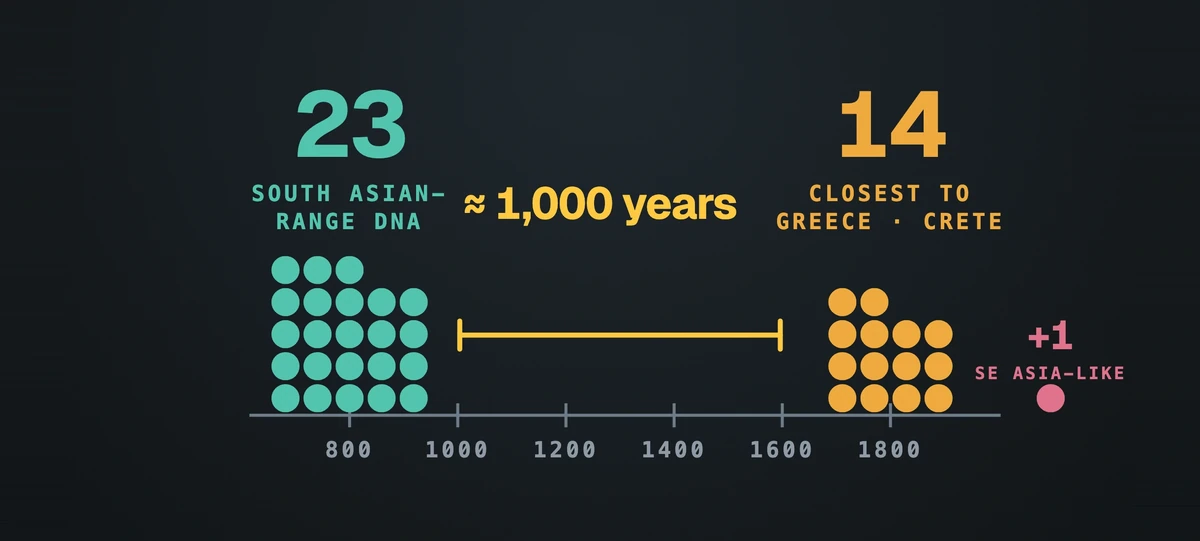
In 2019 a team writing in Nature Communications read genome-wide DNA from 38 of the skeletons and dated 37 of them directly. The people did not belong together:
So the bones were laid down in at least two separate events, about a thousand years apart. The single storm cannot be the whole answer.
Photos: Schwiki (CC BY-SA 4.0) · Abhijith Shastry from Bangalore, India (CC BY 2.0) — via Wikimedia Commons, resized.
The study is careful, and this page tries to be too. It does not say the second group came from Crete; its authors write that the results by no means imply that. It does not say how anyone died. It offers a pilgrimage as one possible reason for some of the older group to be on this route, and it calls the later group a puzzle. Who those fifteen people were, and why they climbed to a Himalayan lake around 1800 CE, is still not known.
Roopkund is a trekking destination, reached over the meadows of Bedni Bugyal, but its status changes. Check with the Uttarakhand forest department before you plan a trek, and treat the site as a grave: the district has asked for the bones to be protected, and visitors have been carrying them away.
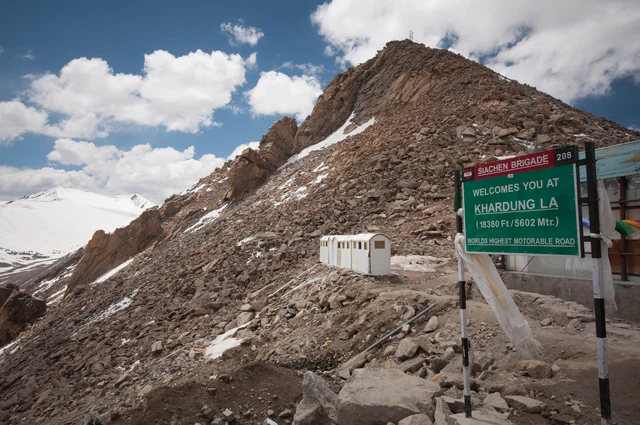
For another famous number that turned out wrong, read the Khardung La sign. Our Uttarakhand guides start at Joshimath, Badrinath and Kedarnath, with Chopta and Munsiyari for the high meadows. Or browse every destination.
No. That was the old story: one party, one night, one hailstorm. In 2019 a study in Nature Communications read genome-wide DNA from 38 skeletons and dated them. It found three distinct groups, and the radiocarbon dates show the remains were laid down in at least two separate events, about a thousand years apart.
The study found 23 people whose ancestry falls within the range of present-day South Asians, dated to around 800 CE. Fourteen had ancestry typical of the eastern Mediterranean, closest to people living today in mainland Greece and Crete, and one had Southeast Asian-related ancestry. Those fifteen date to around 1800 CE.
The paper says plainly that its results do not mean that group came from the island of Crete. Genetically they sit closest to present-day people of mainland Greece and Crete, which points to a region, not a home town. Why they were at a Himalayan lake around 1800 CE is still not known.
Roopkund is a trekking destination in Chamoli district, but whether the trail is open, and on what permits, changes. Confirm the current status with the Uttarakhand forest department before you plan anything. The district has also asked that the bones be protected: never move or take any of them.