
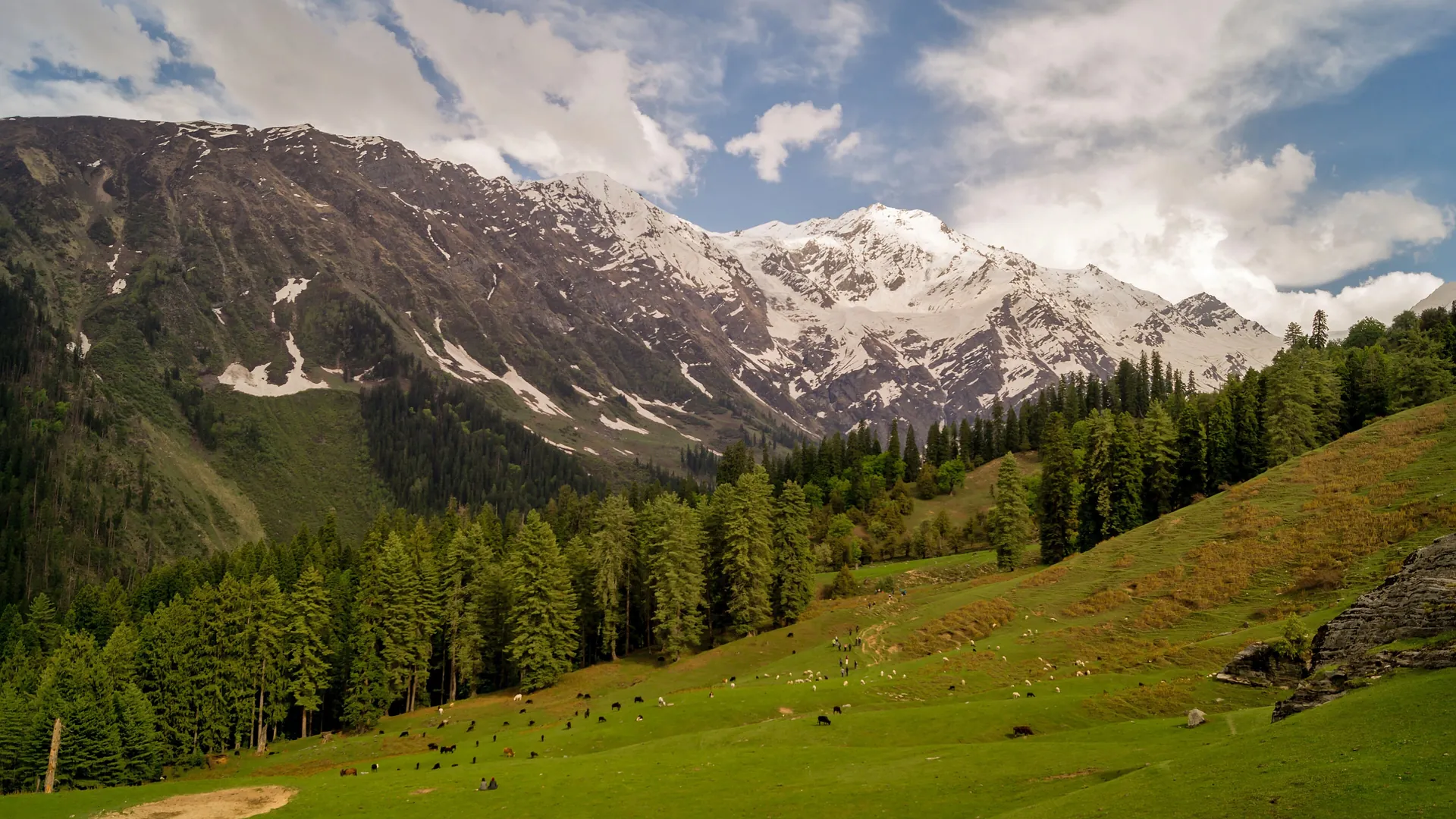
The Great Himalayan National Park from the Tirthan side — permits, the ecozone, the gate at Rolla, and what the park asks of a visitor
What the park is
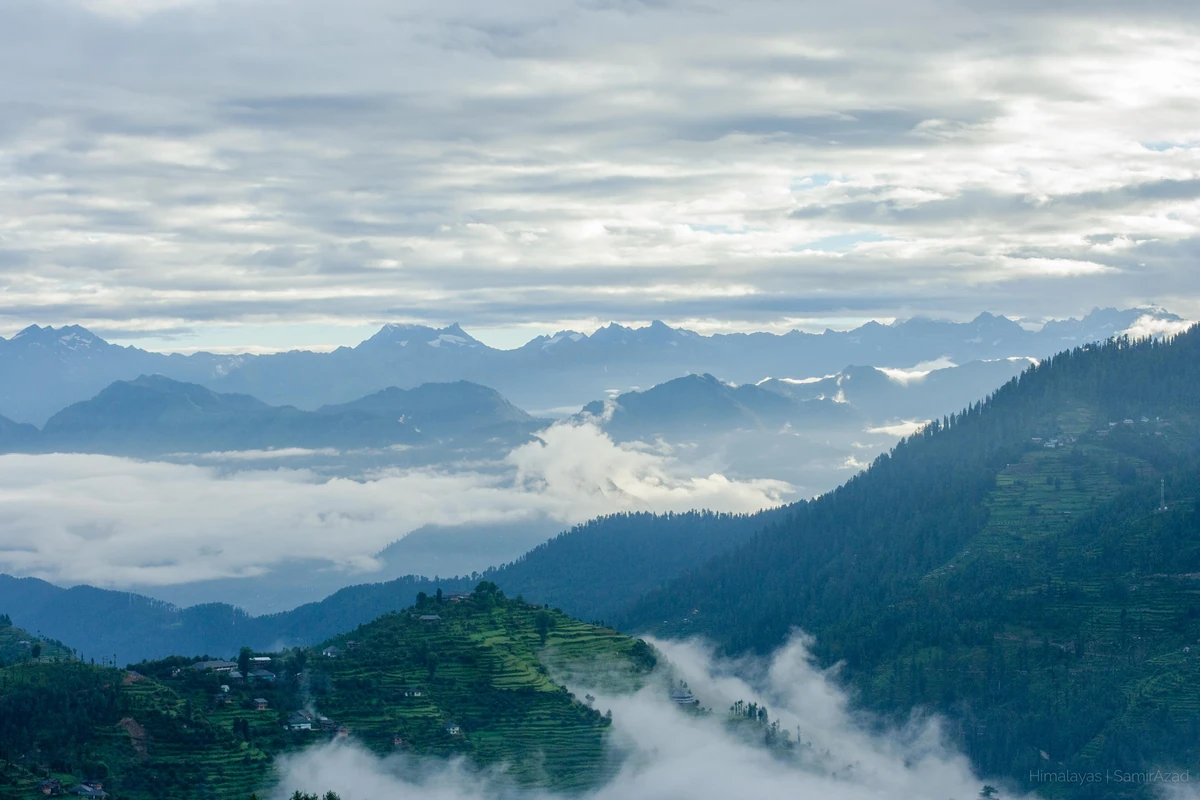
A national park in the Banjar sub-division of Kullu, established in 1984 and added to the UNESCO World Heritage list in 2014 for its biodiversity, with no road inside it and its Tirthan-side gate a day's walk above the bridge at Gushaini. Its ground runs from forest at the bottom to peaks and glaciers at the top. Its rules are its own: entry by permit, a guide and an approved route past the gate, nothing motorised, and areas closed to visitors by notice when the park decides. This page is how that works from the Tirthan side, and what a visitor can honestly do.
Photos: Pbhuker007 (talk · contribs) (CC BY-SA 4.0) · Samir Azad (CC BY-SA 4.0) · Ankitwadhwa10 (CC BY-SA 4.0) · Photos Worldwide (CC0) — via Wikimedia Commons, resized.
The office at Sai Ropa
The park's Tirthan-side range office is at Sai Ropa, 10 minutes from Banjar on the river road, with a nature-interpretation centre and a rest house beside it. The permit is issued here on the day: an entry fee the park fixes and changes, with separate charges for still and video cameras. The park's own site says to check the current rate with the office, and we do not print a number that the office may have changed. A guide is arranged here too, typically ₹1,500–2,500 a day as of September 2026, and a porter ₹800–1,200. The office keeps office hours; be there before lunch, and take the permit the day before the walk rather than the morning of it.
The ecozone — no permit
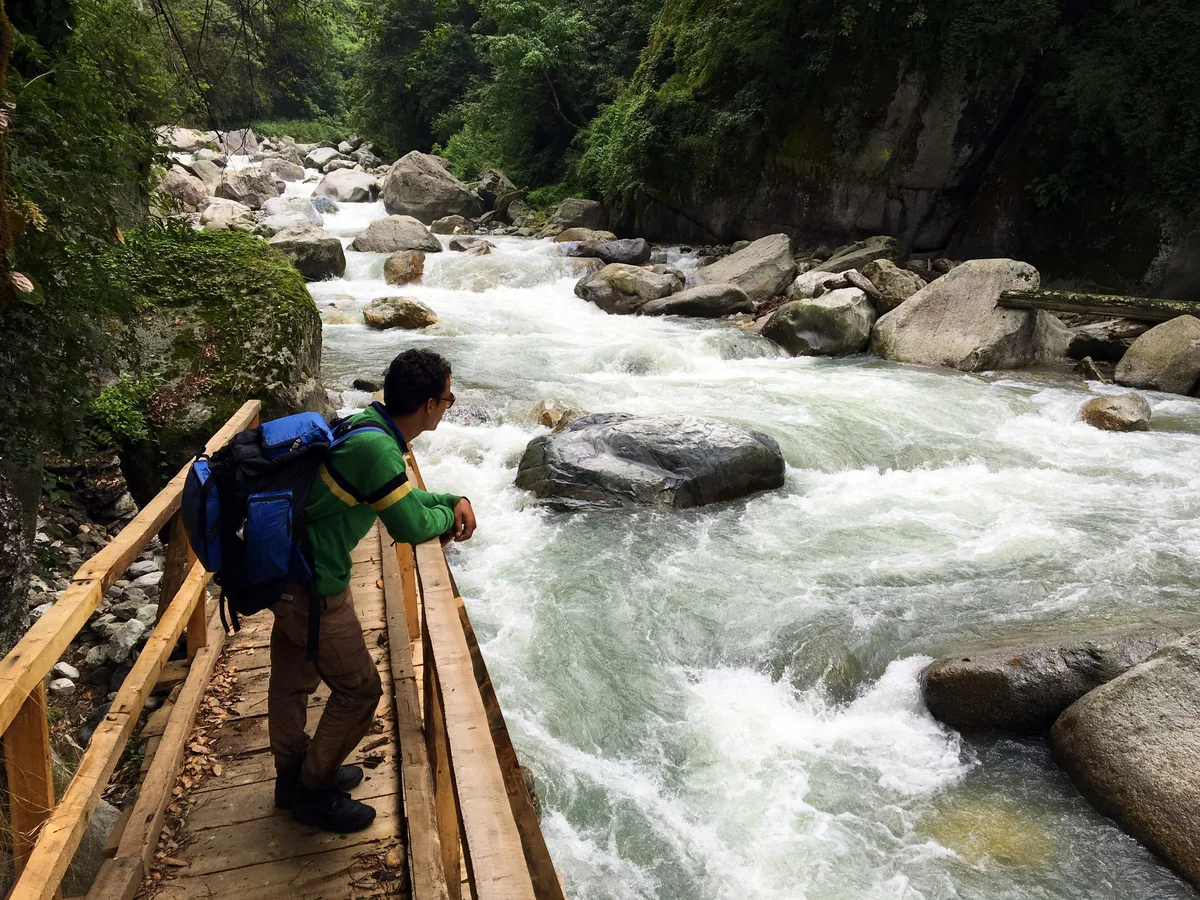
Between the villages and the park boundary lies the ecozone, forest with village paths through it: the paths behind Sai Ropa, the river path from the bridge at Gushaini up towards the gate, the climbs to Pekhri and the Chhoie waterfall above Nagini. None of it needs a permit. A day on foot from Gushaini to the park's gate at Rolla and back, with a guide, is the walk most visitors mean when they say they have been to the park; the ecozone walks plan is built around it.
Beyond the gate — the treks
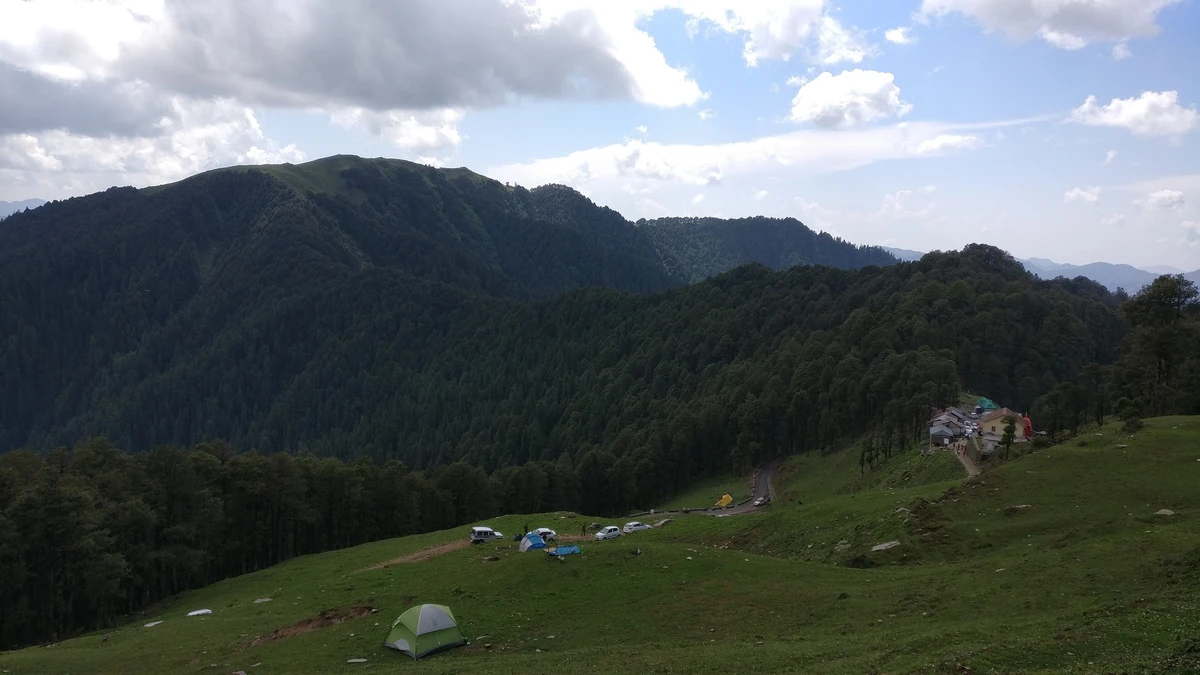
Past Rolla the park's own treks begin: to Shilt and the high camps above, multi-day walks with a tent, a guide, porters and the office's approval of the route. They are strenuous, the park says so, and the weather drops without notice; insurance for evacuation is the park's own advice for anyone staying more than a day. The office's list of treks, and its word on which areas are open, is where a plan for them starts — not this page, which does not pretend they are day walks.
The rules, in plain words
Entry by permit, checked at the gate. A guide and an approved route for anything inside. Nothing motorised past the bridge. Cameras declared and paid for. No fires, no litter, no noise; the park is a habitat first and a walk second. Carry the day's water and food — there is nothing to buy past the last houses — and be back at the bridge before the light goes.
When
April to June and September to November for the walks. The monsoon closes the paths and the leeches take the forest; winter puts the high areas under snow, though the office and the museum stay open. The park's site asks visitors to check current conditions before starting, and that is the honest last word on any date.
The other gate
The Sainj valley, north of the Tirthan over the ridge, has its own range office at Ropa and its own gate; the meadow at Shangarh, 47 km and 82 minutes from Banjar by road, is that side's day out. This guide is the Tirthan side's.
Plans that include this
All Banjar itineraries →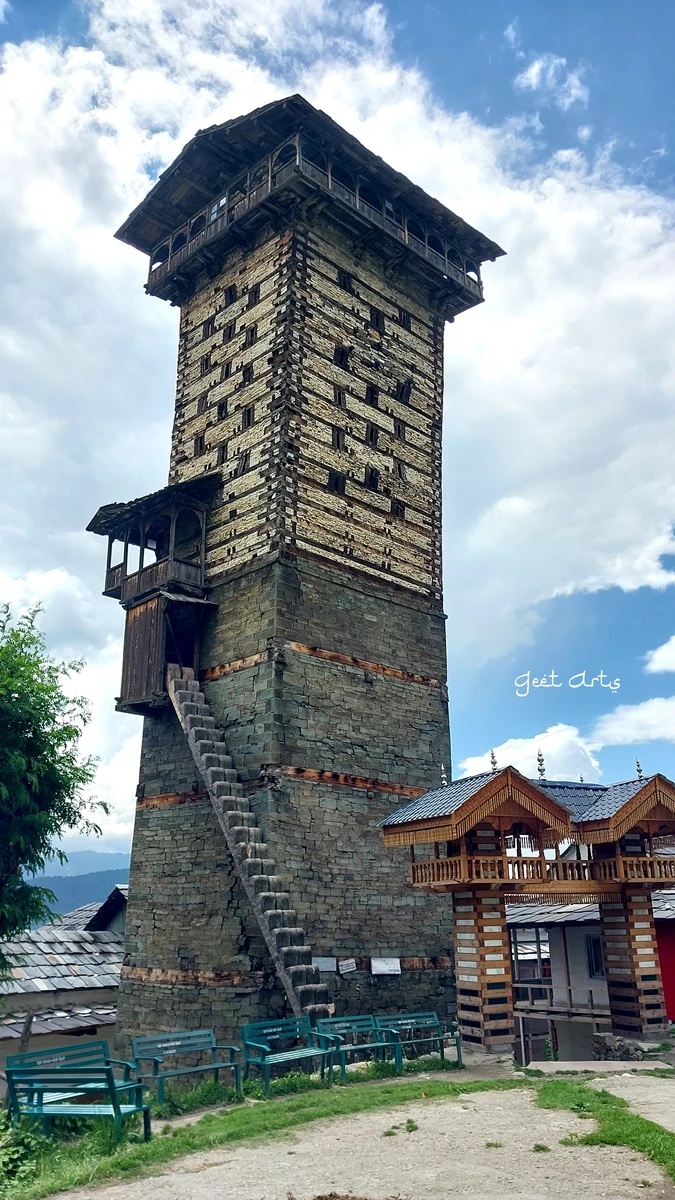 Day plan · First visitTemples & heritage
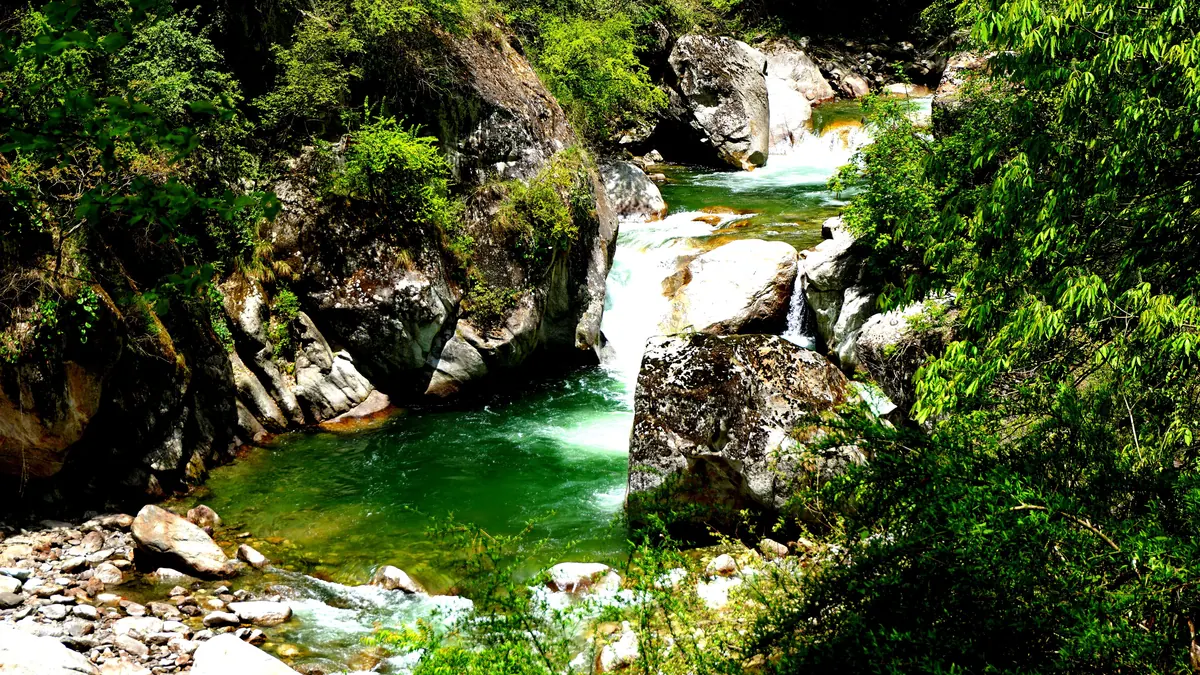 1 night · 2 days · First visitClassic
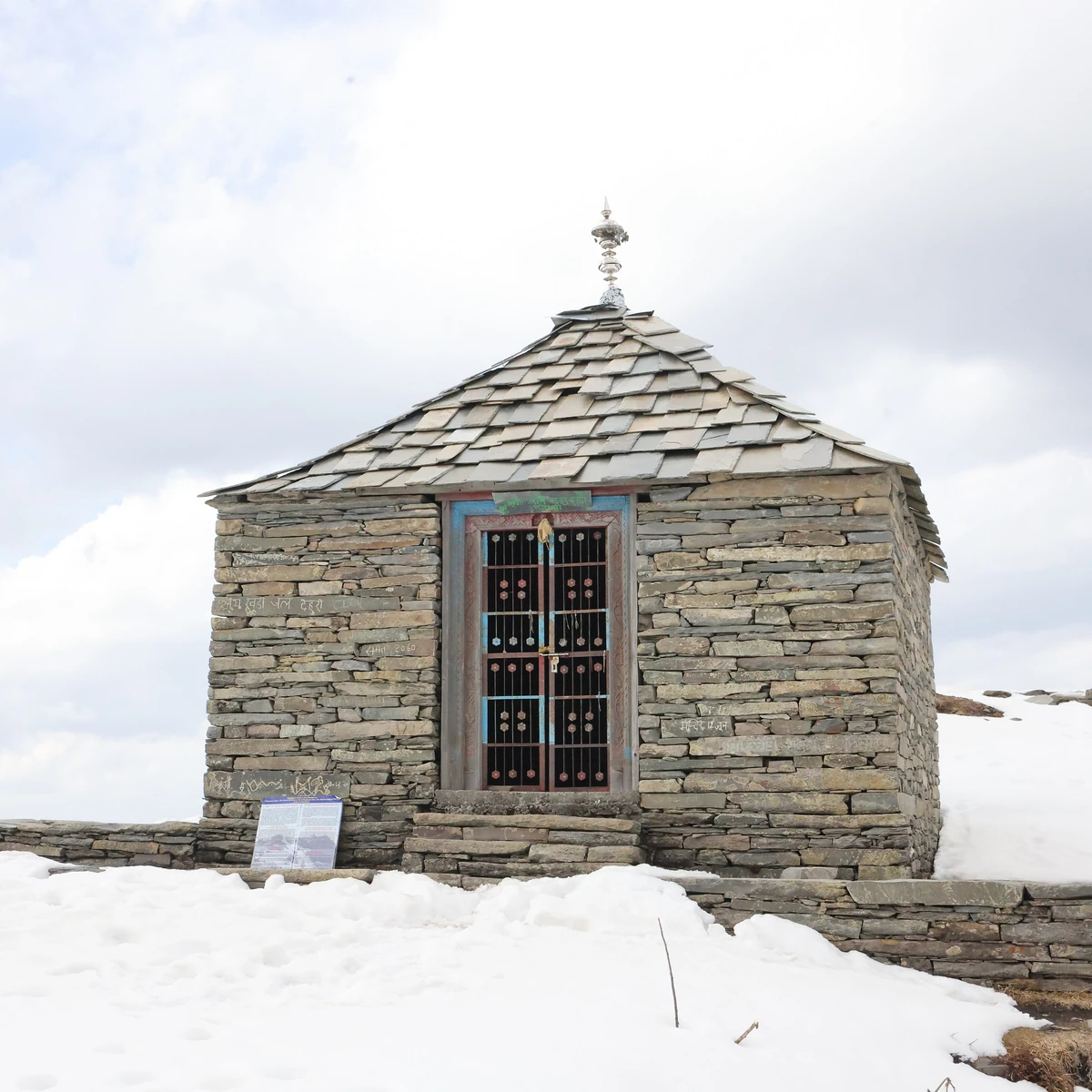 1 night · 2 days · First visitWalks & treks
 2 nights · 3 days · Slow travelCafés & food
 2 nights · 3 days · First visitClassic
 2 nights · 3 days · Slow travelMonsoon
Questions people ask
How do I get a permit for the Great Himalayan National Park?
At the park's range office at Sai Ropa on the Tirthan side, 10 minutes from Banjar, on the day: an entry permit with separate charges for cameras and a fee the park fixes and changes. A guide and an approved route are required past the gate. The office keeps office hours and closes areas by notice.
Can you visit the Great Himalayan National Park without trekking?
Yes, in the way the park allows: the ecozone forest between the villages and the park boundary — the paths behind Sai Ropa and the river path from Gushaini — needs no permit and is a day on foot. The museum at Sai Ropa explains the park in half an hour. No road reaches the park's interior.
When is the Great Himalayan National Park open?
Most of the year, with the monsoon's paths closed and its high areas under snow in winter; the park's site says to check current conditions and call the authorities before starting, and it closes selected areas to visitors by notice. April to June and September to November are the months the Tirthan side's walks work.