
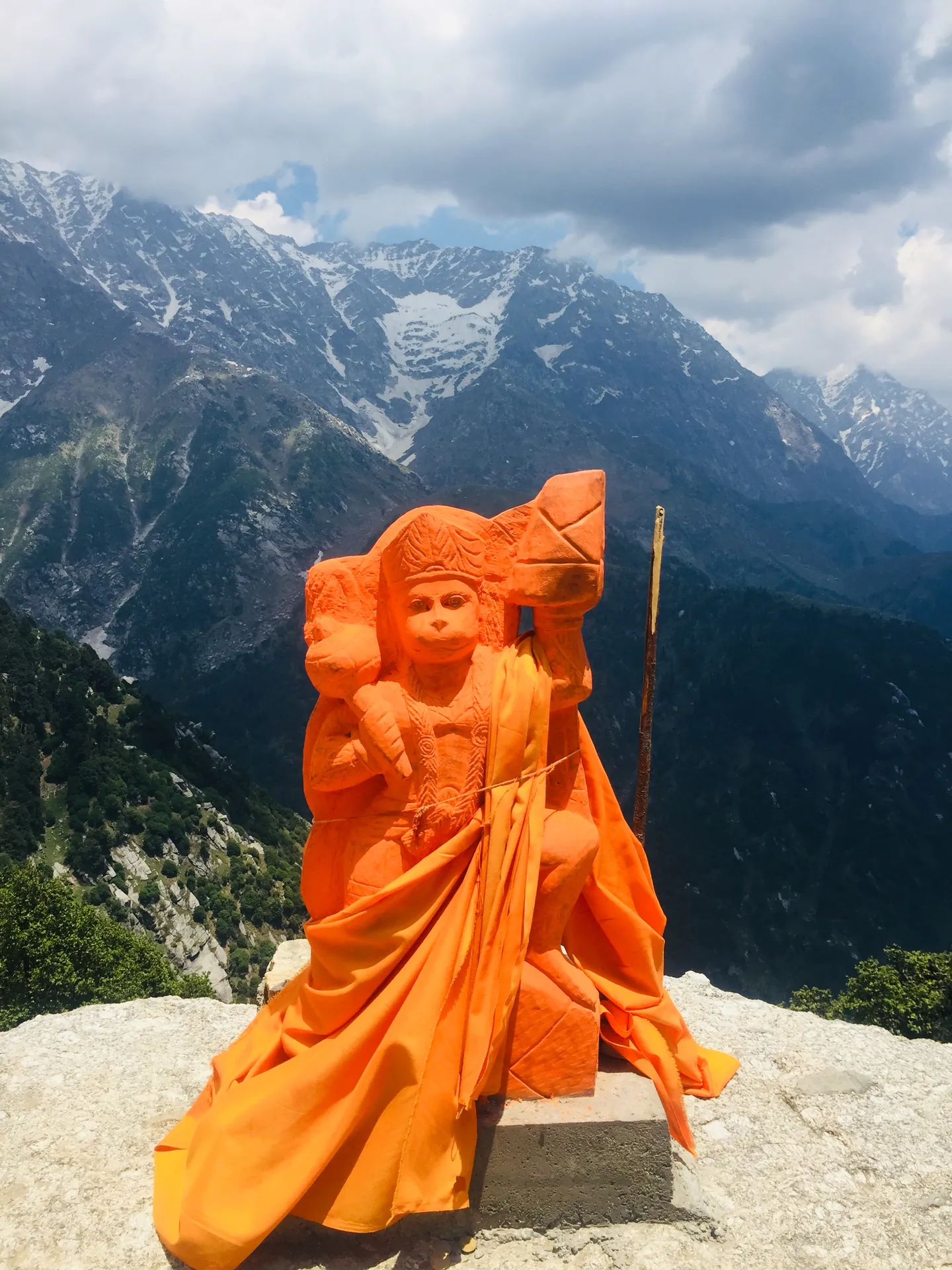
The Triund trek — a complete guide
The trek in brief
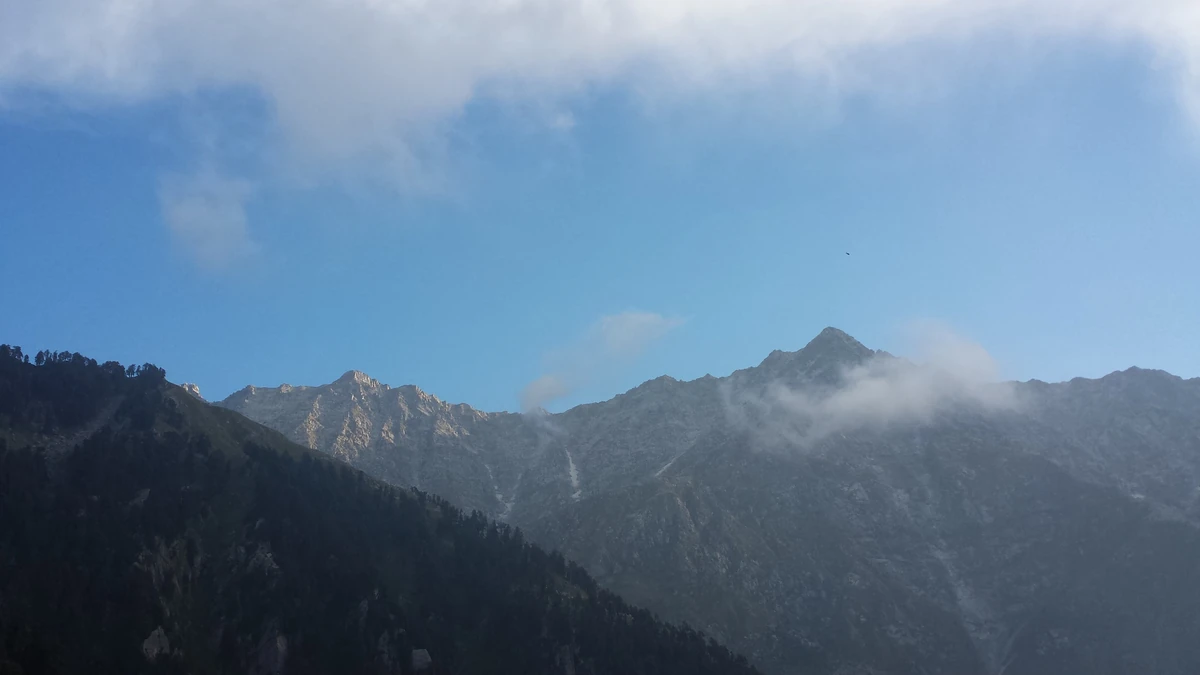
Triund is the single most-climbed trail out of McLeod Ganj, and for good reason: about nine kilometres of steady uphill ends at a ridge with the Dhauladhar range rising directly in front of it, no foothills in between. No permit, no technical skill, just a real, sustained climb.
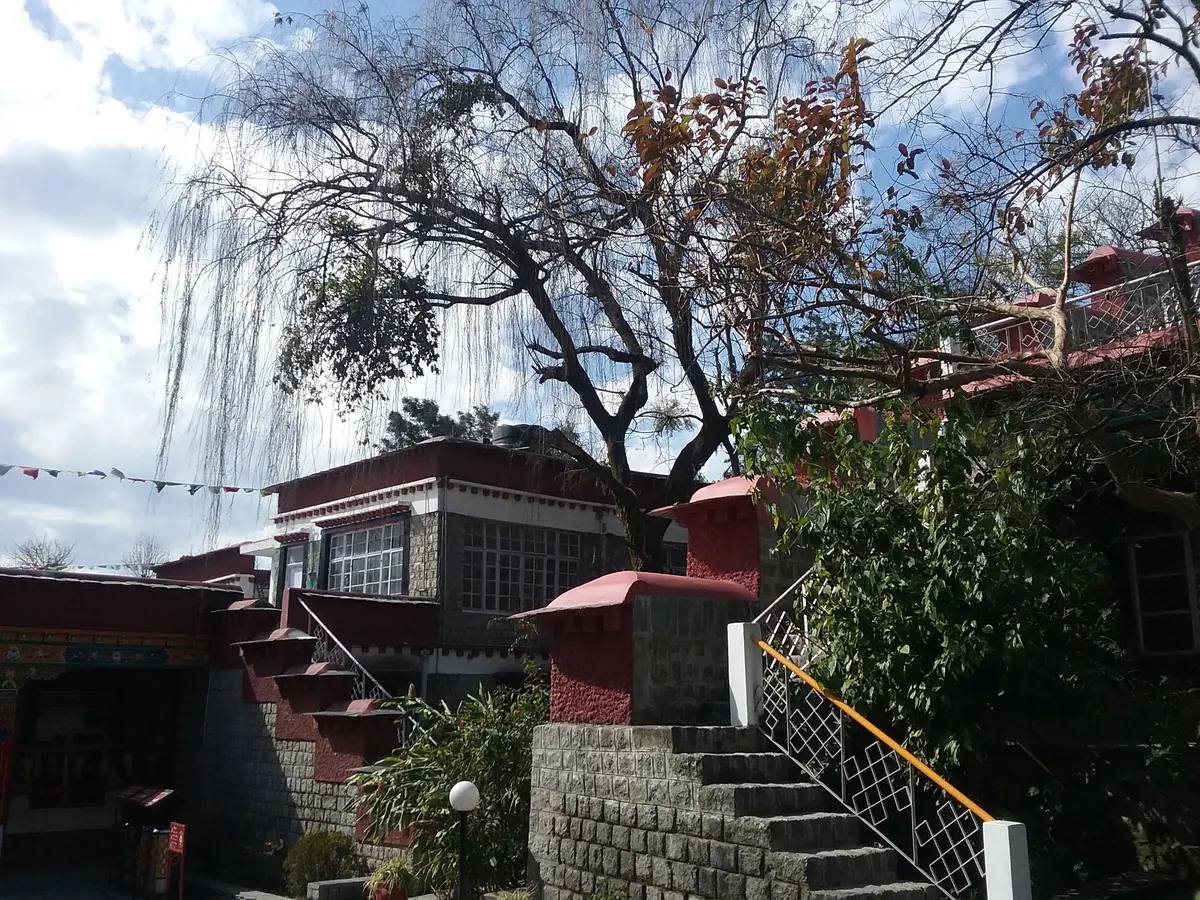
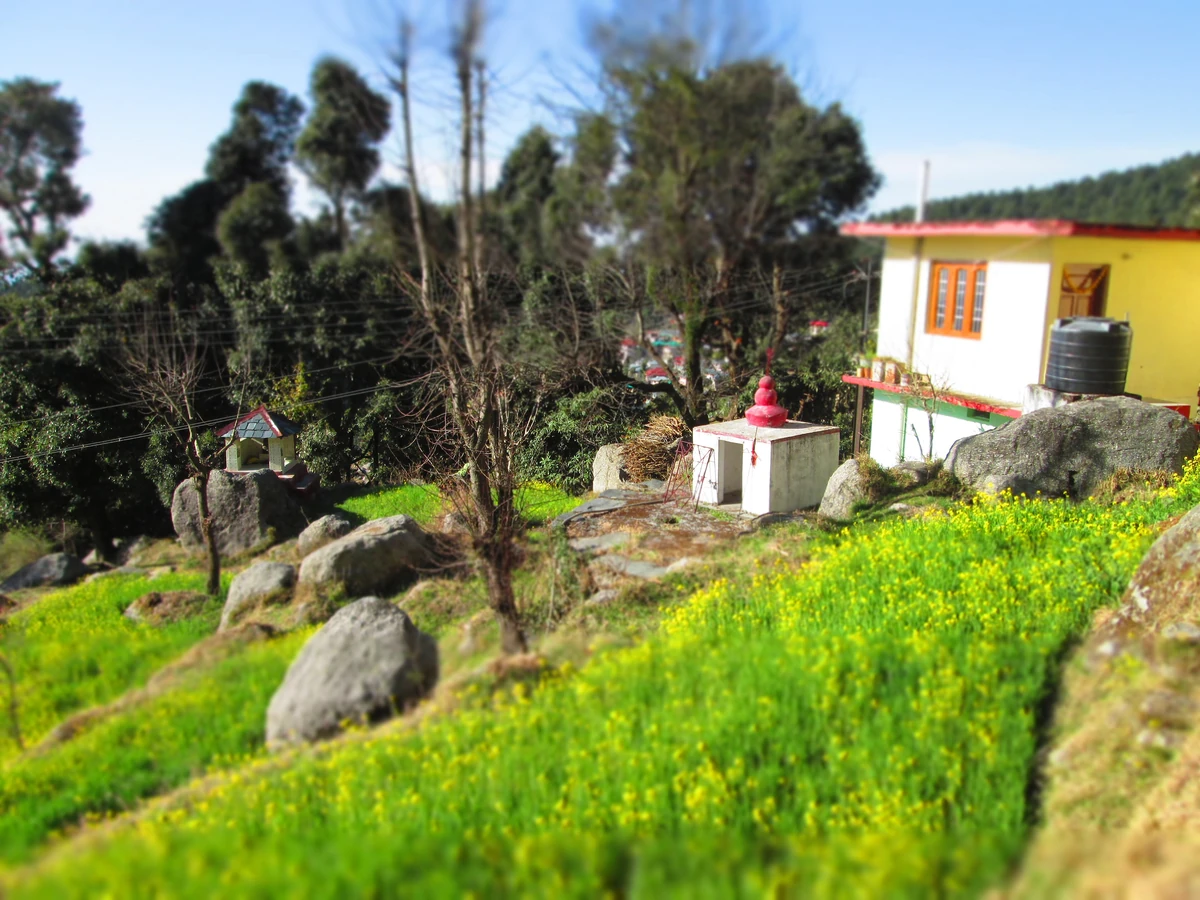
Photos: Rickard Törnblad (CC BY-SA 4.0) — via Wikimedia Commons, resized.
The route
The trail starts in McLeod Ganj itself and climbs through Dharamkot before the gradient properly begins. There's no vehicle access beyond town — the entire route is on foot, and starting from Dharamkot rather than McLeod Ganj shortens the walk somewhat, though most published trek-time figures are quoted from McLeod Ganj.
Timing and difficulty
Most sources agree on roughly nine kilometres and four to five hours up, three hours back down. It's continuous rather than technical — no scrambling, no exposed sections — but the sustained gradient means fitness matters more than prior trekking experience. Basic tea stalls operate partway up in season; carry more water than feels necessary rather than counting on them being open.
Day trip or overnight camp
Both are common practice. A single long day, up and back down before dark, suits anyone tight on time. Camping at the top — tea-stall tents or your own gear — adds a sunrise over the range without the early start, at the cost of carrying or hiring warmer layers for a night that gets genuinely cold even in the warmer months.
When to go
March to June and September to November for the clearest views and driest trail. The monsoon (July–September) brings landslip risk and can hide the range in cloud for days at a stretch, even after a successful climb. Winter (December–February) brings snow to the ridge, which some hikers deliberately seek out — proper boots and layers are essential then, not optional.
What to carry
More water than seems necessary, a headtorch if there's any chance of a late descent, layers for the ridge-top wind regardless of season, and cash for the tea stalls, which don't take cards. A porter, hired locally and inexpensively, is worth it for anyone who'd rather climb without a full pack.
Plans that include this
All Dharamshala itineraries →
Questions people ask
How long is the Triund trek?
About nine kilometres each way, with most walkers taking four to five hours up and roughly three hours to descend, based on figures multiple current trekking sources agree on. It's a continuous, steady climb the whole way, with no technical sections.
Do I need a permit or guide for Triund?
No permit is required, and the trail is well-marked and heavily walked, so most people manage without a guide. Hiring a local porter for your bag is common and inexpensive for anyone who'd rather climb without the extra weight.
Can Triund be done as a day trip, or should I camp?
Both are common. A day trip means starting by 6:30–7am to be back before dark; camping at the top adds a sunrise over the Dhauladhar range without the pre-dawn start, at the cost of carrying or hiring gear for the night.