Best time to visit Sikkim and Darjeeling — month by month, with India Meteorological Department weather for Gangtok and Darjeeling
Sikkim and Darjeeling month by month: IMD highs, lows and rain at Gangtok and Darjeeling, the official spring and autumn windows, the monsoon and snow.
Sikkim's height runs from the tropical south to the snow of the north, so there is no one best month. This guide uses the India Meteorological Department normals for 1991–2020 that Wikipedia prints for Gangtok, at about 1,650 m, and for a Darjeeling station at 2,128 m, and adds the seasons the Sikkim Tourism site gives. The state is the most humid part of the Himalaya, says the site, because it faces the Bay of Bengal and the southern monsoon.
March to May: spring, with the rhododendrons and orchids, and mild, sunny days.
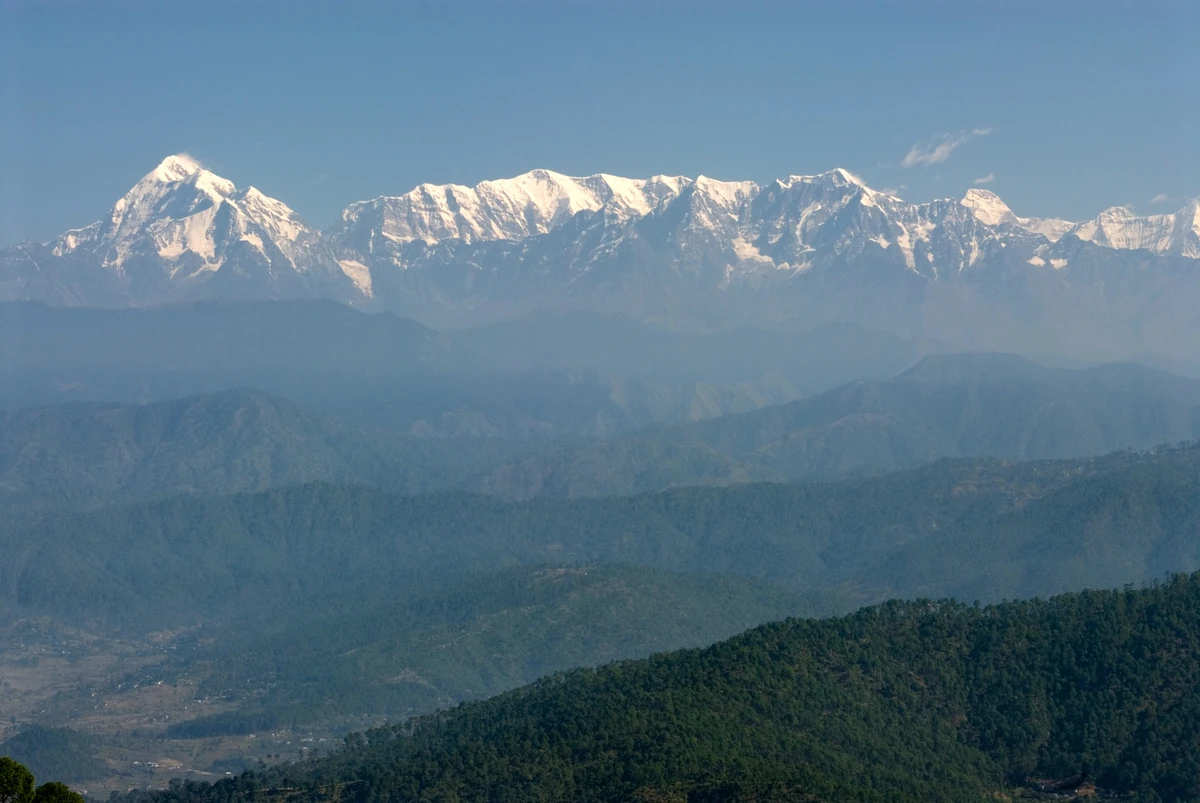
October to mid-December: autumn, with the clearest views of the range.
June to September: the monsoon, with landslides and fewer visitors. July is the wettest month in most places, says the official site, and the highest annual rainfall in the state may pass 5,000 mm.
January to March: winter, with snow on the high ground and sub-zero nights; the site gives a range of minus 5 to 7 °C.
Month by month
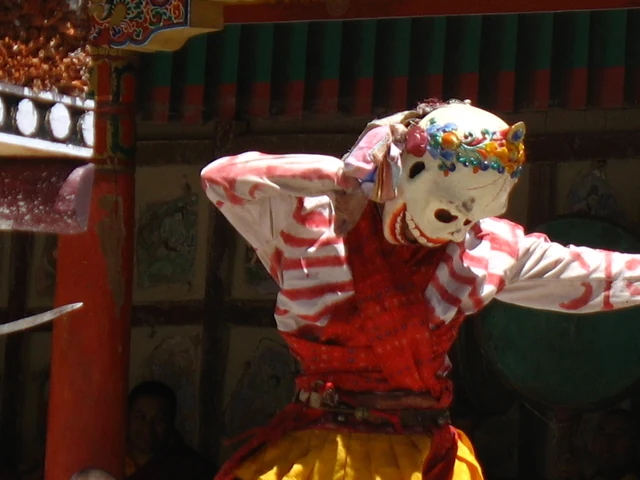
January. Gangtok: high 12.4 °C, low 5.5 °C, rain 26.2 mm. Darjeeling: high 11.1 °C, low 1.7 °C, rain 10.8 mm. Cold and dry with fog at Gangtok. The official site lists Losoong, Losar, Maghey Sankranti and Gutor Cham in the winter months of January to March.
February. Gangtok: high 14.3 °C, low 7.3 °C, rain 53.6 mm. Darjeeling: high 12.4 °C, low 3.1 °C, rain 11.4 mm. Still dry. Snow blankets the high ground, and Tsomgo Lake can stay frozen, sometimes into May, by Wikipedia, so the road to the lake and Nathu La can close.
March. Gangtok: high 17.7 °C, low 10.1 °C, rain 133.2 mm. Darjeeling: high 15.9 °C, low 6.0 °C, rain 26.4 mm. Rain begins to climb. Spring runs from March to May on the official site, with rhododendrons and orchids; it lists the Flower Festival for March and April.
April. Gangtok: high 20.4 °C, low 12.7 °C, rain 333.3 mm. Darjeeling: high 18.6 °C, low 9.0 °C, rain 89.0 mm. Sunny and mild at Gangtok, by Wikipedia. One of the two good windows the official site names, March to May, for blossom in Gangtok.
May. Gangtok: high 21.4 °C, low 14.9 °C, rain 496.1 mm. Darjeeling: high 19.3 °C, low 10.8 °C, rain 160.3 mm. The monsoon builds. Wikipedia names April and May a peak tourist season at Darjeeling.
June. Gangtok: high 22.0 °C, low 17.1 °C, rain 647.0 mm. Darjeeling: high 19.8 °C, low 12.8 °C, rain 419.1 mm. The monsoon: heavy rain, and landslides that often cut the roads into Gangtok. The official site says it brings roaring waterfalls and fewer tourists.
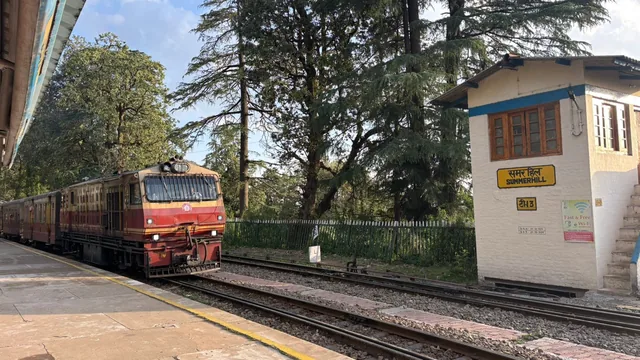
July. Gangtok: high 21.6 °C, low 17.7 °C, rain 655.2 mm. Darjeeling: high 19.5 °C, low 13.4 °C, rain 648.5 mm. The wettest month in most places in Sikkim, says the official site. Landslides often disrupt road and rail around Darjeeling.
August. Gangtok: high 22.1 °C, low 17.7 °C, rain 547.5 mm. Darjeeling: high 19.9 °C, low 13.5 °C, rain 529.8 mm. Still the monsoon. The official site counts 184 rainy days a year at Gangtok and 100 at Thangu. Check the road each morning.
September. Gangtok: high 21.5 °C, low 16.7 °C, rain 427.7 mm. Darjeeling: high 19.5 °C, low 12.7 °C, rain 385.2 mm. The rains ease. Wikipedia names September to November a peak tourist season at Darjeeling. Pang Lhabsol is usually held in September at Ralang near Ravangla.
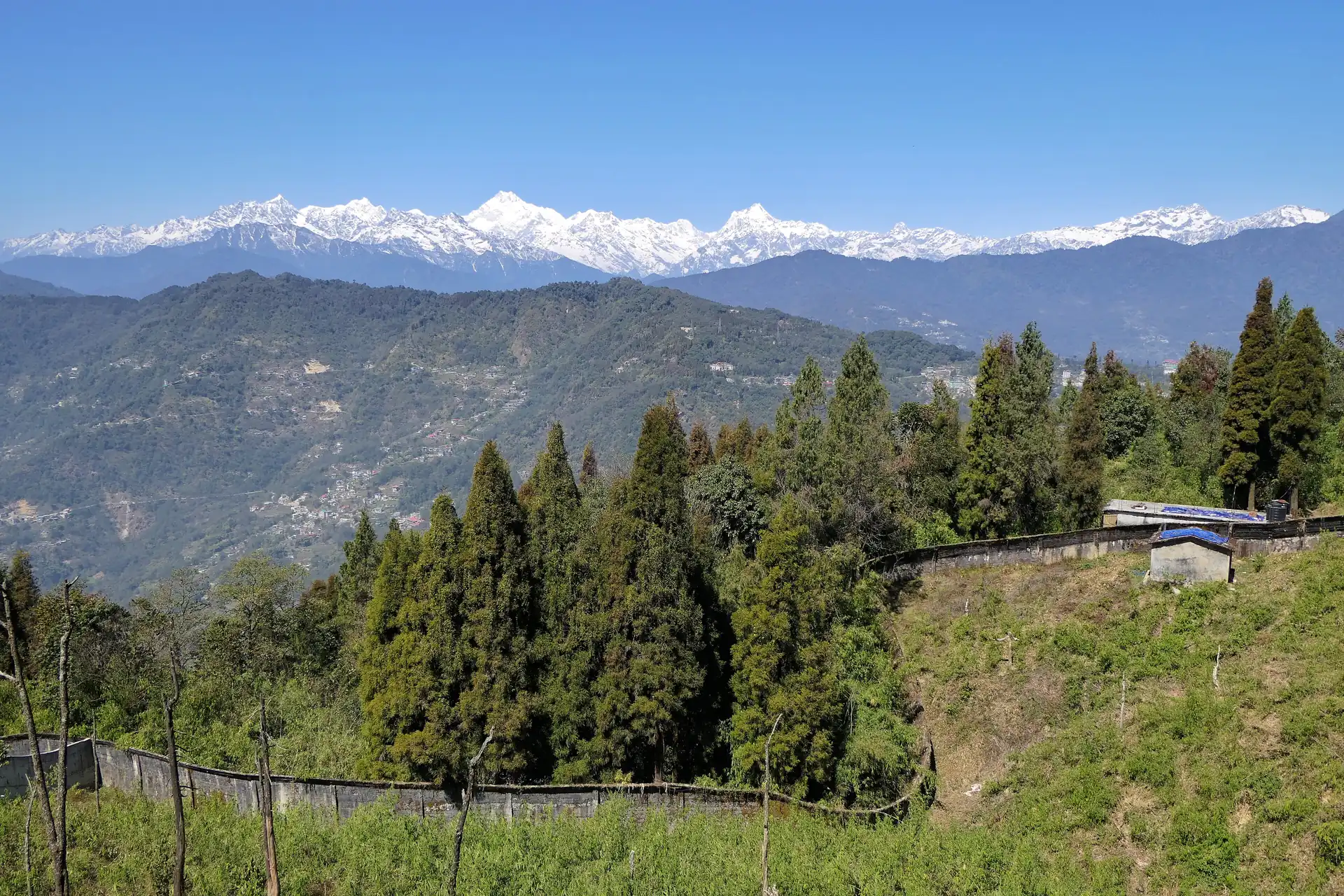
October. Gangtok: high 20.4 °C, low 13.8 °C, rain 174.3 mm. Darjeeling: high 19.4 °C, low 9.9 °C, rain 78.8 mm. The clear weeks: Darjeeling's view from Chowrasta is clearest in October and November. The official site names October to mid-December for crisp views of the Himalayan range.
November. Gangtok: high 17.2 °C, low 10.2 °C, rain 36.9 mm. Darjeeling: high 17.2 °C, low 6.2 °C, rain 11.2 mm. Dry and clear. Wikipedia says flowers bloom at Gangtok in November and December.
December. Gangtok: high 14.1 °C, low 7.2 °C, rain 16.0 mm. Darjeeling: high 13.7 °C, low 3.5 °C, rain 2.8 mm. Cold and very dry. The official site lists a three-day music festival at Mangan in December, and Kagyed ends at Ralang in early December.
Snow and the high north
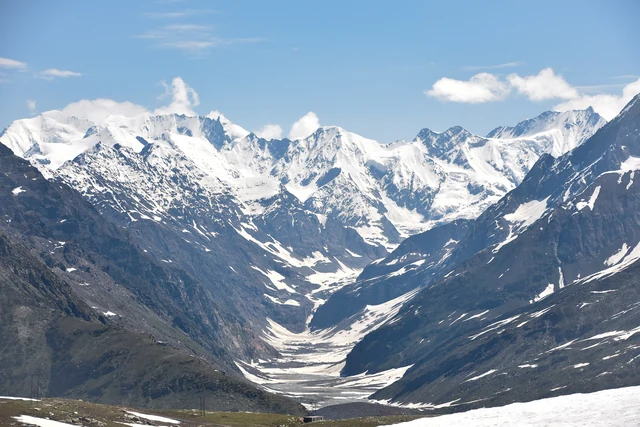
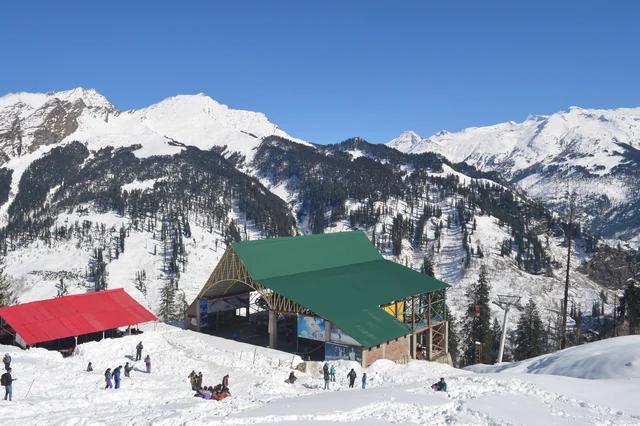
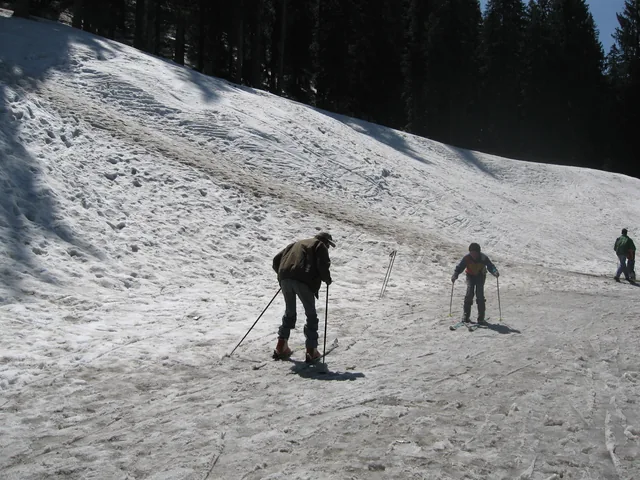
The site says that snow lingers to the end of March in most places. The high places are Nathula, Tsomgo Lake, Gurudongmar Lake, Yumthang, Zero Point and Zuluk; most need a permit, so read the Sikkim permit guide and the North Sikkim guide. Temperatures near Kanchenjunga can fall to minus 32 °C.
What to plan around
Check the road on the day in the monsoon; slides, not rain, are what delay you. For each town, read its own guide: Gangtok, Darjeeling, Ravangla and Pelling.
Been here?Help the next traveller — our team checks every contribution.
Questions people ask
What is the best time to visit Sikkim?
The Sikkim Tourism site names two windows: spring, March to May, when rhododendrons and orchids bloom, and autumn, October to mid-December, for crisp and clear views of the Himalayan range. The monsoon, June to September, brings landslides that often close the roads into Gangtok. Winter is cold, with snow on the high ground.
What is the best month to visit Darjeeling?
Wikipedia names September to November and April to May as the two peak seasons. The view of the peaks from Chowrasta is clearest in October and November, so that is the best window for the Tiger Hill sunrise. About four-fifths of the rain falls from June to September, and landslides can disrupt road and rail.
When does it snow in Sikkim?
From about January to March, says the Sikkim Tourism site, with snow lingering to the end of March in most places. It lists Nathula, Tsomgo Lake, Gurudongmar Lake, Yumthang, Zero Point and Zuluk as the snow places, and puts the snow line at 6,100 m in the south and 4,900 m in the north.