Kibber
town · 3.8 km away
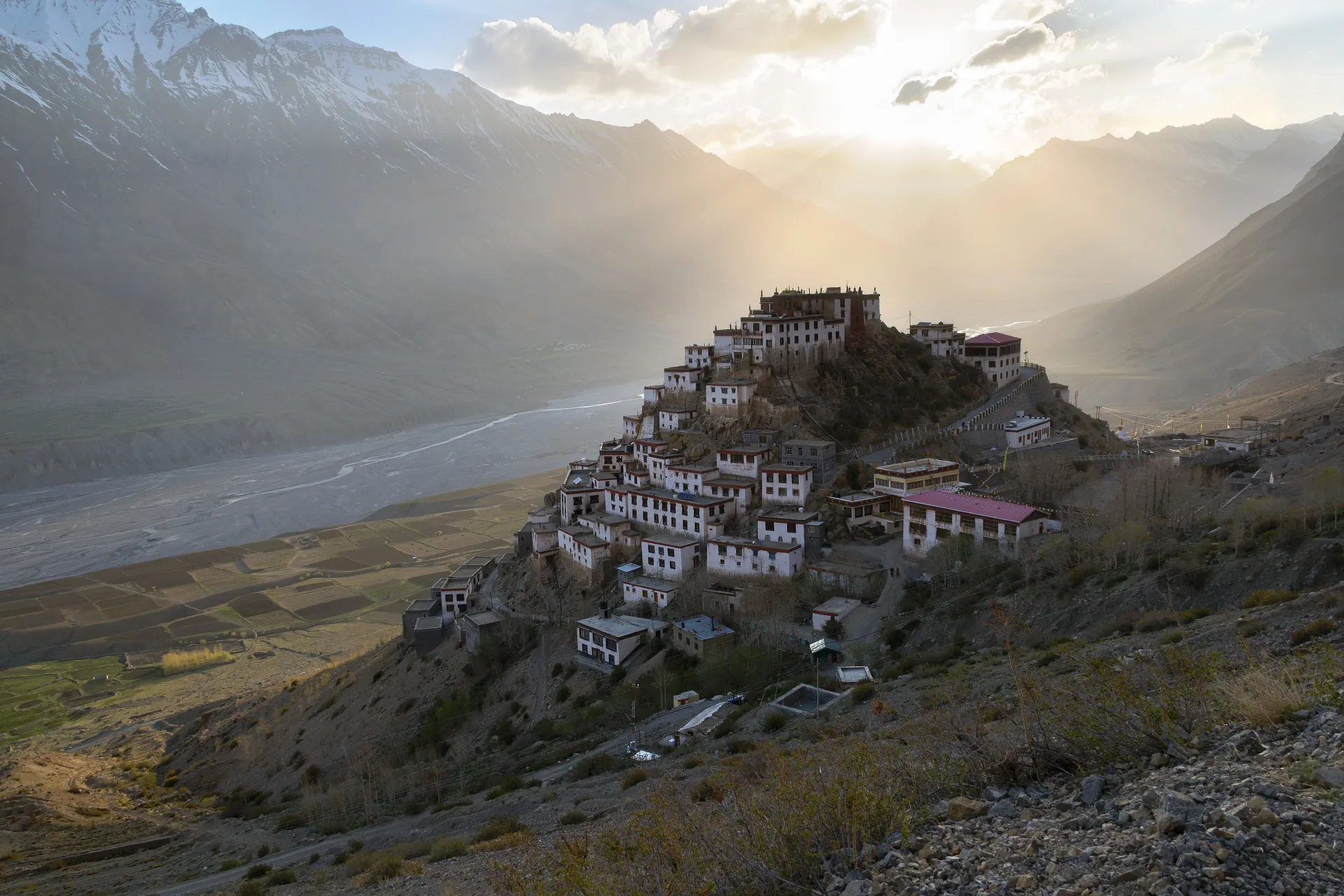
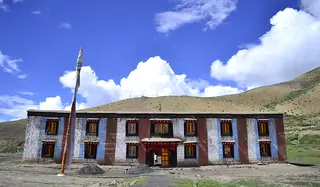
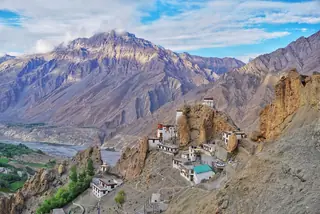
Spiti's largest monastery, also spelled Ki Gompa, Kye or Kee, on a hilltop close to the Spiti River above Kaza. Founded in the 11th century by a pupil of the teacher Atisha, it has served as a training centre for lamas for most of its history — reportedly with around 100 monks in 1855.
Photos: Mike Shaw (CC BY-SA 4.0) — via Wikimedia Commons, resized.
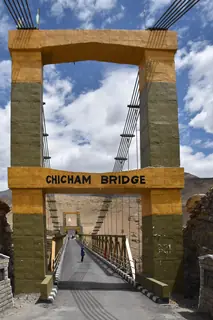
A drive of about half an hour from Kaza, on the same road that continues to Kibber and Chicham Bridge.
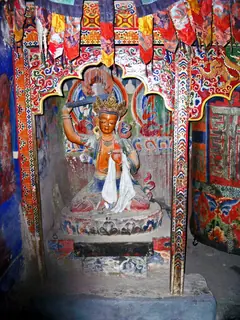
The monastery is built up the hillside in stacked, whitewashed blocks connected by narrow stepped walkways — a labyrinth rather than a single hall. It's dedicated to the 24th reincarnation of Rinchen Zangpo, the great translator, and remains an active training centre for lamas today. Most visits run an hour, longer for anyone who lingers on the roof terraces for the valley view.
> from mid-morning onward.
June to September, the main season the road stays reliably open in both directions. The monastery itself is visitable whenever the road to Kaza is open.
Kibber and Chicham Bridge continue further along the same road. Kaza is a short drive back down.
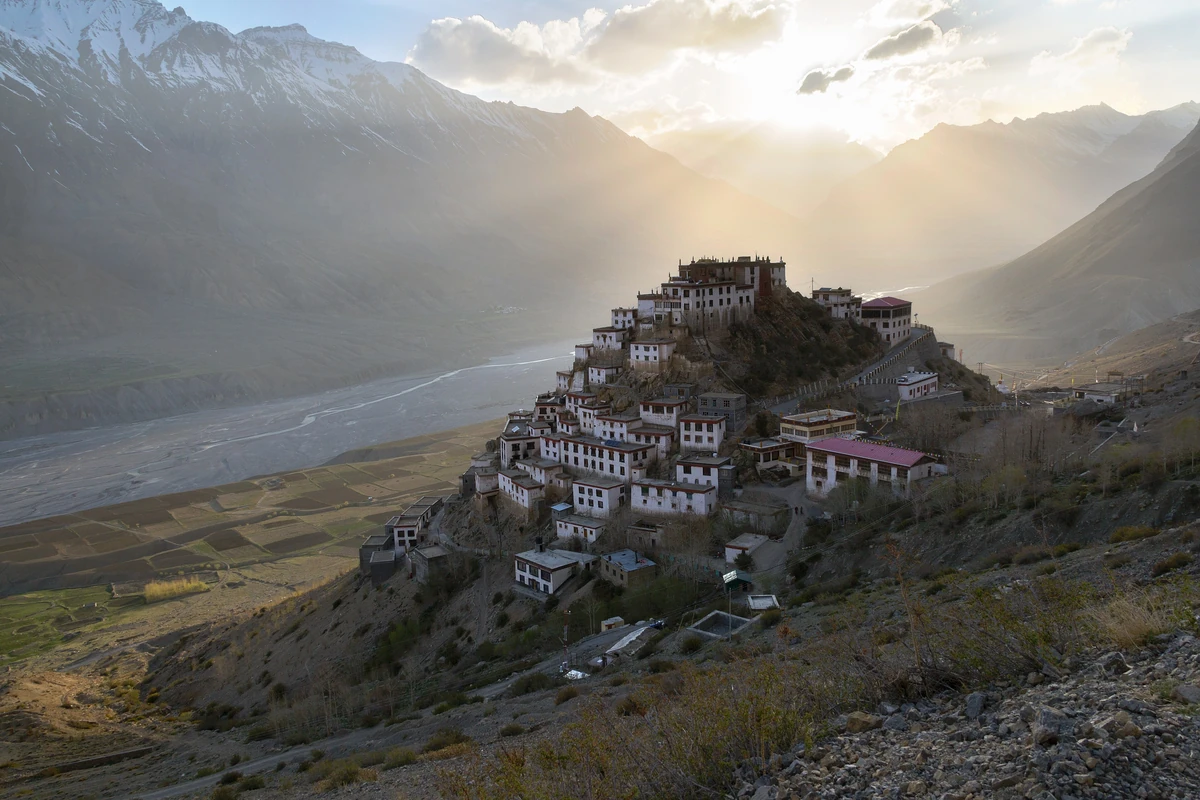
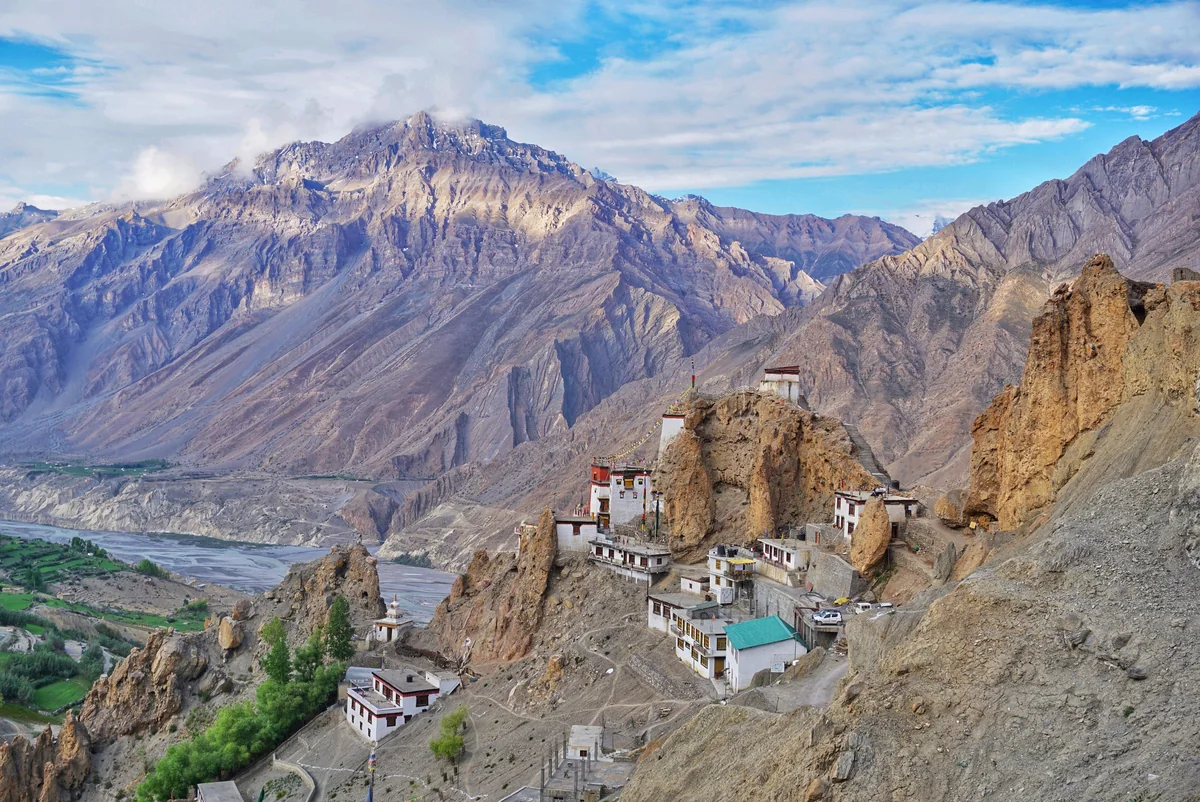
About 31 minutes by road, roughly 15 km, on a hilltop above the Spiti River. It's usually the first stop on a Kaza monastery day, before continuing on to Kibber and Chicham Bridge further along the same road out.
Being the largest gompa in the valley and a longstanding place where lamas train, said to have housed around 100 monks in 1855. It's dedicated to the 24th reincarnation of the great translator Rinchen Zangpo, a figure revered across the region.
Yes — it's an active place of worship, and visitors are welcome to walk its stepped halls and courtyards. A modest donation is customary, though nothing is required to enter or look around respectfully at any time of day the monks are present.