
Manali in January and February — the real winter, and how to use it
The winter proper
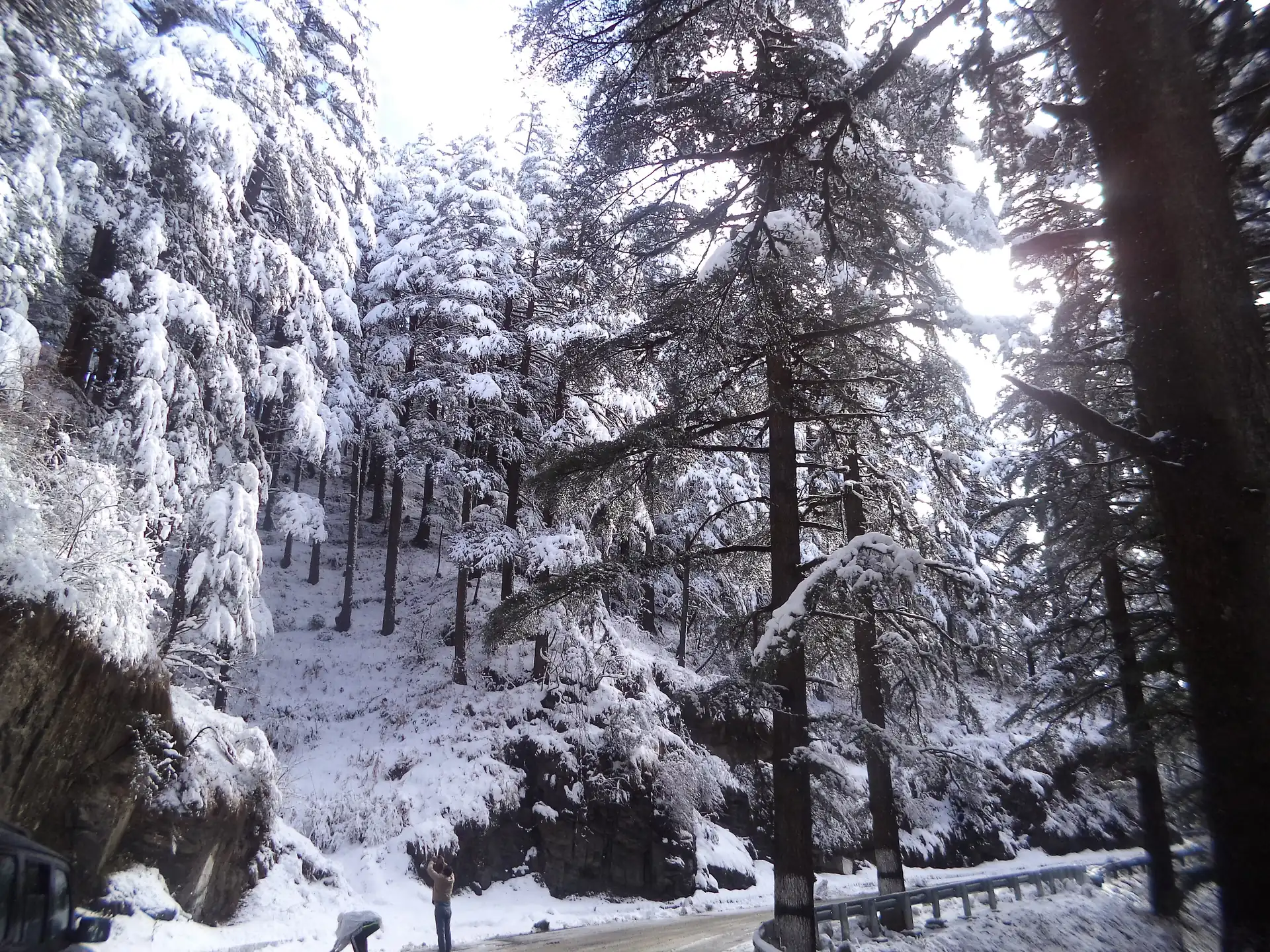
December is the month people come for snow and find it an hour up the road; January and February are the months the snow comes to stay. January is the coldest of the year on the IMD normals — days around 10 °C, nights below freezing — and February is a degree or two milder with more of it. The snow that fell and melted in December settles now. On the Solang road; on the meadow at Gulaba where the plough stops; on the far side of the tunnel at Sissu, where it lies deep until spring; and in the town some weeks, on the deodars and the temple roofs. It is Manali's real winter, and it is worth the cold.
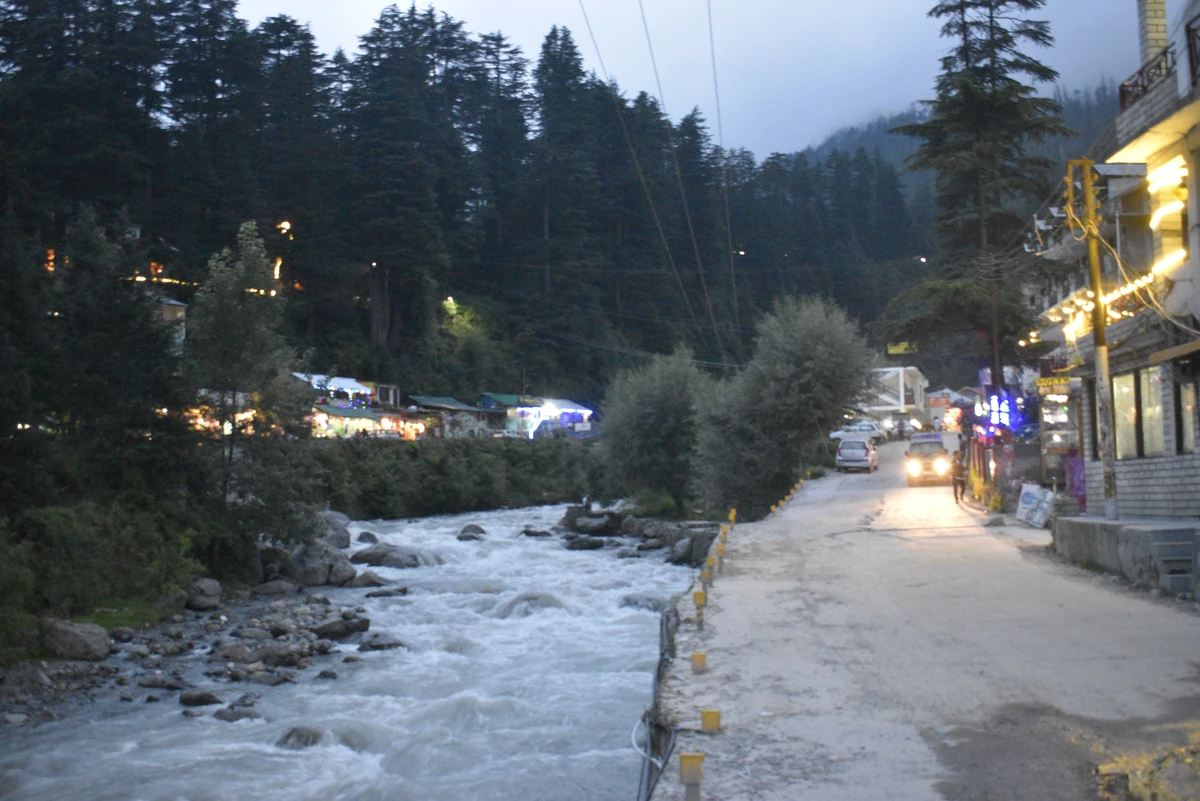
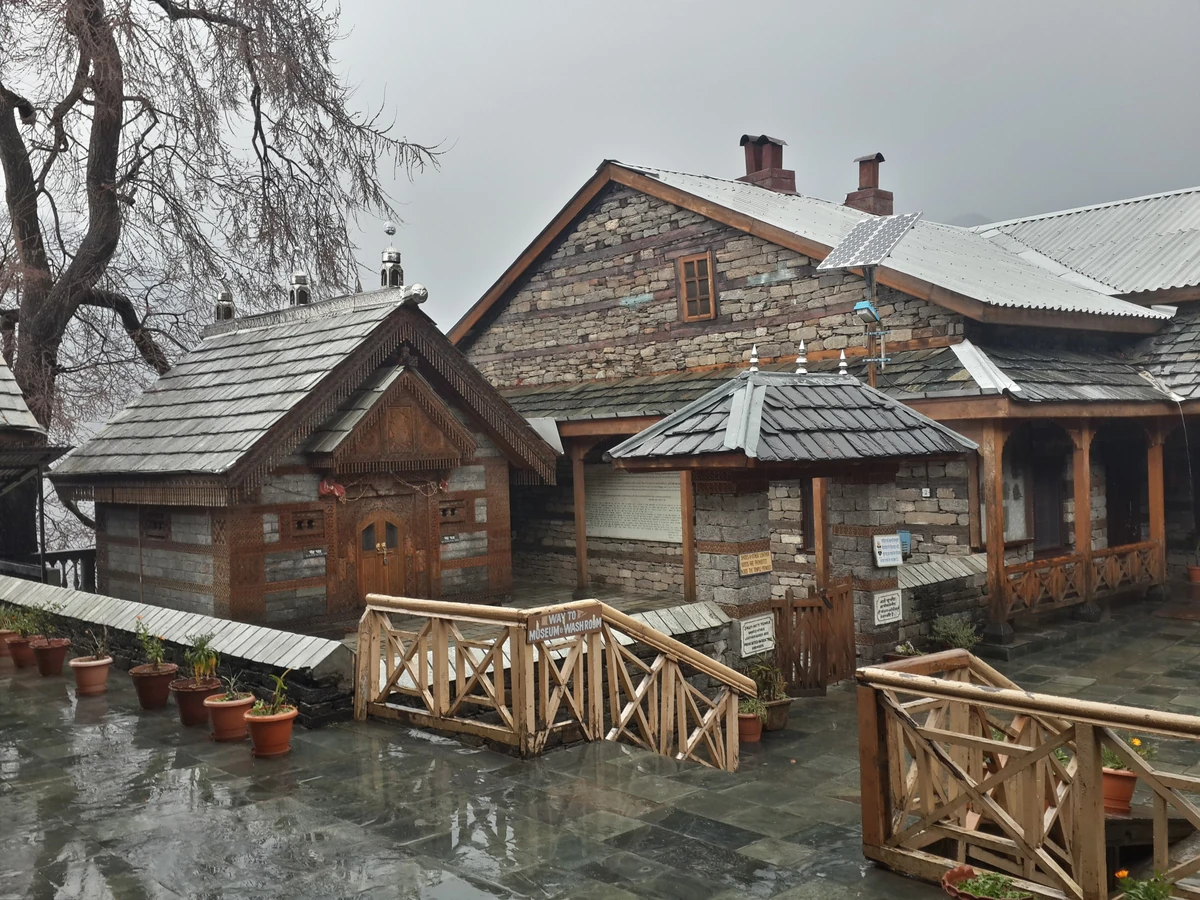
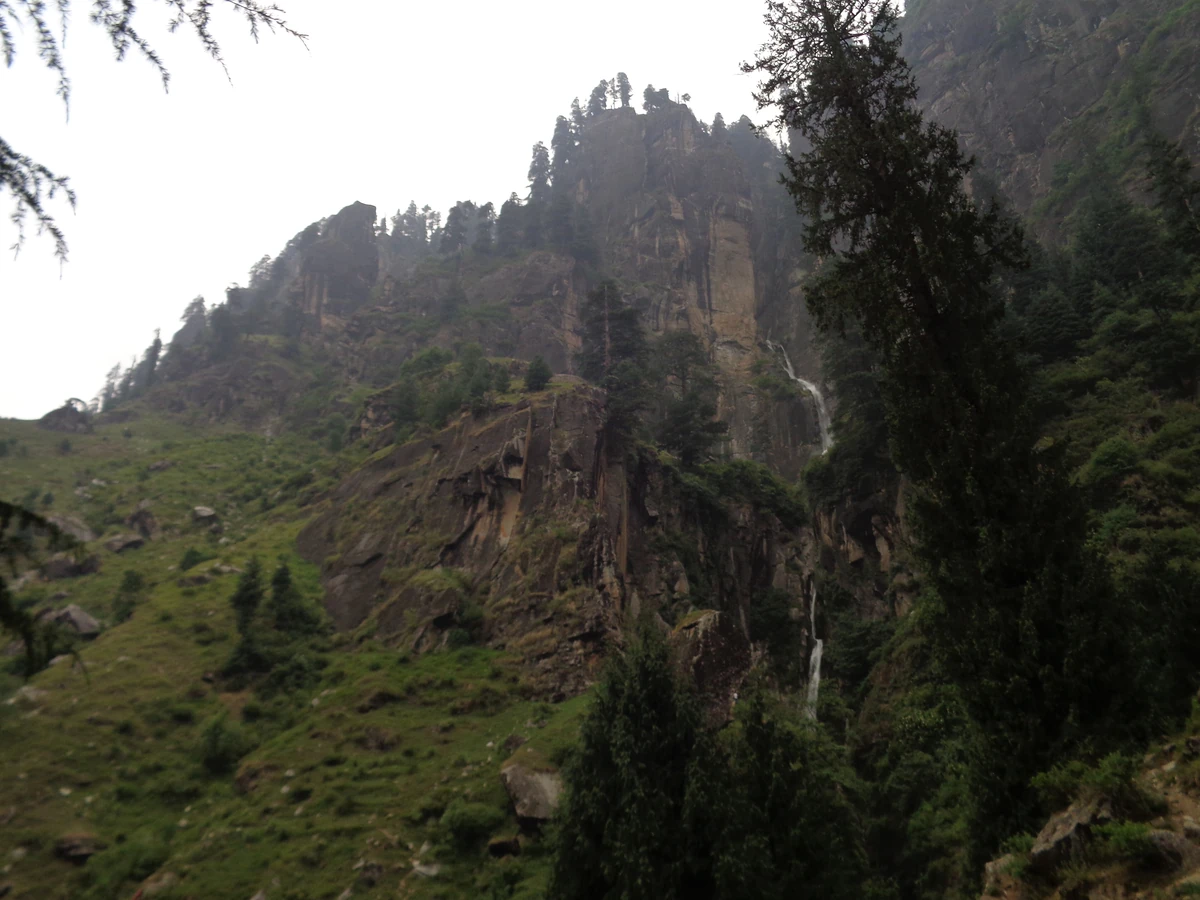
Photos: Bleezebub (CC BY-SA 4.0) · Catherine Lunaa (CC BY-SA 4.0) · Pbhuker007 (CC BY-SA 4.0) — via Wikimedia Commons, resized.
What it costs is time and flexibility: the road above Solang closes for a morning after each fall, the pass is shut until May, Old Manali is half shut, and flights lose days to cloud. Plan around that and the two months are the best snow in the Himalaya you can reach without a trek.
Where the snow is
Sissu, through the tunnel. The Atal Tunnel is open all winter with no permit. Sissu at 3,120 m is 39 km and about an hour from the bus stand and is white from December into spring — the meadow, the roofs, the road, the frozen edges of the waterfall across the valley. The one snow day that never fails in these months, once the road above Solang has been cleared after a fall. Leave later in the morning, after the plough. The Sissu day trip is the plan.
Solang and the slopes. The meadow at Solang, 12 km and about 24 min up the valley at 2,560 m, holds its snow through January and February in most years, and when it does the beginner ski slopes open. Skis and boots typically ₹300–600 an hour, ₹800–1,500 with an instructor, checked September 2026 and quoted on the slope. The state mountaineering institute runs its ski courses from its Solang centre in these weeks — the one way to learn properly rather than by the hour. The skiing guide has the detail; sledges and snowsuits are hired at the roadside.
Gulaba. The meadow on the pass road, about 19 km and 35 min from town, where the road is cleared to and no further: open snow on a slope, the checkpost idle, the first big view down the valley. The nearest reliable snow on the Manali side.
The shrine. The walk to Anjani Mahadev above Solang, about 46 min up, is the winter walk. In the coldest weeks the stream freezes on the rock into the ice column that gives the shrine its fame, and the path is done at midday with shoes that grip.
The town, some weeks. When it snows in Manali the grove at Hadimba and the sanctuary path are the places to see it, quiet and white; the Mall at dusk in snow is the postcard. Do not wait for it — the road up has it every day.
What closes
Rohtang, until around May; a January "Rohtang trip" is a drive to Gulaba. The camping treks. Many cafés and guesthouses in Old Manali and Vashisht, which shut from December to February and reopen in March. Enough stay open to make a winter visit easy, but check that yours is one of them and that it has a heater or a stove; a Manali guesthouse without one in January is a cold place to be. The Jogini path, which holds ice in the shade and is a careful midday walk at best.
Open: the temples, the hot baths at Vashisht — the January hour everyone remembers — the tunnel, Naggar Castle down the valley, the museum, the Mall.
The roads and the flights
The highway up the valley from Mandi and Kullu stays open through the winter; the snow rarely reaches it below Manali. The plains have fog in the early hours, which is the argument for the overnight bus or for leaving Delhi after nine at night. The road above Solang to the tunnel is cleared after every fall, and the police check chains at the barrier when there is snow. A taxi from the union stand will know the morning's state, and a rented scooter stays in the valley in these months. Bhuntar airport, 49 km away, loses more days to cloud in winter than in any other season — keep a road plan. The Chandigarh weekend is the shape for a drive up.
The Winter Carnival
A few days of events on the Mall in early January — folk dance and music from the valley, stalls, a procession, the town's own winter fair — run by the district and the tourism department. It brings a crowd for the days it runs, with rooms and taxis priced accordingly, and the town empties again after it. If the trip is about the fair, come for it; if it is about snow, come the week after and have the roads to yourself.
What to pack
Real cold kit: a down or heavy synthetic jacket, thermal base layers, warm trousers, waterproof boots, gloves, a hat that covers the ears, sunglasses — the glare off snow at Sissu is fierce. Snowsuits, boots and gloves for a day are hired at the roadside above Kothi and at Solang by the day; the layers underneath are not, and a jacket that fits is worth bringing. A power bank, because batteries drain in the cold; cash, because the machines above Solang drop with the power. The packing article has the list.
The plan
Three nights: the town and the springs on the first day, the tunnel to Sissu on the second, Solang's slopes or Gulaba and the shrine walk on the third. Naggar is the low-altitude fallback for a morning when the road above Solang is shut. The snow itinerary is that shape, and it works unchanged in February. For photographers the photography plan is built for the low winter sun; and the December article covers the month before, when the snow is less certain and the crowd, at the end of it, larger.
Plans that include this
All Manali itineraries → Day plan · FriendsRoad trip
 Day plan · First visitClassic
 Day plan · Slow travelTemples & heritage
 1 night · 2 days · Slow travelCafés & food
 1 night · 2 days · CouplesTemples & heritage
 1 night · 2 days · Slow travelWaterfalls
Questions people ask
Is January a good time to visit Manali?
For snow, the best: January is the coldest month, with days around 10 °C and nights below freezing, and the snow that comes and goes in December settles now on the Solang road, at Gulaba and at Sissu. The town is white some weeks and brown others. The price is closed roads for a morning after each fall.
Can you ski in Manali in February?
Yes, when the snow holds on the meadow at Solang, which it usually does through January and February. Short beginner slopes with hire by the hour, typically ₹300–600 for skis and boots and ₹800–1,500 with an instructor as of September 2026, and the mountaineering institute's courses to learn properly. Check the week before.
Is the road to Manali open in January?
The highway up the valley from Mandi and Kullu stays open through the winter, with the snow rarely reaching it before Manali itself; the plains have fog in the early hours. The road above Solang to the tunnel is cleared after every fall and the police check chains. Rohtang is shut. Flights to Bhuntar lose days to cloud.
What is the Manali Winter Carnival?
A few days of events on the Mall in early January — folk dance and music, stalls, a procession, the town's own winter fair — run by the district and the tourism department. It brings a crowd for the days it runs and empties again after. If your trip is about snow rather than a fair, come the week after.