Chenab Rail Bridge — take away a pier and the train still runs
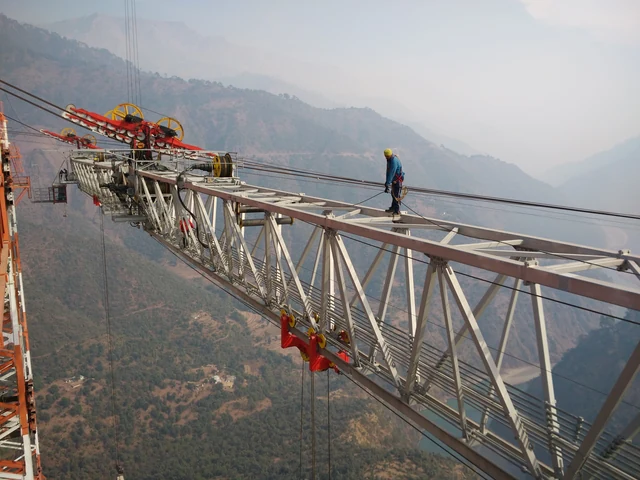
The Chenab Rail Bridge in Jammu and Kashmir stands 359 m above the river. Railways says it stays open at 30 km/h even if one pier or trestle is removed.
Checked on
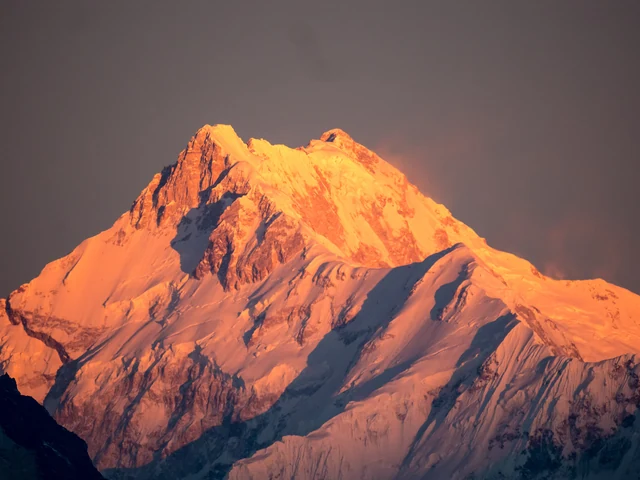
Kanchenjunga, the third-highest mountain in the world, was first climbed by two British climbers, Joe Brown and George Band, on 25 May 1955. They came within reach of the very top, and there they stopped. They did not stand on the summit, and it was not because they could not. They had made a promise.
When the expedition was about to leave, the government of Sikkim objected to any attempt on the mountain at all, even from the Nepal side, for spiritual reasons. The expedition's leader, Charles Evans, went to Gangtok to meet the Dewan, Sikkim's prime minister, and the two reached a compromise. The climb could go ahead, but when the climbers knew the top was within their reach, they were to climb no further.
Brown and Band kept their word. About five feet below the true summit they halted, by Wikipedia's account of the expedition. Sikkim's ruler, the Chogyal Tashi Namgyal, had been promised that no one would set foot on the top itself, and they kept that word. Norman Hardie and Tony Streather reached the same point the next day.
In Sikkim, Khangchendzonga is the guardian deity of the land. The mountain god appeared to Lhatsun Chenpo, the teacher who brought Buddhism to Sikkim, as he meditated in a cave at Dzongri, and he declared the mountain the guardian of the state. For the Lepcha people, the mountain is their place of origin.
Every year Sikkim honours its guardian at Pang Lhabsol. In the Pangtoed dance, Khangchendzonga itself is danced by a figure in a red mask, with its commander Yabdu and warriors in the old battle dress of Sikkim around them.
Photos: Carsten.nebel (CC BY-SA 3.0) · PJeganathan (CC BY-SA 4.0) · Alexkom000 (CC BY 4.0) — via Wikimedia Commons, resized.
Kanchenjunga's summit stands at 8,586 m (28,169 ft). It is sacred in both Nepal and Sikkim. On the Indian side the mountain is off limits to climbers, and the route from Sikkim has been closed since 2000. The national park around it, Khangchendzonga National Park, became a UNESCO World Heritage Site in 2016.
Read why the Darjeeling toy train runs backwards to climb, or plan a trip to Gangtok, Pelling or Darjeeling. Our guide to where to see Kanchenjunga lists the viewpoints. For another famous height with a twist, see the Khardung La sign.
Reels from these places: follow @himlocal.in on Instagram

Joe Brown and George Band, on 25 May 1955, members of a British expedition led by Charles Evans. Norman Hardie and Tony Streather followed the next day. The team reached the mountain through Nepal and climbed it from the Yalung side, the south-west, after trying another line first.
Because they had promised not to. Before the expedition the authorities of Sikkim objected to any climb of the mountain, for spiritual reasons. A compromise was reached: when the climbers knew the top was within reach, they were to climb no further. Brown and Band kept that promise to the Chogyal and stopped just below the true summit.
In Sikkim, Khangchendzonga is the guardian deity of the land. The mountain god appeared to Lhatsun Chenpo, who brought Buddhism to Sikkim, as he meditated in a cave at Dzongri, and he declared the mountain the guardian of the state. Every year Sikkim honours it at the festival of Pang Lhabsol.
Its summit stands at 8,586 m, or 28,169 ft, which makes it the third-highest mountain in the world, by Wikipedia's figures. The mountain is sacred in both Nepal and Sikkim. The route from the Indian side has been closed since 2000, and the national park around it is a UNESCO World Heritage Site.